
Travel
Restricted Areas and Permits: A Place-by-Place Guide
Where Pakistan restricts or asks for permission: border belts, military zones, provinces with permission systems, Gilgit-Baltistan registration and protected areas, with the official sources to check.
- Rules change: check current guidance
- Border belts, KP, Balochistan, Gilgit-Baltistan
- Advisories cited as of October 2026
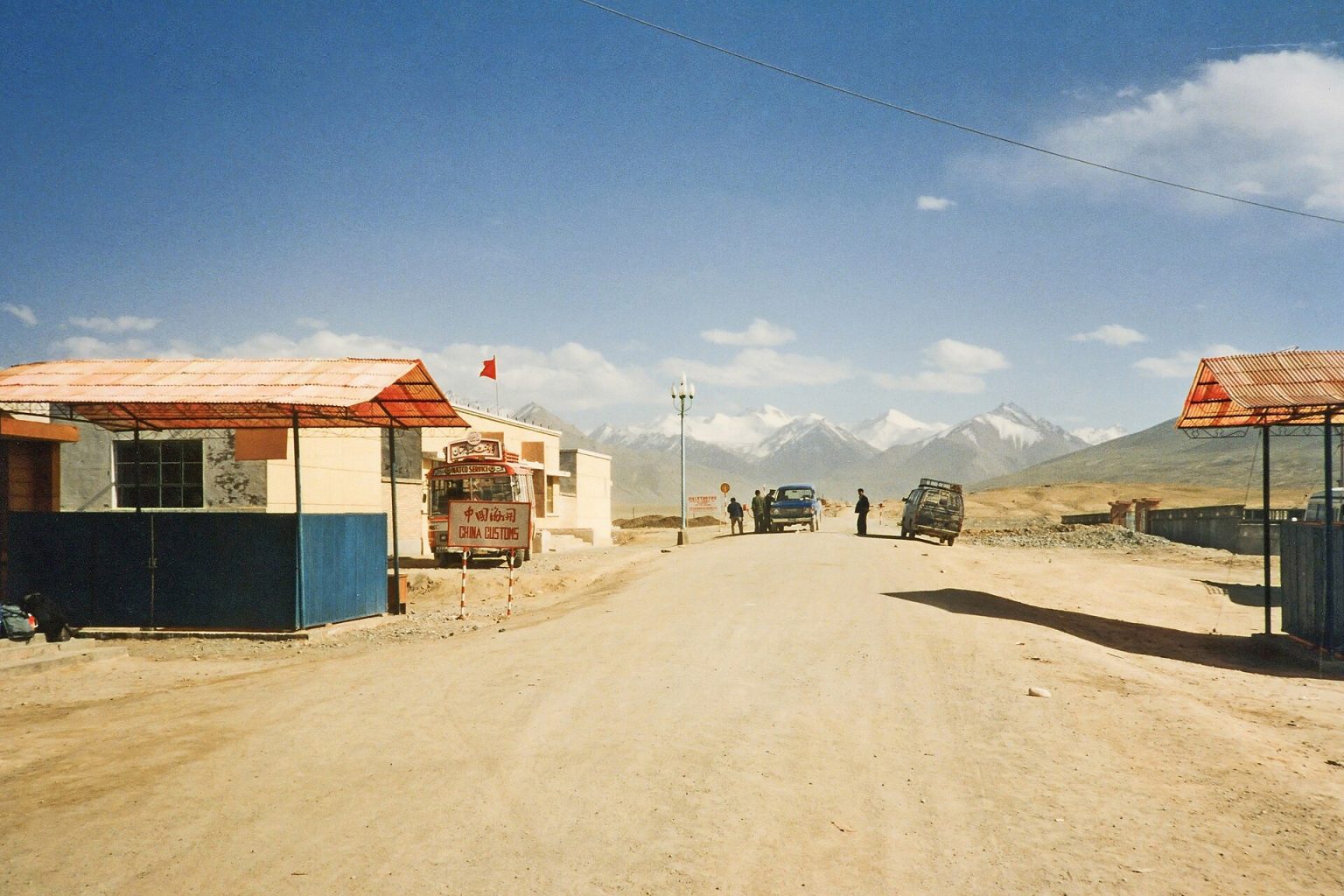
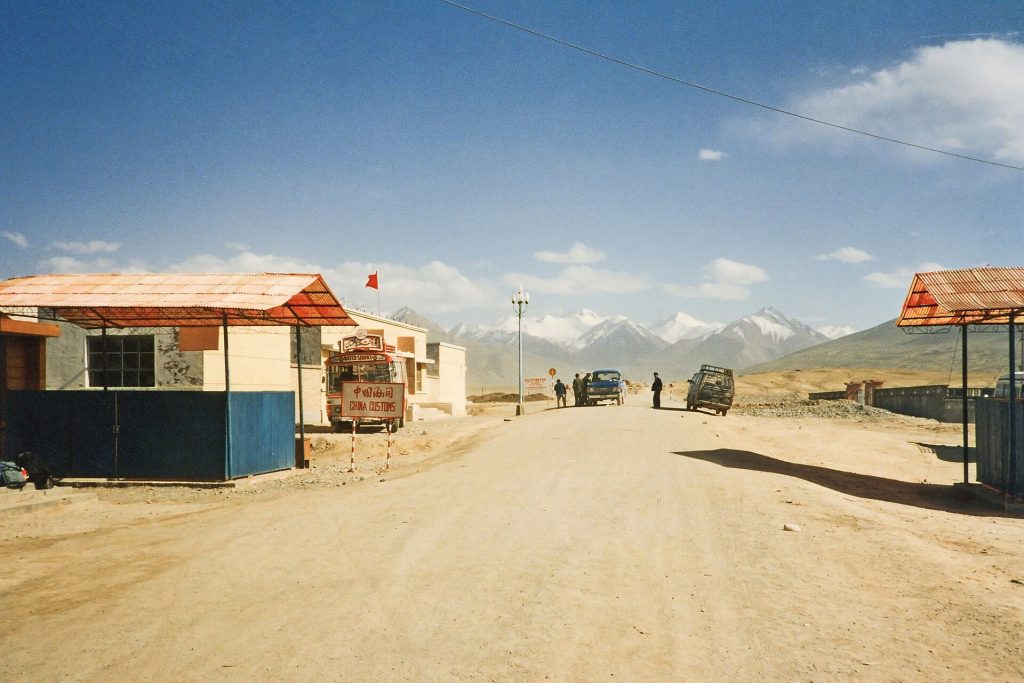
Checkpost on a mountain road, Gilgit-Baltistan
Read This First
Most places a first-time visitor wants to see in Pakistan, from Lahore's Walled City to the main valleys of Hunza, can be reached on an ordinary tourist visa. But the country keeps a layer of security controls that travellers do not meet in many other places, and they are not uniform. Some are fixed rules, such as border belts. Some are permission systems run by a province. Some are registrations that happen automatically at hotels and checkposts. And some are not rules at all but advisories issued by foreign governments.
This page is a place-by-place map of those controls. It is deliberately cautious. Rules have changed repeatedly in recent years: in 2017 the Interior Ministry reportedly told Gilgit-Baltistan that foreigners needed a No Objection Certificate (NOC); in March 2019 the federal government announced the end of the NOC regime for Gilgit-Baltistan, Chitral and Pakistan-administered Kashmir; and in 2025 Khyber Pakhtunkhwa introduced an online registration portal for foreign tourists. Anything printed in a guidebook, or on this page, may be out of date by the time you travel. Always check current rules with the authority that runs your route (see the final section for the official bodies), and read your own government's advice.
Our companion guide, Permits and Foreigner Registration in Pakistan, explains the application process step by step. Here the focus is on which kinds of place are affected and why.
Rules and Permissions, Place by Place
What authorities themselves say, with the source and date.
| Area | What is stated | Source and date |
|---|---|---|
| Borders with China and Afghanistan | Foreign nationals not allowed within 10 miles, except at official crossings | UK FCDO, October 2026; Gulf News, March 2019 |
| Line of Control (Pakistan-administered Kashmir and Gilgit-Baltistan) | Restricted belt of 5 miles for tourists; the UK also advises against all travel within 10 miles of the LoC in Pakistan-administered Kashmir | Gulf News, March 2019; GB Tourism Department; UK FCDO, October 2026 |
| Wakhan corridor frontier | Restricted belt of 10 miles | GB Tourism Department FAQ |
| Siachen | A 10-mile belt along the line of actual contact reported as off-limits to foreign tourists | Gulf News, March 2019 |
| Military installations, nuclear plants, naval and air bases | Prohibited areas across the country; officials may order visitors to turn back; photography is prohibited in restricted areas | UK FCDO, October 2026; GB Tourism Department |
| Gilgit-Baltistan | All foreign nationals must register with local authorities; trekking and mountaineering must be registered with the tourism department; restricted areas need a permit, a licensed guide and a porter; camping only in designated areas | UK FCDO; GB Tourism Department FAQ |
| Khyber Pakhtunkhwa | Certain areas, including Upper Dir, Chitral, Swat and other northern areas, require special permission; online foreign tourist registration portal launched | APP, 12 July 2025; UK FCDO, October 2026 |
| Balochistan and several districts of Azad Kashmir | Advance permission from local or federal authorities needed; local authorities say whether an Interior Ministry NOC is required | UK FCDO, October 2026 |
Officials' wording varies, and some sources are secondary reports. Treat this table as a prompt to ask, not as a complete or current rulebook.
What Foreign Governments Advise
These are advisories, not rules, and they differ between governments. The following reflects UK FCDO advice published 13 October 2026.
| Level | Areas named |
|---|---|
| Advises against all travel | Balochistan province; the KP districts of Bajaur, Bannu, Buner, Charsadda, Dera Ismail Khan, Hangu, Karak, Khyber, Kohat, Kurram, Lakki Marwat, Upper and Lower Dir, Mohmand, Orakzai, Peshawar, Swat, Tank and the Waziristans; the N45 from north of the Mardan ring road to the edge of Chitral city; the Karakoram Highway between Mansehra and Chilas; and areas within 10 miles of the Line of Control in Pakistan-administered Kashmir |
| Advises against all but essential travel | KP districts of Malakand, Mardan, Nowshera, Shangla and Swabi; Azad Jammu and Kashmir; Sindh north of and including Nawabshah; Dera Ghazi Khan in Punjab; areas within 5 miles of the India border except official crossings |
| Other cautions | Parts of Islamabad (sectors I-8 to I-11 and areas further west) and several Karachi neighbourhoods; avoid protests, religious events and large crowds in Lahore; avoid night travel on the Karakoram Highway |
Source: UK Foreign, Commonwealth and Development Office, Regional risks, last updated 13 October 2026. Always read the current page: advice changes quickly. Other governments (for example the US and Canada) publish their own advisories, which differ.
Gilgit-Baltistan: Registration and Restricted Valleys
Gilgit-Baltistan is administered by Pakistan with its own government and is part of the wider, disputed Kashmir region. For foreign visitors it is the best-known permit region. The UK government states that all foreign nationals must register with the local authorities, and the region's police say every hotel is connected to the Hotel Eye system that records guests' identity details. Checkposts on the Karakoram Highway, the Babusar road and the road to Skardu log passports, so photocopies save time.
The tourism department draws a line between ordinary trekking and activities in restricted areas. It states that all trekking and mountaineering must be registered with the department; a permit is needed before activities in restricted areas, a licensed guide and porter are mandatory there, camping is allowed only in designated areas, and photography is prohibited in restricted areas, which the department defines as including the five-mile belt along the Line of Control and the ten-mile belt along the Wakhan corridor. Foreign trekkers must submit a visa application with their trekking application, royalty fees are payable in Pakistan after the visa is granted, and the UK adds that peaks over 6,000 metres may need permits whose processing can take up to two months.
The practical effect is that the famous routes in Hunza, Skardu, Naltar and the Baltoro are well-trodden and handled routinely by licensed operators, while remoter valleys and border zones require advance approval. If your plans go beyond the standard circuit, ask a licensed Gilgit-Baltistan operator or the tourism department which sections are affected. See also our guides to trekking in Pakistan and the Karakoram Highway.
Khyber Pakhtunkhwa and Chitral
In 2019 the federal government announced that Chitral, Gilgit-Baltistan and Pakistan-administered Kashmir were open to foreign tourists without an NOC, though prohibited zones remained and, as one article noted at the time, local police in some places continued to ask for papers while the formal notification was pending. Since then the provinces have developed their own systems. In July 2025 the Associated Press of Pakistan reported that the Khyber Pakhtunkhwa Tourism and Culture Authority had launched an online Foreign Tourist Registration Portal, available through its website and a mobile app, and that certain areas including Upper Dir, Chitral, Swat and other northern areas require special permission because of security regulations.
For visitors this means that places such as the Kalash valleys, Swat and Kumrat are among the destinations where you should check, before booking, whether the provincial registration applies, and whether your own government advises against travel to the district. Domestic travellers are generally subject to ID checks rather than permits; carry a CNIC and expect checkposts.
We cover Chitral, Swat and Kumrat as destinations because they are important parts of the country; being listed here is not a recommendation to travel without checking. See Chitral, Swat Valley and Kalash Valleys.
Balochistan, Ports and the Coast
The UK government states that advance permission from local or federal authorities is needed to travel in Balochistan and advises against all travel to the province. Residents live and travel there daily, and the province contains remarkable places, from the juniper forests of Ziarat to the Hingol coast, but visitors should rely on current official guidance, not older guidebooks. A licensed local operator and prior contact with provincial authorities are sensible.
On the coast it helps to separate four kinds of place. Working ports and naval bases are not visitor attractions, and the UK warns of prohibited areas around military installations including naval bases. Visitor beaches, such as the stretches near Karachi and Kund Malir in Hingol National Park, are popular day-trip destinations. Protected nesting beaches and islands include Ormara's turtle beaches (about 10 km of sandy shore), Astola Island (an uninhabited offshore island noted for green turtle nesting) and the Jiwani coastal wetland, all of which are Ramsar sites. And fishing communities and creeks in the Indus delta are working landscapes. Follow local guidance, keep lights off nesting beaches at night and never disturb turtles. See Coast of Pakistan and Astola Island.
National Parks and Sensitive Areas
Protected areas have their own rules, separate from security controls. The Central Karakoram National Park, for example, is managed with a core zone and a buffer zone and designated corridors through which tourists may enter. Other parks and reserves in Pakistan charge entry fees, may limit vehicle access or camping, and in some cases require a permit from the provincial wildlife or forest department. Fees and rules change; check with the managing department (for Gilgit-Baltistan, the Forest, Wildlife and Environment Department; for Khyber Pakhtunkhwa, the Wildlife and Parks Department; for the capital, the Islamabad Wildlife Management Board).
Responsible behaviour matters even where no permit is needed: stay on trails, carry out litter, keep distance from wildlife, camp only where allowed and avoid lighting fires in forests. See our guide to national parks.
How to Check Before You Go
- 1
Read your government's advice
Start with your own foreign ministry's page for Pakistan and the UK FCDO regional-risks page, which names districts. Note the date.
- 2
Ask the authority that runs your route
For Gilgit-Baltistan, the Tourism Department (tourismdept.gbit.gov.pk); for Khyber Pakhtunkhwa, the KP Tourism and Culture Authority (kptourism.com); for national information, the Pakistan Tourism Development Corporation (tourism.gov.pk); for visas, the online visa system (visa.nadra.gov.pk). For Azad Kashmir, contact the AJK Tourism Department.
- 3
Use a licensed operator for remote routes
Licensed operators handle permits, know checkposts and are mandatory for treks in restricted areas of Gilgit-Baltistan.
- 4
Carry documents
Keep the original passport, several photocopies of the photo page and visa, and any permit. Expect to be asked for them at checkposts and hotels.
- 5
Build in slack
Officials can turn travellers back, and weather, landslides or security conditions can change your route. Leave spare days.

Frequently Asked Questions
Do I need an NOC to visit Hunza or Skardu?
The federal government announced in March 2019 that the NOC requirement for foreigners had ended for Gilgit-Baltistan, Chitral and Pakistan-administered Kashmir, but foreign nationals must still register with local authorities in Gilgit-Baltistan, and restricted areas need permits. Rules change, so confirm with the Gilgit-Baltistan Tourism Department or a licensed operator.
Are all of northern Pakistan's valleys open to foreigners?
No. Border belts, the Line of Control zone and some sensitive areas are closed to foreign tourists, and some districts need special permission or are covered by foreign-government advisories. Ask before planning anything off the standard routes.
Is the NOC the same as a visa?
No. A visa lets you enter Pakistan. An NOC or permission is a separate approval, where required, to visit a particular area. Apply for visas through the official online visa system.
Is this page a travel advisory?
No. It summarises what official bodies have published and when. It is not legal or security advice. Check current advisories and local authority guidance before you travel.
Do Pakistanis need permits to visit these areas?
Domestic travellers generally face ID checks at checkposts rather than permits, but border belts and restricted installations apply to everyone. Carry a CNIC.
Why does the UK advise against travel to places that are popular with tourists?
Advisories are cautious, risk-based assessments by a foreign government. They can differ from local conditions and from other governments' advice, and they affect travel insurance. Read them, note the date and decide with local information.
Keep Exploring
Related places and stories on DailyLife.pk
 ChitralPlan a Chitral trip: Chitral Fort, Shahi Mosque, Tirich Mir views, Chitral Gol, Garam Chashma
 Swat ValleyPlan a trip to Swat Valley: Kalam, Mahodand Lake, Malam Jabba
 Kalash ValleysVisit the Kalash valleys respectfully: Bumburet, Rumbur and Birir, Chilam Joshi, Uchal and Chawmos festivals
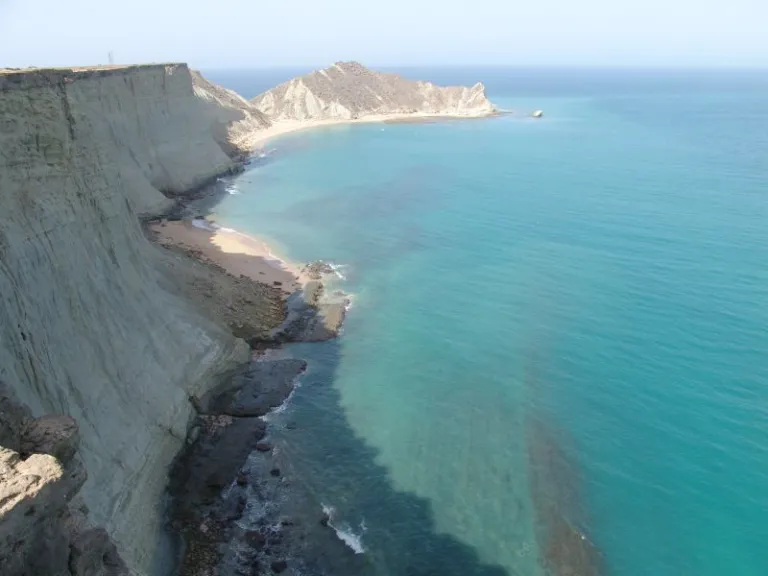 Astola IslandAstola Island guide: Pakistan's first Marine Protected Area off Pasni, wildlife, boat access, camping without facilities
 Hunza ValleyPlan a Hunza Valley trip: Baltit and Altit forts, Attabad Lake, Passu Cones, Hussaini bridge
 Skardu ValleySkardu Valley guide: Shangrila and Upper Kachura lakes, Shigar Fort, Katpana cold desert, Manthokha waterfall, Satpara
How we know this
- Type Practical guide
- Sources 9 (3 official/academic)
- Reviewed October 2026
- Disputed points None
Rules and fees change, confirm with the official links below before you act.
9 sources
- Pakistan travel advice: Safety and security, UK Foreign, Commonwealth and Development Office
- Pakistan travel advice: Regional risks, UK Foreign, Commonwealth and Development Office
- Frequently asked questions (permits, restricted areas, photography), Tourism Department, Gilgit-Baltistan
- KP Tourism Department launches online NOC system for foreign tourists, Associated Press of Pakistan, 12 July 2025
- Pakistan lifts restrictions on visiting tourist sites for foreigners, Gulf News, 26 March 2019
- Govt decides to abolish NOC requirement for foreigners, Dawn, 10 February 2019
- Central Karakoram National Park, Forest, Wildlife and Environment Department, Gilgit-Baltistan
- Ramsar Sites annotated summary – Pakistan, Ramsar Sites Information Service
- Pakistan Travel Advisory, US Department of State
Photo credits (2)
- Pirali checkpost, Khunjerab Pass.jpg, Bernard Gagnon, CC BY-SA 4.0, via Wikimedia Commons
- The beautiful Karakoram Highway.jpg, Saadzafar91, CC BY-SA 3.0, via Wikimedia Commons
