
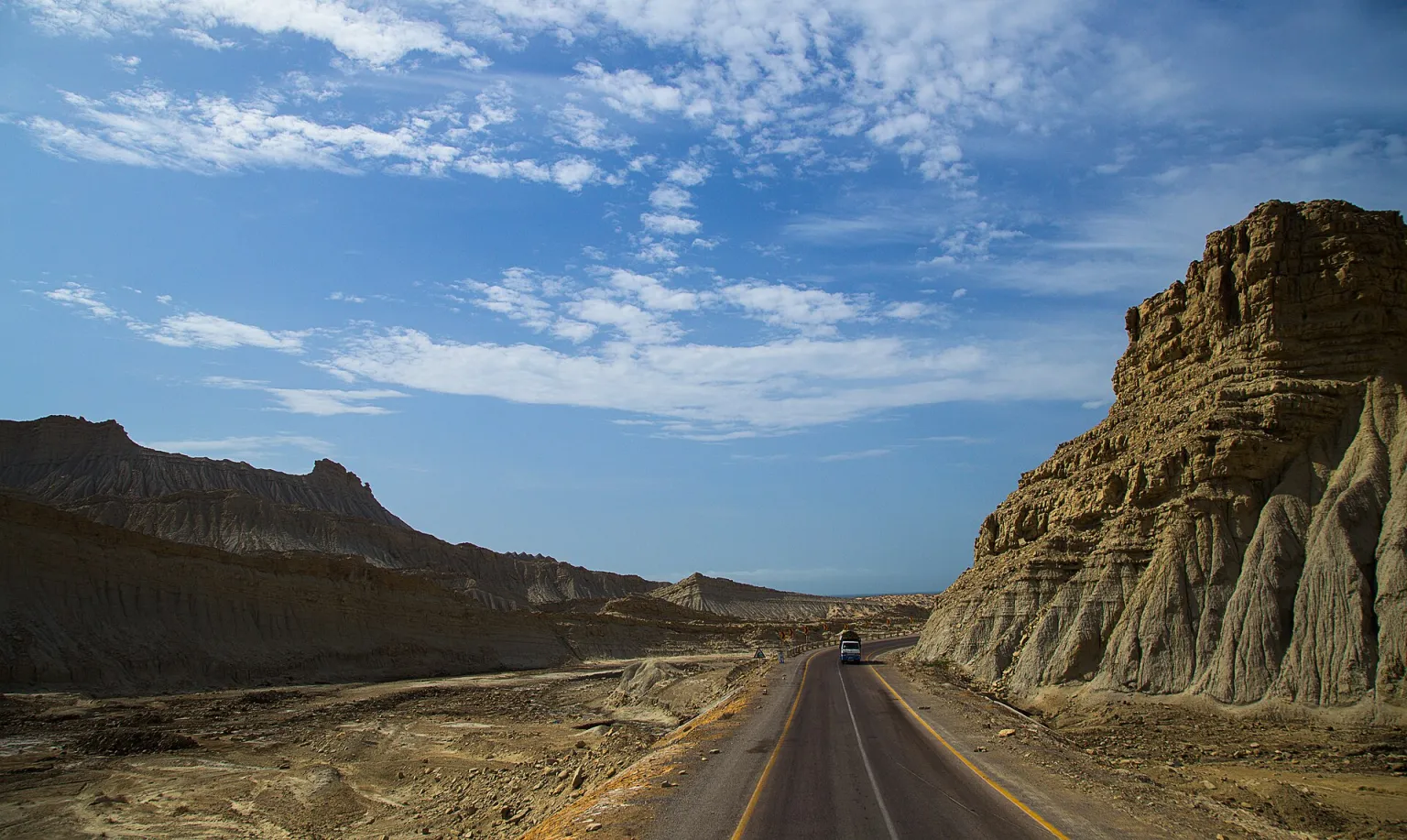
Journey
Makran Coastal Highway Journey
A planning guide to Pakistan's desert coast road: a short Kund Malir trip, a three-day Karachi to Gwadar drive, what is open to visitors, what is not, and why advisories matter.
- N-10, Karachi to Gwadar
- November to February
- Check advisories and permission first
Makran Coastal Highway, Balochistan
Read first: this is a remote frontier coast
The UK government's regional-risks page, read on 24 October 2026, advises against all travel to Balochistan Province, which includes the entire highway beyond Hub. Other governments issue similar warnings, and travelling against advice can invalidate insurance. The coast is remote, has a substantial security presence and frequent checkpoints, and foreign visitors may need permits or escorts. If you still plan to go, check your government's advice, ask Balochistan's tourism department, the district administration and PTDC what is required, and go only with an experienced local operator. Carry original ID. Conditions can change at short notice; confirm again immediately before departure.
What the highway is
For most of history the Makran coast, the long desert shoreline of southern Balochistan, was reached by boat or camel. The Makran Coastal Highway (N-10), built by the Frontier Works Organisation and completed on 14 December 2004, changed that. Wikipedia gives its length as 653 km and notes that before the road the trip on an unpaved track took at least two days; it reports the average journey between Karachi and Gwadar as 6 to 7 hours, and Dawn's 2017 travel feature describes about seven hours one way. Treat those as averages for a straight run in good conditions, not a plan: stops, checkpoints, fuel, sand on the tarmac, weather and security closures all add time.
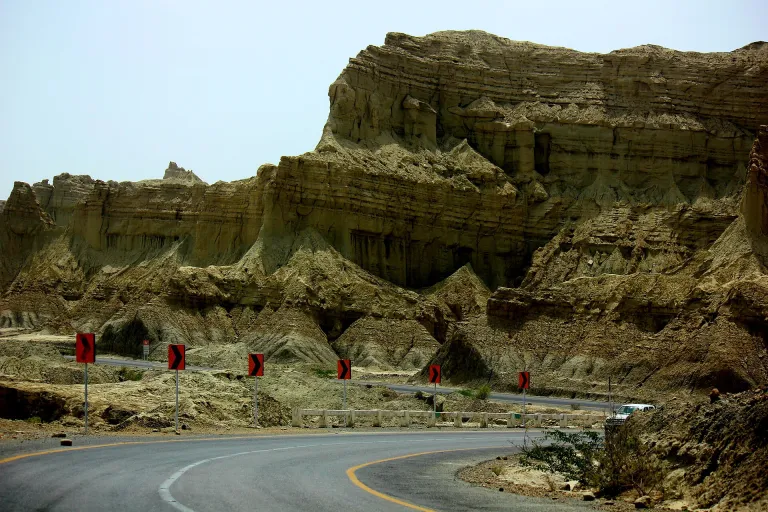
The highway begins at Zero Point, about 90 km from Hub according to Dawn, and passes through Hingol National Park, past the Kund Malir beach, the mud volcanoes, the wind-carved clay formations near the Hingol river and over the Buzi Pass, the highest point on the road, before reaching Ormara, roughly halfway along, then Pasni and Gwadar. Dawn also notes that sand dunes blow over the tarmac near Pishukan and that the author found the road guarded by Pakistan Coast Guards check posts and watchtowers (the author's own assessment).

What is open to visitors, and what is not
Separating visitor attractions from sensitive places.
 Kund Malir beachA broad sandy beach backed by mountains inside Hingol National Park, the classic first stop from Karachi.
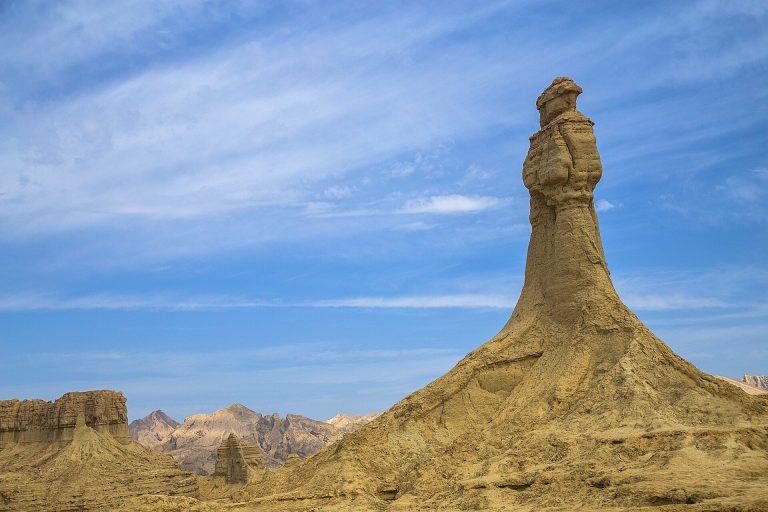 Hingol formations and mud volcanoesWind-carved clay cliffs, including the "Princess of Hope" pinnacle and the "Sphinx", and mud volcanoes such as Chandragup. Treat religious sites with respect.
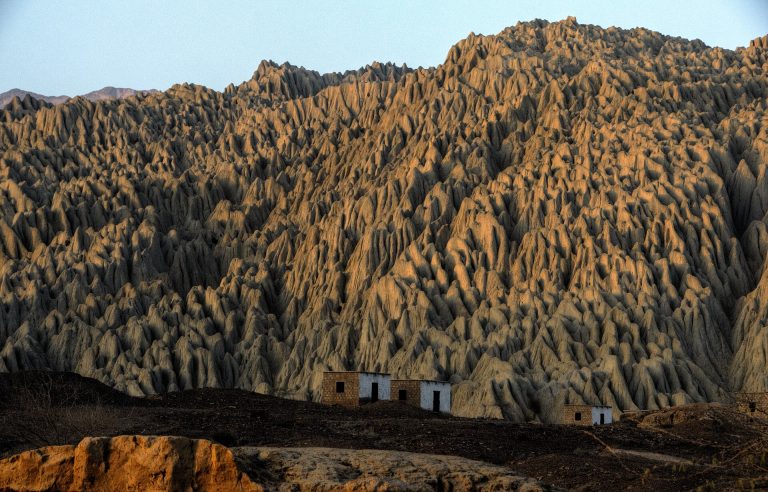 Buzi PassThe highest point of the coastal highway, with views back over the coast and badlands.
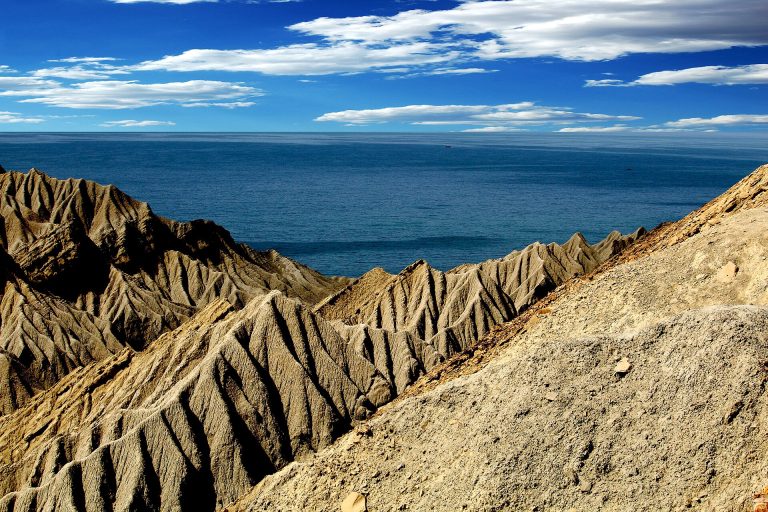 Ormara town and beachesA fishing town on a sandy isthmus tied to a rocky headland, the Hammerhead. Its beach is protected as a Ramsar wetland: the Ormara Turtle Beaches (designated 2001) cover about 10 km of sand where endangered green and olive ridley turtles nest. Visit turtle areas only with wildlife officials.
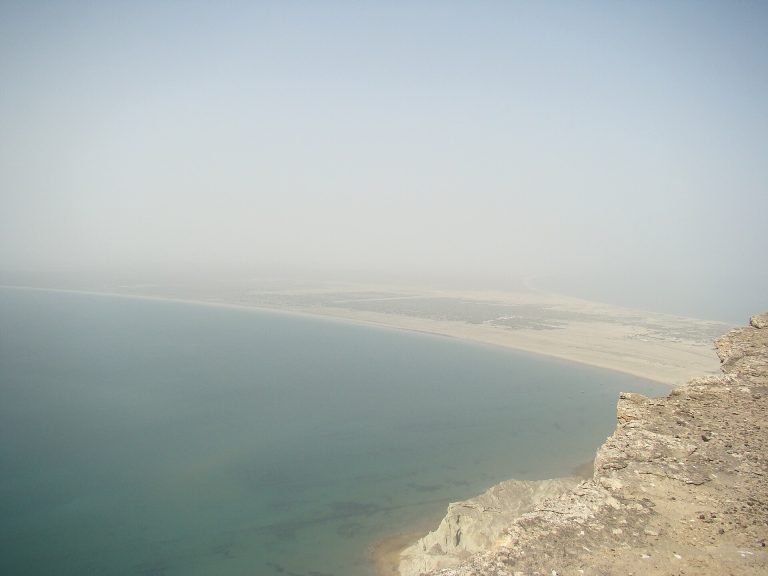 Buzi MakolaA sea inlet and wildlife sanctuary between Ormara and Pasni, visited by migratory birds in winter.
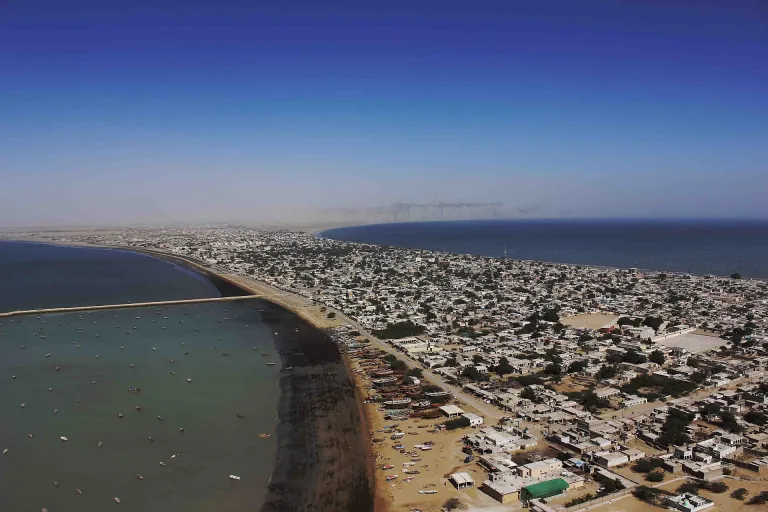 GwadarA fishing and port town at the end of the highway, with the Koh-e-Batil hammerhead and a busy fish harbour. The deep-water port and its surroundings are a commercial and strategic facility with controlled access; do not enter or photograph port and security areas.
Three ways to do it
Kund Malir trip
From Karachi, one long day or one night
The shortest option. Kund Malir is a long day trip from Karachi, often done with an organised group that camps on the beach. Journey time varies with checkpoints and traffic; leave early and return by daylight.
Karachi to Gwadar by road
Three days at a relaxed pace
The journey in Dawn's 2017 feature was a three-day trip. Spread it over three or four days with overnights near Kund Malir or Ormara and Gwadar, rather than driving straight through.
Gwadar and fly back
Drive one way
Drive out, then fly back from Gwadar where services operate, which saves a day. Flights are subject to schedule and weather changes.
The three-day drive, day by day
Adapt to your operator's advice. Start early every day, do not drive after dark and keep a spare day for delays.
- 1
Before departure: checks
Re-check advisories, permissions and road conditions. Fill the tank in Karachi or Hub, carry water, food, a spare tyre and a charged power bank. Tell someone your route; mobile coverage may be patchy.
- 2
Day 1: Karachi to Kund Malir and Hingol
Drive west via Hub to Zero Point, where the coastal highway begins, about 90 km from Hub. Visit Kund Malir and, with time, the Hingol river crossing and the clay formations. Overnight at a camp arranged by your operator, or continue to Ormara if your driver advises.
- 3
Day 2: Hingol, Buzi Pass and Ormara
Cross the Buzi Pass and descend to the plains near Ormara, roughly halfway to Gwadar. Spend the afternoon on the beach and the Hammerhead headland. Accommodation is simple: small hotels and government rest houses.
- 4
Day 3: Ormara, Buzi Makola, Pasni and Gwadar
Continue past the Buzi Makola inlet and Pasni to Gwadar. Gwadar has more choice of accommodation. Aim to arrive before sunset; the sunset from Koh-e-Batil is the classic finish.
- 5
Day 4: rest day or return
Take a rest day in Gwadar, then fly back where services operate or drive back to Karachi over a full day. Allow a spare day for delays.
Seasons and conditions
November to February
Mild and clear
The practical window. Days are comfortable, though evenings can be cool.
April to September
Very hot and humid
Heat and humidity are severe, and the south-west monsoon makes the sea rough. Not recommended.
Daylight
Winter days are short
Start at first light. Distances between towns are long and stretches are empty; running out of daylight or fuel is the main practical risk.
Sand and weather
Road surface
Sand can blow across the road near Pishukan and in other dune stretches; slow down and follow your driver's advice.
Travelling respectfully on a fragile, inhabited coast
- Stay on the road and established tracks; do not drive on beaches or dunes, which damages habitat.
- Do not visit turtle nesting areas without wildlife officials and never use lights or flash near nesting turtles.
- Dress modestly, ask before photographing people, especially women, and respect Baloch hospitality and customs.
- Do not photograph military or coast guard posts, naval facilities, ports or checkpoints.
- Carry your own water and take all litter with you; waste is a threat to this coast.
- Hire local drivers and guides where possible, and buy fish and supplies from local sellers.
- The Hinglaj shrine in Hingol National Park is a major Hindu pilgrimage site, with a spring pilgrimage; give pilgrims space and follow guidance.
What drives costs
We quote no prices. Costs depend mainly on vehicle hire with an experienced driver (and a 4x4 if your operator recommends one), fuel, camp or hotel nights, any escort or permit arrangements, and whether you fly back from Gwadar. Because arrangements and requirements change, ask operators for itemised written quotes. See travel budget and costs.
Frequently Asked Questions
How long does it take to drive from Karachi to Gwadar?
Wikipedia reports an average of 6 to 7 hours on the finished road and Dawn's 2017 feature described about seven hours one way. Allow more for stops, checkpoints and weather; many travellers spread it over three days.
Can I visit Kund Malir as a day trip from Karachi?
It is a long day trip, often done with organised groups; leave early and return by daylight. Check advisories and permissions first.
Is the Makran Coastal Highway open to foreign visitors?
The UK government advises against all travel to Balochistan, and foreign visitors may need permits or escorts. Check your own government's advice and with the Balochistan authorities.
When is the best time to go?
November to February. Summer is very hot and humid, and the monsoon makes the sea rough.
Keep Exploring
Related places and stories on DailyLife.pk
 Ormara and the Makran Coastal HighwayMakran Coastal Highway and Ormara guide: Kund Malir, Hingol, Princess of Hope, Buzi PassKund MalirPlan a Kund Malir trip: the beach, Makran Coastal Highway, Princess of Hope, Chandragup mud volcano
 Hingol National ParkPlan a trip to Hingol National Park, Balochistan: Princess of Hope, the Sphinx rock
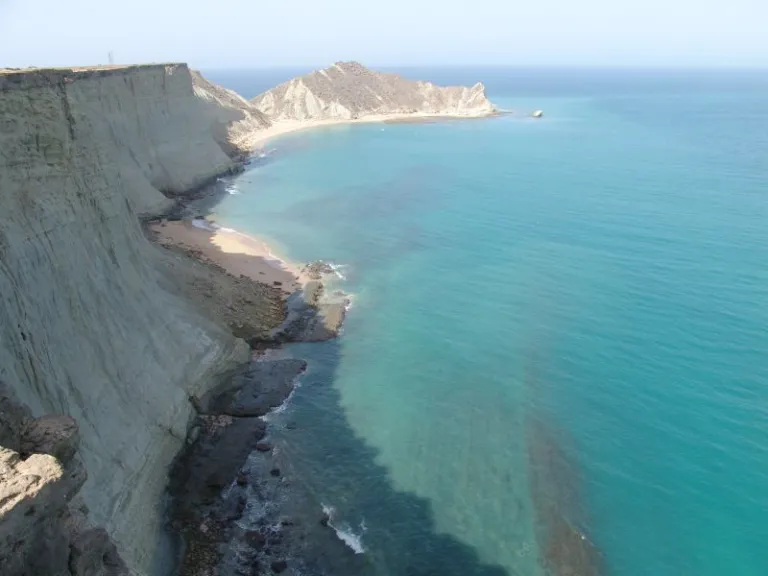 Astola IslandAstola Island guide: Pakistan's first Marine Protected Area off Pasni, wildlife, boat access, camping without facilities
 Karachi Coast and CliftonKarachi's coast: Mohatta Palace Museum, Clifton Beach and Sea View, Abdullah Shah Ghazi shrine, Do Darya
 KarachiKarachi travel guide: Mazar-e-Quaid, Mohatta Palace, Clifton, Burns Road, bazaars, neighbourhoods, Green Line BRT
How we know this
- Type Practical guide
- Sources 9 (2 official/academic)
- Reviewed October 2026
- Disputed points None
Rules and fees change, confirm with the official links below before you act.
9 sources
- Makran Coastal Highway (used to locate primary sources), Wikipedia
- Travel along the Makran coast (feature, 2017), Dawn
- Makran Coastal Highway Project (MCHP), Frontier Works Organisation
- Ramsar Sites annotated summary – Pakistan, Ramsar Convention Secretariat
- Hingol Cultural Landscape (Tentative List), UNESCO World Heritage Centre
- Gwadar, Encyclopaedia Britannica
- Pakistan travel advice: Regional risks, UK Foreign, Commonwealth & Development Office
- Foreign travel advice: Pakistan, UK Foreign, Commonwealth & Development Office
- Crystal clear water, clean air and hospitality: This is the Makran, The Express Tribune
Photo credits (10)
- Makran Coastal Highway, Balochistan.jpg, Furqanlw, CC BY-SA 4.0, via Wikimedia Commons
- Hingool Nationa Park and Makran Coastal Highway.jpg, Asad.aman83, CC BY-SA 4.0, via Wikimedia Commons
- Kund Malir Beach, Hingol National Park, Balochistan.jpg, Furqanlw, CC BY-SA 4.0, via Wikimedia Commons
- Princes of Hope, Hingol National Park, Pakistan.jpg, Furqanlw, CC BY-SA 4.0, via Wikimedia Commons
- Hingol National Park, Pakistan.jpg, UmairAdeeb, CC BY-SA 4.0, via Wikimedia Commons
- Ormara Pakistan.jpg, ASAD LAKHANY, CC BY-SA 4.0, via Wikimedia Commons
- Ormara Bay.JPG, Bilal Mirza (Billmirza at en.wikipedia), CC BY-SA 3.0, via Wikimedia Commons
- Gwadar city, the doors of Air.jpg, Shayhaq Baloch, CC BY-SA 4.0, via Wikimedia Commons
- This is Pakistan - Hingol Great Sphinx.jpg, Irfan ul Haq, CC BY-SA 4.0, via Wikimedia Commons
- Clifton Karachi View.jpg, Ktownboy103, CC0, via Wikimedia Commons
