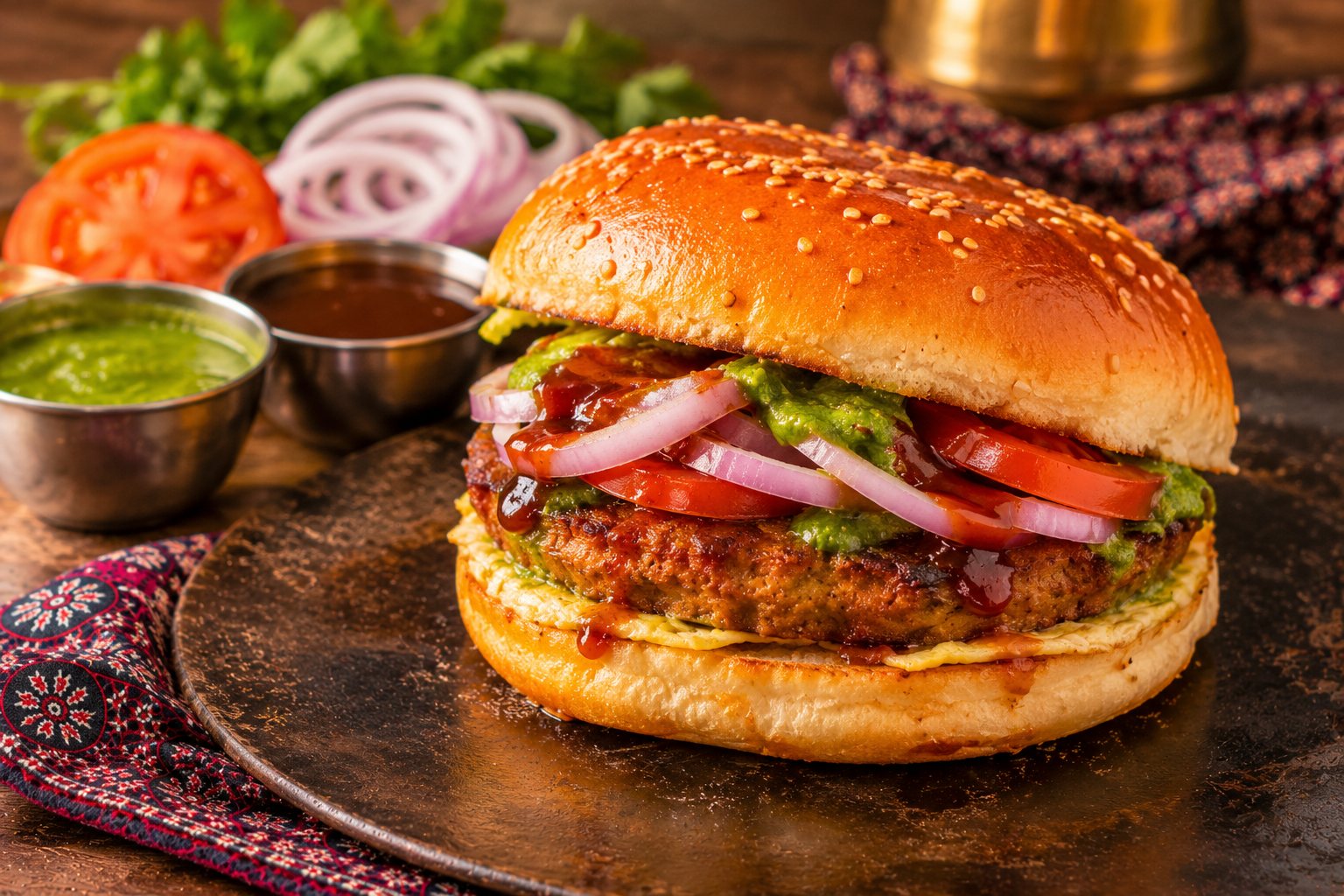
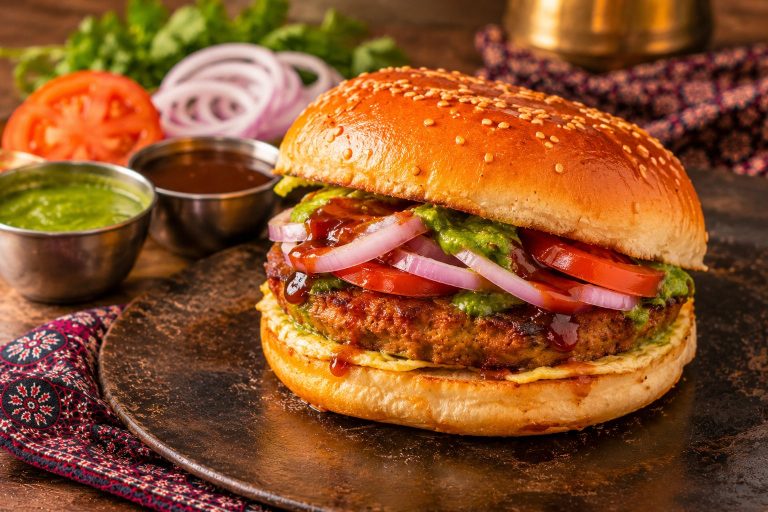
Bun Kebab: styled serving suggestion (illustration)

Regional cuisine

Karachi Street Food: A Megacity on a Plate

Nihari at dawn, bun kebabs at midnight, rabri, haleem, chaat and gola ganda in between: the street food of Pakistan's largest city, built by migrants from across South Asia.

  • Karachi, Sindh
  • Food streets and night stalls
  • Bold, chilli-forward flavours

Karachi street food

Mid-1950sWhen Delhi Rabri House began as a push cart on Burns RoadExpress Tribune, 2018
1950sBun kebab's early days, sold to cinema-goersSOCH Outreach Foundation
1948Hamdard, maker of Rooh Afza, opened in KarachiDawn, 2016
M. bin Qasim RdBurns Road's official name since Partition, rarely usedExpress Tribune, 2018

About Karachi Street Food

Karachi eats around the clock. The city's street food is the product of its history as a port and a city of arrivals: after 1947, migrants from Delhi, Uttar Pradesh, Hyderabad Deccan, Gujarat, Bombay and elsewhere settled here, joining Sindhi, Baloch, Memon, Pashtun and Punjabi communities. Many opened small food businesses, and their dishes became the city's own.

The result is a cuisine of big, bold flavours. Nihari and haleem from the old Muslim cities of north India, kebabs and rabri, Gujarati and Memon snacks, Sindhi biryani and Balochi sajji all share the same streets. Prices range from a few rupees for chaat at a cart to sit-down dinners in long-established restaurants, and the busiest hours often come after dark, when families and friends head out to eat.

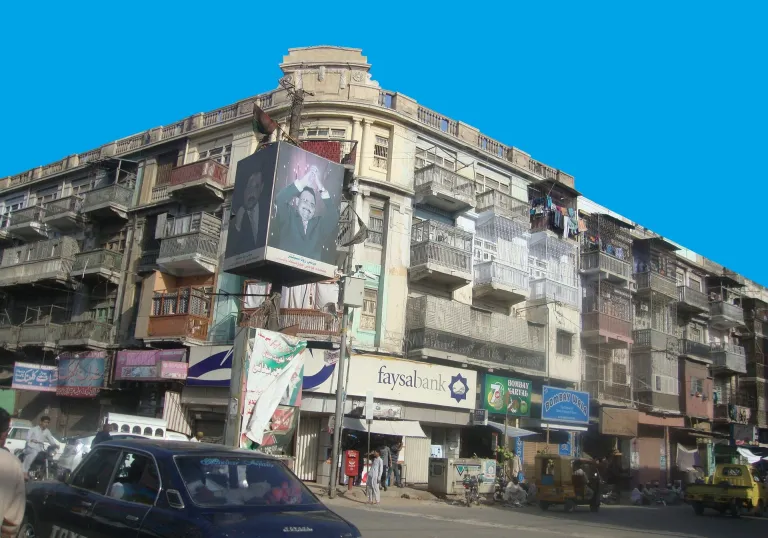
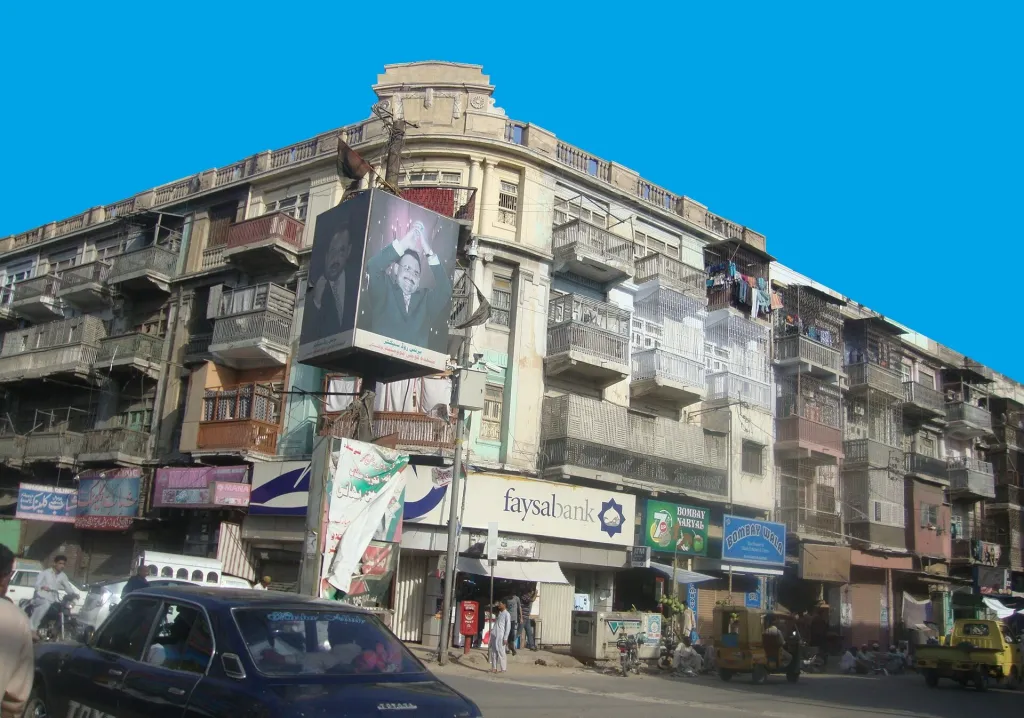
Burns Road in the old city is the symbolic heart of it all. It grew informally, without any official plan, as migrant families who settled around it after Partition opened food stalls and shops; some of them, local accounts say, had run food businesses before 1947. Its eateries still display photographs of founders from the 1940s and 1950s.

Fresco Chowk on Burns Road, Karachi's historic food street
Fresco Chowk on Burns Road, home of some of Karachi's oldest eateries.

Signature Dishes

What Karachi eats on the street, from breakfast to the small hours.

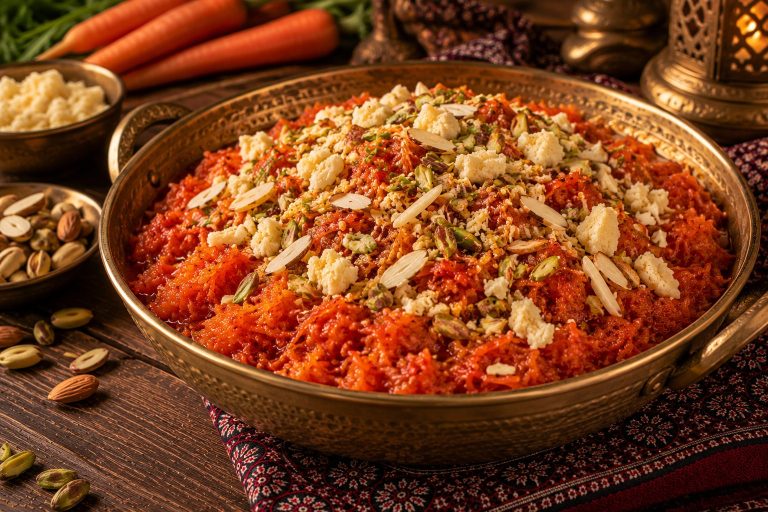
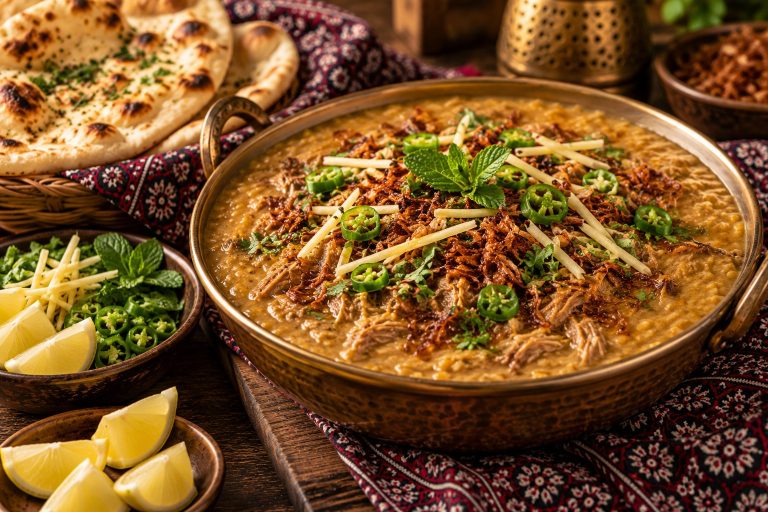
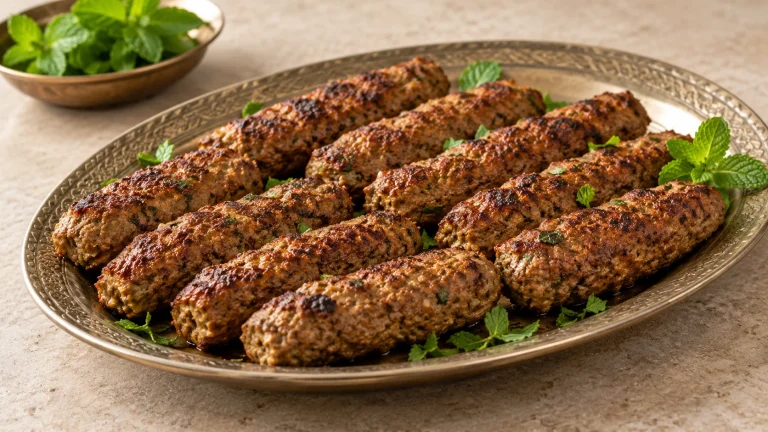
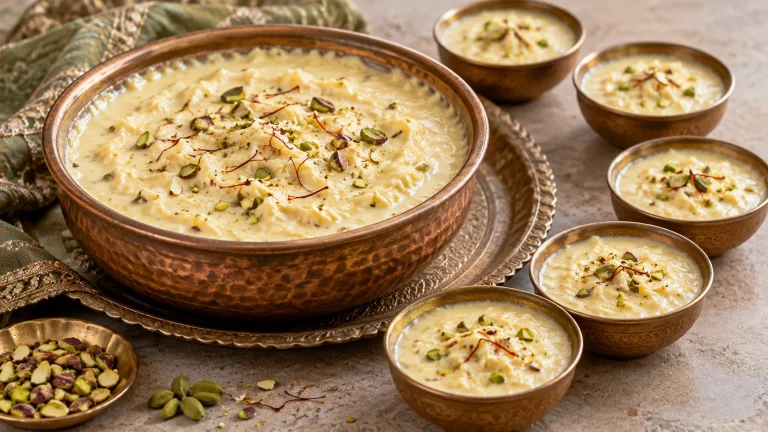
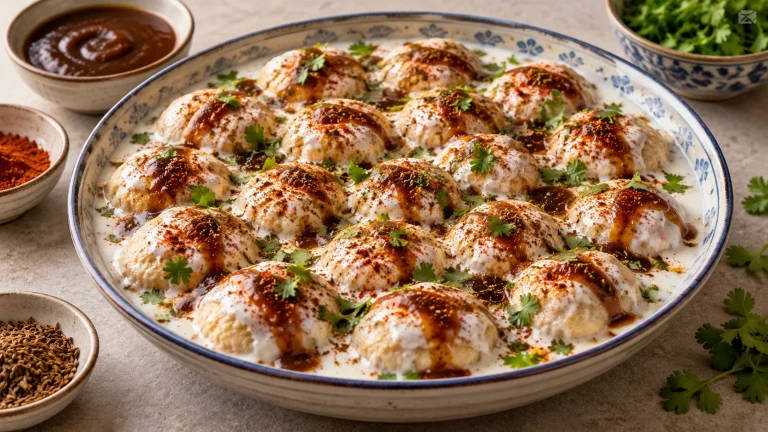
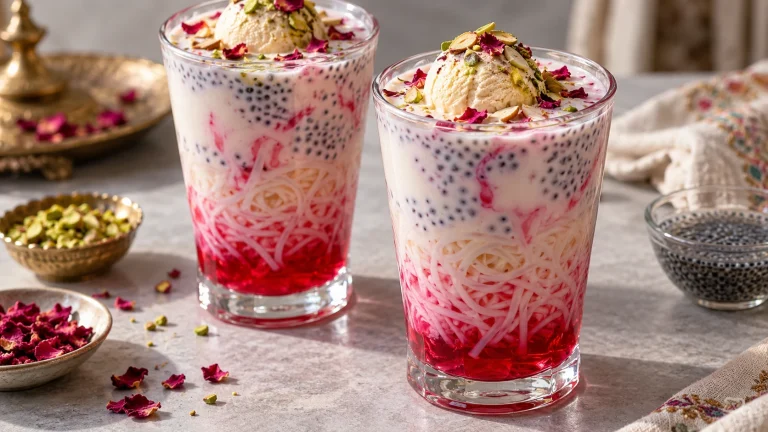
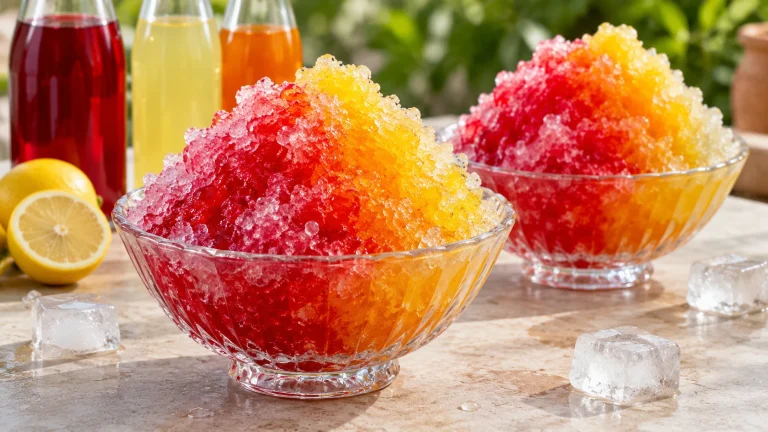
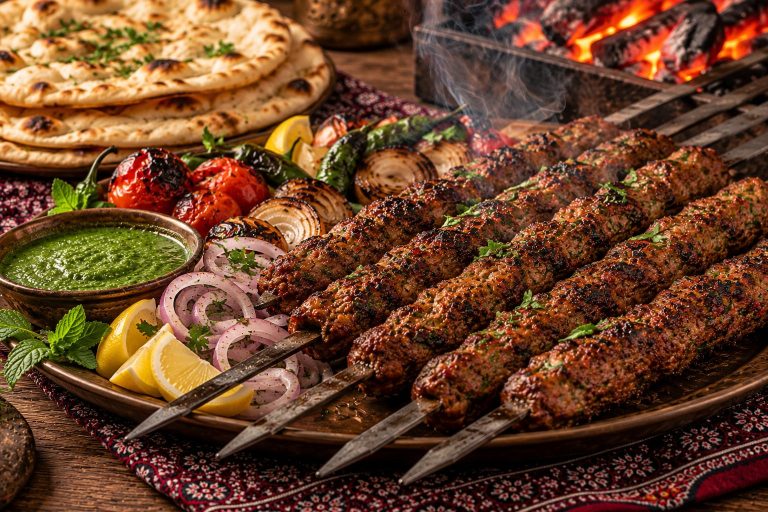
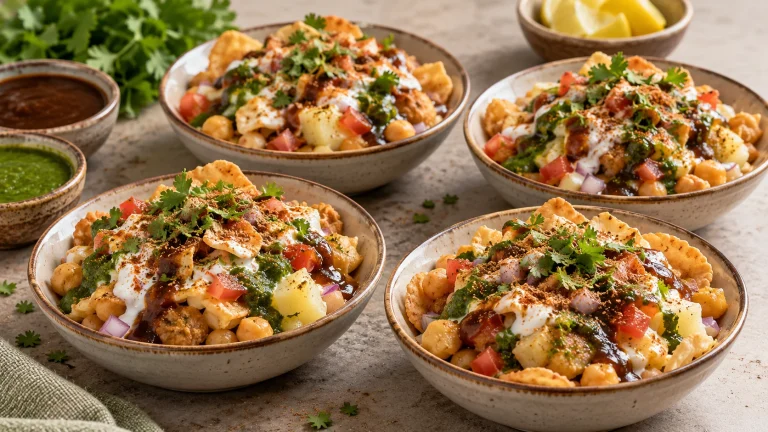
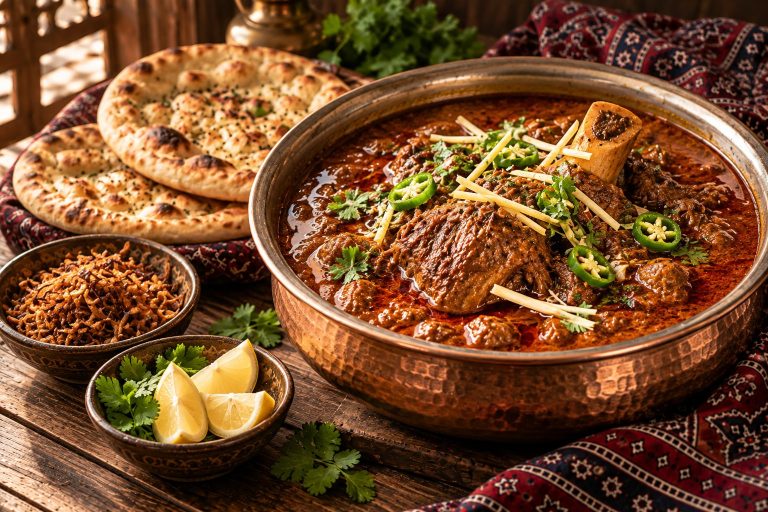
Beef Nihari: styled serving suggestion (illustration)NihariView recipeBeef shank slow-cooked overnight in a rich, spiced gravy, finished with ginger, green chillies, coriander and lemon, and eaten with naan, traditionally early in the day.BreakfastMeatBun Kebab: styled serving suggestion (illustration)Bun kebabView recipeKarachi's own sandwich: a lentil-and-meat or potato patty dipped in egg, fried on a griddle and stuffed into a bun with onions and chutney.Street foodBreadHaleem: styled serving suggestion (illustration)HaleemView recipeWheat, lentils and meat cooked to a velvety paste, garnished with fried onions, lemon, green chillies and coriander; especially popular in Muharram and Ramazan.FestiveKarachi biryaniBiryaniView recipeSpiced, layered rice and meat, sold in vast pots (degs) across the city; Karachi and Sindhi versions are known for their heat and potatoes.RiceDhaga Kebab — finished dishThread kebabsView recipeSoft minced-meat dhaga kebabs, a Karachi barbecue speciality. Seekh kebabs have a separate recipe below.BBQRabri — finished dishRabriView recipeMilk simmered for hours until thick and sweet, layered with its own skin and finished with nuts. In winter, the same shops sell gajar ka halwa.DessertDahi Baray — finished dishDahi barayView recipeLentil dumplings soaked in spiced yoghurt with chutneys, on Burns Road, sold from a great clay pot (matka).Street foodVegetarianGol Gappay: styled serving suggestion (illustration)Gol gappayView recipeCrisp hollow puris filled with chickpeas or potato and tangy spiced water. For a spoonable chaat, use the separate mixed-chaat recipe below.Street foodVegetarianFalooda — finished dishFaloodaView recipeA tall glass of rose syrup, vermicelli, basil seeds, milk and ice cream, the classic way to cool down.DrinkDessertGola Ganda — finished dishGola gandaView recipeShaved ice packed onto a stick or into a bowl and drenched in brightly coloured syrups, a seaside and summer favourite.DessertSummerSeekh Kebab: styled serving suggestion (illustration)Seekh kebabView recipeSpiced minced meat shaped on skewers and grilled.BBQMixed Chaat — finished dishMixed chaatView recipeChickpeas, potatoes, yoghurt and tangy chutneys in a street-food bowl.Street foodVegetarian

The Story of the Bun Kebab

The bun kebab is Karachi's signature street snack and, by most accounts, a fairly recent invention. A heritage project by the SOCH Outreach Foundation traces it to the 1950s, when it was sold from a mobile stall outside a cinema to people going to the pictures; Dawn has likewise linked the bun kebab to the city's cinema era and described it as a fast-food staple for about half a century.

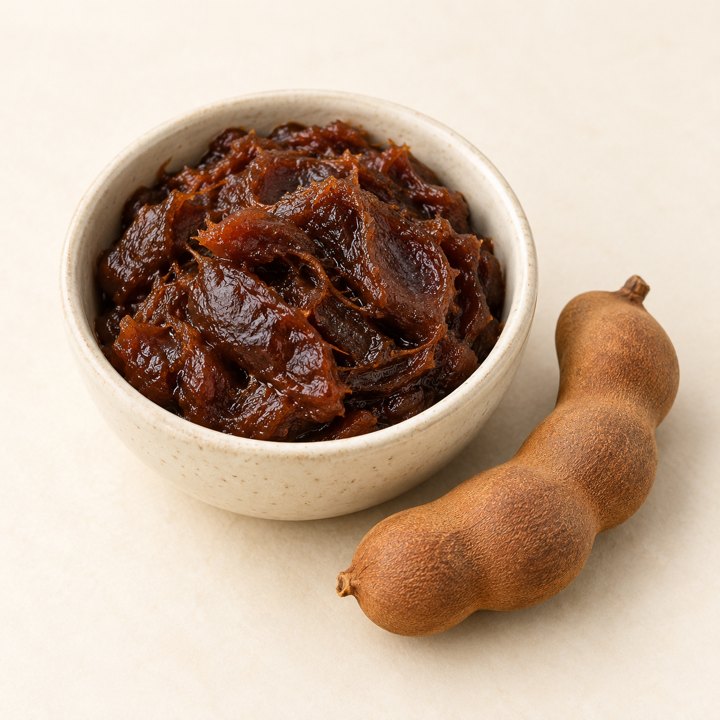
Early versions were sold from thelas (hand carts) outside schools and cinemas. The patty, made from lentils and meat, potato or shami kebab mixture, is dipped in beaten egg and fried on a griddle, unlike a flame-grilled burger, and the bun is fried alongside it. Onions, lettuce and a closely guarded green chutney of chillies, coriander, mint and tamarind complete it. Modern vendors add mayonnaise, chips or an extra egg, and offer square buns or hot-dog rolls.

Burgers only became common in Karachi in the 1980s and 1990s, and the bun kebab has held its own. Stalls cluster at Pakistan Chowk, Boat Basin, Saddar, Nursery and many other corners of the city.

Food Culture & Hospitality

A city of migrants' kitchens

Karachi's food tells the story of 1947. Nihari's origins are claimed by both Delhi, where it is said to have begun in the lanes around the Jama Masjid, and Lucknow, where it is linked to the kitchens of the Nawabs of Awadh; both traditions arrived in Karachi with migrants and grew into a city-wide passion. Haleem, rabri, kebabs and sweets followed the same route.

Communities such as the Memons, Bohras and Gujaratis brought their own snacks and sweets, while Sindhi, Baloch and Pashtun Karachiites added biryani, sajji and karahi to the mix.
Cook nihari

Explore
Beef Nihari: styled serving suggestion (illustration)

Eating out, day and night

Street food in Karachi is social. Office workers stop at tea stalls for doodh patti, families head to Burns Road or the seafront after dark, and late-night bun kebab and paratha stalls serve students and shift workers. Food is ordered for the table and shared.

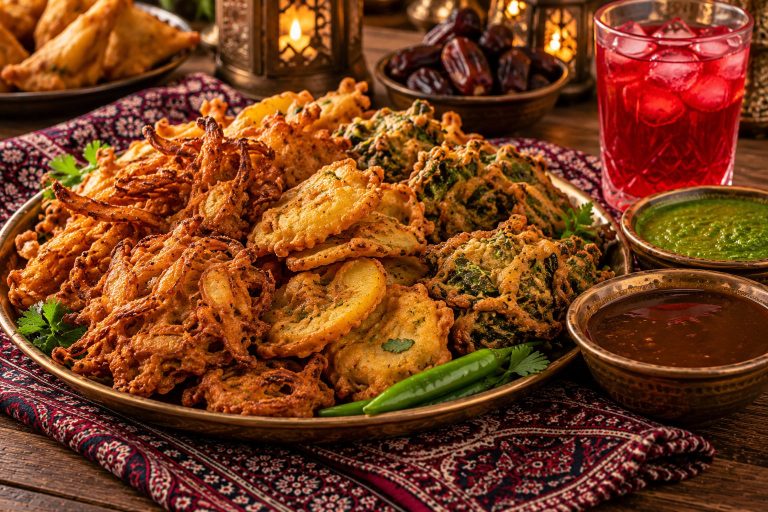
In Ramazan the city's rhythm changes completely: stalls sell pakoras, samosas, jalebi and dahi baray in the hours before iftar, and Rooh Afza, made in Karachi since Hamdard opened here in 1948, appears on almost every table.

Explore Karachi

Cook doodh patti

Explore
Doodh Patti — finished dish

Frequently Asked Questions

What is Karachi's most famous street food?

Nihari and the bun kebab are the two dishes most associated with Karachi, with biryani, haleem, chaat and Burns Road's rabri close behind.

Where did nihari originate?

Its origin is debated. Delhi tradition places it in the lanes around the Jama Masjid, while Lucknow links it to the kitchens of the Nawabs of Awadh in the late 18th century. The name is usually derived from 'nahar', morning, because it was eaten early in the day. Migrants brought it to Karachi after 1947.

What is a bun kebab?

A Karachi sandwich of a lentil-and-meat, potato or shami patty dipped in egg and fried on a griddle, served in a bun with onions and chutney. It dates back, by most accounts, to the 1950s.

Why is it called Burns Road?

It was named after James Burns, a Scottish doctor in colonial India. It was officially renamed Muhammad bin Qasim Road after Partition, but almost everyone still calls it Burns Road.

Is Karachi street food safe for visitors?

Choose busy stalls with high turnover, eat food that is cooked fresh and hot in front of you, drink bottled water and be cautious with uncooked chutneys and ice if you have a sensitive stomach.

How we know this

  • Type Food history
  • Sources 9
  • Reviewed October 2026
  • Disputed points None
9 sources
  1. Why Karachi's Burns Road will always be the pioneer food street of Pakistan, The Express Tribune (Khurram Zia Khan), 23 May 2018
  2. Karachi's Burns Road Preserves Partition-Era Flavours In Every Bite, The Friday Times (Tariq Khalique), 19 July 2025
  3. The battle of cuisines: Bun kebab vs burger, Dawn, 5 April 2015
  4. Bun Kabab: The King of Street Food, SOCH Outreach Foundation / Google Arts & Culture
  5. Food Stories: Nihari, Dawn (Bisma Tirmizi), 4 February 2014
  6. Food history: How nihari went from being the humble food of the poor to a dish for the high table, Scroll.in (Sadaf Hussain, excerpt from Masalamandi, Penguin India), 14 January 2025
  7. Ramazan, Pakistan and Rooh Afza: An ode to laal sharbats, Dawn (Fahad Naveed), 21 June 2016
  8. Pre-Iftar rush for traditional snacks intensifies in capital markets during Ramazan, Associated Press of Pakistan, 10 March 2026
  9. There's no sajji better than the one at Lehri Sajji House in Quetta, Dawn Images (Faisal Quraishi), 15 April 2022
Photo credits (11)
  • Fresco Chowk BarnceRoad - panoramio.jpg, khadim-un-nabi Rao, CC BY-SA 3.0, via Wikimedia Commons
  • Karachi Beef Biryani.jpg, Miansari66, CC0, via Wikimedia Commons
  • Beef Nihari (illustration), DailyLife.pk, Illustrative image
  • Bun Kebab (illustration), DailyLife.pk, Illustrative image
  • Haleem (illustration), DailyLife.pk, Illustrative image
  • Gol Gappay (illustration), DailyLife.pk, Illustrative image
  • Seekh Kebab (illustration), DailyLife.pk, Illustrative image
  • Pakoray (illustration), DailyLife.pk, Illustrative image
  • Sheer Khurma (illustration), DailyLife.pk, Illustrative image
  • Gajar ka Halwa (illustration), DailyLife.pk, Illustrative image
  • Karachi Skyline 1.jpg, Ktownboy103, CC0, via Wikimedia Commons
Suggest a correction

Stay updated

Stay Connected with DailyLife.pk

Get new travel guides, recipes and stories from across Pakistan, no spam, unsubscribe any time.

Your Pakistan journey starts here

From majestic mountains to vibrant cities, rich cuisine to timeless traditions — discover the real Pakistan with DailyLife.pk.