
Ingredients & Spices · The complete guide
Basmati rice (Basmati chawal)
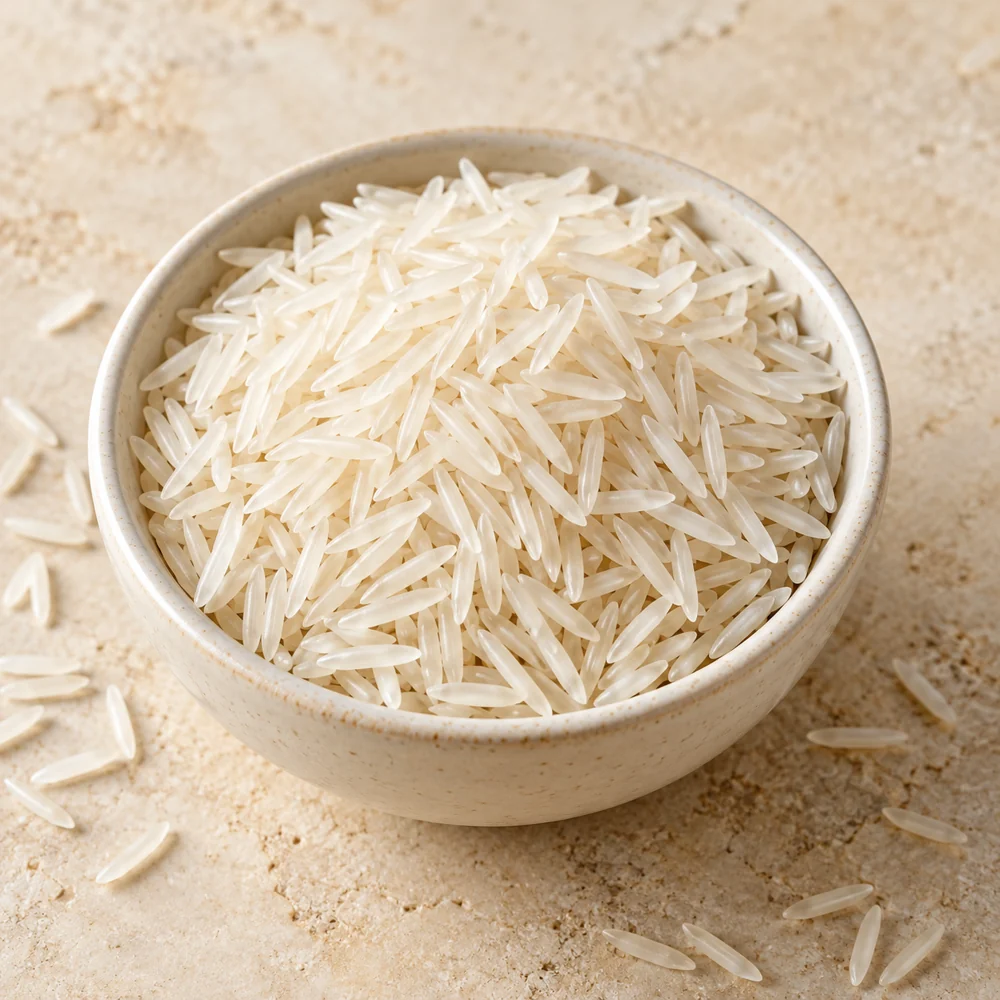
Basmati is an aromatic long-grain rice associated particularly with the Punjab and neighbouring foothill regions of Pakistan and India. Its fragrance and lengthwise expansion distinguish it from an arbitrary long-grain packet.
What it is and what to buy
Basmati is an aromatic long-grain rice associated particularly with the Punjab and neighbouring foothill regions of Pakistan and India. Its fragrance and lengthwise expansion distinguish it from an arbitrary long-grain packet. Aged white basmati tends to cook into separate grains; brown basmati retains the bran, while sella basmati has been parboiled before milling. These are useful choices for different methods, not interchangeable guarantees of a fixed water ratio.
Rice is the edible grain of Oryza sativa, a grass. In Urdu, chawal usually means the grain served as food, while dhan refers to paddy before milling. Removing the inedible husk produces brown rice; further milling removes much of the bran and germ to produce white rice. Grain length, aroma, milling and parboiling describe different properties, so a long grain is not automatically basmati and a white grain is not automatically short grain.
Origins and food history
Rice domestication involved generations of farmers rather than a recorded discoverer. Kew describes early domesticated rice from the lower Yangtze valley of China, around 6000 BCE, while distinguishing it from older evidence for gathering wild rice. South Asian rice has its own complex agricultural history. A general date for rice cultivation cannot establish the age of a particular aromatic variety, commercial brand, or modern cooking technique.
Reference: Kew: Asian rice.
Growing regions, trade and Pakistan
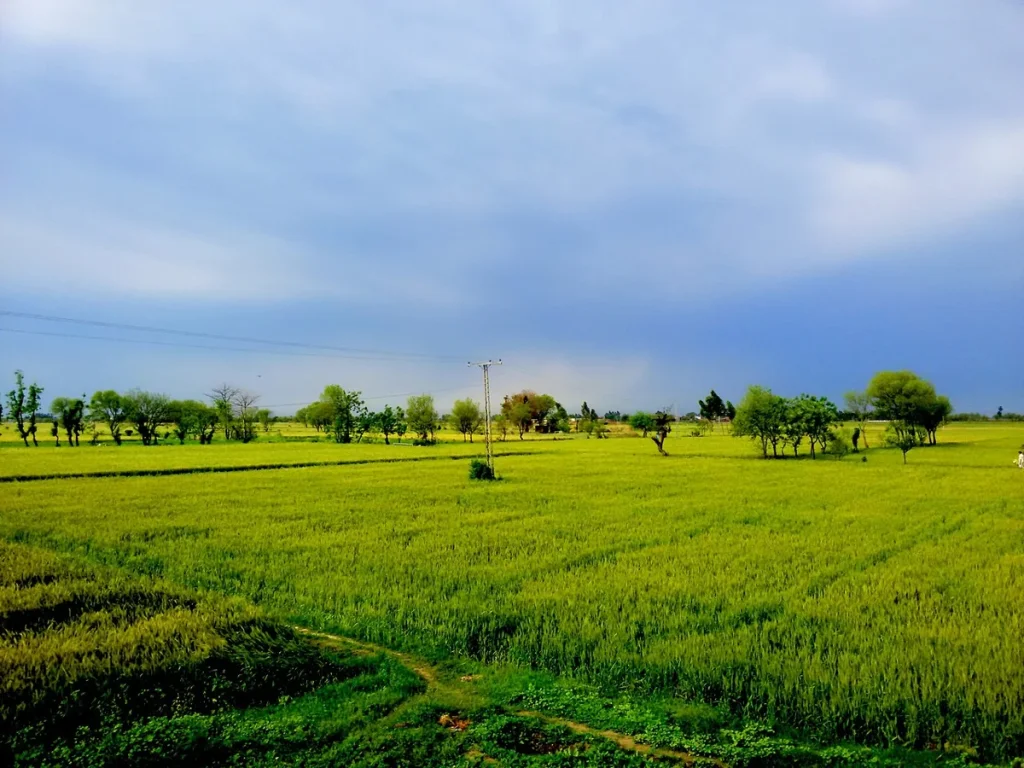
Rice is produced across China, India, Bangladesh, Indonesia, Vietnam and many other countries. Pakistan grows rice in irrigated agricultural systems and trades both aromatic basmati and non-basmati grain. India, Pakistan, Thailand and Vietnam are familiar exporting origins, with different varieties serving different markets. Country of packing does not necessarily identify the farm origin. Compare crop or lot details, variety, broken-grain percentage and milling style rather than assuming that an expensive packet is suitable for every rice dish.
Reference: CBI: grain, pulse and oilseed demand.
How to prepare and cook it
Rinse gently until excess surface starch is reduced, then soak if the recipe calls for it. Drain before measuring cooking water or adding to a boiling pot. For biryani, the rice may be partly boiled and finished on dum with meat and moisture; cooking it fully at the first stage risks broken, over-soft grains. Pulao instead usually relies on an absorption method with seasoned stock. Aged, new-crop, brown and sella rice all need different attention, so use the recipe and packet as guides and judge the grain rather than following one universal timing.
Put this form of the ingredient to work in Chicken Biryani; Haleem; Daal Chawal. The method in each recipe determines whether it should be raw, soaked, ground, freshly cooked or chilled before it enters the dish.
Nutrition, benefits and their limits
Plain rice supplies carbohydrate for energy, with modest protein and little fat before oil, butter or ghee is added. Brown forms retain more bran and fibre than polished white forms. Enrichment and fortification differ by product and country; washing practices also influence retention of added surface nutrients. Rice is naturally free of wheat gluten, but a seasoned mix may include gluten-containing ingredients. It is a useful meal component, best accompanied by vegetables and a meaningful protein source rather than treated as a complete diet.
Allergies, disadvantages and safe handling
Portion size and the rest of the meal matter for blood glucose; an aromatic name does not guarantee a low glycaemic response. Rice can accumulate inorganic arsenic from its growing environment. Eating a variety of grains helps avoid relying on one source every day. Cooked rice needs particular care because Bacillus cereus spores can survive cooking and grow during warm storage. Reheating cannot reliably undo every consequence of poor storage.
Practical substitutions
Ordinary long-grain white rice can stand in when separate grains matter, but the aroma and expansion will differ. Jasmine rice is softer and more cohesive. Short-grain rice is a poor match for a biryani designed around long distinct grains. Match the substitute’s cooking time before combining it with meat or vegetables.
Keeping it fresh
Keep uncooked grain dry, tightly sealed and protected from insects, humidity and strong odours. Brown rice has more exposed oil and loses freshness sooner than polished white rice. For cooked rice, divide into shallow portions and chill promptly, ideally within one hour. The UK Food Standards Agency advises refrigerating rice for no more than one day before reheating, reheating only once and ensuring it is steaming hot throughout. Freeze promptly if a later meal is planned; never leave rice cooling overnight on the counter.
For related ingredients and shopping terms, see the Pakistani ingredients and spices pantry guide.
Working with other forms of this ingredient
Cooked basmati rice
Cooked basmati is basmati grain after hydration and heat have gelatinised its starch. It may be freshly cooked for stuffing, or promptly chilled for fried rice. Those states are recipe instructions, not different species. Its cooked weight includes absorbed water, so a cup of cooked rice cannot replace a cup of dry rice. Seasoning also matters: leftover biryani or oily pulao is not equivalent to the plain cooked basmati specified in a fried-rice recipe.
Rice is the edible grain of Oryza sativa, a grass. In Urdu, chawal usually means the grain served as food, while dhan refers to paddy before milling. Removing the inedible husk produces brown rice; further milling removes much of the bran and germ to produce white rice. Grain length, aroma, milling and parboiling describe different properties, so a long grain is not automatically basmati and a white grain is not automatically short grain.
For fried rice, use plain grain that was cooked just tender, divided into shallow containers and chilled promptly. Separate cold clumps before frying and avoid overloading the pan. Add sauces sparingly so the grains fry rather than simmer. For a hot stuffing, follow the dish’s instructions and ensure the entire filling and surrounding meat reach safe doneness; the fact that the rice was already cooked does not prove the finished stuffed dish is safe. Keep cooked rice under refrigeration until needed rather than warming it repeatedly.
Put this form of the ingredient to work in Chicken Fried Rice; Egg Fried Rice; Murgh Musallam. The method in each recipe determines whether it should be raw, soaked, ground, freshly cooked or chilled before it enters the dish.
Names and forms used in our recipes
View the recipe names covered by this guide
- aged basmati rice
- aged basmati rice, dry
- aged basmati rice, raw dry
- basmati rice
- cooked and safely chilled plain basmati rice
- cooked basmati rice, freshly cooked
- cooked chilled rice
- cooked, rapidly cooled and refrigerated basmati rice
- cooked, safely chilled basmati rice
- dry aged basmati rice
- dry basmati rice
- dry basmati rice, rinsed
- dry basmati rice, washed
- dry sella or long-grain basmati rice
- white basmati rice
Frequently Asked Questions
Does basmati always need soaking?
No. Soaking can improve even hydration and shorten cooking, but the variety and recipe determine whether it is useful. Drain soaked rice well and adjust water accordingly.
Is sella the same as aged rice?
No. Sella describes parboiling, whereas ageing describes storage after harvest. A product may have both characteristics.
Keep Exploring
Related places and stories on DailyLife.pk

How we know this
- Type Explainer
- Sources 7 (2 official/academic)
- Reviewed November 2026
- Disputed points None
7 sources
Photo credits (1)
- RICE FIELDS IN PUNJAB, PAKISTAN.jpg, Faran104, CC BY-SA 4.0, via Wikimedia Commons
