
Ingredients & Spices · The complete guide
Plain yoghurt (Dahi)
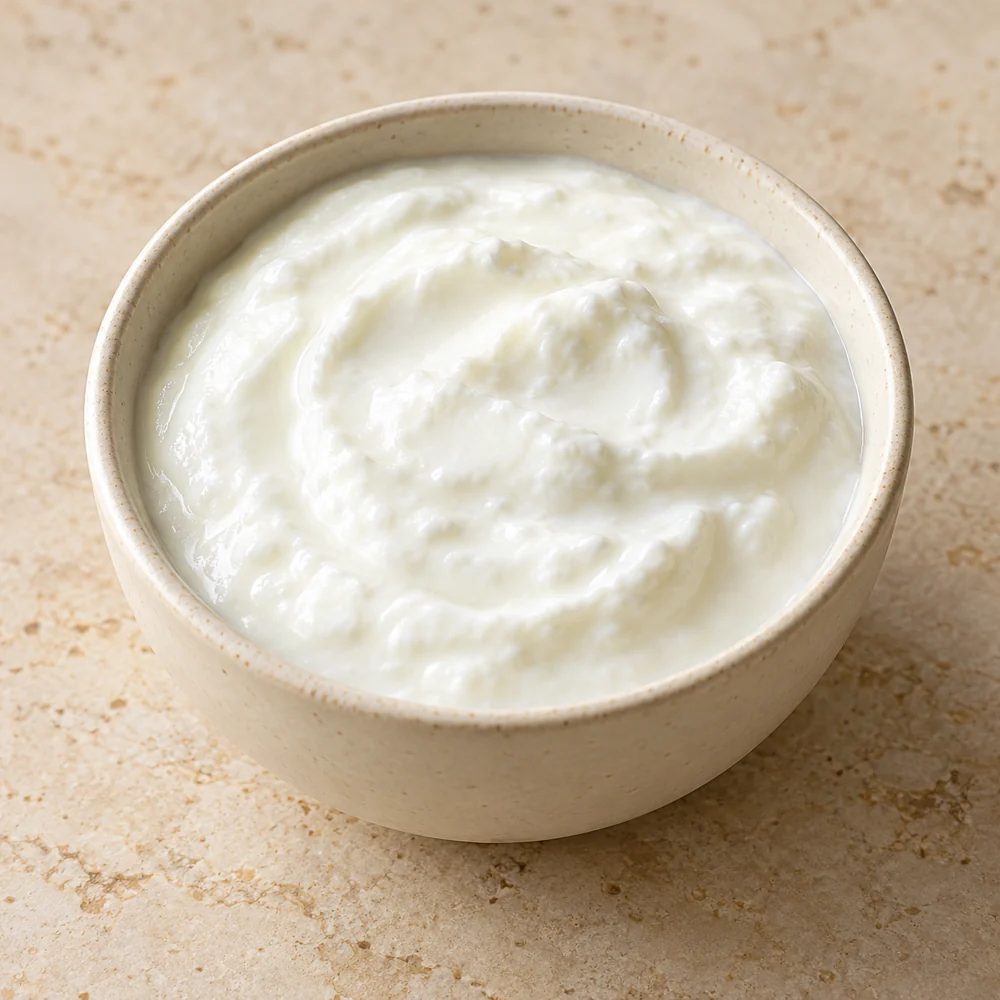
Plain yoghurt, dahi, is milk fermented by suitable lactic acid bacteria without added sweetener. Set, stirred, strained, whole-milk and reduced-fat versions differ in texture and milk-solids concentration.
What it is and what to ask for
Plain yoghurt, dahi, is milk fermented by suitable lactic acid bacteria without added sweetener. Set, stirred, strained, whole-milk and reduced-fat versions differ in texture and milk-solids concentration.
Choose plain unsweetened yoghurt and check whether it has been strained or thickened. Fruit yoghurt and sweet dessert yoghurt introduce flavours and sugar unsuitable for many savoury dishes.
History, production and the Pakistan context
Fermenting milk is an ancient preservation practice across several dairying regions. Defined starter cultures and controlled commercial fermentation later made acidity and texture more predictable.
Pakistan and India have strong dahi traditions; Türkiye, European countries and many other dairy markets also produce yoghurt. A Greek-style label describes texture or processing rather than necessarily geographic origin.

How to use it successfully
Whisk smooth before adding to a curry and add gradually over controlled heat. For raita, drain a very watery yoghurt or adjust added cucumber liquid; for marinade, remember that acidity does not sterilise raw meat.
Straining removes whey and changes the balance between solids and water. A thick strained yoghurt cannot always replace a thin dahi measure without adding some liquid. Separation of a little whey can occur naturally; stir it in for a looser texture or drain for thickness, provided the product has been safely stored and shows no spoilage.
Nutrition, benefits and limits
Yoghurt contributes protein and calcium, particularly when strained, but live-culture claims depend on the product. Fermentation does not reliably eliminate lactose, and milk allergy remains relevant.
Choosing a replacement
Cultured buttermilk is thinner; sour cream is richer. An unsweetened plant-based cultured product may work in some sauces but differs in protein, acidity and heat stability.
When changing a dairy product, compare moisture, fat, acidity, sweetness and whether it must melt, whip or hold its shape. Preserve the recipe’s functional balance rather than only the spoonful count. A substitute should also meet the household’s actual dietary requirement; similar texture does not establish identical allergen suitability.
Safe handling and storage
Use pasteurised dairy products from a reliable cold chain or correctly processed shelf-stable packs. UHT or canned products may be kept without refrigeration only while sealed and according to the label. After opening, follow refrigerated-use instructions and use clean utensils, noting the date instead of relying solely on an unopened best-before date.
Acidity, concentration and fat level explain why one dairy product may split, whip or thicken while another does not. Add to hot dishes gradually and use the heat level appropriate to the recipe. Fermented products are not a substitute for safe storage, and sourness is not a reliable test for all hazards; some dairy foods are intentionally sour while unsafe contamination can be less obvious.
Milk allergy involves proteins, whereas lactose intolerance involves difficulty digesting milk sugar. Heating, fermenting or concentrating a product does not automatically make it suitable for either condition. Compare the actual label for fat, protein, sugar and sodium, especially in sweetened or diluted products. Freeze only where appropriate for the intended use: texture may separate after thawing even when safely handled, making a cooked use more practical than whipping or drinking.
Planning, portions and serving
For raita, squeeze or drain very watery vegetables as needed and add them close enough to service that the texture remains controlled. For kadhi, follow the recipe's yoghurt-to-water and thickener proportions instead of using a strained product without adjustment. In marinade, keep some clean yoghurt separate for a serving sauce before raw meat is added. A plain fermented dairy food becomes a different dish once salt, sugar or substantial cream is mixed in.
Recipes and pantry links
Use plain yoghurt according to the form specified in the linked recipe: raw versus cooked, bone-in versus boneless, sweetened versus plain, and the stated cut or processing style all affect the result. The ingredient discussion above explains which differences matter most here. Read the complete recipe before shopping, then measure the prepared usable quantity rather than assuming every package has the same yield.
- Bombay Biryani
- Chicken Biryani
- Aloo Biryani
- Sultani Daal
- Chicken Malai Boti
- Fish Tikka
- Haleem
- Achari Chicken Karahi
- Lassi
- Chicken Korma
- White Mutton Karahi
- Chicken Tikka Masala
- Kachnar Sabzi
- Kadhi Pakora
- Malpura
- Murgh Musallam
- Vegetable Kofta
- White Biryani
- Mutton Rogan Josh
- Makhani Lassi
For related ingredient names, local terminology and flavour pairings, browse the Pakistani ingredients and spices pantry guide.
Names and forms used in our recipes
View the recipe names covered by this guide
- full-fat plain yoghurt (dahi)
- plain full-fat yogurt
- plain full-fat yogurt, whisked
- plain pasteurized whole-milk yogurt
- plain pasteurized yogurt
- plain pasteurized yogurt, whisked
- plain sour pasteurized yogurt
- plain thick yogurt
- plain unsweetened yogurt
- plain unsweetened yogurt, total
- plain unsweetened yogurt, whisked
- plain whole-milk yoghurt
- plain whole-milk yogurt
- plain yoghurt
- plain yogurt
- plain yogurt for gravy
- plain yogurt for marinade
- plain yogurt, whisked
- strained plain yogurt
- thick plain yogurt
- whisked plain yogurt
Frequently Asked Questions
Does a watery layer mean yoghurt has spoiled?
A little whey separation can occur naturally. Assess storage history, date and other spoilage signs; stir in for a looser texture or drain for thickness only when the product has been safely stored.
What should I check before buying plain yoghurt for these recipes?
Choose plain unsweetened yoghurt and check whether it has been strained or thickened. Fruit yoghurt and sweet dessert yoghurt introduce flavours and sugar unsuitable for many savoury dishes. Match the stated plain or flavoured form and read the storage directions before opening the pack.
What is a practical substitute for plain yoghurt?
Cultured buttermilk is thinner; sour cream is richer. An unsweetened plant-based cultured product may work in some sauces but differs in protein, acidity and heat stability. Make a small test where binding, melting or a delicate final texture is central, and adjust the recipe rather than treating different ingredients as identical.
Keep Exploring
Related places and stories on DailyLife.pk

How we know this
- Type Explainer
- Sources 8 (3 official/academic)
- Reviewed November 2026
- Disputed points None
8 sources
- FAO: dairy product types and characteristics
- FAO: milk processing
- FAO: traditional milk products in developing countries
- FAO: milk and dairy products in human nutrition
- OECD–FAO: dairy production and trade context
- FDA: raw milk questions and answers
- NIDDK: lactose intolerance definition and facts
- FDA: food allergies
Photo credits (1)
- Milk glass.jpg, Stefan Kühn, CC BY-SA 3.0, via Wikimedia Commons
