
Ingredients & Spices · The complete guide
Cumin seeds (Zeera / jeera)
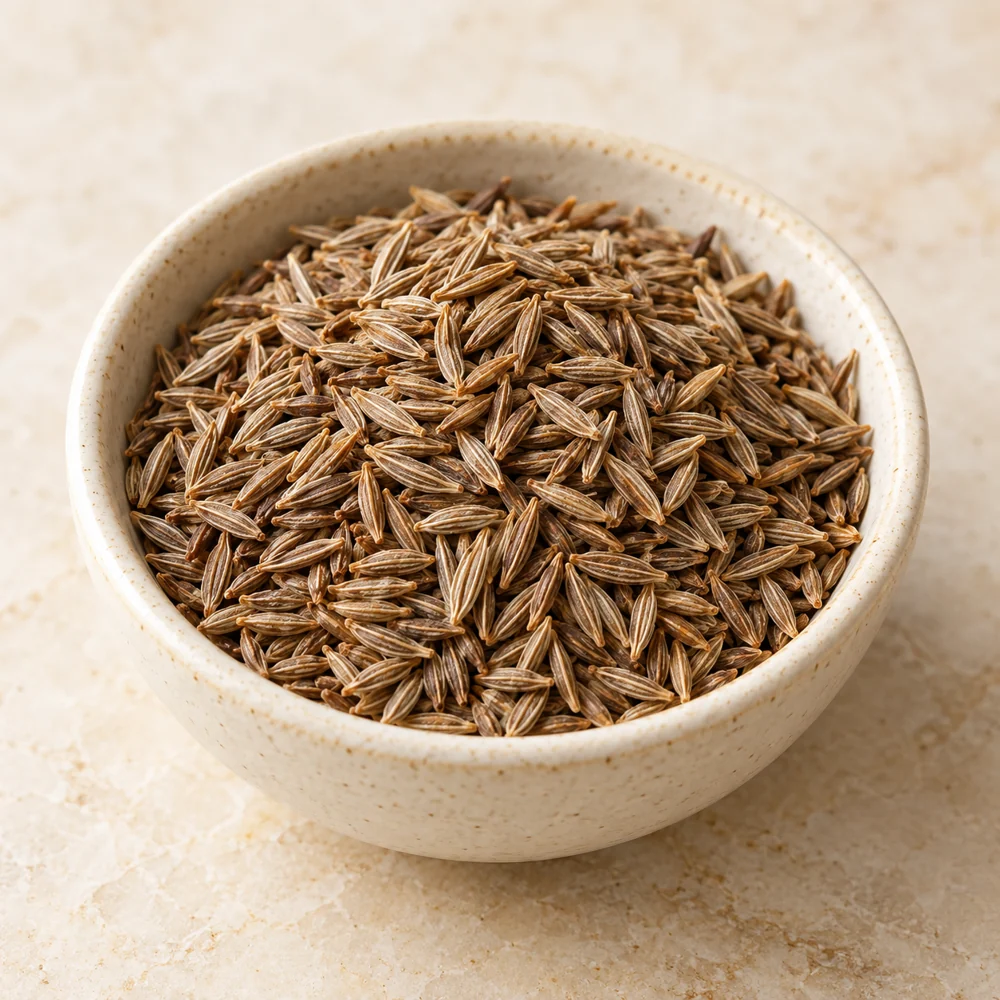
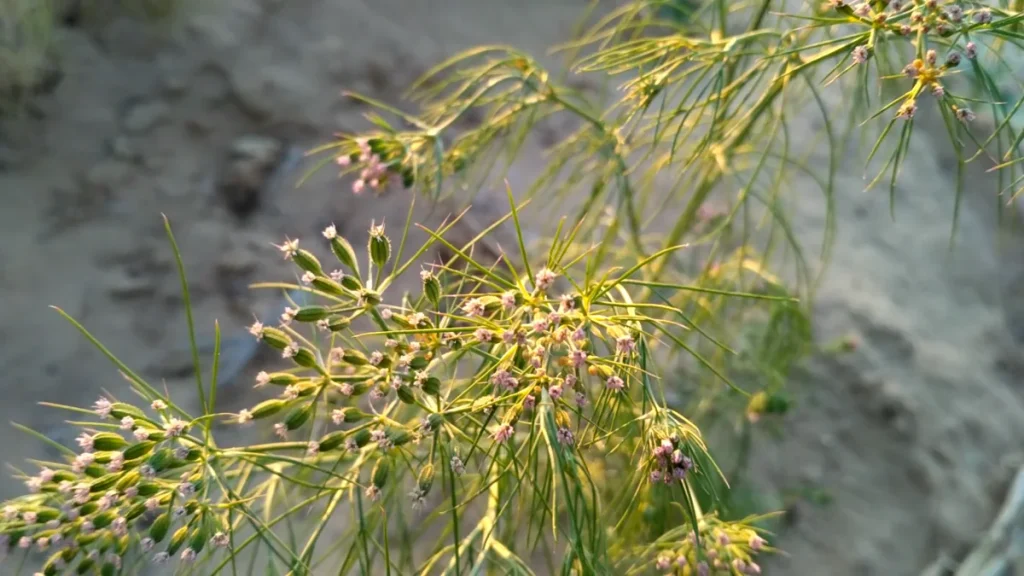
Cumin, zeera or jeera, is the dried fruit of Cuminum cyminum. Its tan ridged seeds have a warm earthy aroma.
What it is and names to know
Cumin, zeera or jeera, is the dried fruit of Cuminum cyminum. Its tan ridged seeds have a warm earthy aroma. Shahi jeera and kalonji are different ingredients, even where English packets loosely call them black cumin.
Origins, producing regions and Pakistan context
Cumin has old Eastern Mediterranean and West Asian food roots and a long-established place in South Asian cooking. Surviving written records indicate longstanding use; they do not reveal a first cook.
India, Türkiye, Iran, Syria and China are established producing countries. CBI identifies India and Türkiye as suppliers to European import markets, while Vietnam can process imported Indian cumin for re-export. The Netherlands imports and re-exports cumin rather than representing every exported lot as a local crop. Pakistan appears as a smaller supplier in the same trade evidence; a Pakistani retail pack can also contain imported seed, so crop origin and packing address should be distinguished.
Background: ICAR Indian Institute of Spices Research: crop profile.
Trade context: CBI: spice production and trade context.

Types and buying advice
Choose ordinary tan cumin for everyday zeera recipes, not angular kalonji or slender shahi jeera. Compare raw-ground and roasted-ground products separately.
How to cook with it
Bloom whole seeds in oil for aloo gobi, dal and rice. Dry-roasted crushed cumin gives raita, lassi and chaat a rounded finish. Ground raw cumin is useful in kebab and gravy mixtures.
Heat gently until the aroma rises and seeds darken slightly, then add the next ingredient. Very dark seeds taste bitter. Roast small batches rather than keeping a large jar of powder for months.
Raw-ground and roasted-ground cumin should be kept separately labelled if both are part of your cooking. The roasted version is particularly effective in a cold yoghurt dish, where the spice will receive no further heat. Whole seeds need only a brief bloom in a tadka. If they burn, discard that small oil mixture and restart rather than pouring bitter seeds over the dal. Correct timing makes a greater difference than using a generous extra spoonful.
Try the ingredient in Chapli Kebab, Aloo Gobi, Aloo Biryani. Follow each recipes specified form and quantity, since whole pieces and fine powder season food differently.
For related pantry ingredients, see the Pakistani ingredients and spices guide.
Nutrition and realistic benefits
At the quantities usually used in a household dish, the main benefit is flavour rather than a large contribution of protein, vitamins or minerals. Composition tables often describe 100 grams, far more than an ordinary serving. A small seasoning quantity should not be advertised as a practical way to meet a daily mineral requirement. Aromatic food can help make simple lentils, vegetables and rice appealing, but the whole meals balance of ingredients, salt and fat still matters.
Disadvantages and precautions
Do not equate cumin water or concentrated extracts with ordinary seasoning. Claims that it burns fat or cures digestive disorders are not a sound reason to increase culinary doses.
Dry spices are not sterile foods. FDA food-safety guidance explains practical handling. Buying from a traceable food supplier is more dependable than trying to judge safety from appearance alone.
Substitutions and storage
Ground cumin is the closest flavour substitute when seed texture is not needed, but a spoon of powder packs differently from a spoon of whole seed: begin with less, then taste. Caraway or shahi jeera changes the aroma.
Keep in a clean, tightly closed food container in a cool dry cupboard, away from the cooker and direct sun. Whole pieces generally retain aroma better than the same spice left ground. Date the jar when opened and buy an amount you can use while fragrant. Crush a small sample periodically: fading aroma means weaker flavour, while dampness, insects or a musty smell are reasons to discard it. Never tip a wet spoon into a dry-spice jar.
Working with other forms of this ingredient
Ground cumin
Cumin, zeera or jeera, is the dried fruit of Cuminum cyminum. Its tan ridged seeds have a warm earthy aroma. Shahi jeera and kalonji are different ingredients, even where English packets loosely call them black cumin.
Ground cumin, pisi zeera, can be raw-ground or roasted before grinding. These forms taste different: raw powder suits a cooked masala, while roasted powder is especially useful in raita and chaat. Choose deliberately rather than treating all brown powders as equivalent.
Bloom whole seeds in oil for aloo gobi, dal and rice. Dry-roasted crushed cumin gives raita, lassi and chaat a rounded finish. Ground raw cumin is useful in kebab and gravy mixtures.
Heat gently until the aroma rises and seeds darken slightly, then add the next ingredient. Very dark seeds taste bitter. Roast small batches rather than keeping a large jar of powder for months.
Raw-ground and roasted-ground cumin should be kept separately labelled if both are part of your cooking. The roasted version is particularly effective in a cold yoghurt dish, where the spice will receive no further heat. Whole seeds need only a brief bloom in a tadka. If they burn, discard that small oil mixture and restart rather than pouring bitter seeds over the dal. Correct timing makes a greater difference than using a generous extra spoonful.
Try the ingredient in Chicken Karahi, Aloo Paratha, Chana Chaat. Follow each recipes specified form and quantity, since whole pieces and fine powder season food differently.
For related pantry ingredients, see the Pakistani ingredients and spices guide.
Names and forms used in our recipes
View the recipe names covered by this guide
- crushed roasted cumin seed
- cumin powder
- cumin seed
- cumin seeds
- cumin seeds (zeera)
- dry-roasted crushed cumin
- ground cumin
- ground roasted cumin
- roasted crushed cumin seed
- roasted crushed cumin seeds
- roasted cumin
- roasted cumin powder
- roasted ground cumin
- whole cumin
- whole cumin seed
- whole cumin seeds
Frequently Asked Questions
Are raw-ground and roasted-ground cumin the same?
Raw-ground and roasted-ground cumin should be kept separately labelled if both are part of your cooking. The roasted version is particularly effective in a cold yoghurt dish, where the spice will receive no further heat.
What can I use instead of cumin seeds?
Ground cumin is the closest flavour substitute when seed texture is not needed, but a spoon of powder packs differently from a spoon of whole seed: begin with less, then taste. Caraway or shahi jeera changes the aroma.
What is the main caution with cumin seeds?
Do not equate cumin water or concentrated extracts with ordinary seasoning. Claims that it burns fat or cures digestive disorders are not a sound reason to increase culinary doses.
Keep Exploring
Related places and stories on DailyLife.pk

How we know this
- Type Explainer
- Sources 5 (1 official/academic)
- Reviewed November 2026
- Disputed points None
5 sources
Photo credits (2)
- Spice market @ Walled City @ Lahore (15449651456).jpg, Guilhem Vellut from Annecy, France, CC BY 2.0, via Wikimedia Commons
- Cumin plant, Rajasthan (1).png, राजू जांगिड़, CC BY-SA 4.0, via Wikimedia Commons
