
Ingredients & Spices · The complete guide
Tamarind (Imli)
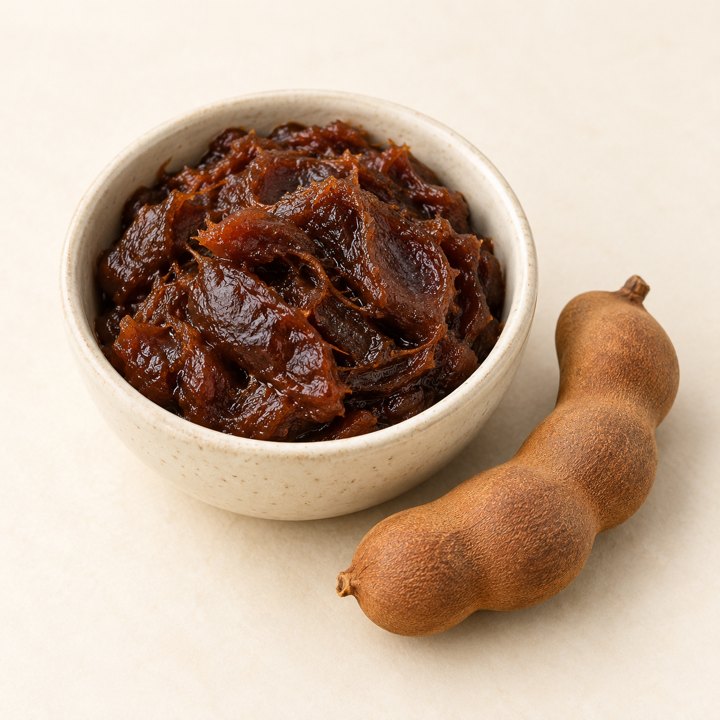
Tamarind, or imli, is the sour pulp surrounding seeds inside brown brittle pods of Tamarindus indica. Blocks, pulp and concentrates differ greatly in strength.
What it is and names used in Pakistan
Tamarind, or imli, is the sour pulp surrounding seeds inside brown brittle pods of Tamarindus indica. Blocks, pulp and concentrates differ greatly in strength.
Origin and historical context
The tree is associated botanically with tropical Africa and spread widely through tropical trade and cultivation. South Asian culinary use is longstanding but is not its only history.
Reference: Kew: Tamarindus indica species profile and history.
Types, manufacture and buying
Pulp is separated from shell and fibre, sold pressed with or without seeds, or processed into paste and concentrate. Some drinks and sauces add considerable sugar.
Identify whether the product is whole pods, a pressed block, loose pulp, ready-to-use paste or a concentrate. Each contains a different amount of water and may include seeds, fibres, salt or sugar. The word seedless reduces preparation work but does not guarantee an absence of fragments. Choose a pack size that suits the recipe frequency. A concentrated product can be economical but requires careful dilution; a tablespoon of one brand may be much stronger than the same quantity of another. Inspect clean packaging and a clear date.
Production, trade and the Pakistani pantry
India and Thailand have established commercial supply; tamarind is also grown in other tropical countries and sold extensively through Pakistani spice markets.
Cooking uses and practical substitutions
Soak a block in warm water, squeeze and strain for khatti daal or chana chaat. Add gradually because concentrate strength varies. Lemon gives acidity but lacks tamarind’s fruity body.
For a block or pod pulp, loosen with warm water, knead or squeeze gently and strain out seeds and fibres. Add the strained liquid in stages, tasting the dish before increasing it. A ready-to-use paste may need little preparation, while concentrate usually needs dilution. Balance acidity with the dish’s other ingredients rather than automatically adding sugar. When replacing with citrus, consider that lemon supplies a brighter aroma and less body. A sweet bottled chutney cannot be used as plain sour pulp without adjusting the recipe substantially.
Nutrition, benefits and limitations
Fruit pulp supplies carbohydrate and, when eaten rather than strained away, some fibre. Concentration and any added sugar change the nutritional contribution. In normal cooking the amount is often small, so claims about vitamins or minerals should be scaled to the serving rather than the whole block. Tamarind’s sourness comes largely from food acids and does not establish weight-loss, detoxifying or medicinal effects. Sweetened drinks and chutneys made from it may contribute considerably more sugar than the unsweetened cooking pulp. A varied diet supplies more benefit than reliance on one souring ingredient.
Check for seed fragments even in nominally seedless products. Sour pulp can be acidic enough to irritate sensitive mouths.
Practical notes and common mistakes
A tamarind block may include fibres and seed fragments even when it looks compact and smooth. Soak, squeeze and strain through an appropriate sieve, using the measured amount of water the recipe needs rather than an arbitrary large bowlful. Keep the extracted liquid and discard hard remnants. With concentrate, begin with less and taste after dilution. Kew’s species profile notes uncertainty around the tree’s earliest origin because of ancient cultivation, while its taxonomic distribution records are narrower; broad tropical-African association should not be presented as a proven single discovery location.
Storage and safe handling
Keep unopened products as the manufacturer directs and check that the seal is intact. After opening, follow refrigeration and use-within instructions; shelf stability before opening does not guarantee the same storage afterwards. Write the opening date on an infrequently used jar. Keep the rim clean and avoid returning sauce that has touched raw meat to the container. Discard products with mould, an unexpectedly swollen pack or other clear deterioration. Homemade adaptations should be refrigerated and made in modest batches unless a properly tested preservation method is followed.
Recipes and related pantry reading
Use the form and quantity specified in each recipe, then adjust for the concentration, salt and moisture of the product you have bought. These dishes show where the ingredient fits in a complete preparation.
For related local names and pantry ingredients, see the Pakistani ingredients and spices guide.
Names and forms used in our recipes
View the recipe names covered by this guide
- diluted tamarind concentrate
- ready-to-use thai tamarind cooking pulp
- seedless tamarind block
- seedless tamarind pulp
- strained tamarind pulp
- tamarind concentrate
- tamarind pulp
- thick tamarind paste
Frequently Asked Questions
Does seedless tamarind need checking?
Yes. Small seed or fibre fragments can remain, so straining may still be useful.
Can lemon replace imli?
It supplies acidity, but lacks tamarind’s fruity body and changes the flavour.
Keep Exploring
Related places and stories on DailyLife.pk

How we know this
- Type Explainer
- Sources 2 (1 official/academic)
- Reviewed November 2026
- Disputed points None
