
Ingredients & Spices · The complete guide
Meat Yakhni: Build FlavourControl Salt and Cool Stock Safely
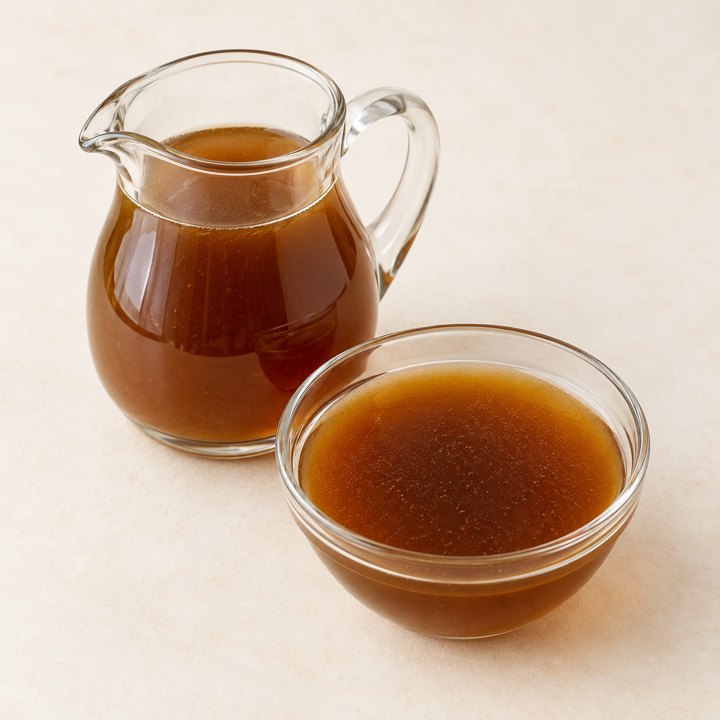
Yakhni is a broth made by cooking meat, bones and aromatics in water; its exact form varies with the household and the dish it will support.
Choose a broth goal before buying bones
Yakhni is a broth made by cooking meat, bones and aromatics in water; its exact form varies with the household and the dish it will support. A light cup to drink, the liquid for pulao and a concentrated stock for gravy need different strengths and seasoning. Decide which one you want before shopping. Bone-heavy stock gives a different yield and nutritional contribution from a soup containing substantial edible meat.
Ask for the species as well as the cut. Goat and lamb shank, joints and some trimmed meaty bones can provide both broth flavour and usable meat. Beef marrow bones add richness but do not replace meaty cuts when the meal needs a substantial protein portion. Chicken stock has a separate cooking pathway, and any poultry meat must reach 74°C. For a predictable result, use identified ingredients in known amounts rather than an unlabelled bag of scraps whose storage and previous use are unclear.
Buy food-grade stock ingredients and handle them cold
Ask the butcher for food-grade bones and meaty cuts prepared for stock, their species and the cut size. Request safe professional cross-cutting of large bones; do not try to split them with an ordinary kitchen knife. Reject scraps with unknown handling, obvious spoilage or a history of being left warm. Roasting, a long simmer or strong spices cannot be relied on to rescue an ingredient that should not enter the kitchen.
Transport the package in a cool bag and store it contained in the refrigerator. Follow the storage guidance for the actual ingredients and the supplier's date; raw organs, if included, have a short 1–2 day window and should not be treated like an intact roast. It is often easier to use separately identified meaty bones than to combine every leftover raw part into one pot. Decide how much stock you can cool safely before filling the pot. Clear refrigerator space and prepare shallow containers or freezer portions at the beginning, not when a large hot batch is ready at bedtime.
Match marrow, joints and meat to the result
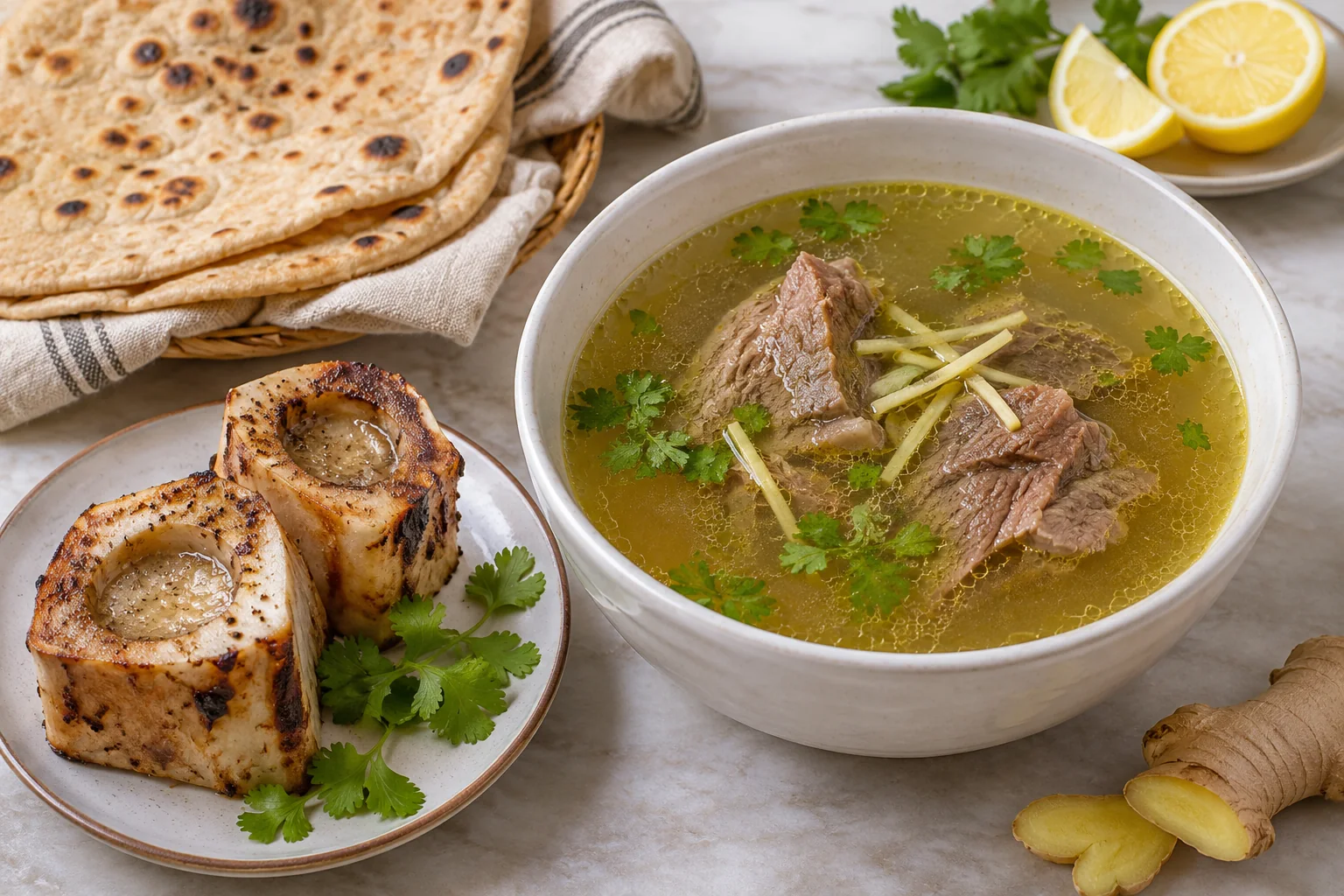
Marrow is the soft fatty material inside certain bones. Cooked marrow can enrich a dish, but a spoonful is primarily a rich culinary addition rather than a substitute for a lean meat portion. Joints and connective tissue can add gelatinous body through slow cooking. Shank or another meaty cut contributes more edible meat. A stock can taste full and set firmly when chilled while still containing little meat in each serving.
A familiar claim is that bone broth heals joints, rebuilds cartilage or supplies abundant calcium. The appearance and firmness of homemade yakhni do not establish any of those effects. Ingredient ratios, cooking conditions and dilution vary, so do not promise a fixed dose of protein or minerals from an unmeasured bowl. Enjoy it for flavour and usefulness in cooking. For a complete soup meal, deliberately include suitable meat or another protein food, vegetables and an appropriate staple rather than assuming strained broth alone supplies everything needed.
Choose a practical broth alternative
Chicken and fish stocks are useful alternatives when they suit the dish, but they do not share one extraction schedule with beef or goat bones. Vegetable stock offers another flavour base, and unsalted prepared stock can be useful when its label and ingredients fit the eater. A stock cube mixed with water is a seasoning product, not nutritionally equivalent to a soup containing edible meat. Match the substitute to the recipe and adjust salt after tasting the cooked dish.
Cook gently, separate solids and strain carefully
Follow a tested recipe for the meat and the intended use. Add the measured water and aromatics, bring the pot into its cooking stage promptly and maintain the directed simmer. Skim foam if desired for appearance and clarity, but do not treat skimming as a food-safety step. Check the liquid and the base during a long cook. Reduce the finished stock only as much as the next recipe needs, and remember that both salt and flavour become stronger as water evaporates.
Meat should reach the appropriate safe endpoint for its species and preparation; tenderness and extraction may need additional cooking. Do not advertise one universal number of minutes for shanks, marrow bones and a mixed stock pot. Pressure cooking requires the manufacturer's fill, liquid and release instructions, with attention to foaming liquids. When the cook is complete, lift solids with clean tools and strain through a suitable fine sieve into a clean vessel. Inspect the recovered meat and discard hard fragments; do not blend bones or assume a coarse colander removes every small chip.
Label frozen stock with the species, date and whether it contains salt. A heavily salted reduced stock is easy to confuse with a light drinking broth once both have frozen. Meal-size portions help avoid thawing a large container just to take a few spoonfuls, and the label makes the next recipe easier to season accurately.
Control the salt and serve according to the eater
For stock that will be reduced or used in pulao, start with restrained salt and make the final adjustment in the finished dish. Stock cubes, ready-made seasoning, sauces and salted accompaniments can add sodium even when little salt was added from a spoon. Chilling and lifting off a firm fat layer can reduce visible surface fat, but the technique does not make every stock fat-free. Marrow-heavy stock remains a different choice from a light trimmed-meat broth.
Someone with a prescribed fluid limit needs to count broth as fluid, and someone with kidney disease may have individual protein, sodium, potassium or phosphorus requirements. NIDDK kidney-disease nutrition advice explains why needs vary. Gout advice may also affect rich meat extracts and organ-containing broths. A cup of yakhni should not replace prescribed treatment, oral rehydration therapy when needed, or the balanced intake required during recovery. If appetite is poor, discuss sustained difficulty eating with the care team rather than relying on repeated cups of nearly meat-free stock.
Plan the batch and the complete meal
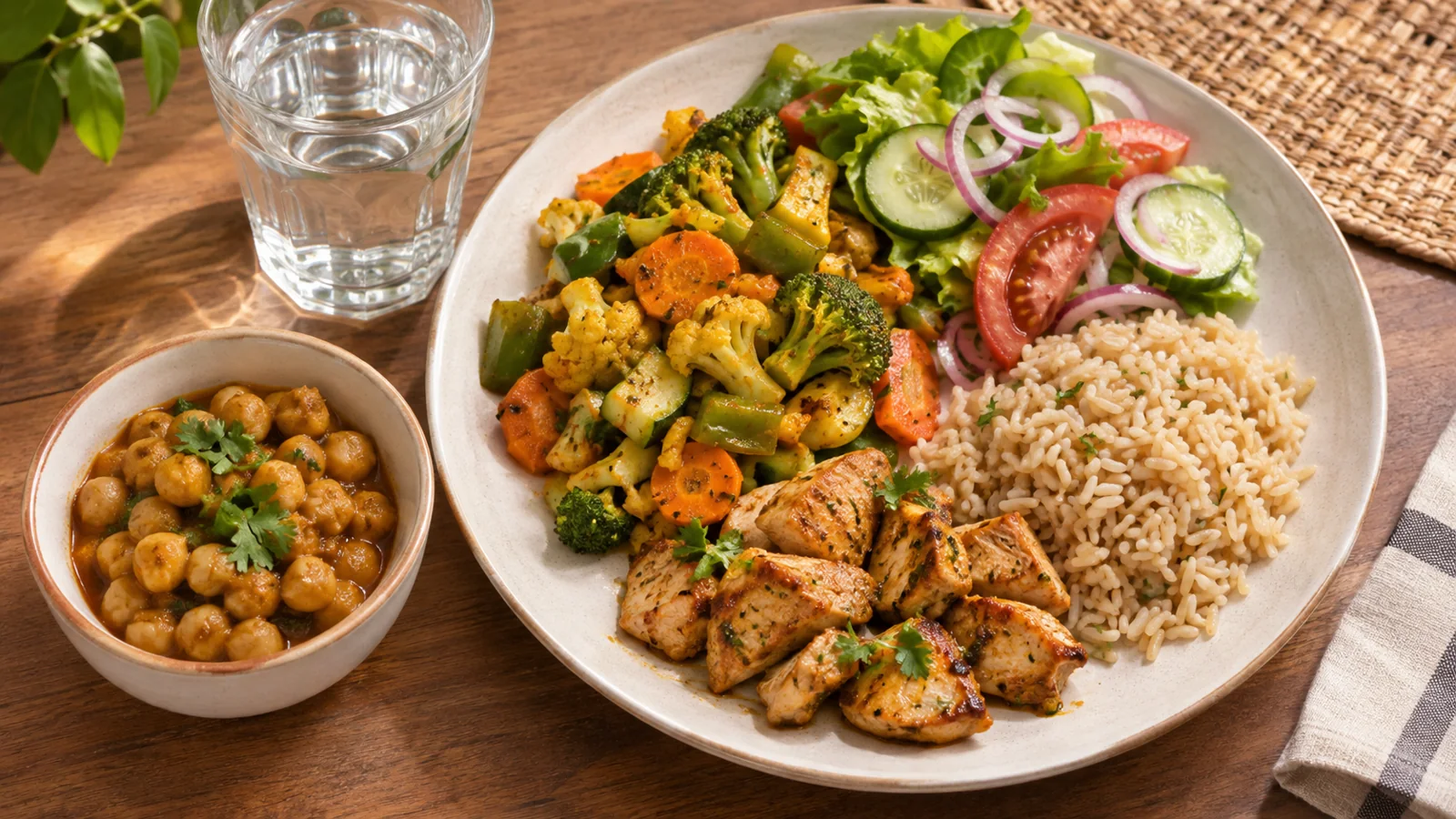
Plan the complete meal before deciding how much to buy. Account for trimming and bone separately from edible food, and consider whether leftovers can be cooled and stored within the available refrigerator space. A smaller well-prepared batch can be easier to serve promptly than a large pot held while guests arrive. Keep salad, chutney and bread preparation separate from raw work, then bring clean serving tools to the table. Let the distinctive texture of the ingredient guide how it is cut and served.
Cool the stock in portions and reheat thoroughly
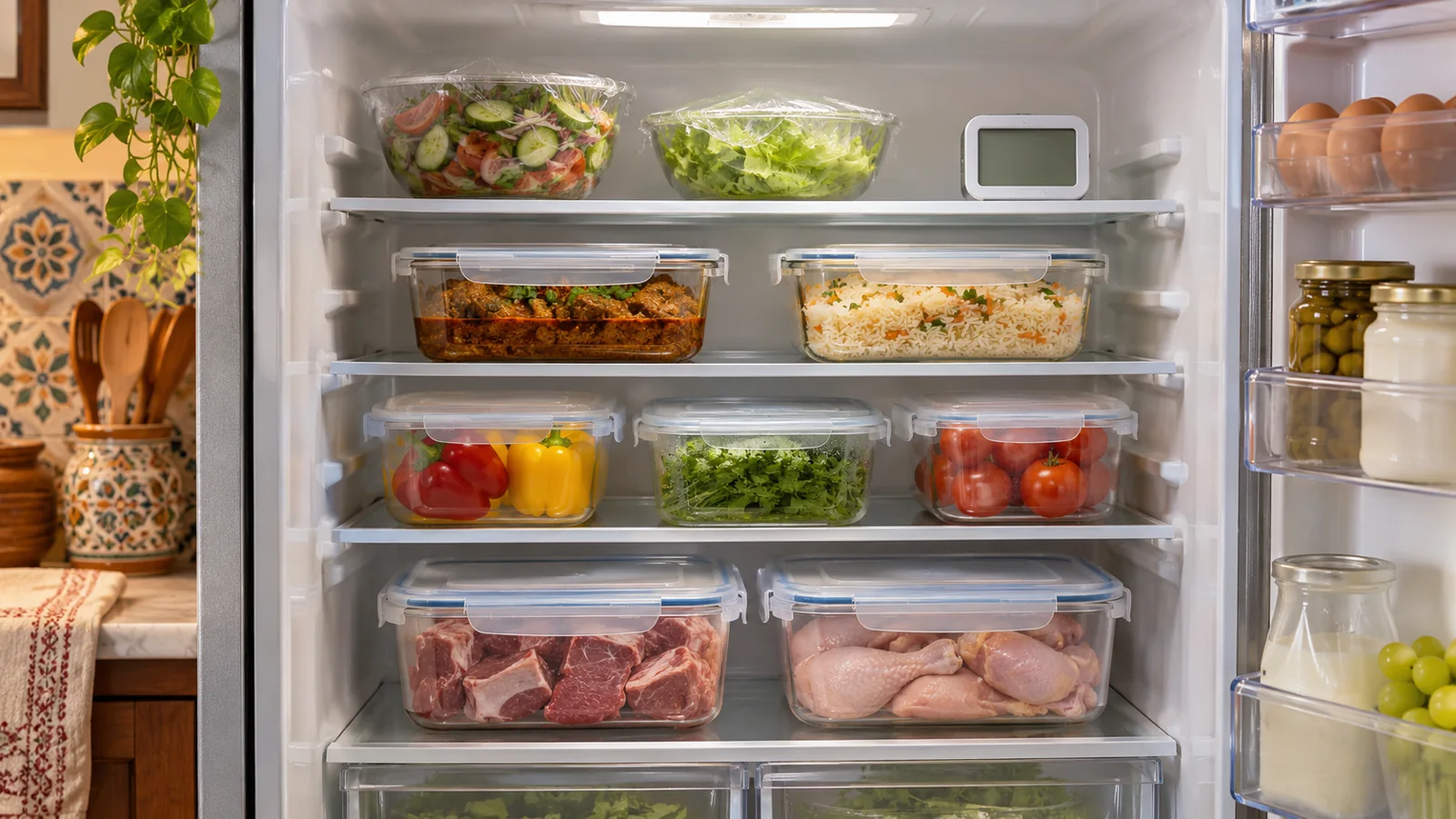
Do not cool a deep pot by leaving it on the stove overnight. Divide the stock into small shallow containers promptly; use an ice-water bath around a suitable container if needed while stirring with a clean utensil, then refrigerate. Per FDA food-storage guidance, refrigerate within two hours, or one hour when the air is above 32°C, and keep the refrigerator at 4°C or colder. A gelled appearance the next morning says nothing about whether the earlier cooling was safe.
Properly handled refrigerated cooked stock generally keeps 3–4 days. Freeze labelled meal-size portions if it will not be used in that window, leaving expansion space in suitable freezer containers. Reheat only the amount needed to 74°C and bring soup or gravy to a boil, stirring for even heating. USDA leftover guidance supports the storage window. Repeatedly boiling yesterday's pot is not a way to restart storage indefinitely. Compare chicken stock, fish stock and offal and paye, then use the recipe collection for the intended dish and the complete handling guide for storage.
If saving cooked meat from the stock, keep it in an appropriate clean container and plan its own serving or cooling promptly. Do not leave it on the counter while the liquid reduces for another hour. A clear strained stock and a meat-filled soup can share a starting pot while needing different final handling and meal planning.
Choose a recipe for this ingredient and form
Read the complete recipe before shopping and match its animal, exact part and raw or pre-cooked form. Prepared usable weight is more useful than the untrimmed package weight. A recipe title does not replace the buying and safety checks in this guide. Follow the appropriate species and ingredient endpoint, then assess the eating texture separately. These existing recipe and pantry links can help select a method:
Names and forms: specify the actual ingredient
Yakhni, broth and stock can describe liquids of different strength. Identify whether the recipe needs a light seasoned soup, an unsalted cooking liquid or reduced stock. Marrow bones, joints and meaty shank are different inputs. Label stored portions with the species and salt status so the next use is clear.
Frequently Asked Questions
Does gelled yakhni prove a high calcium or joint-healing benefit?
No. Homemade yakhni varies in meat, bone, fat and dilution. Gelatinous body does not prove a reliable calcium dose or a joint-healing effect.
How should I cool and store a large batch of yakhni?
Divide hot stock into small shallow portions and refrigerate promptly, within two hours or one hour above 32°C. Do not leave a deep pot out overnight or use repeated boiling to extend storage indefinitely.
Keep Exploring
Related places and stories on DailyLife.pk

How we know this
- Type Explainer
- Sources 3 (3 official/academic)
- Reviewed November 2026
- Disputed points None
