
Rabri
Thickened, sweetened milk is the sweet most often associated with the city in local travel writing. Try it fresh from a sweet shop rather than packed, and eat it the same day.
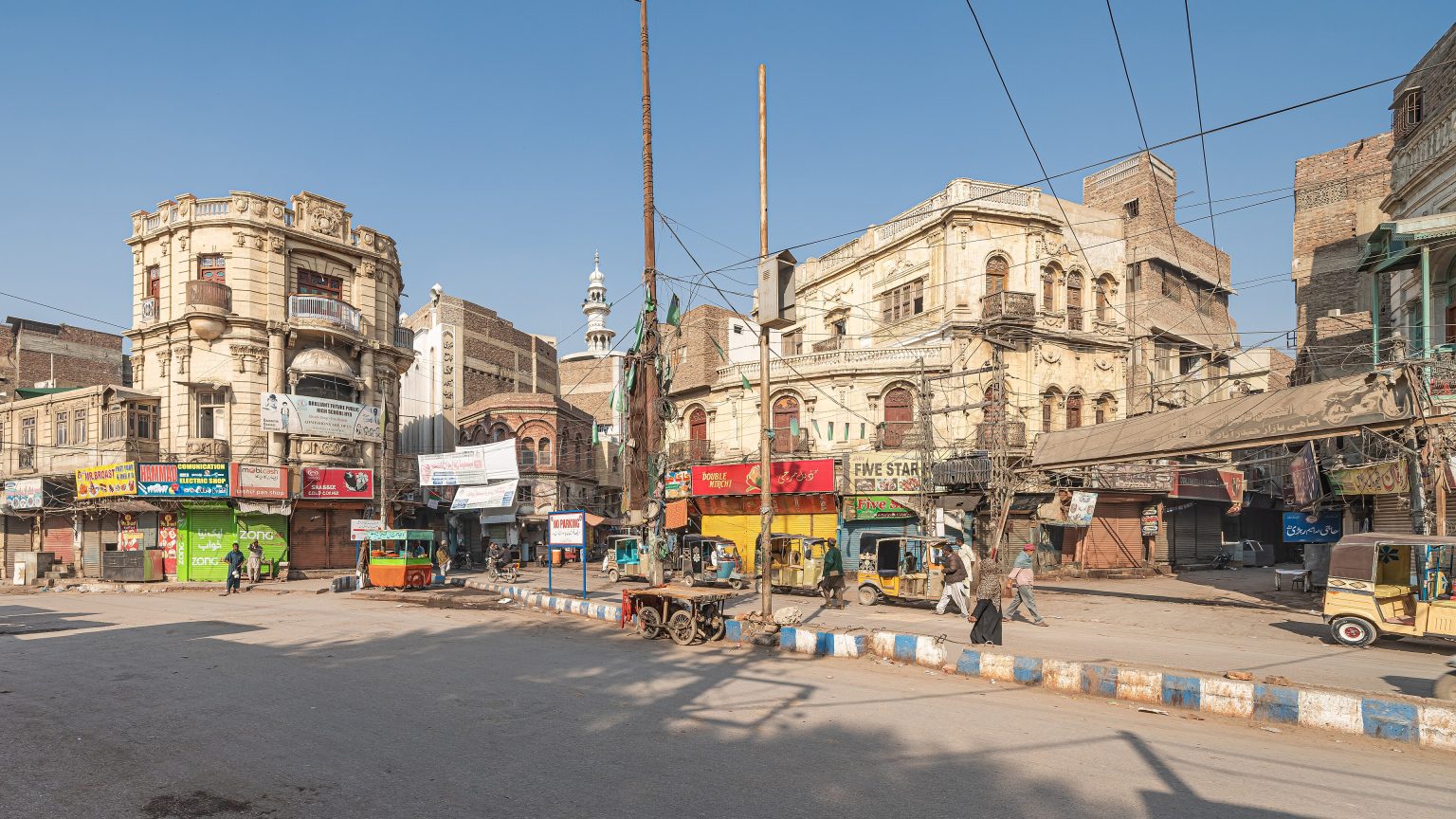
Travel in Sindh
A practical guide to Sindh's second city, from the old fort and Shahi Bazar to glass bangles and day trips from Karachi.
Hyderabad is the second largest city of Sindh, standing on the east bank of the Indus about 150 km from Karachi. It was founded in 1768 by Mian Ghulam Shah Kalhoro and later became the seat of the Talpur Mirs, which is why its old centre still holds a fort, a long bazaar, tiled tombs and a handful of heritage houses. At the 2023 census the city had a population of 1,921,275.
Most visitors come for three things: Pakka Qila and the bazaar that runs away from its gate, the glass bangle trade that supplies almost the whole country, and the city's sweets, especially rabri. It works well as a long day trip from Karachi, or as a first stop on a heritage route into interior Sindh. Our general city page is at Hyderabad city profile; this guide goes into the practical detail.
The Kalhora ruler Mian Ghulam Shah founded Hyderabad in 1768 on Ganjo Takkar, a limestone ridge on the eastern bank of the Indus. He moved his capital here from Khudabad after floods on the river. The city takes its name from Ali, the fourth caliph, and it is often translated as the "Lion City".
Power then passed to the Talpurs. Mir Fateh Ali Khan Talpur took Hyderabad in 1775 and moved his capital here in 1789. The Talpur period ended when the British defeated the Mirs of Sindh in 1843, with the Battle of Hyderabad on 24 March 1843 recorded as the final step in the conquest of the province. The capital then shifted away, and Hyderabad became a regional commercial and administrative city.
After 1947 the city grew quickly. The University of Sindh, which was founded in Karachi in 1947, moved to Hyderabad in 1951, and Liaquat University of Medical and Health Sciences was founded in nearby Jamshoro in the same year. For the wider story of the province, see the districts of Sindh.
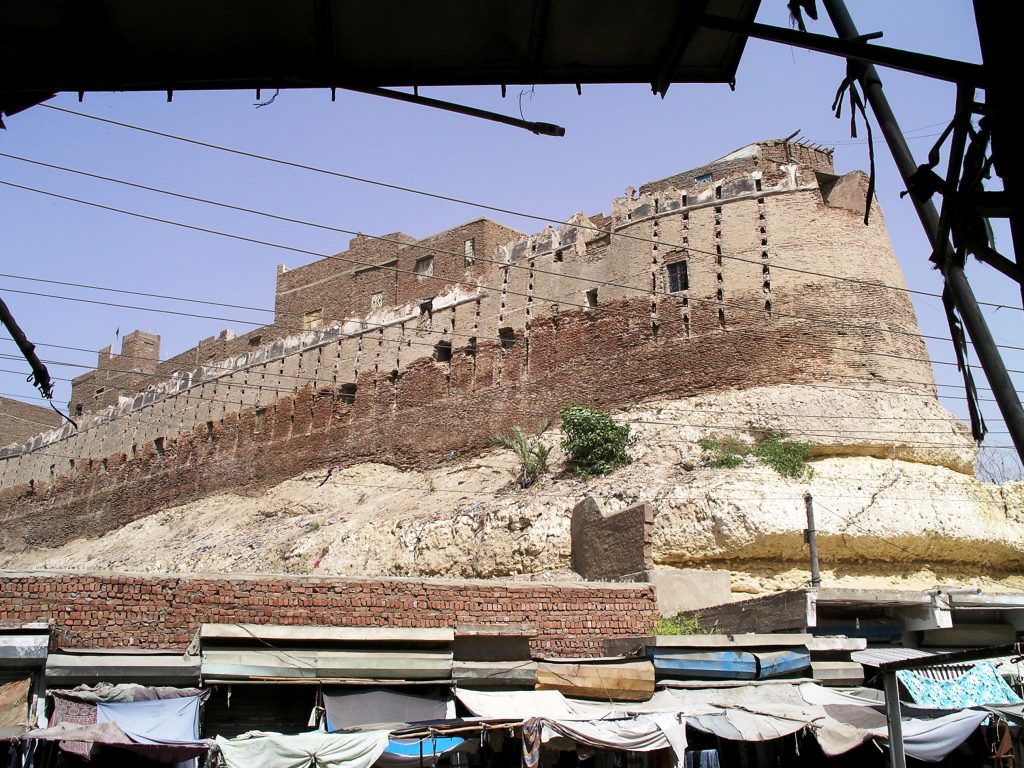
Pakka Qila, meaning "strong fort" in Sindhi, was ordered in 1768 and completed in 1769. It was built of baked clay brick on the ridge, covers about 36 acres, and served as the Talpur residence. The British later used it for the province's arsenal, and later explosions and demolitions destroyed much of the original architecture. What survives is a battered but atmospheric enclosure, and published accounts describe it as open to visitors but in serious need of repair.
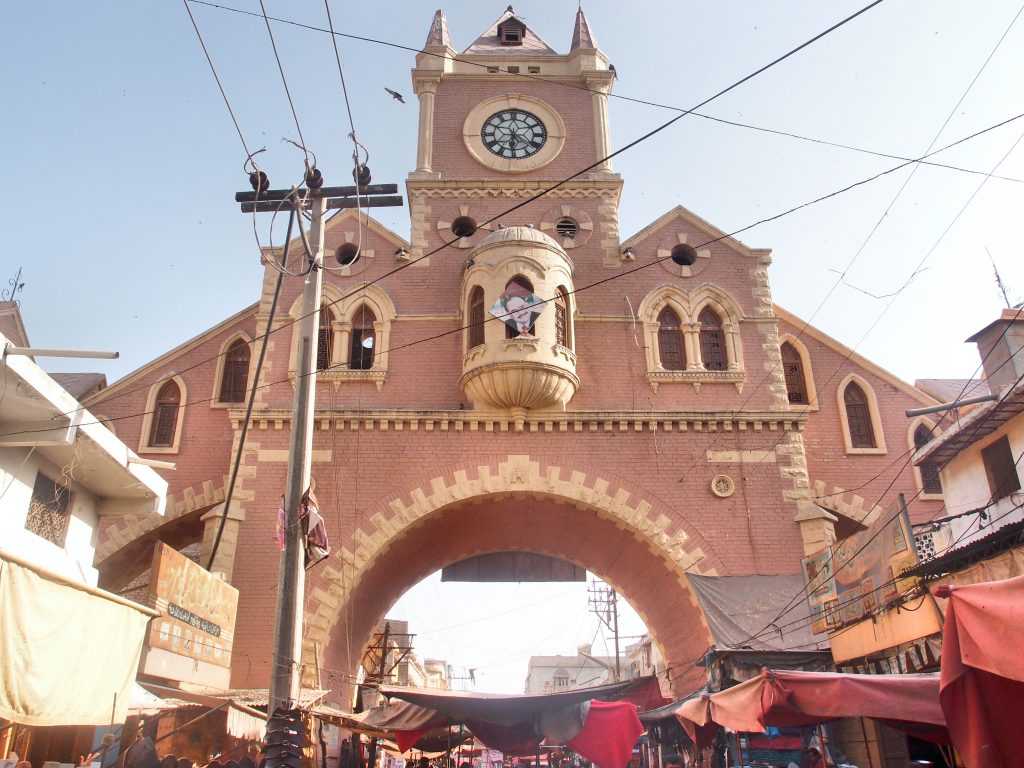
Shahi Bazar begins at the fort gate and runs for roughly 2 km to the Navalrai Clock Tower, a landmark built in 1914. It is a working market rather than a museum piece, so expect crowds, motorcycles and narrow lanes. Shoppers look for embroidery, handicrafts, Sindhi jewellery and, in the Resham Gali extension, glass bangles and Sindhi kundan-style gold work. Prices are rarely fixed, so ask a few shops before you buy.
Near the fort is Mukhi House, a heritage home built in 1920 by Mukhi Jethanand and now run as a museum by the Sindh government. Opening hours and entry rules are not published in the sources we checked, so confirm locally on the day.
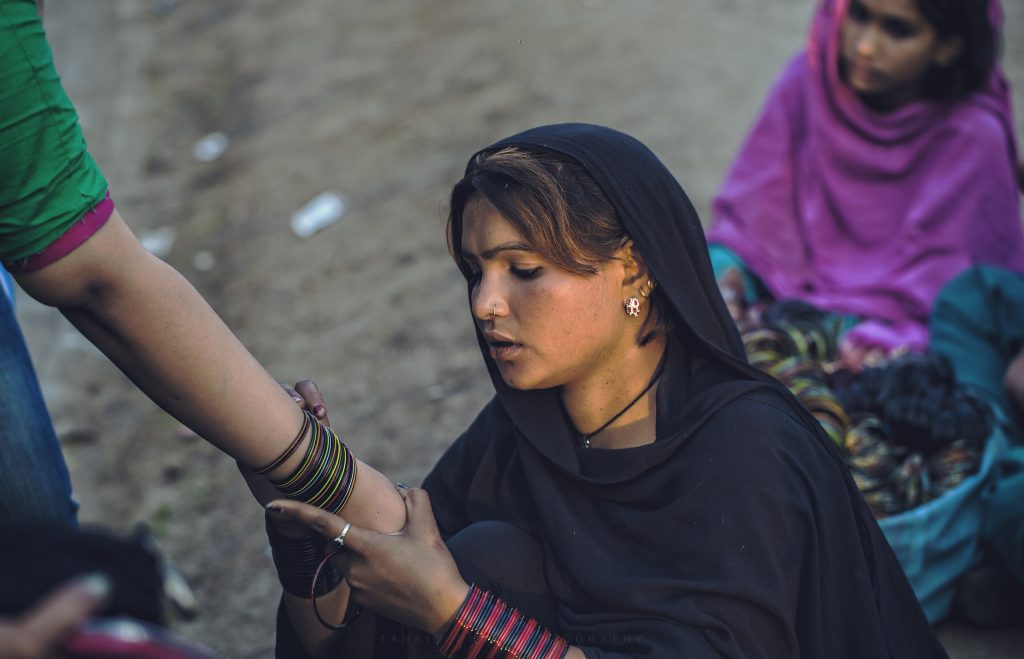
Hyderabad produces almost all of Pakistan's ornamental glass bangles. The trade is centred on the Churi Para area, and the bangles sold in Shahi Bazar and Resham Gali travel to markets across the country, especially before Eid.
Arab News reported in 2022 that most artisans migrated in the 1930s from Firozabad, and that the fourth generation of those workers now makes the bangles. Broken glass is collected, often by women, and melted at roughly 760 degrees Celsius. The molten glass is rolled into coils, a step called jurai joins the two ends of each bangle over a flame, and meena kaari adds finishing touches such as glitter, gold water and coloured crystals. Industry sources quoted in the same report put output at about 60,000 bunches a day, with 290 bangles in each bunch.
The industry has been shrinking. The same report says only about 40 of 70 glass bangle factories from the 1990s survive, with energy cuts, high electricity bills and raw material shortages blamed. Estimates of how many people the trade employs differ widely, so treat any single figure with caution. If you want to see the work, ask at the market for a workshop that welcomes visitors. Furnace areas are hot and uneven underfoot, so wear closed shoes and stay out of the way of workers.
Opening times and ticket rules change and are not published in the sources we checked, so confirm locally before you travel.
| Place | What to expect | Where |
|---|---|---|
| Pakka Qila | 18th-century fort of the Kalhoras and Talpurs, now worn and partly ruined | Old city, ridge above Shahi Bazar |
| Shahi Bazar | About 2 km of shops running from the fort gate to the clock tower | Central Hyderabad |
| Resham Gali | Glass bangles, kundan jewellery, imitation jewellery | Side extension of Shahi Bazar |
| Navalrai Clock Tower | Landmark of 1914 at the market end | Beside the old bazaar |
| Mukhi House | Heritage home of 1920, now a museum | Near Pakka Qila |
| Sindh Museum | Collections from the Indus Valley to the Talpur period, with indoor and open-air sections | Rani Bagh, Qasimabad |
| Tombs of the Talpur Mirs | Tiled domed mausoleums | Hirabad, on Ganjo Takkar |
Hyderabad is not as famous for restaurants as Karachi or Lahore, but a few local habits are worth planning around.
Thickened, sweetened milk is the sweet most often associated with the city in local travel writing. Try it fresh from a sweet shop rather than packed, and eat it the same day.
Bombay Bakery, established in 1911, is listed in local guides for cakes made to long-standing recipes. Check that it is still trading before you build a route around it.
Fish and Sindhi dishes appear on menus across the province. Our guide to Sindhi food explains the main dishes, such as sindhi biryani, daal and kadhi, so you can order with confidence.
Eat where the turnover is high, choose food cooked in front of you, and drink bottled or boiled water. See our advice on food and water safety for visitors.
Rani Bagh was laid out in 1861 as a garden and later gained a zoo, a funfair and open lawns. It also holds the Sindh Museum, founded in 1971 to collect and display the cultural history of Sindh. Its galleries cover the Indus Valley civilisation, the Samma, Soomra, Kalhora and Talpur periods, and village life, and there is an open-air section as well. It sits well with a trip to Mohenjo-daro, since the museum shows models and objects linked to that world.
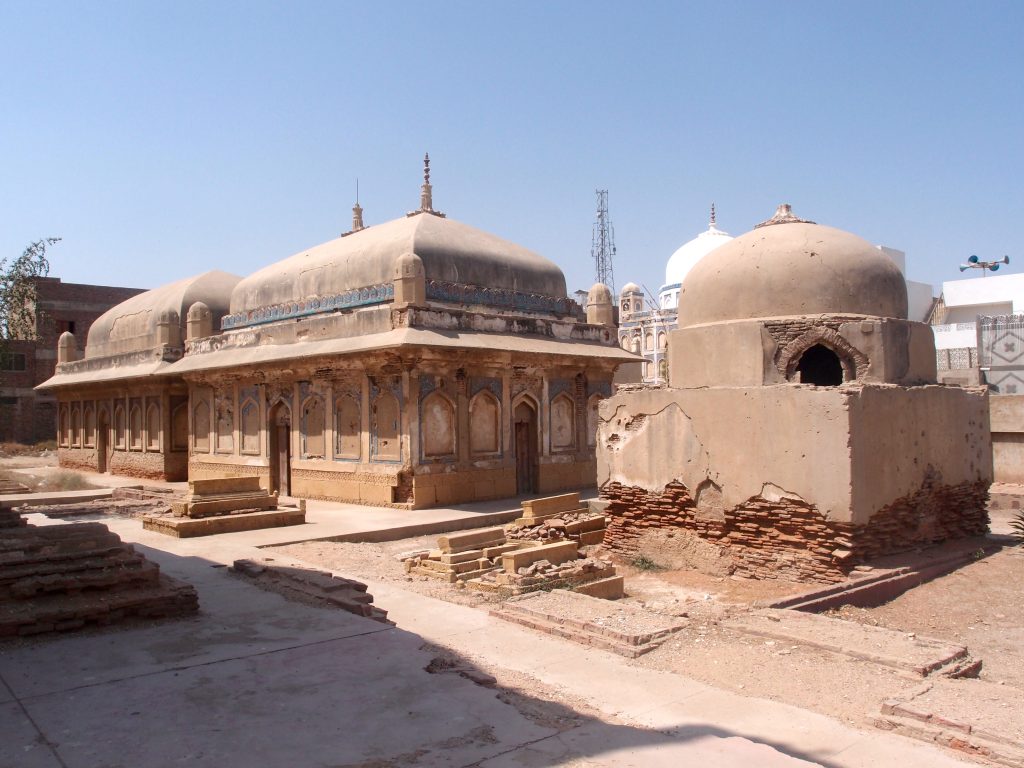
The Tombs of the Talpur Mirs lie in Hirabad on Ganjo Takkar. The largest domed mausoleum holds Mir Karam Ali Khan, who died in 1828, and Mir Murad Ali Khan, who died in 1833. The façades carry blue floral tilework on white, with green, yellow and brown details, and some interiors have Persian verse. The site has suffered from neglect, and the Sindh Culture Department has managed it since 30 March 2011, with restoration described as slow. Go in daylight, dress modestly and treat it as a place of burial.
The Sindh Museum pairs well with a visit to Mohenjo-daro, and further up the Indus you can read about Sukkur and the Sadhu Bela and Sukkur Barrage area.
Hyderabad is easy to reach from Karachi, which makes it a good day trip.
If you are building a longer trip, read the heritage route through Punjab and Sindh.
For the route in detail see the motorways and highways guide and trains in Pakistan. If you are starting in Karachi, our Karachi city break covers the other end of the trip.
Hyderabad has a hot semi-arid climate. May is the hottest month, with average highs of around 41 C and a record of 50 C in May 2018. Winter, from about November to February, is far more comfortable for walking the old city. If you want the bangle trade at its busiest, visit in the weeks before Eid, but expect crowds and heat.
Security conditions and local advisories change. Check current official travel advice and the local situation before you go, keep valuables out of sight in crowded bazaars, and avoid unplanned late-night travel. Our Pakistan travel safety guide covers the basics. Ask permission before photographing people, especially women and workers at furnaces.
For up-to-date opening hours, protected-site rules and permissions, contact the Sindh government's culture and tourism departments, or ask the staff at the museum or site gate. Railway timetables and fares are published by Pakistan Railways, and motorway conditions are announced by the National Highways and Motorway Police. Because fares, ticket prices and train times change often, we have not listed them here.
If you are travelling on from Hyderabad, our page on Karachi is a good next step. In an emergency, use the local police and ambulance services, and keep your hotel's address and contact details with you.
More Sindh reading: the Hyderabad city profile, Sindhi food and, for another historic Punjab city, the Bahawalpur travel guide. Checked October 2026. Opening hours, entry fees and bus or train timings change, so confirm locally.
Hyderabad is in Sindh province, on the east bank of the Indus river, about 150 km from Karachi. It is the second largest city of Sindh.
Mian Ghulam Shah Kalhoro of the Kalhora dynasty founded it in 1768. The Talpur Mirs later made it their capital.
The city produces almost all of Pakistan's ornamental glass bangles, mainly in the Churi Para area. Many artisans' families came from Firozabad in the 1930s.
It is about 150 km, and the M-9 motorway covers about 136 km of that. The drive is usually done as a day trip.
Not at present. Hyderabad Airport has had no commercial flights since 2013, so travellers fly to Karachi and continue by road or rail.
It is an 18th-century fort built in 1768 and 1769 on a ridge in the old city. It was a Talpur residence and is now partly ruined.
It is a bazaar of about 2 km that runs from Pakka Qila to the Navalrai Clock Tower. It sells handicrafts, embroidery, Sindhi jewellery and glass bangles.
Winter is the most comfortable season. May is the hottest month, with average highs of about 41 C.
No. This guide is about Hyderabad in Sindh, Pakistan, on the Indus about 150 km from Karachi. It is a different city with its own history, founded in 1768 by the Kalhora ruler Mian Ghulam Shah.
Rules and fees change, confirm with the official links below before you act.
From majestic mountains to vibrant cities, rich cuisine to timeless traditions — discover the real Pakistan with DailyLife.pk.
