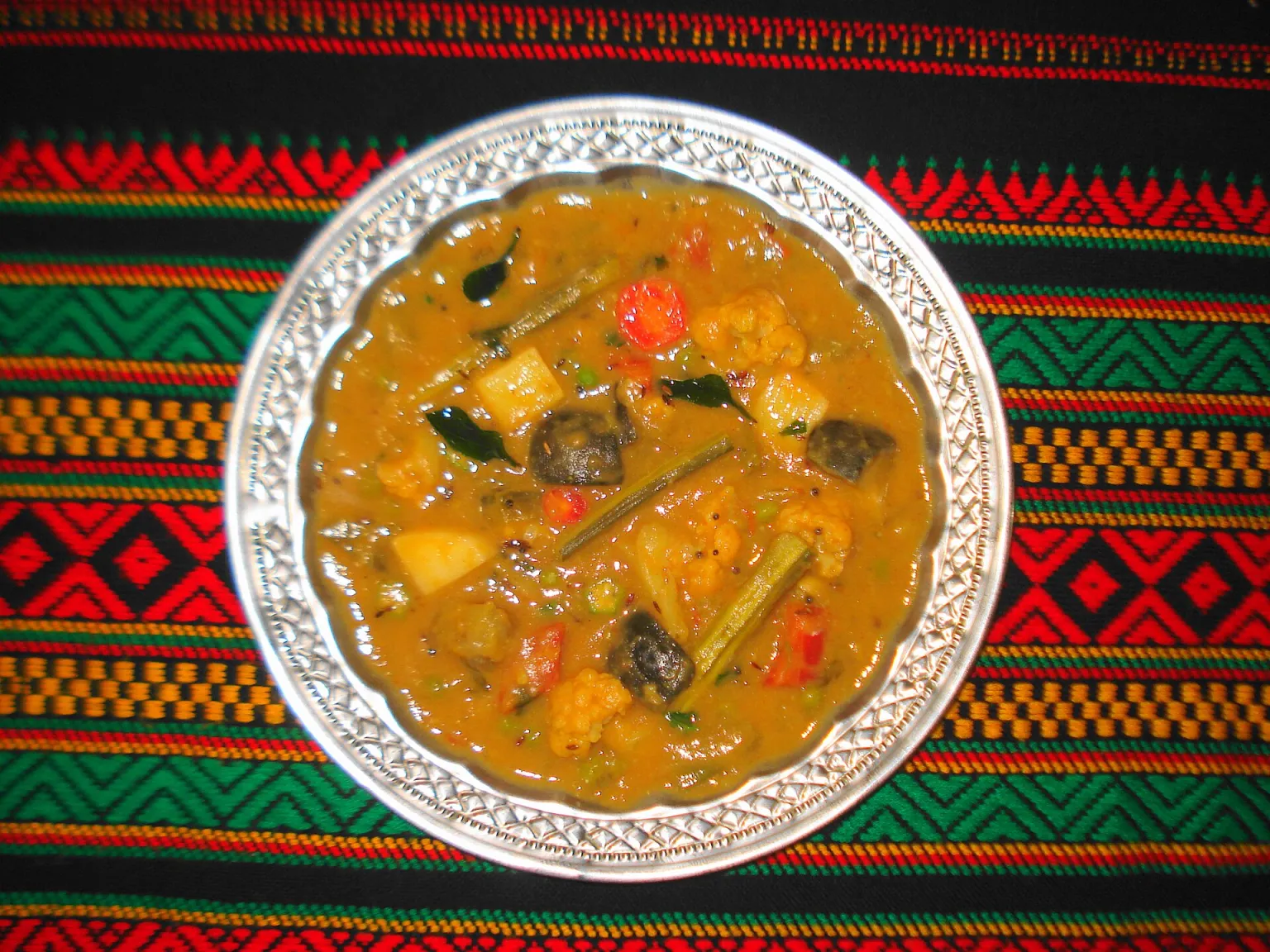
Sindhi kadhi, a gram-flour curry with vegetables

Food & Culture / Regional Pakistani Cuisine

Sindhi Food: The Flavours of Sindh

From sai bhaji and dal pakwan to palla fish, beyond the biryani

Sai bhaji, dal pakwan, Sindhi biryani, kokiSignature dishes
Rice, grown along the IndusKey staple
Palla (Indus hilsa), seasonal and prizedFamous fish
Dal pakwanClassic breakfast

What Makes Sindhi Food Special?

Ask someone about food from Sindh and the first answer is often biryani. But the province's culinary traditions stretch far beyond a plate of spiced rice. Sindhi home cooking makes generous use of leafy vegetables, lentils, rice, wheat breads, souring ingredients and regional fish. A meal might feature sai bhaji with rice, crisp dal pakwan for breakfast, or lotus stem cooked in a fragrant gravy. These dishes reflect the agricultural landscape of the Indus, the influence of neighbouring regions, and food traditions preserved both within Pakistan and among Sindhi communities abroad.

Key Dishes and Their Character

Sai Bhaji
Sindhi Biryani
Dal Pakwan
Seyal
Koki
Bhee ji Bhaji

Rice, Fish and the Indus

Sindh is shaped by the Indus River and an agricultural landscape in which irrigation plays a major role, so rice has long been central to the province's food. A typical Sindhi lunch might include rice, a vegetable preparation, a gravy-based dish, yoghurt and a small accompaniment. Seasoned rice preparations such as bhugal chawar, rice cooked with browned onions, sit alongside plainer steamed rice as everyday accompaniments, not just festive dishes. Fish is just as central, particularly along the river and coast. Palla, the Indus hilsa, is among the most prized regional fish, sought out in season for its rich, distinctive flavour and traditionally associated with the stretch of the Indus around Sukkur and Thatta. Fried or curried fish preparations are common across riverside and coastal Sindh in a way they aren't in much of inland Punjab or Khyber Pakhtunkhwa.

Regional Variation Within Sindh

Food in Karachi, a large and diverse port city, is not identical to food in rural Sindh. Karachi's food scene blends Sindhi cooking with Mohajir, Punjabi, Pashtun and Baloch influences, and many restaurants serve a generalised version of regional dishes shaped by a broad customer base. In rural Sindh and smaller towns, home cooking tends to stay closer to traditional methods and ingredients: more reliance on locally grown vegetables and lentils, simpler spice profiles in everyday dishes, and dishes like sai bhaji or seyal preparations that rarely appear on commercial menus at all. Two people describing the same Sindhi dish may genuinely use different ingredients or methods, shaped by family tradition, migration and regional variation. Neither version is automatically more authentic than the other, food traditions are preserved through repetition, adaptation and memory as much as through a single fixed recipe.

Where to Try Authentic Sindhi Food

Finding traditional Sindhi cuisine takes a little more searching than finding a biryani restaurant. Many of the most distinctive dishes, sai bhaji, dal pakwan, seyal preparations, are associated with home cooking and don't always appear on ordinary commercial menus. In Karachi, look specifically for restaurants, home-based food businesses and caterers that identify their food as Sindhi rather than generic Pakistani, and for menus that explicitly list sai bhaji, Sindhi kadhi, dal pakwan or seyal dishes. In interior Sindh, towns along the Indus such as Hyderabad, Sukkur and Larkana are good places to look for river fish and more traditional home-style cooking, particularly in season for palla fish.

Frequently Asked Questions

Is Sindhi biryani different from other Pakistani biryanis?

Yes. Sindhi biryani tends to be tangier and spicier than Karachi-style or Lahori biryani, often built on a base of fried potatoes with a more pronounced use of souring agents such as plums or tamarind.

What is the difference between sai bhaji and plain saag?

Sai bhaji combines leafy greens with lentils and vegetables such as potato or brinjal cooked together into one dish, whereas saag in other regional traditions is often a simpler greens preparation without the lentil component.

What is palla fish and why is it prized?

Palla is the Indus hilsa, a fish traditionally associated with the Indus around Sukkur and Thatta. It's sought out in season for its rich, distinctive flavour and is considered one of Sindh's signature regional foods.

Is dal pakwan only a Sindhi Hindu dish?

It is particularly associated with Sindhi Hindu culinary tradition and is widely preserved among Sindhi communities outside Pakistan, but versions of dal pakwan are also enjoyed more broadly as a breakfast dish.

Why can't I find sai bhaji or seyal dishes on most restaurant menus?

These are largely home-cooking dishes rather than commercial restaurant staples. Finding them usually means looking for restaurants or home-based cooks who specifically identify their food as Sindhi.

Is Karachi food the same as Sindhi food?

Not exactly. Karachi's food scene blends Sindhi cooking with Mohajir, Punjabi, Pashtun and Baloch influences, so what's served in the city is often a broader, more generalised mix rather than traditional rural Sindhi home cooking.

How we know this

  • Type Explainer
  • Sources 2 (2 official/academic)
  • Reviewed October 2026
  • Disputed points None
2 sources
  1. https://sindhculture.gov.pk/
  2. https://www.tourism.gov.pk/
Photo credits (1)
Suggest a correction

Stay updated

Stay Connected with DailyLife.pk

Get new travel guides, recipes and stories from across Pakistan, no spam, unsubscribe any time.

Your Pakistan journey starts here

From majestic mountains to vibrant cities, rich cuisine to timeless traditions — discover the real Pakistan with DailyLife.pk.