
Itinerary
The Punjab and Sindh Heritage Route
Follow the Indus downstream from Lahore's Mughal mosques and Rohtas Fort through Multan's tiled shrines and Cholistan's desert forts to the necropolis of Makli and the Indus city of Mohenjo-daro.
- Punjab and Sindh
- November to February
- Forts, tombs, mosques, shrines
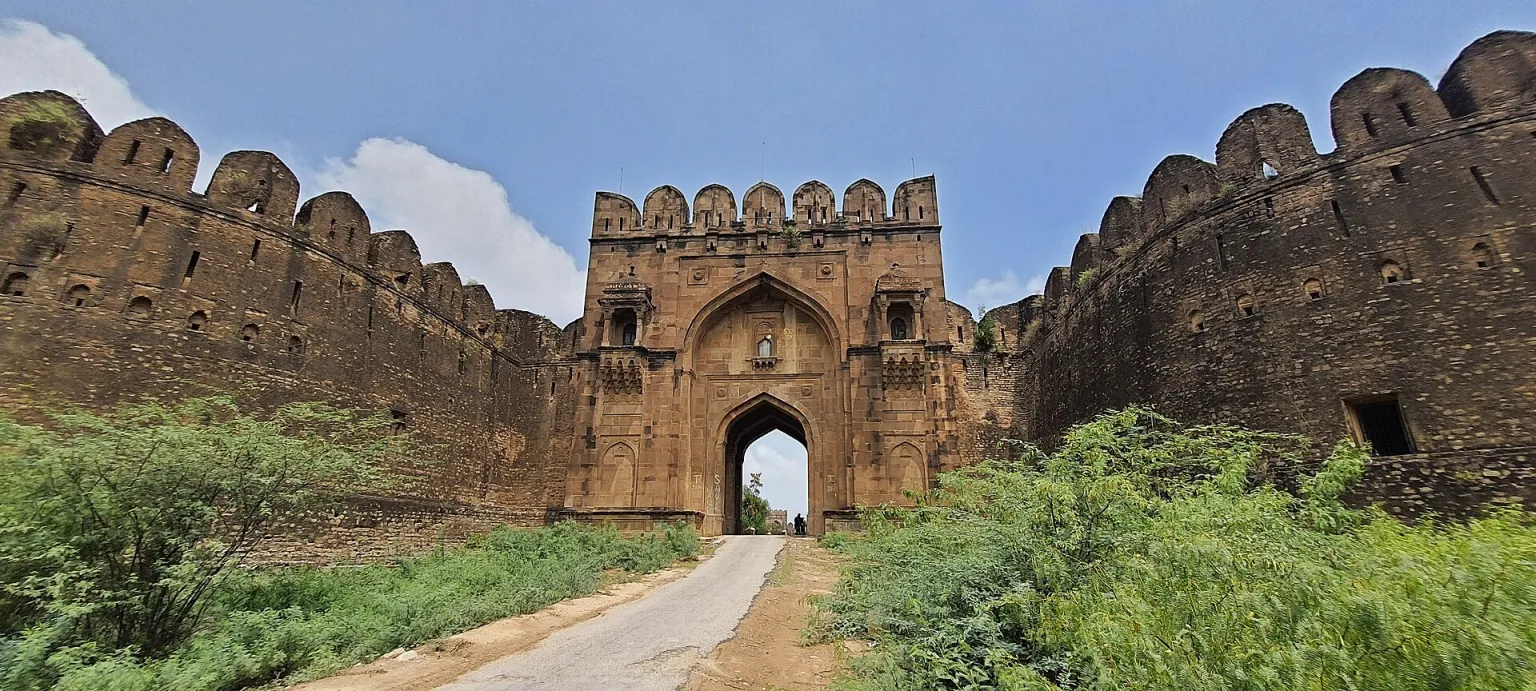
Sohail Gate, Rohtas Fort
A route that follows the river
This is a modular route rather than a single fixed trip. It runs roughly with the Indus system downstream, from the Mughal capital of Lahore through the Salt Range and the Sufi cities of southern Punjab into Sindh, ending at the coast near Karachi. Take all four modules for a long journey, or one or two for a shorter trip. Each module is self-contained and has its own seasonal and advisory notes.
The buildings share a language. Glazed blue-and-white tilework, developed in Multan and Uch, travels south to Thatta and Hyderabad. Fortresses range from the vast stone ramparts of Rohtas to the brick bastions of Derawar in the desert and the stone wall that snakes over the Kirthar hills at Ranikot. Tombs and shrines, from Shah Rukn-e-Alam in Multan to the necropolis of Makli, remain places of living devotion. Mosques, from Lahore's Wazir Khan to Thatta's Shah Jahan Mosque, are also places of worship, so dress modestly and plan around prayer times.
We give no inter-city journey times, since road, rail and air conditions change; ask operators and Pakistan Railways for current schedules. Where our guides give a distance, we repeat it.
Read first: seasons, heat and advisories
Season. November to February is the practical window. From April to September temperatures across southern Punjab and Sindh are extreme (Hyderabad has recorded around 50 °C). Sites such as Mohenjo-daro, Derawar and Ranikot have little shade.
Advisories. The UK government's regional-risks page, read on 24 October 2026, advises against all but essential travel to Sindh north of and including Nawabshah, which covers Sukkur, Larkana and the Sehwan area, and to Dera Ghazi Khan in Punjab, and advises against travel within 5 miles of the India border except at official crossings. It does not list Lahore, Multan, Bahawalpur, Hyderabad or Karachi among the areas it advises against, but it gives general cautions for several of them. Many travellers do the Punjab and southern Sindh modules and skip upper Sindh. Check your own government's advice, your insurance and local authority guidance, and travel by day with an experienced driver.
The modules at a glance
| Module | Places | Suggested days | Best season | Notes |
|---|---|---|---|---|
| A. Lahore and the GT Road | Lahore Fort, Badshahi and Wazir Khan mosques, Shalimar, Jahangir's tomb; Rohtas Fort | 4-5 | October-March | Heavy traffic in Lahore; Rohtas is a half-day site |
| B. South Punjab | Multan shrines, Bahawalpur palaces, Uch Sharif tombs, Derawar Fort | 4-5 | November-February | Desert driving needs a 4x4 and local driver |
| C. Southern Sindh | Hyderabad, Ranikot, Thatta and Makli, Karachi | 4-5 | November-February | Most sites are day trips from Hyderabad or Karachi |
| D. Upper Sindh | Sukkur, Mohenjo-daro, Sehwan Sharif | 3-4 | November-February | See the advisory above; confirm before booking |
Suggested days are planning guides, not source-quoted journey times. No costs are quoted: entry fees, 4x4 hire and hotels change and are set locally.
Module A: Lahore and the Grand Trunk Road
Best October to March. Start here for the strongest sense of Mughal Punjab.
- 1
Lahore Fort
Given its present form under Akbar and Shah Jahan, the fort holds 21 surviving monuments, including the mirrored Sheesh Mahal of 1631-32. UNESCO inscribed it with the Shalimar Gardens in 1981.
- 2
Badshahi and Wazir Khan mosques
The Badshahi Mosque was built for Aurangzeb in 1671-73; the Wazir Khan Mosque dates from 1634 and is the most richly decorated mosque in the city, its walls covered in glazed tile mosaic, frescoes and calligraphy.
- 3
Shalimar Gardens and Shahdara
Shah Jahan's garden of 1641-42, and across the Ravi the garden tomb of the emperor Jahangir (d. 1627). See the Lahore city break for how to order these.
- 4
Rohtas Fort
Begun in 1541 by Sher Shah Suri near Jhelum, Rohtas is a fortified town with walls running for more than four kilometres around roughly 70 hectares. Sohail Gate, about 21 m high, is the most imposing entrance. Plan about half a day; the ramparts have high unfenced edges. Confirm ticketing locally.
Module B: South Punjab, the city of saints and the desert forts
Best November to February. Multan, Bahawalpur and the desert are very hot from April to September.
- 1
Multan: shrines and Fort Kohna
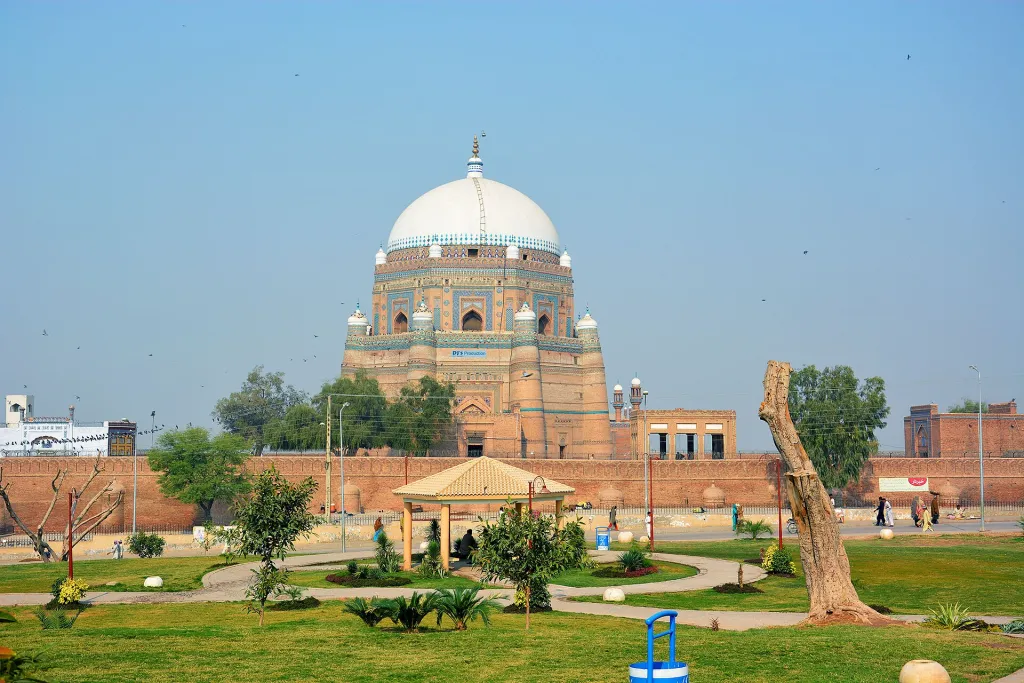
Britannica records that Alexander the Great subdued the city in 326 BCE; from the 13th and 14th centuries it became a leading centre of Sufism. The three-tiered, octagonal tomb of Shah Rukn-e-Alam rises about 35 metres; nearby are the shrine of Bahauddin Zakariya and the tiled shrines of Shah Shams Sabzwari and Shah Yusuf Gardezi. Bring a scarf, remove shoes and visit outside crowded urs days.
- 2
Bahawalpur
The former capital of a princely state keeps the neoclassical Noor Mahal (built in the 1870s; managed by the Pakistan Army as a guest house and open to visitors), the Central Library (founded 1924) and the Bahawalpur Museum. Darbar Mahal is used by official bodies and access can be restricted; ask locally.
- 3
Uch Sharif
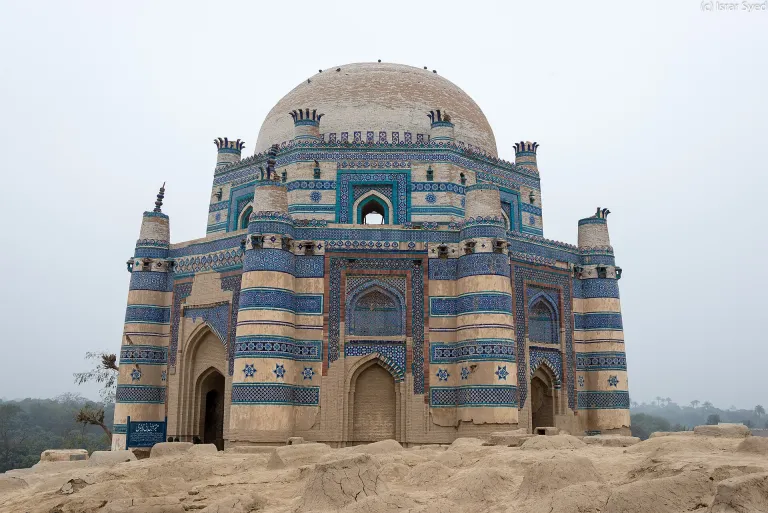
About 84 km from Bahawalpur, Uch holds Multan-style tilework in the tombs of Bibi Jawindi (c. 1494, half-ruined by floods), Baha'al-Halim and others on the UNESCO Tentative List. Active shrines: dress modestly, do not climb on the tombs.
- 4
Derawar Fort
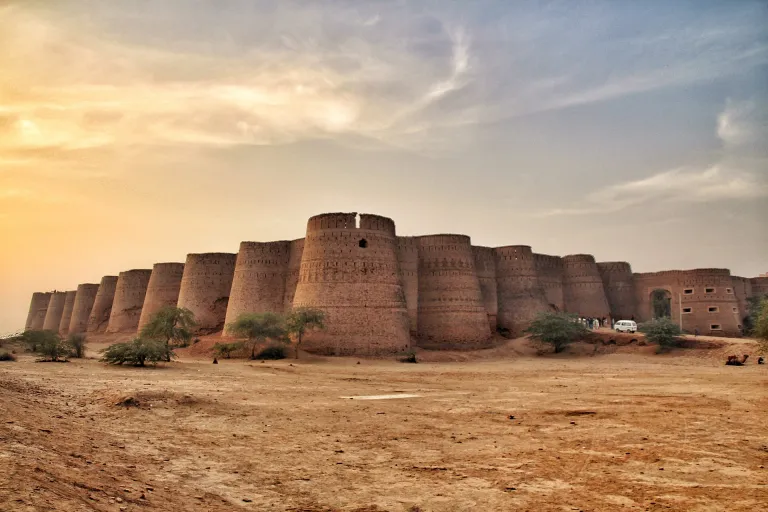
Forty round bastions in the Cholistan sands, about 95 km south of Bahawalpur. The road to the fort is passable by car, but the desert beyond needs a 4x4 and an experienced local driver. Services at the fort are minimal; carry water, travel in daylight and tell someone your plans. February brings the Cholistan Desert Rally.
Module C: southern Sindh, Hyderabad, Thatta and Makli
Best November to February. Karachi works as a base for much of this module, but check security conditions.
- 1
Hyderabad
Founded in 1768 by Ghulam Shah Kalhoro, the city keeps the Pakka Qila, the domed tombs of the Talpur Mirs on the Ganjo ridge and the Sindh Museum. Hala, about 62 km away on the National Highway, is known for craft traditions; see craft trails.
- 2
Ranikot Fort
More than 30 km of stone ramparts over the Kirthar hills, about 122 km north-west of Hyderabad; the fort is roughly 27-30 km west of Sann along a rough road. A high-clearance vehicle helps. It is a day trip with little shade or food.
- 3
Thatta and the Shah Jahan Mosque
Built in 1647-49 and on UNESCO's Tentative List, the mosque is roofed by many brick domes with patterned glazed tile interiors.
- 4
Makli Necropolis
UNESCO estimates up to half a million graves spread over a ridge of about 6.5 km, with royal tombs from the 14th to the 18th century, among them the carved sandstone tomb of Jam Nizamuddin II and the tile-faced tomb of Diwan Shurfa Khan (d. 1638). It is a cemetery: do not climb on graves or take fragments.
- 5
Karachi (end point)
Finish with the colonial buildings, the Mohatta Palace and the coast; see the Karachi city break.
Module D: upper Sindh (check advisories first)
Upper Sindh is among the hottest regions in the country in summer; plan strictly November to February.
- 1
Sukkur
The Lansdowne Bridge (opened 25 March 1889), the Sukkur Barrage (commissioned 1932) and Sadh Belo, an island temple complex founded after 1823, reached by boat.
- 2
Mohenjo-daro
About 28 km from Larkana, this 3rd-millennium BCE Indus city was inscribed by UNESCO in 1980. Arrive early; shade is scarce. Stay on marked paths and never remove bricks or sherds.
- 3
Sehwan Sharif
The shrine of Lal Shahbaz Qalandar (built 1356) is one of the most visited in Pakistan; the daily dhamaal and Thursday evenings draw crowds. Dress modestly, remove shoes and ask before photographing anyone.
Linking the modules
Rail
Pakistan Railways
The main lines connect Lahore, Multan, Bahawalpur, Sukkur, Hyderabad and Karachi. Schedules change; check pakrail.gov.pk or the Rabta app, and see trains in Pakistan.
Air
Domestic flights
Flights link Lahore, Multan and Karachi, and Sukkur has an airport. Check current schedules and weather delays.
Road with a driver
Most flexible
A hired car and experienced driver is the most flexible way to reach Uch, Derawar, Ranikot and Makli. Avoid driving after dark.
Daylight and fog
Winter caveat
Winter days are short, and roads can be slower in fog. Aim to arrive at each stop by early afternoon.
Visiting living heritage with respect
- Many tombs, mosques and shrines are active places of worship. Dress modestly, cover your head if asked, and remove shoes where indicated.
- Do not climb on tombs, walls or glazed tile; do not remove bricks, sherds or tile fragments.
- Ask before photographing worshippers, and avoid photographing women without clear consent.
- Give donations through official boxes rather than to touts.
- Avoid drones unless you hold permission, and respect restrictions at military sites and bridges.
- Check ticketing, opening days and any access restrictions locally; they are set by provincial archaeology authorities and change.
What drives costs
We quote no prices. The main drivers are the length of your vehicle hire with a driver, 4x4 hire for Derawar, internal flights or train class, hotel location (Bahawalpur and Hyderabad have most choice) and entry fees that differ for Pakistani and foreign visitors. Ask for written quotes and see travel budget and costs.
Keep exploring
 Rohtas FortA 16th-century fortress near Jhelum.
 Uch SharifTiled tombs south of the Chenab.
 Derawar FortA desert fortress in Cholistan.
 Makli NecropolisA ridge of royal tombs near Thatta.
 Mohenjo-daroThe Indus city on the Larkana plain.
 Sufi shrinesContext for the shrines on the route.
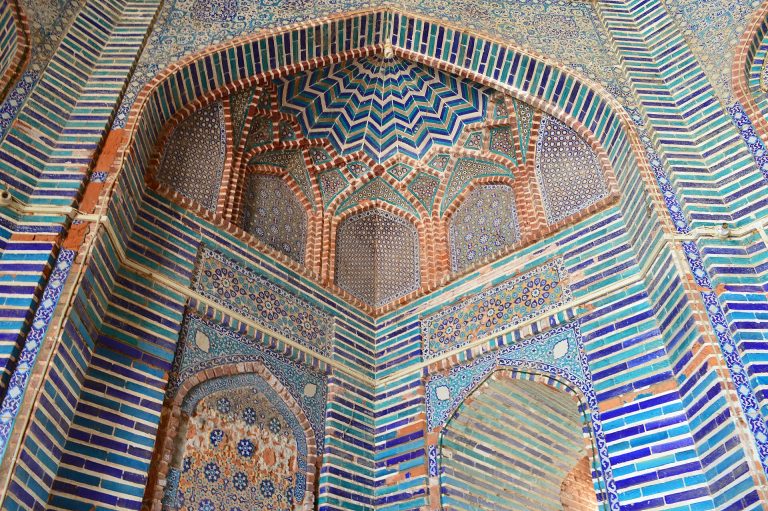 ThattaShah Jahan Mosque and a lake sanctuary.
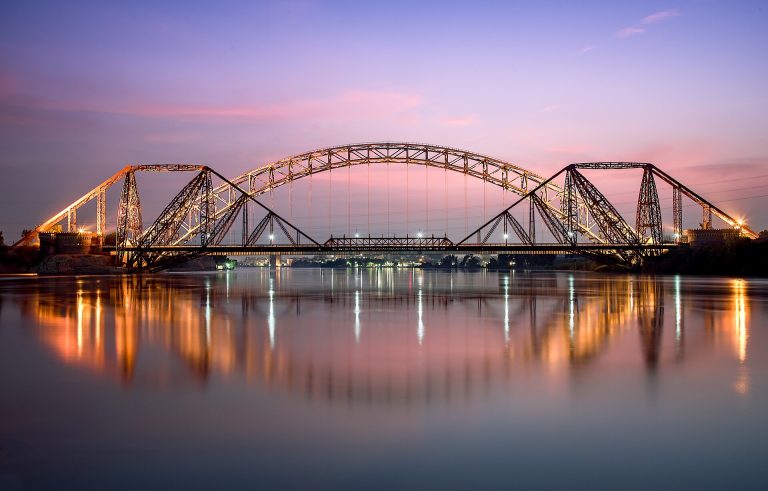 SukkurBridges, barrage and an island shrine.
Frequently Asked Questions
How long does the whole route take?
The four modules together suit two to three weeks. You can do Module A alone in four or five days, or add B or C for a week to ten days.
Can I do the route in summer?
It is not recommended: from April to September southern Punjab and Sindh are extremely hot and many sites have little shade. November to February is best.
Do I need a 4x4?
Not for most sites, but Derawar's surrounding desert and the approach to Ranikot are easier with a 4x4 or high-clearance vehicle and an experienced local driver.
Is upper Sindh open to visitors?
The UK government advises against all but essential travel north of and including Nawabshah. Check your own government's advice and local authority guidance before including Module D.
Keep Exploring
Related places and stories on DailyLife.pk
 Lahore Fort and Badshahi MosqueLahore Fort and Badshahi Mosque guide: Sheesh Mahal, Picture Wall, Alamgiri Gate
 Rohtas FortExplore Rohtas Fort near Jhelum: Sohail Gate, ramparts, Haveli Man Singh, Shahi Masjid and stepwellsUch SharifVisit Uch Sharif in Bahawalpur District: Bibi Jawindi's tomb, the Bukhari shrines, Sufi historyDerawar FortPlan a Derawar Fort trip in Cholistan: its history, forty bastions, Abbasi mosque and royal graveyardMohenjo-daroPlan a visit to Mohenjo-daro, Sindh: the Great Bath, citadel stupa, lower town and museumMakli NecropolisVisit Makli Necropolis near Thatta, Sindh: Jam Nizamuddin II
How we know this
- Type Practical guide
- Sources 17 (13 official/academic)
- Reviewed October 2026
- Disputed points None
Rules and fees change, confirm with the official links below before you act.
17 sources
- Pakistan travel advice: Regional risks, UK Foreign, Commonwealth & Development Office
- Fort and Shalamar Gardens in Lahore, UNESCO World Heritage Centre
- Rohtas Fort, UNESCO World Heritage Centre
- Advisory Body Evaluation: Rohtas Fort (No. 586), ICOMOS / UNESCO
- Multan, Encyclopaedia Britannica
- Tomb of Shah Rukn-e-Alam, Multan (Tentative List), UNESCO World Heritage Centre
- Uch Monument Complex (Tentative List), UNESCO World Heritage Centre
- Bahawalpur, Encyclopaedia Britannica
- Derawar and the Desert Forts of Cholistan – Tentative List, UNESCO World Heritage Centre
- Historical Monuments at Makli, Thatta, UNESCO World Heritage Centre
- Archaeological Ruins at Moenjodaro, UNESCO World Heritage Centre
- Hyderabad (Sindh, Pakistan), Encyclopaedia Britannica
- Sukkur, Encyclopaedia Britannica
- Thatta, Encyclopaedia Britannica
- Sadh Belo temple: an abode of Udasipanth in Sindh, Dawn
- Ranikot Fort, Wikipedia (used to locate primary sources)
- Shah Jahan Mosque, Thatta, Wikipedia (used to locate primary sources)
Photo credits (10)
- Sohail Gate, Rohtas Fort, Pakistan.jpg, MBNav412, CC BY-SA 4.0, via Wikimedia Commons
- Tomb of Shah Rukn-e-Alam View Multan.jpg, Junaidahmadj, CC BY-SA 3.0, via Wikimedia Commons
- Rohtas Fort (Jhelum, Pakistan) - World Heritage Site.jpeg, Hussain Khalid, CC BY-SA 4.0, via Wikimedia Commons
- Tomb of Bibi Jawindi Uch Sharif.jpg, Israr Syed, CC BY-SA 4.0, via Wikimedia Commons
- Derawar Fort, Bahawalpur I.jpg, Fassifarooq, CC BY-SA 4.0, via Wikimedia Commons
- Nizam al-Din Tomb, Makli Hill, Sindh..jpg, Asultan, CC BY-SA 3.0, via Wikimedia Commons
- Mohenjodaro - view of the stupa mound.JPG, Saqib Qayyum, CC BY-SA 3.0, via Wikimedia Commons
- Side view of Baha-ud-din Zakariya tomb Multan.jpg, Tahsin Shah, CC BY-SA 4.0, via Wikimedia Commons
- Shahjahan Mosque Thatta Sindh 1.JPG, Ghazimemon, CC BY-SA 4.0, via Wikimedia Commons
- Lansdowne Rohri, Sukkur.jpg, Dejavufotography, CC BY-SA 4.0, via Wikimedia Commons
