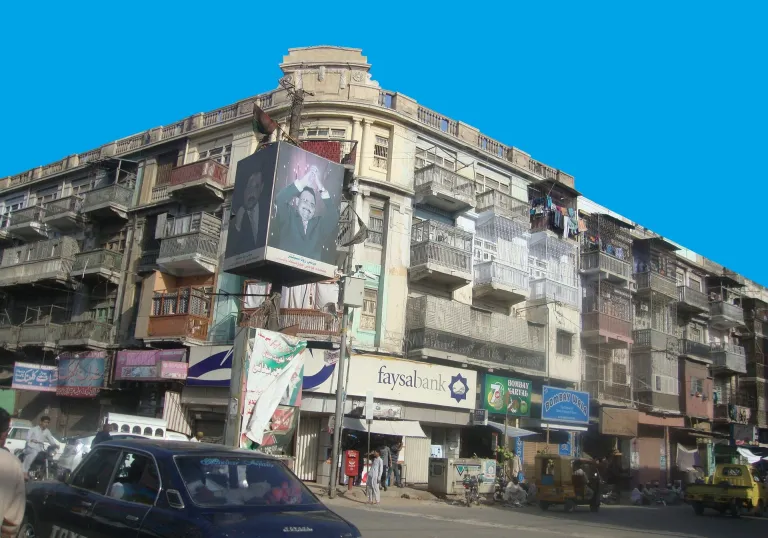
Fresco Chowk on Burns Road, Karachi's historic food street

Travel health

Eating and Drinking Safely in Pakistan

Is the tap water safe? Which bottled water to trust, how to enjoy street food without regret, the vaccines travel-health bodies recommend, and how to handle stomach bugs, heat and altitude.

  • Don't drink the tap water
  • Hot, fresh, busy stalls
  • Typhoid and hepatitis A jabs
62%Water samples from 29 cities found unsafePCRWR, reported to parliament in 2021
24 of 171Bottled-water samples found unsafe, Jan–Mar 2025PCRWR quarterly report
Since 2016Outbreak of extensively drug-resistant (XDR) typhoidTravelHealthPro
2,500 mHeight above which altitude illness becomes a riskTravelHealthPro

Eat boldly, drink carefully

Food is one of the great pleasures of a trip to Pakistan, from Lahore's food streets to apricot-scented breakfasts in Hunza. Most stomach trouble comes not from the spicy dishes visitors worry about but from water, ice, raw salads and food that has sat around. A few habits, and the right vaccines before you leave, remove most of the risk.

The US CDC's advice for Pakistan is simple: avoid unsafe food and water, and wash your hands often, especially before eating. TravelHealthPro, the UK's official travel-health service, says all travellers should practise personal, food and water hygiene. The rest of this page turns that into specifics.

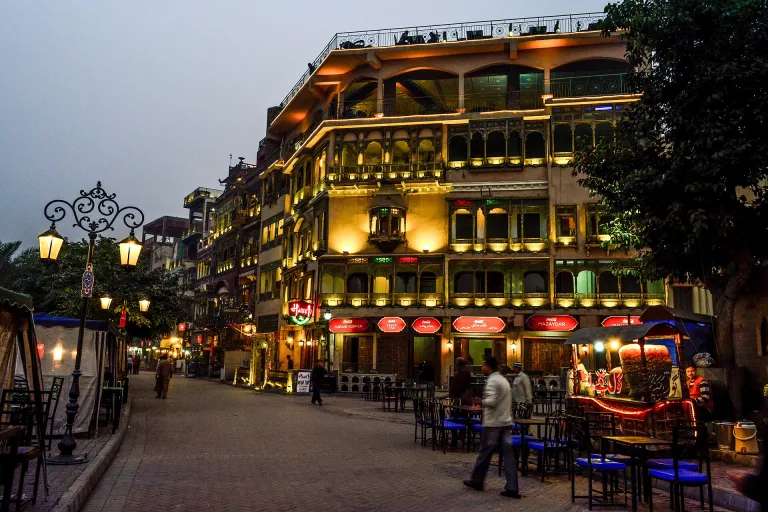
Fresco Chowk on Burns Road, Karachi's historic food street
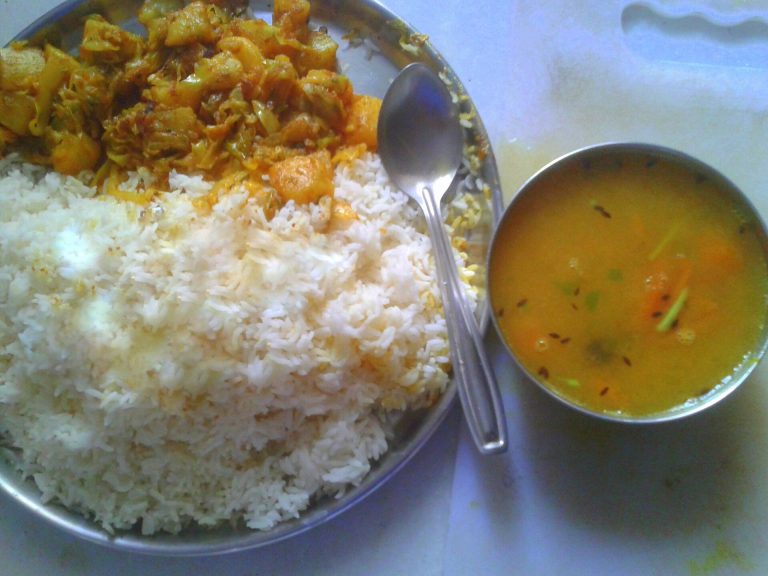
Food cooked hot and to order is usually the safest choice

Tap water and bottled water

Tap water: treat it as unsafe

Do not drink tap water anywhere in Pakistan unless it has been boiled or properly filtered. When the Pakistan Council of Research in Water Resources (PCRWR) tested 433 drinking-water samples from 29 major cities, 62% were contaminated, most often with bacteria, but also arsenic, nitrate and fluoride, according to findings presented to parliament in 2021 and reported by Geo News. Unsafe rates varied widely by city.

Use bottled or boiled water for brushing your teeth too, and skip ice unless you know it was made from treated water.
Bottled water: buy sealed, well-known brands

Bottled water is widely sold, but quality is not guaranteed. The PCRWR tests bottled and mineral water brands every quarter and publishes the results; in January–March 2025 it found 24 of 171 samples from 20 cities unsafe, mostly for bacterial contamination or excess sodium, APP reported. Check the latest PCRWR list, buy from busy shops, make sure the seal is intact, and prefer large brands. Many hotels supply filtered water, ask.

Street food without regret

  • Choose busy stalls with a quick turnover, locals queueing is the best signal.
  • Eat food cooked to order and served piping hot: karahi, tikka, parathas, fresh naan.
  • Be wary of raw salads, chutneys, raita and cut fruit that have been sitting out.
  • Peel fruit yourself; mangoes and bananas are safer than pre-cut melon.
  • Hot tea is generally a safe drink; freshly squeezed juices and lassi depend on the water and ice used.
  • Wash or sanitise your hands before eating, many meals are eaten by hand.
  • Ease in: try one new food at a time in your first days, especially rich or oily dishes.

Common stomach problems

Traveller's diarrhoeaThe most common complaint. Rest, drink plenty of safe fluids and use oral rehydration salts, which pharmacies sell. Seek a doctor for blood in stools, high fever or symptoms lasting more than a couple of days.
TyphoidSpread through contaminated food and water. TravelHealthPro notes an XDR typhoid outbreak since 2016 with limited antibiotic options, so make sure your vaccine is in date. CDC says many local strains are drug-resistant.
Hepatitis AAlso food- and water-borne. CDC recommends vaccination for unvaccinated travellers aged one and over.
CholeraCDC says cholera is presumed present; TravelHealthPro rates the risk low for most travellers but recommends the oral vaccine for higher-risk groups such as aid workers.

Vaccinations for travellers

See a travel clinic six to eight weeks before departure. This summarises official advice; your clinician decides what you need.

VaccineUK (TravelHealthPro)US (CDC)
Hepatitis AMost travellersUnvaccinated travellers aged 1+
TyphoidMost travellersMost travellers
TetanusMost travellers (booster if over 10 years)Routine vaccines up to date
Hepatitis BSome travellersUnvaccinated travellers under 60
RabiesSome travellersDiscuss pre-exposure vaccine; rabid dogs are common
Cholera, Japanese encephalitisSome travellersDepending on itinerary and length of stay
PolioSome travellers; stays of 4 weeks+ may need proof on an ICVP given 4 weeks–12 months before leavingAdults may get one lifetime booster
Measles (MMR)Some travellers (per UK schedule)All international travellers
Yellow feverNo risk in Pakistan; certificate needed if arriving from a risk countryRequired if arriving from a risk country

Sources: TravelHealthPro and CDC country pages, accessed October 2026. Malaria: TravelHealthPro rates risk low below 2,000 m and very low above it; CDC recommends antimalarials for some areas. Dengue occurs, mainly in towns and cities.

Heat and altitude

Summer heat

Plains, May–August

CDC advises eating and drinking regularly, wearing loose, light clothing, limiting exertion in high temperatures and replacing salt lost through sweat. Seek shade in the middle of the day.

Stay hydrated

Safe fluids only

Carry sealed water on every journey. Oral rehydration salts help after heavy sweating or a stomach upset.

Altitude

Above about 2,500 m

TravelHealthPro advises spending a few days below 3,000 m first and avoiding going from below 1,200 m to above 3,500 m in one day, easy to do on the drive to Khunjerab or Babusar.

Sleep higher slowly

Above 3,000 m

Raise your sleeping height by no more than 500 m a day, with a rest day every three or four days, and descend if symptoms are severe.

Pack a small health kit

Oral rehydration salts, hand sanitiser, any regular medicines (with prescriptions), insect repellent for dengue-season evenings, sunscreen and a reusable bottle with a filter go a long way. Pharmacies are common in cities; for serious illness, use a major private hospital, see our healthcare guide and emergency numbers.

Frequently Asked Questions

Is tap water safe to drink in Pakistan?

No. Treat all tap water as unsafe unless boiled or properly filtered. PCRWR testing reported in 2021 found 62% of samples from 29 major cities contaminated.

Is bottled water safe?

Usually, if sealed and from a reputable brand, but not always: PCRWR's quarterly tests found 24 of 171 samples unsafe in January–March 2025. Check its latest list of unsafe brands.

Can I eat street food?

Yes, it is one of the joys of Pakistan. Pick busy stalls, food cooked hot to order, and go easy on raw salads, chutneys and ice.

Which vaccines do I need for Pakistan?

Both the UK's TravelHealthPro and the US CDC recommend hepatitis A and typhoid for most travellers, plus routine vaccines. Others such as hepatitis B, rabies and polio depend on your trip. Ask a travel clinic six to eight weeks before you go.

Do I need a polio certificate?

TravelHealthPro says travellers staying four weeks or more may need proof of polio vaccination, given 4 weeks to 12 months before leaving Pakistan, on an International Certificate of Vaccination.

What should I do if I get sick?

For mild diarrhoea, rest and rehydrate with oral rehydration salts. See a doctor for high fever, blood in stools, severe dehydration or symptoms that do not improve.

How we know this

  • Type Practical guide
  • Sources 6 (2 official/academic)
  • Reviewed October 2026
  • Disputed points None

Rules and fees change, confirm with the official links below before you act.

6 sources
  1. Pakistan: traveler view, US Centers for Disease Control and Prevention
  2. Pakistan country information, TravelHealthPro (UK Health Security Agency / NaTHNaC)
  3. People in 29 major cities, including Karachi, drinking contaminated water, Geo News
  4. 24 bottle water brands unsafe for consumption: PCRWR's report, Associated Press of Pakistan
  5. Bottled water report, January–March 2025, Pakistan Council of Research in Water Resources
  6. Pakistan travel advice: Safety and security, UK Foreign, Commonwealth & Development Office
Photo credits (3)
Suggest a correction

Stay updated

Stay Connected with DailyLife.pk

Get new travel guides, recipes and stories from across Pakistan, no spam, unsubscribe any time.

Your Pakistan journey starts here

From majestic mountains to vibrant cities, rich cuisine to timeless traditions — discover the real Pakistan with DailyLife.pk.