
City guide
Jhang: City of HeerBahu and Salam
A twin city on the Chenab, home of the legendary Heer, the Sufi poet Sultan Bahu and Pakistan's first Nobel laureate, set amid the canal-watered plains of central Punjab.
- Central Punjab, east of the Chenab
- Setting of the Heer–Ranjha legend
- Birthplace of Abdus Salam
- Best season: November–March
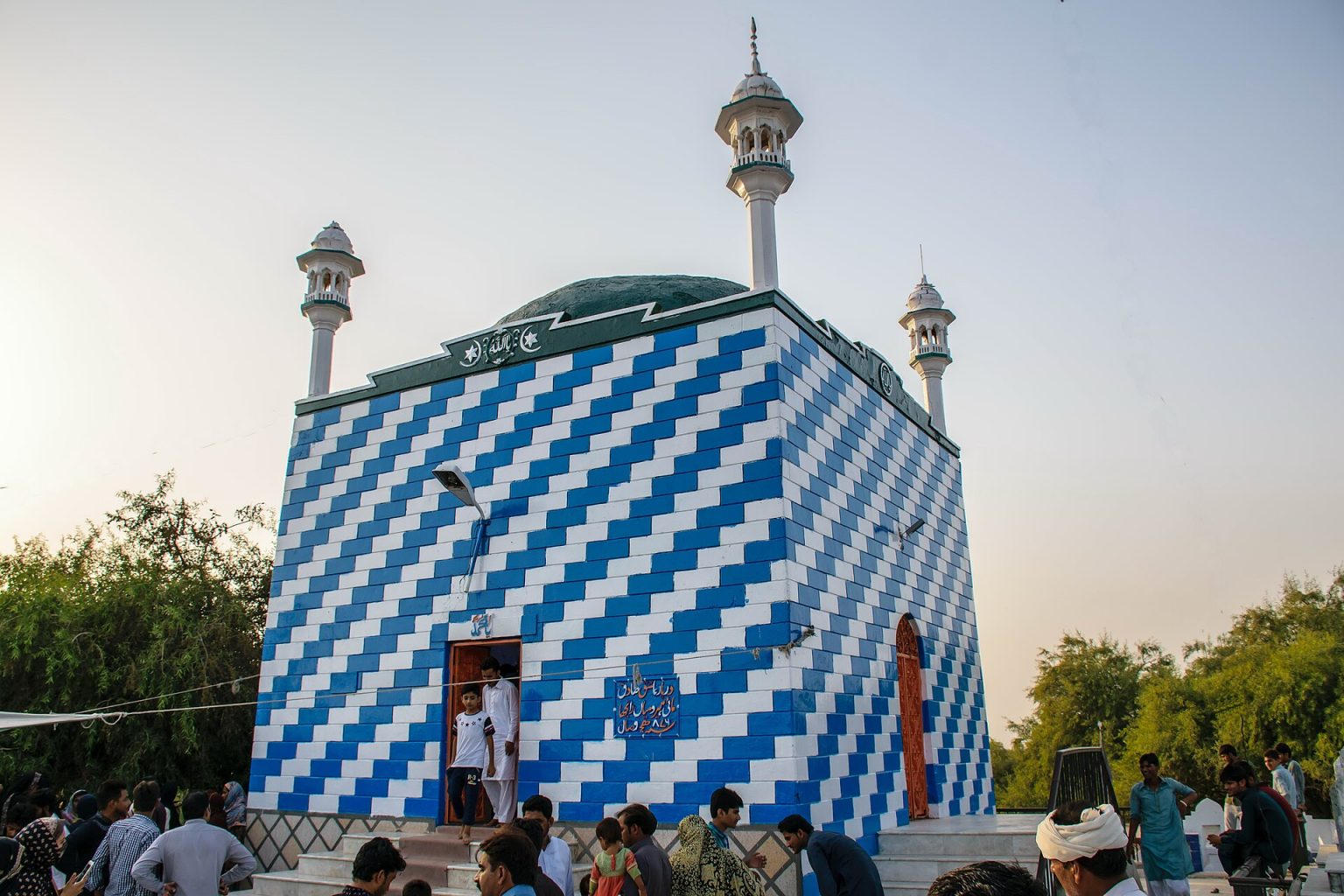
Tomb of Heer and Ranjha, Jhang
Jhang at a Glance
About Jhang
Jhang lies just east of the Chenab river in central Punjab. It is really two towns: Jhang, in the lowlands by the river, and Maghiana, on the higher ground above the old floodplain. According to Britannica, Jhang was founded in 1462 and re-established in 1688 after a flood, while Maghiana was founded by Megha, ancestor of the Maghiana Sials. Under British rule the two were combined as a single municipality in 1867 and are still often called Jhang Sadar or Jhang Maghiana.
The 2023 Census counted 606,533 people in Jhang city and 3,065,639 in Jhang District, about a quarter of them urban. The district's economy rests on canal-irrigated wheat and cotton, livestock, and textile and handloom work.
Jhang's fame is cultural. It is the home of Heer of the Sial clan, heroine of Punjab's best-loved romance, retold by the poet Waris Shah in the 18th century; of the Sufi poet Sultan Bahu, whose shrine draws pilgrims from across Pakistan; and of the physicist Abdus Salam, born here in 1926, who shared the 1979 Nobel Prize in Physics.
Mysticism, love and poetry: Jhang's identity rests on all three.
Things to See
Shrines of love and devotion, and the rivers that shaped the legends.
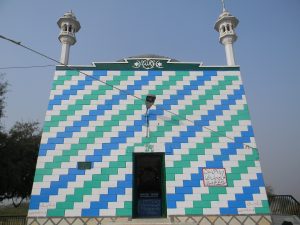
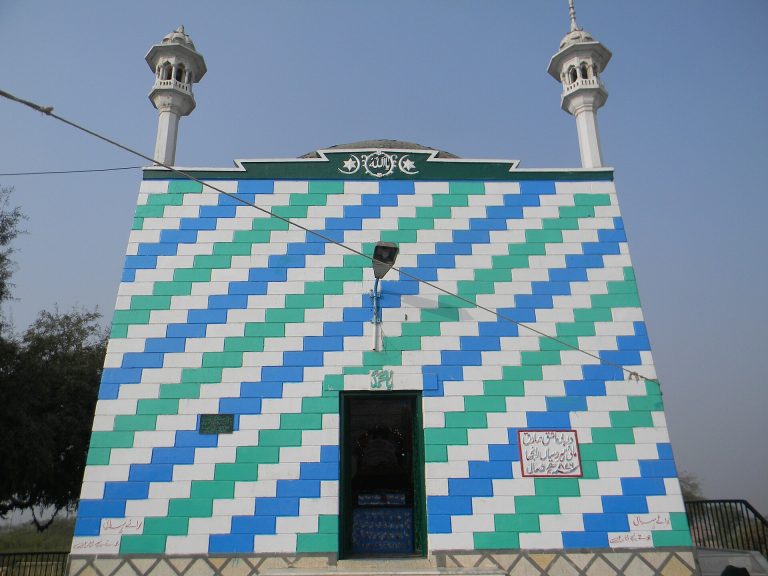 Tomb of Heer and RanjhaA modest, colourful shrine on the edge of the city where, by tradition, the lovers are buried. Couples and qawwals visit, though it is often quiet.
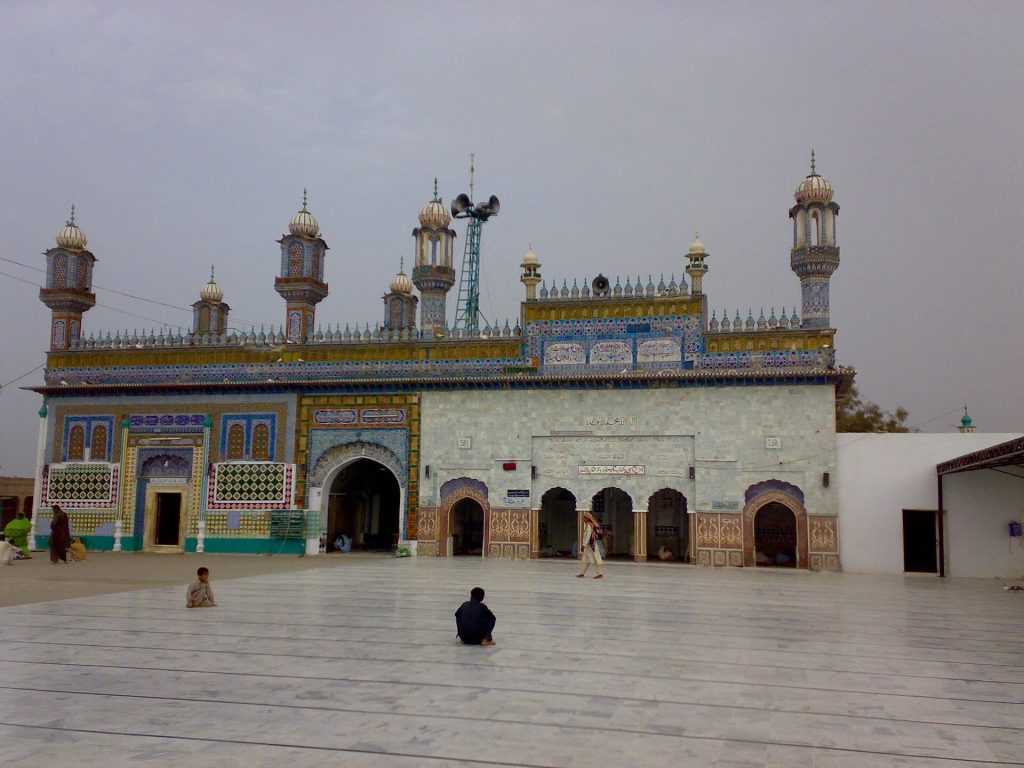
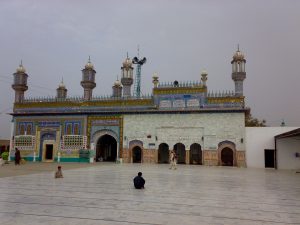
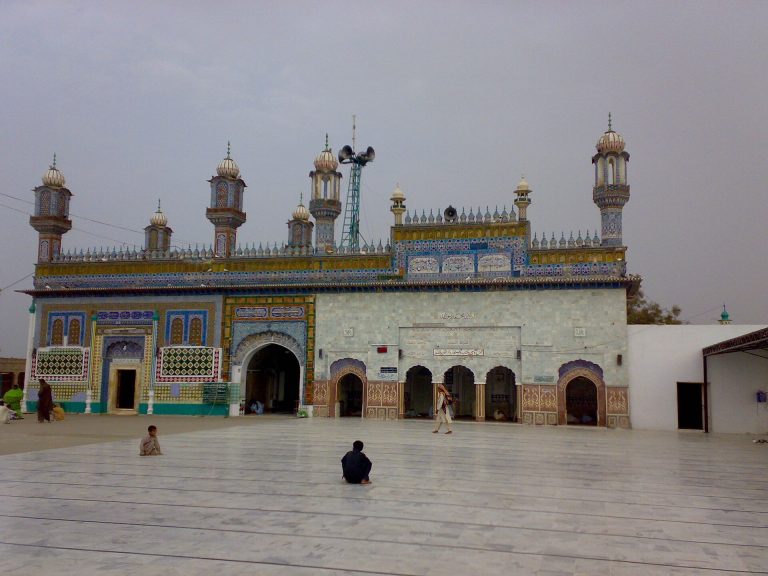 Shrine of Sultan BahuThe tomb of the Sufi saint and Punjabi poet Sultan Bahu at Garh Maharaja in Jhang District. His verses, each line ending in 'hu', are sung across Punjab.
 The Chenab and TrimmuThe Chenab flows past the city, and downstream at Trimmu Barrage it meets the Jhelum, a broad, peaceful stretch of water at the heart of the Heer story.
Poets, Lovers and Scientists
The story of Heer and Ranjha, a Sial girl from Jhang and a cowherd-flautist from Takht Hazara, has been told in Punjabi for centuries, most famously by Waris Shah in the 18th century; the poet spent his later life at Malka Hans near Pakpattan. Local writers describe Jhang's character as a trinity of mysticism, love and poetry.
Sultan Bahu (born 1628) wrote mystical verse in Punjabi and Persian and is associated with the Sarwari Qadiri Sufi order; his annual urs is one of the region's great gatherings. The modern Urdu poet Majeed Amjad was also from Jhang.
In science, the theoretical physicist Abdus Salam was born in Jhang Maghiana on 29 January 1926 and shared the 1979 Nobel Prize in Physics with Steven Weinberg and Sheldon Glashow for work on the unification of the weak and electromagnetic forces.



A Short History of Jhang
325 BCE
Alexander's campaign
The ruins at Shorkot, south of Jhang, may mark a town captured by Alexander the Great.
1462
Jhang founded
The town is founded near the Chenab; Maghiana grows up on the higher ground nearby.
1628
Sultan Bahu is born
The future Sufi poet is born in the Shorkot area.
1688
Rebuilt after a flood
Jhang is re-established after the river destroys the earlier town.
18th century
Waris Shah's Heer
The definitive Punjabi telling of the Heer–Ranjha romance is completed, fixing Jhang in the region's imagination.
Early 19th century
Sikh conquest
Ranjit Singh's forces defeat the last Sial ruler of Jhang, ending centuries of Sial rule.
1867
Twin-town municipality
The British combine Jhang and Maghiana into a single municipality.
1926
Abdus Salam is born
The future Nobel laureate is born in Jhang Maghiana on 29 January.
Getting There and Around
By road
From Faisalabad
Jhang is linked by road to Faisalabad, Chiniot, Sargodha and Toba Tek Singh; coaches run frequently.
By rail
Jhang Sadar station
Branch-line services connect Jhang with the wider network; check current trains with Pakistan Railways.
Nearest airport
Faisalabad
Faisalabad International Airport is the closest; Lahore and Multan offer more flights.
Local transport
Rickshaws and hired cars
Auto-rickshaws work for the city; hire a car for Garh Maharaja and Trimmu.
Plan Your Visit
Best time to visit
November to March
Pleasant days and cool nights; winter fog can slow road travel.
Weather
Hot summers
Summers are very hot, with monsoon rain in July and August and occasional river flooding.
Shrine visits
Respect customs
Cover your head at shrines, remove shoes where asked and be ready for crowds during urs festivals.
Where to stay
Limited options
Hotels are simple; many travellers base themselves in Faisalabad.
Jhang Through Time
Every dated moment our guides record about Jhang, from its own history and from national events that touched it. Each entry links to its source page.
- 18th century
Sials and Sikhs
After Mughal power wanes, the Sials of Jhang and then the Sikh Bhangi misl control the town.
- 1926
Born in Jhang
Abdus Salam is born in Jhang, Punjab.
- 1926-01-29
Birth of Abdus Salam
Abdus Salam (1926–1996): Jhang to Cambridge, Imperial College, the 1979 Nobel Prize in Physics, ICTP Trieste, his role in Pakistan's science, and his legacy.
- 15 October 1979 (announcement)
Abdus Salam Wins the Nobel Prize
On 15 October 1979 the Royal Swedish Academy of Sciences awarded the Nobel Prize in Physics to Abdus Salam, Sheldon Glashow and Steven Weinberg for the theory unifying the weak and electromagnetic forces. Salam, born in Jhang, was the first Pakistani Nobel laureate.
Do you remember Jhang as it used to be? Share a memory or an old photo, our editors review every story before it appears.
Frequently Asked Questions
What is the population of Jhang?
The 2023 Census counted 606,533 people in Jhang city and 3,065,639 in Jhang District.
Is Heer's tomb in Jhang?
Yes. By tradition Heer and Ranjha are buried in a shrine in Jhang, which visitors and qawwals still visit.
Where is the shrine of Sultan Bahu?
At Garh Maharaja in Jhang District, south-west of the city.
Was Abdus Salam born in Jhang?
Yes. The physicist was born in Jhang Maghiana on 29 January 1926 and shared the 1979 Nobel Prize in Physics.
Why is Jhang called Jhang Maghiana?
The city grew from two towns, Jhang and Maghiana, which the British merged into one municipality in 1867.
Keep Exploring
Related places and stories on DailyLife.pk
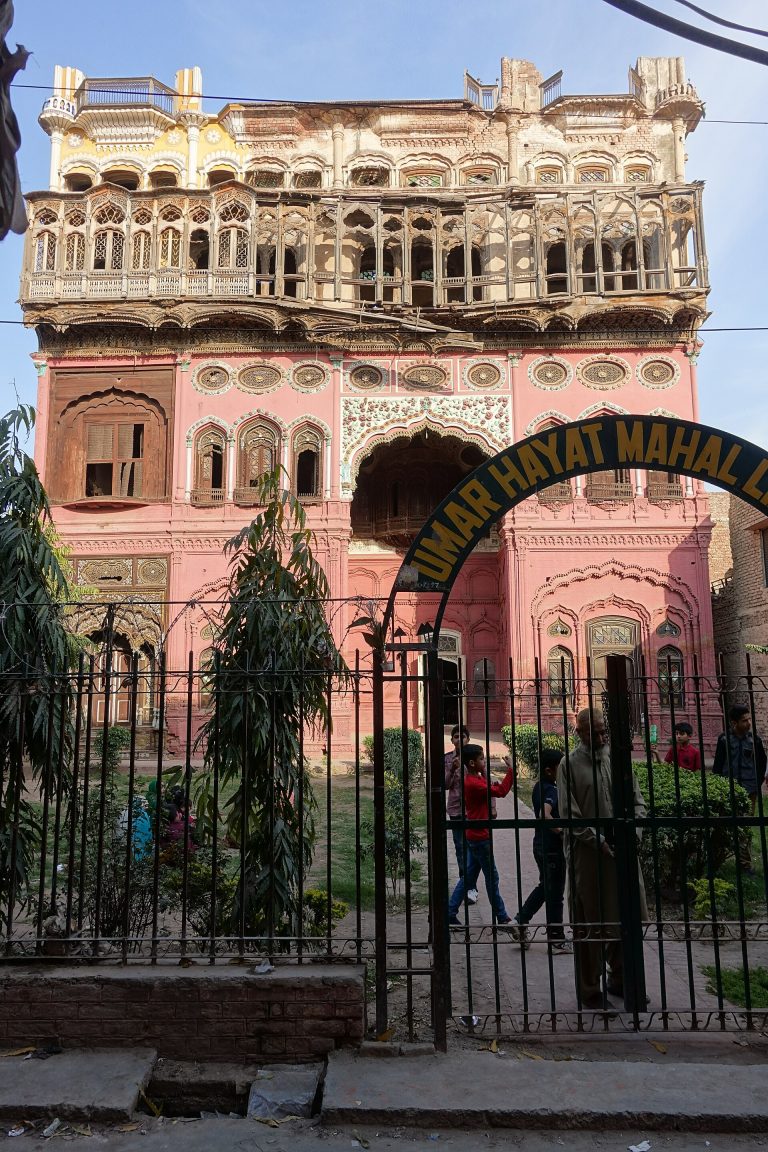 ChiniotChiniot city guide: carved wooden furniture, the Mughal Shahi Mosque, Omar Hayat Mahal, the Chenab, kunna
 FaisalabadFaisalabad city guide: the Clock Tower and its eight bazaars, textile industry, Lyallpur Museum, food, history
 PakpattanPakpattan city guide: Baba Farid's shrine and the Bahishti Darwaza during Muharram, Waris Shah's Malka Hans
 Sufi Shrines of PakistanVisit Pakistan's great Sufi shrines: Data Darbar, Shah Rukn-e-Alam, Lal Shahbaz Qalandar, Bhit Shah
 Poetry and Literature of PakistanPakistan's poetry and literature: Bhittai, Bulleh Shah, Rahman Baba, Khushal Khan Khattak, Ghalib's legacy, Iqbal, Faiz
 The Sikh EmpireThe Sikh Empire in Pakistan: Ranjit Singh's capture of Lahore in 1799, Multan, Peshawar
How we know this
- Type Place guide
- Sources 7 (3 official/academic)
- Reviewed October 2026
- Disputed points None
7 sources
- Table 1: Area, population by sex, sex ratio, density, urban proportion: Punjab districts (Census 2023), Pakistan Bureau of Statistics
- Pakistan: Cities and Municipalities: 2023 Census, City Population (Thomas Brinkhoff), from PBS data
- Jhang Sadar, Encyclopaedia Britannica
- Abdus Salam, Encyclopaedia Britannica
- The Jhang of Sultan, Dawn
- Heer Ranjha's tomb in Jhang, Dawn
- Jhang (overview used to locate primary sources), Wikipedia
Photo credits (7)
- Making Lassi (White Beer) in Pakistan.jpg, Tahsin Shah, CC BY-SA 4.0, via Wikimedia Commons
- Punjabi Sarsoon Ka Saag.JPG, Miansari66, Public domain, via Wikimedia Commons
- Chicken Karahi in Pakistan.jpg, Kskhh, CC BY-SA 4.0, via Wikimedia Commons
- Heer Ranjha's tomb in Jhang.jpg, Khalid Mahmood, CC BY-SA 3.0, via Wikimedia Commons
- Shrine of Sufi Saint Sultan Bahu, Jhang .jpg, User:Luckyaim, Public domain, via Wikimedia Commons
- Mahi Heer Tomb, Jhang, Punjab.jpg, Umar Jamshaid, CC BY-SA 4.0, via Wikimedia Commons
- Indus River Skardu Pakistan.jpg, Akhtar Bashir Nigyaal, CC BY-SA 4.0, via Wikimedia Commons
