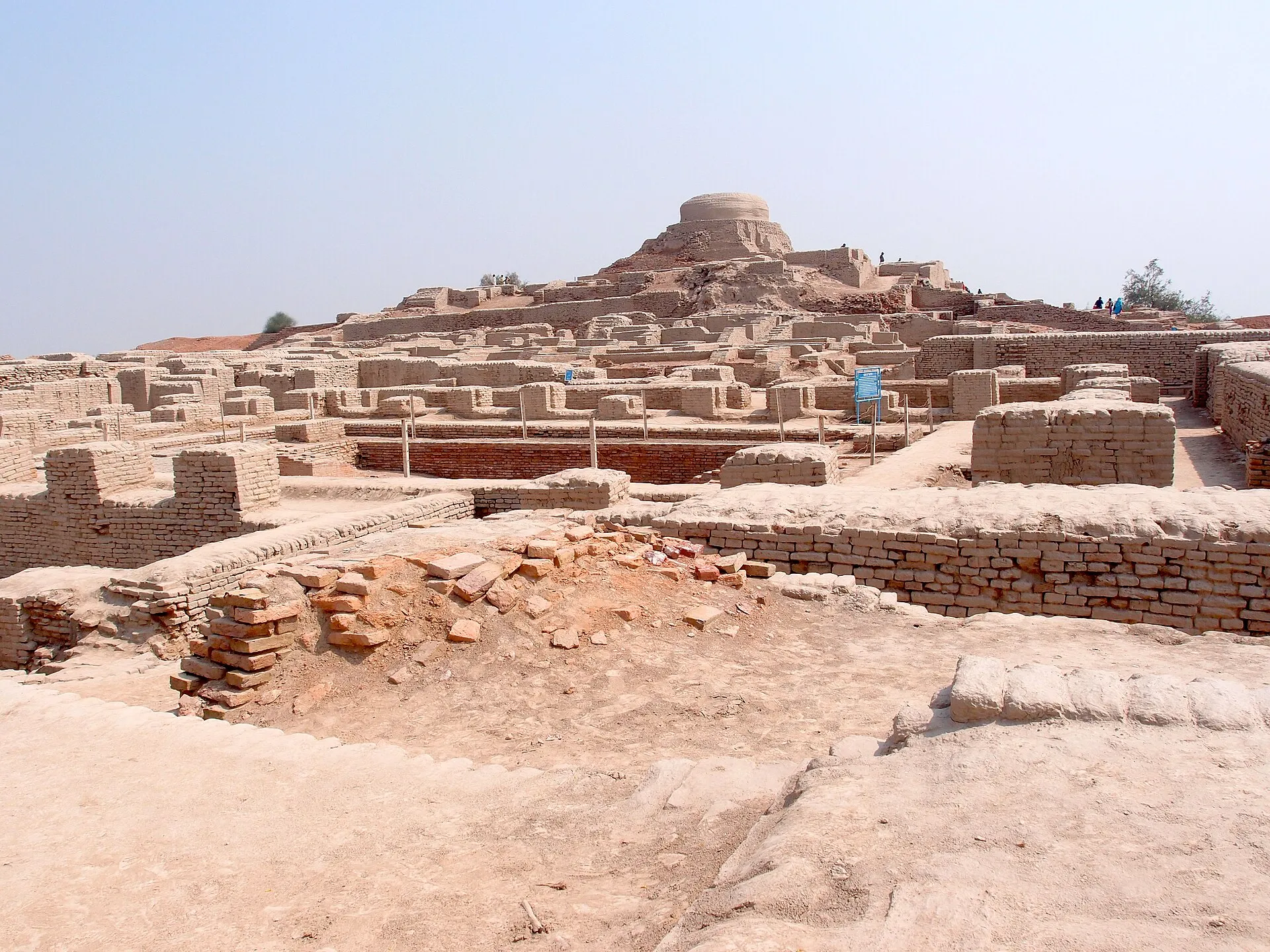
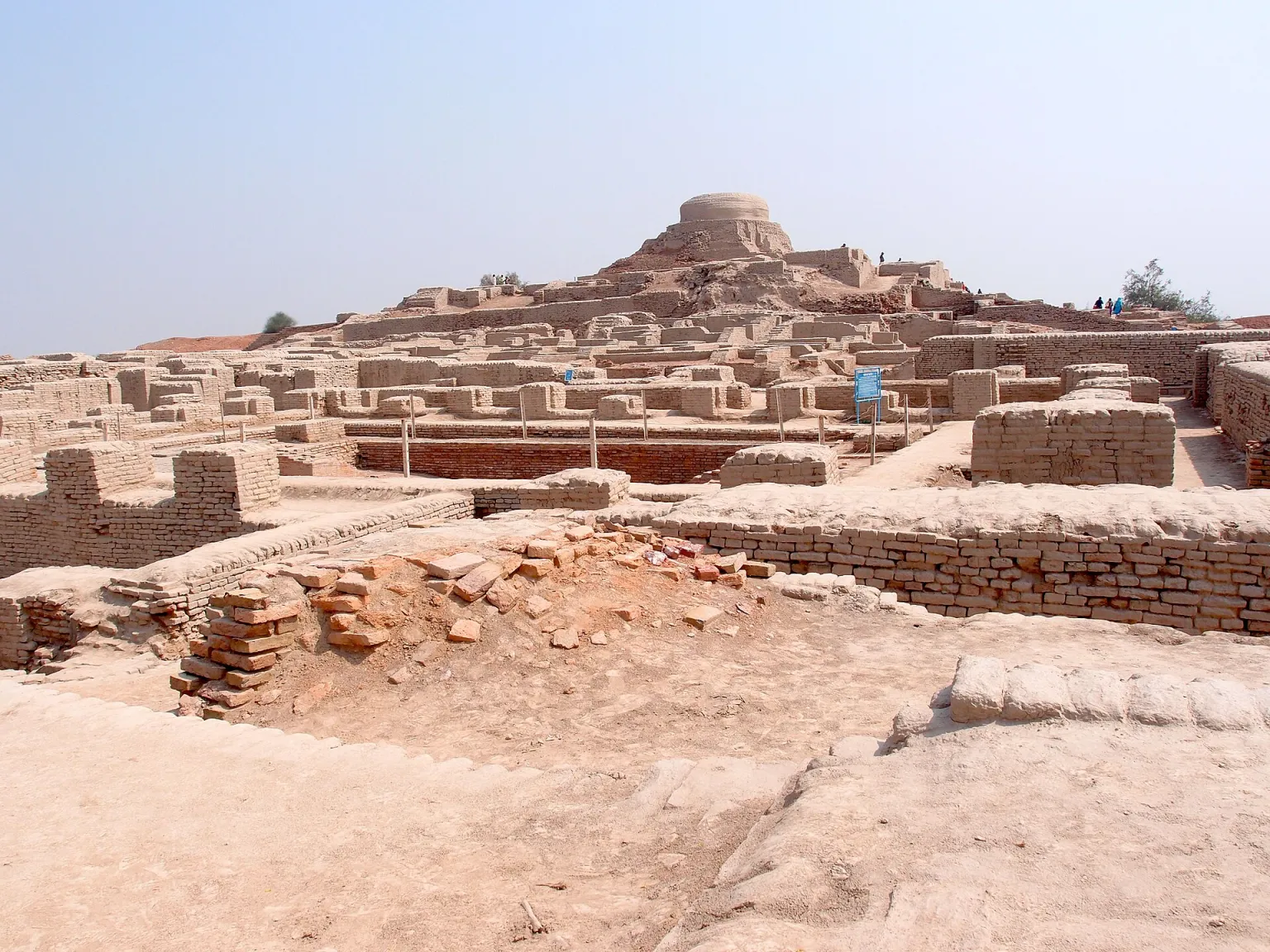
The citadel mound of Mohenjo-daro with the remains of a Buddhist stupa on top

City guide

Larkana: Gateway to Mohenjo-daro

A canal-side market city in upper Sindh, once a Kalhora capital, home to the Bhutto family mausoleum and a short drive from the Bronze Age streets of Mohenjo-daro.

  • Upper Sindh, west of the Indus
  • Mohenjo-daro nearby
  • Best season: November–February
  • Guavas, rice and dates

Mohenjo-daro, Larkana District, Sindh

Larkana at a Glance

551,716Population (Larkana city)2023 Census; Larkana District 1,784,453
1980Mohenjo-daro on UNESCO listAbout 24 km south of the city (Britannica)
1855Municipality createdDistrict formed 1901
1976Drigh Lake Ramsar site164 ha wetland west of the city

About Larkana

Larkana lies in upper Sindh on the Ghar canal, a short way west of the Indus, in some of the most fertile land in the province. Its name is linked to the Larak tribe, and the surrounding plain has long been called the Garden of Sindh for its canal-fed fields of rice, wheat and sugarcane and its orchards of guavas, mangoes and dates.

The 2023 Census counted 551,716 people in Larkana city and 1,784,453 in Larkana District, making it one of Sindh's largest cities after Karachi and Hyderabad. It is a grain market and trading town, a railway junction and a centre of education and medicine, with Chandka Medical College and Cadet College Larkana among its institutions.

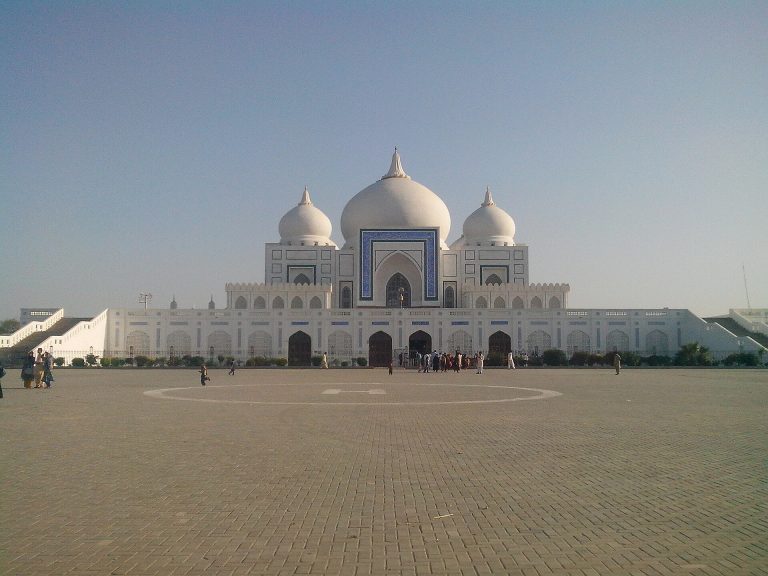
For most visitors Larkana is the base for Mohenjo-daro, the great Bronze Age city of the Indus Valley Civilisation, which lies about 24 km to the south. But the city also has its own story. It served as a capital of Sindh under the Kalhora rulers in the 18th century, and in modern times it is closely tied to the Bhutto family, whose ancestral cemetery and mausoleum at Garhi Khuda Bakhsh lie in the district.

The old city sits east of the railway lines, with its bazaars and older houses; to the west are Lahori village and the Civil Lines, laid out in British times for officials. Larkana is busy, flat and hot for much of the year, and its pleasures are everyday ones: a plate of Sindhi biryani, fresh guavas in season, and long evenings on the canal banks.

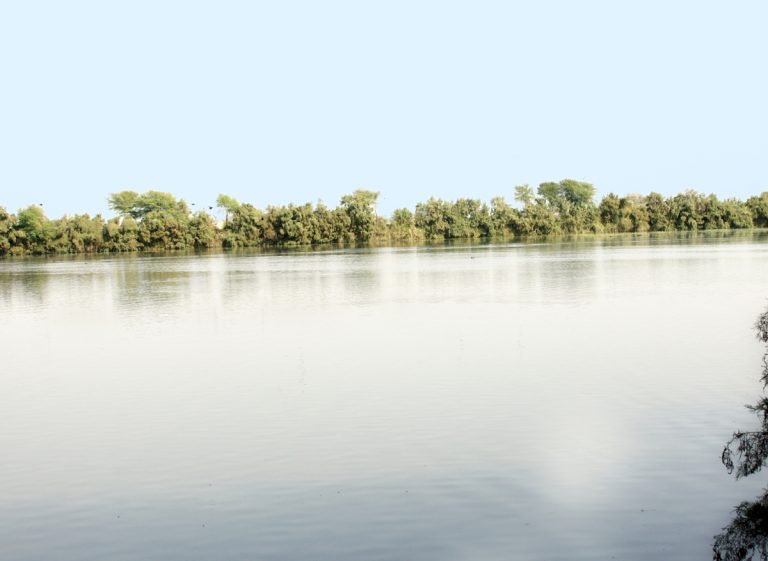
Larkana's fame rests on a city that was already ancient when the Indus first changed course past it.
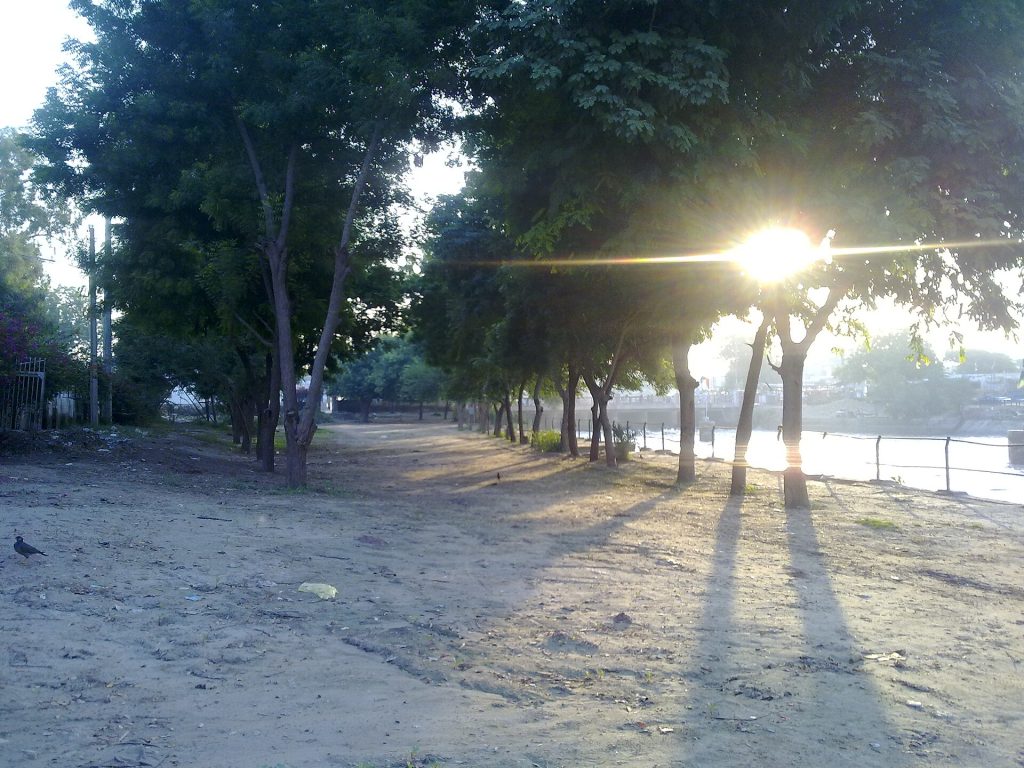
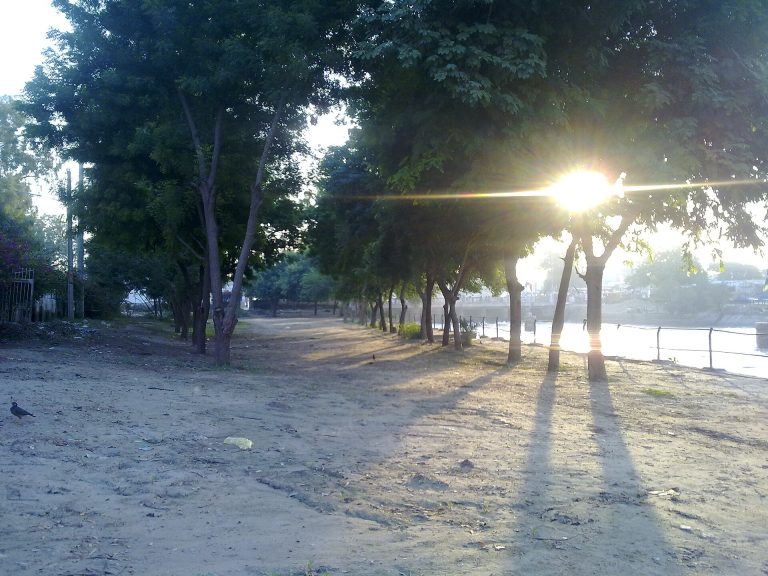
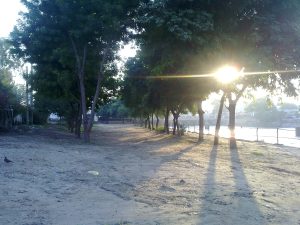
Morning view along the bank of the Rice Canal near Larkana
Morning on the bank of the Rice Canal, which waters Larkana's fields.

Top Attractions in and around Larkana

A World Heritage city, a political shrine and a wetland, all within easy reach.

Visiting Mohenjo-daro from Larkana

What you will see

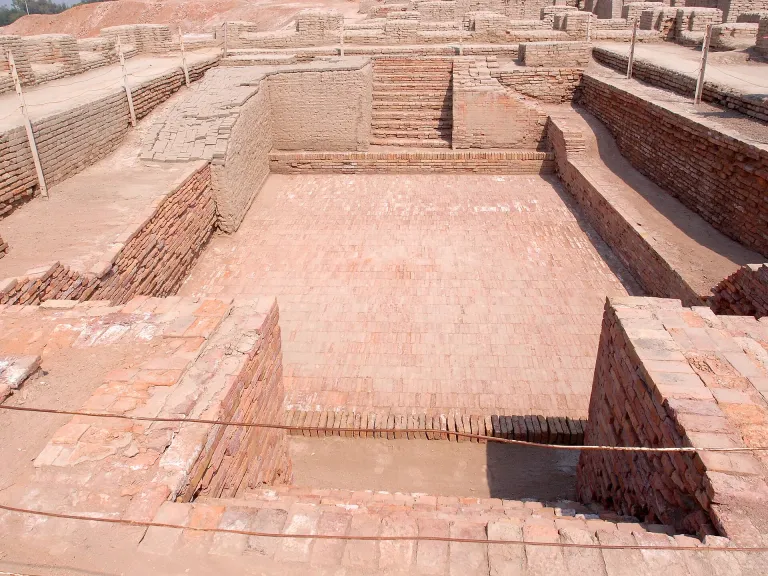
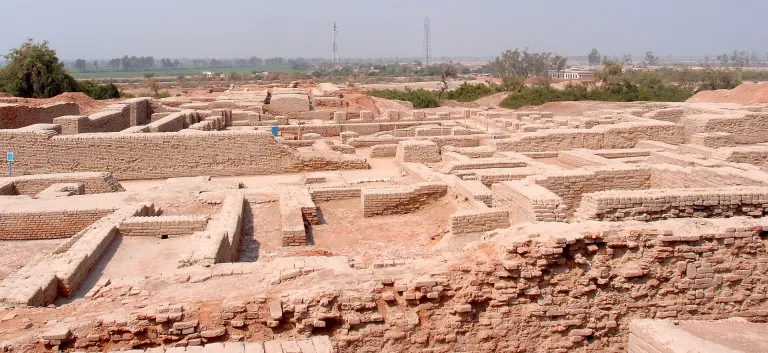
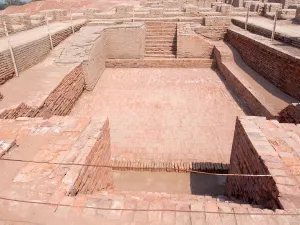
The site covers about 240 hectares, and UNESCO notes that only around a third has been excavated. Start on the citadel mound, crowned by a Buddhist stupa built many centuries after the city was abandoned, then walk down to the Great Bath and the lower town, where brick drains, wells and doorways line the streets.

Explore
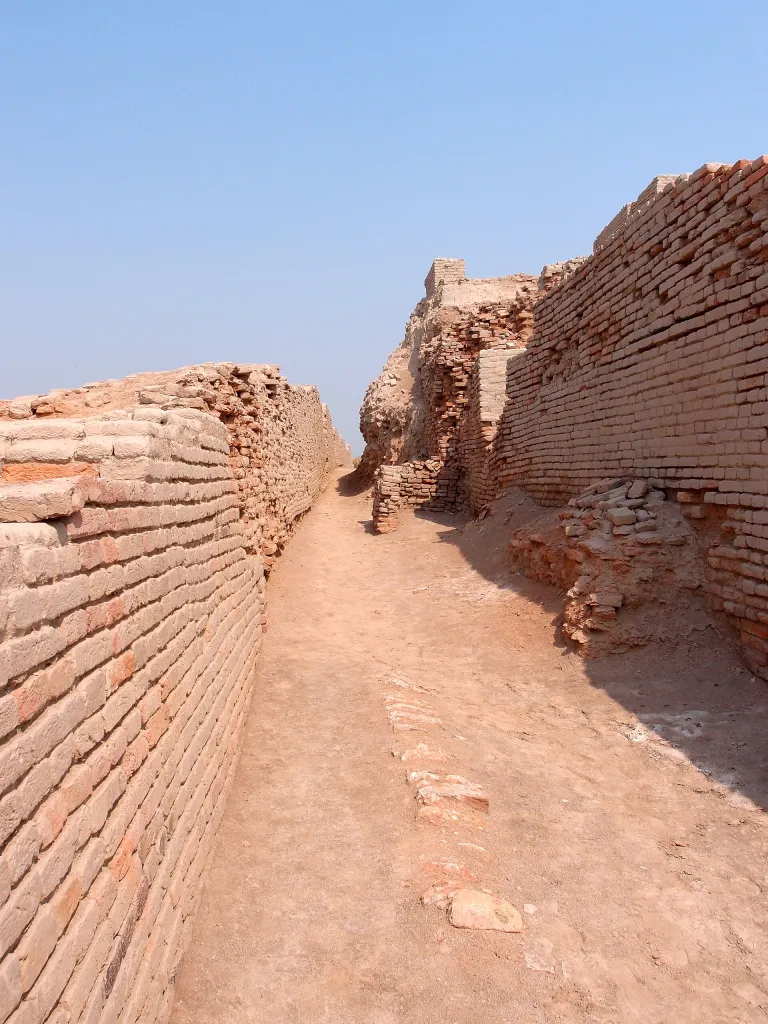
A narrow brick street near the stupa mound at Mohenjo-daro

Practical tips

Go early in the morning, especially from March onwards, as there is little shade. Carry water and a hat, stay on the marked paths and do not climb on the walls: the brickwork is fragile and salt damage is a constant threat. Check opening times and ticket arrangements locally before you set out.

Excavated brick ruins of Mohenjo-daro seen from the stupa mound

A Short History of Larkana

  1. 3rd millennium BCE

    Mohenjo-daro

    One of the largest cities of the Indus Valley Civilisation flourishes south of present-day Larkana.

  2. 18th century

    Kalhora capital

    Larkana serves as a capital of Sindh under the Kalhora rulers, who leave historic buildings in the town.

  3. 1855

    Municipality

    Under British rule Larkana is incorporated as a municipality.

  4. 1901

    District formed

    Larkana District is created, with the town as its headquarters.

  5. 1922

    Mohenjo-daro identified

    R. D. Banerji of the Archaeological Survey of India identifies the ruins, and major excavations follow in the 1920s.

  6. 1976

    Drigh Lake protected

    Drigh Lake is designated a Ramsar wetland of international importance.

  7. 1980

    World Heritage

    UNESCO inscribes the Archaeological Ruins at Moenjodaro on the World Heritage List.

Getting There and Around

By air

Moenjodaro Airport or Sukkur

A small airport serves the Mohenjo-daro area; check with airlines whether scheduled flights are operating. Sukkur Airport is the usual alternative.

By rail

Larkana Junction

Larkana is a railway junction with links towards Sukkur and southern Sindh. Check current services with Pakistan Railways.

By road

From Sukkur or Hyderabad

Larkana is linked by road to Sukkur and to the towns of the right bank of the Indus. A car with driver is the easiest way to combine the city with Mohenjo-daro.

Around town

Rickshaws and qingqis

Auto-rickshaws and motorbike rickshaws are the norm; agree the fare before you set off.

Plan Your Visit

Best time to visit

November to February

Winter days are mild and sunny, ideal for walking the ruins.

Weather

Extreme summer heat

Upper Sindh is among the hottest places in Pakistan from May to August. Sightsee at dawn if you must travel then.

Where to stay

City hotels

Most visitors stay in Larkana city or in Sukkur and make Mohenjo-daro a day trip.

Etiquette

Modest dress

Dress conservatively, especially at shrines and the Bhutto mausoleum, and ask before photographing people.

Safety

Check before you go

Check current advisories and local authority guidance before travelling by road in rural upper Sindh.

The citadel mound of Mohenjo-daro with the remains of a Buddhist stupa on top

Your journey awaits

Walk the Streets of Mohenjo-daro

Base yourself in Larkana, rise early and watch the sun light up the brick lanes of one of the world's oldest planned cities.

Explore Mohenjo-daro

Larkana Through Time

Every dated moment our guides record about Larkana, from its own history and from national events that touched it. Each entry links to its source page.

  1. 1922–1931 (announced 20 September 1924)

    Discovery of Mohenjo-daro

    Excavations that began at Mohenjo-daro in Sindh in 1922 revealed a planned Bronze Age city of the Indus Civilization. Announced to the world in 1924, the finds pushed the known history of the region back by thousands of years.

    Read the full record

  2. 5 January 1928

    Born near Larkana

    Born at Ratodero near Larkana, Sindh, into the Bhutto landowning family.

    From: Zulfikar Ali Bhutto

  3. 4 April 1979

    Executed

    Hanged at Rawalpindi District Jail after the Supreme Court upholds his conviction; buried at the family mausoleum at Garhi Khuda Bakhsh, Larkana district.

    From: Zulfikar Ali Bhutto

  4. 2004

    New district

    Qambar Shahdadkot District is created from Larkana District.

    From: Shahdadkot

Do you remember Larkana as it used to be? Share a memory or an old photo, our editors review every story before it appears.

Frequently Asked Questions

What is the population of Larkana?

The 2023 Census counted 551,716 people in Larkana city (Municipal Corporation) and 1,784,453 in Larkana District (Pakistan Bureau of Statistics).

How far is Mohenjo-daro from Larkana?

Britannica puts the ruins about 24 km (15 miles) south of Larkana, an easy half-day trip by road. Check site opening times before you go.

Why is Larkana called the Garden of Sindh?

The canal-irrigated plain around the city is one of Sindh's most fertile areas, producing rice, wheat and sugarcane along with guavas, mangoes and dates.

Where are Zulfikar Ali Bhutto and Benazir Bhutto buried?

In the Bhutto family mausoleum at Garhi Khuda Bakhsh in Larkana District.

When is the best time to visit Larkana?

November to February. Summers are extremely hot, which makes walking around Mohenjo-daro difficult from May to August.

How we know this

  • Type Place guide
  • Sources 6 (4 official/academic)
  • Reviewed October 2026
  • Disputed points None
6 sources
  1. Census 2023 – Sindh: urban localities by population size (Table 2), Pakistan Bureau of Statistics
  2. Pakistan: Administrative Division – Sindh districts (Census 2017 and 2023), City Population (Thomas Brinkhoff), citing Pakistan Bureau of Statistics
  3. Larkana, Encyclopaedia Britannica
  4. Archaeological Ruins at Moenjodaro, UNESCO World Heritage Centre
  5. Advisory Body Evaluation: Moenjodaro (No. 138), UNESCO / ICOMOS
  6. Ramsar Sites annotated summary – Pakistan, Ramsar Convention Secretariat
Photo credits (10)
Suggest a correction

Stay updated

Stay Connected with DailyLife.pk

Get new travel guides, recipes and stories from across Pakistan, no spam, unsubscribe any time.

Your Pakistan journey starts here

From majestic mountains to vibrant cities, rich cuisine to timeless traditions — discover the real Pakistan with DailyLife.pk.