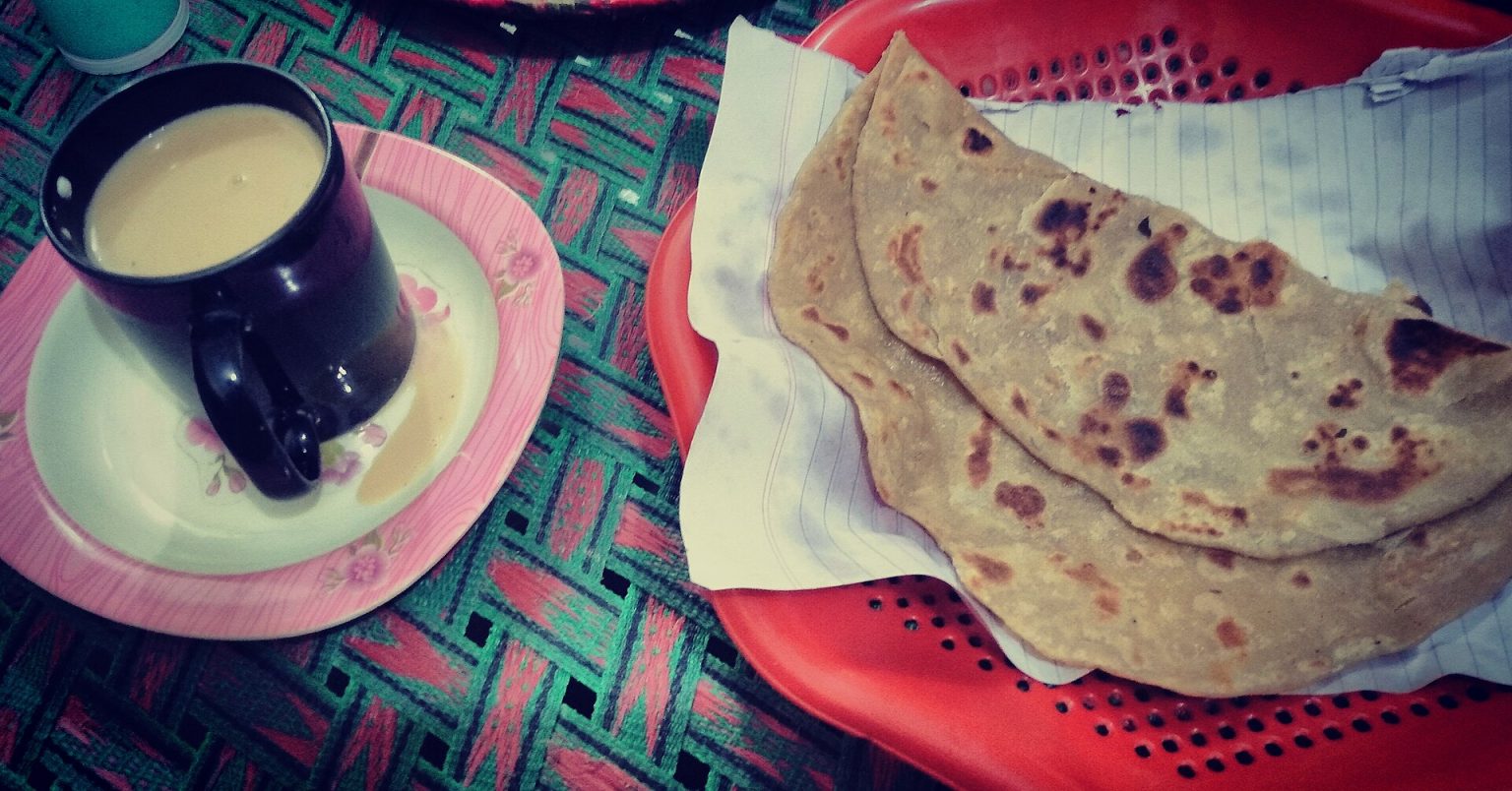
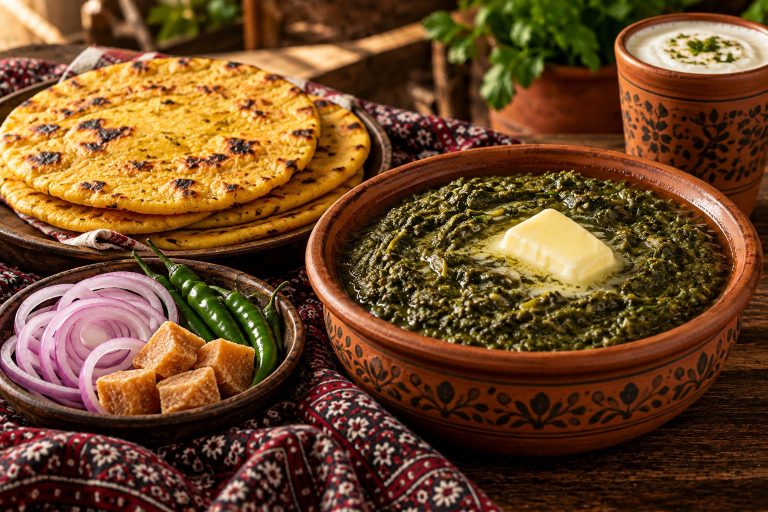
A breakfast of salted paratha with a cup of chai

Cooking guide

AttaWater, Patience: Pakistani Breads at Home

One flour, three breads. How to choose atta, knead to the right softness, rest, roll and cook roti on the tawa, fold flaky parathas and fry puffed puris.

  • Whole-wheat chakki atta
  • Rest at least 20–30 minutes
  • Hot tawa, quick cooking

Pakistan

The Daily Bread

Across most of Pakistan, a meal means bread. In homes the staple is the roti or chapati, an unleavened whole-wheat flatbread cooked on a tawa; Encyclopaedia Britannica notes that roti and phulka are other names for it. Fold fat into the dough as you roll and you get a paratha, fried on the tawa until crisp and layered. Roll the same dough small and deep-fry it and you have the puri of a Sunday halwa puri breakfast. Naan and tandoori roti come from the leavened doughs and clay ovens of the neighbourhood tandoor and are a different craft.

All three home breads start with atta, whole-wheat flour usually stone-ground (chakki) so that it is fine, slightly coarse with bran, and absorbs a lot of water. The rules are short: knead a soft dough, let it rest, roll evenly, and cook on high heat quickly. Most hard, leathery rotis come from breaking one of these.

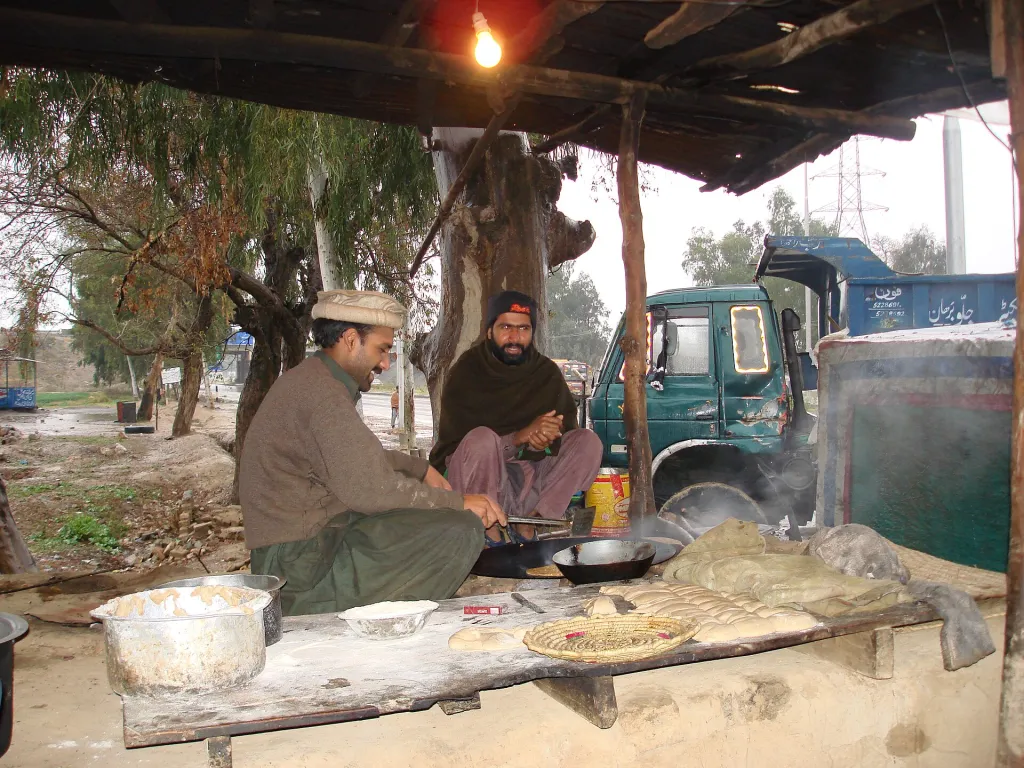
Naan being cooked at a roadside tandoor near Wah, Punjab
Tandoor naan is usually bought; roti, paratha and puri are the breads cooked at home.

Choosing Your Flour

FlourWhat it isBest for
Chakki attaStone-ground whole-wheat flour; fine, with some bran; absorbs plenty of waterEveryday roti, paratha and puri
Fine attaMore finely milled or partly sifted whole-wheat flour, sold under labels such as fine or superfineVery soft, thin rotis and phulkas
Maida (white flour)Refined plain flourPuri (often mixed with atta), lachha and warqi parathas, samosa pastry
Chapati flour (UK) / atta (abroad)Sold in brown, medium and white grades in South Asian aislesBrown or medium is closest to Pakistani chakki atta
Western wholemeal flourCoarser, often with large bran flakesUsable, but expect a slightly drier, rougher roti; sift out coarse bran or mix with plain flour
Makki ka atta (maize flour)Fine yellow cornmeal, no glutenMakki ki roti with saag; patted by hand, not rolled

Making the Dough

  1. 1

    Add water gradually

    Whole-wheat atta typically needs roughly 60–75% of its weight in water (about ⅔–¾ cup per 2 cups), depending on the flour. King Arthur's roti recipe, for example, uses 170 g hot water to 226 g flour. Add most of it, then the rest a spoonful at a time.

  2. 2

    Knead until soft and smooth

    Push with the heel of your hand, fold and turn for several minutes. The dough should be soft enough to dent easily, slightly tacky but not sticking to clean hands. Wet your hands rather than adding dry flour if it feels stiff.

  3. 3

    Rest it

    Cover and leave at room temperature for at least 20–30 minutes (up to about an hour). Resting lets the bran soften and the gluten relax, so the dough rolls thin without springing back.

  4. 4

    Knead briefly again

    A final 30-second knead with a little oil or water makes it supple.

  5. 5

    Divide into even balls

    Pinch off pieces the size of a large walnut or small lime for roti, slightly larger for paratha, smaller for puri. Keep them covered so they don't dry out.

Dough at a Glance

BreadDough textureFat in the doughCooked
Roti / chapatiSoft and pliableNone or a littleDry tawa; puffed over flame or pressed with a cloth
ParathaSoft, slightly firmer than rotiOften a little oil or ghee; much more brushed into the layersTawa, with ghee or oil, until crisp
Stuffed parathaSoft, well restedLittleTawa, with ghee; rolled gently around the filling
PuriStiffer than roti so it doesn't absorb oilA spoonful of oil; sometimes semolinaDeep-fried in hot oil until puffed

Rolling and Cooking Roti

  1. 1

    Heat the tawa well

    An iron tawa should be hot before the first roti goes on; a drop of water should sizzle and evaporate quickly. A cool tawa makes hard, dry rotis.

  2. 2

    Roll evenly

    Flatten a ball, dust lightly with dry atta and roll from the centre outwards, turning a quarter-turn now and then. Even thickness matters more than a perfect circle.

  3. 3

    First side: brief

    Lay it on the tawa and cook until small bubbles appear and the underside is just set, usually well under a minute.

  4. 4

    Second side: spots

    Flip and cook until light brown spots form.

  5. 5

    Puff it

    Either hold it with tongs over a gas flame for a few seconds, as a phulka, or press the edges with a folded cloth on the tawa so steam inflates it.

  6. 6

    Keep warm

    Brush with ghee or butter if you like and stack in a cloth-lined chabba or covered box so the steam keeps them soft.

Layered Parathas

The folded (tikona or square) paratha

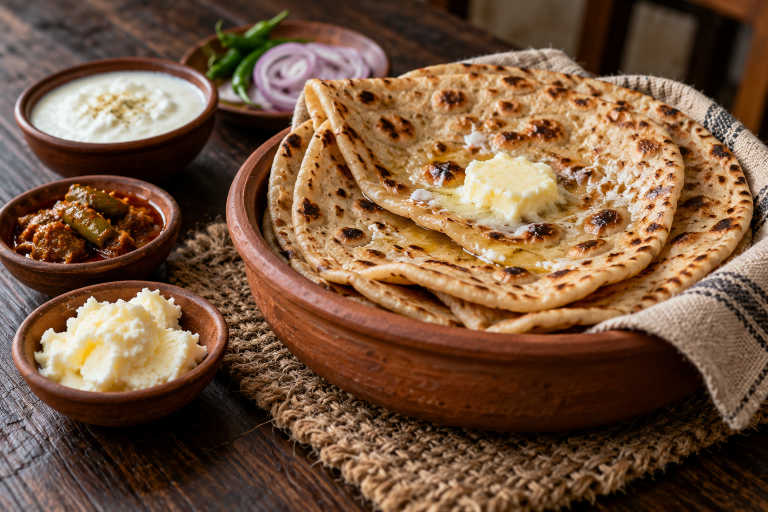
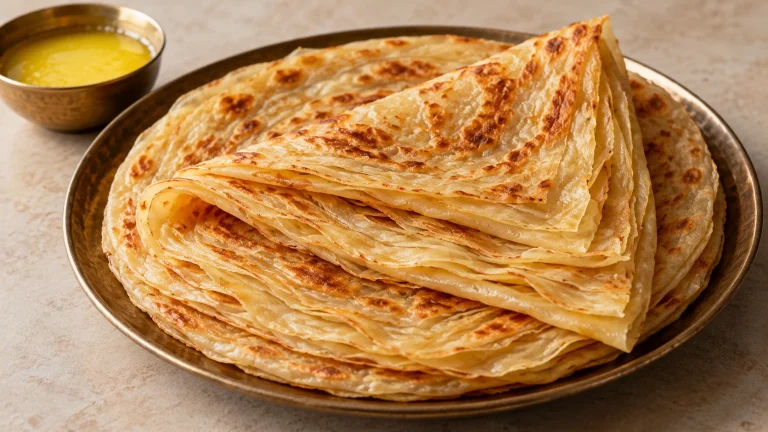
Roll a ball into a thin round, brush it with ghee and sprinkle with a little atta. Fold in half and brush again, then in half again to make a triangle, or fold the sides into the centre to make a square. Roll it out gently without pressing the layers flat. Cook on a medium-hot tawa, adding ghee to each side and pressing with a spatula, until crisp and golden with visible layers.

Explore

Lachha and warqi

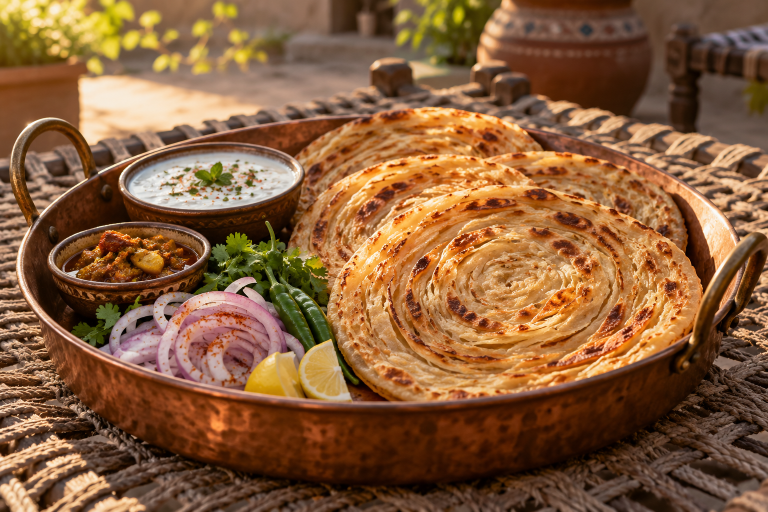
For lachha, the greased round is pleated like a paper fan or cut into strips, then coiled into a spiral, rested and rolled; it cooks into rings of flaky layers you pull apart with your fingers. Warqi paratha uses a richer, often maida-based dough stretched very thin and layered for a pastry-like effect. Both need a properly rested dough and generous ghee.

Explore

Frying Puri

Puri dough is kneaded stiffer than roti dough, often with a little oil and sometimes semolina, so that it puffs and stays crisp rather than soaking up oil. Roll small, even rounds without dusting too much flour, which burns in the oil. Heat the oil until a pinch of dough rises to the surface quickly with lively bubbles, slide one puri in, and press it gently with a slotted spoon so it balloons; turn once and lift out when golden. See our frying safely at home guide for temperature ranges and oil safety.

Bread Troubleshooting

ProblemLikely causeFix
Hard, leathery rotiStiff dough, not rested, tawa too cool, cooked too longKnead softer, rest at least 20–30 minutes, heat the tawa properly, cook quickly.
Roti won't puffUneven rolling, torn surface, tawa not hot, too much dry flourRoll evenly, shake off excess flour, cook second side on high heat, then flame or press.
Dough sticky and hard to rollToo much water or not restedRest it longer; use a light dusting of atta; oil your hands.
Dough springs backGluten not relaxedCover and rest another 10–15 minutes.
Paratha not flakyToo little ghee in layers, pressed too hard while rollingBrush layers generously and roll with light pressure.
Puri flat or oilyOil not hot enough, dough too soft, holes in the roundKnead stiffer; heat oil until test dough rises quickly; roll without tears.
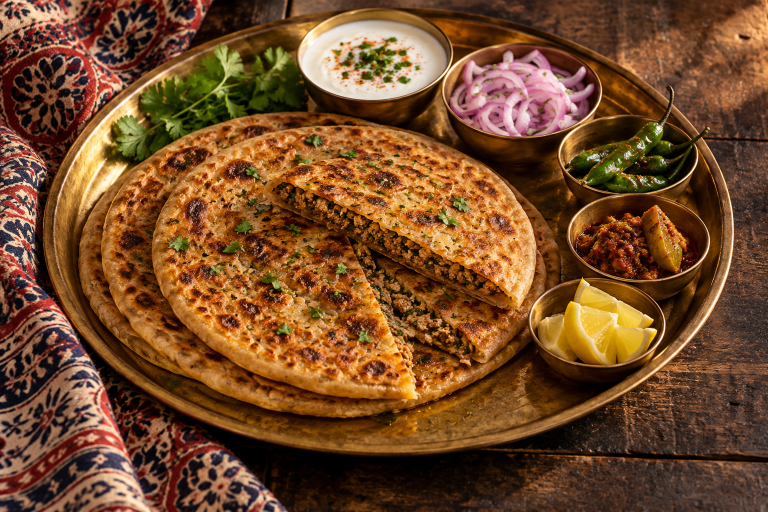
Stuffed paratha burstsWet or chunky filling, overfilledSqueeze filling dry, mash finely, seal well and roll gently.

Frequently Asked Questions

What is the difference between roti, chapati and phulka?

In everyday Pakistani use they are largely the same unleavened whole-wheat flatbread cooked on a tawa. 'Phulka' usually means a roti puffed over an open flame.

How long should roti dough rest?

At least 20–30 minutes at room temperature, and up to about an hour. Resting softens the bran and relaxes the gluten so the dough rolls thin and the roti stays soft.

Can I keep dough in the fridge?

Yes, tightly covered, for use within a day or two. Bring it back towards room temperature and knead briefly before rolling. Dough can darken slightly on standing.

Why are my rotis soft when hot but hard later?

They are probably slightly overcooked, or not kept covered. Cook quickly on a hot tawa and stack them in a cloth-lined box so the steam keeps them soft.

I can't find chakki atta abroad. What should I use?

Look for 'chapati flour' or 'atta' (brown or medium) in South Asian groceries and many large supermarkets. Ordinary wholemeal flour works, but sifting out coarse bran or mixing in some plain flour gives a softer result.

How we know this

  • Type Explainer
  • Sources 4 (3 official/academic)
  • Reviewed October 2026
  • Disputed points None
4 sources
  1. Chapati, Encyclopaedia Britannica
  2. Roti, King Arthur Baking
  3. Deep Fat Frying and Food Safety, USDA Food Safety and Inspection Service
  4. Cooking fire safety, U.S. Fire Administration (FEMA)
Photo credits (5)
Suggest a correction

Stay updated

Stay Connected with DailyLife.pk

Get new travel guides, recipes and stories from across Pakistan, no spam, unsubscribe any time.

Your Pakistan journey starts here

From majestic mountains to vibrant cities, rich cuisine to timeless traditions — discover the real Pakistan with DailyLife.pk.