
Cooking guide
Cooking Pakistani Food Far From Home
Where to find atta, basmati, spices and the right cuts of meat in the UK, North America and the Gulf, what supermarket labels mean, and what to use when you can't get the real thing.
- UK, North America, the Gulf
- Supermarket, Asian grocer, halal butcher
- Smart substitutes
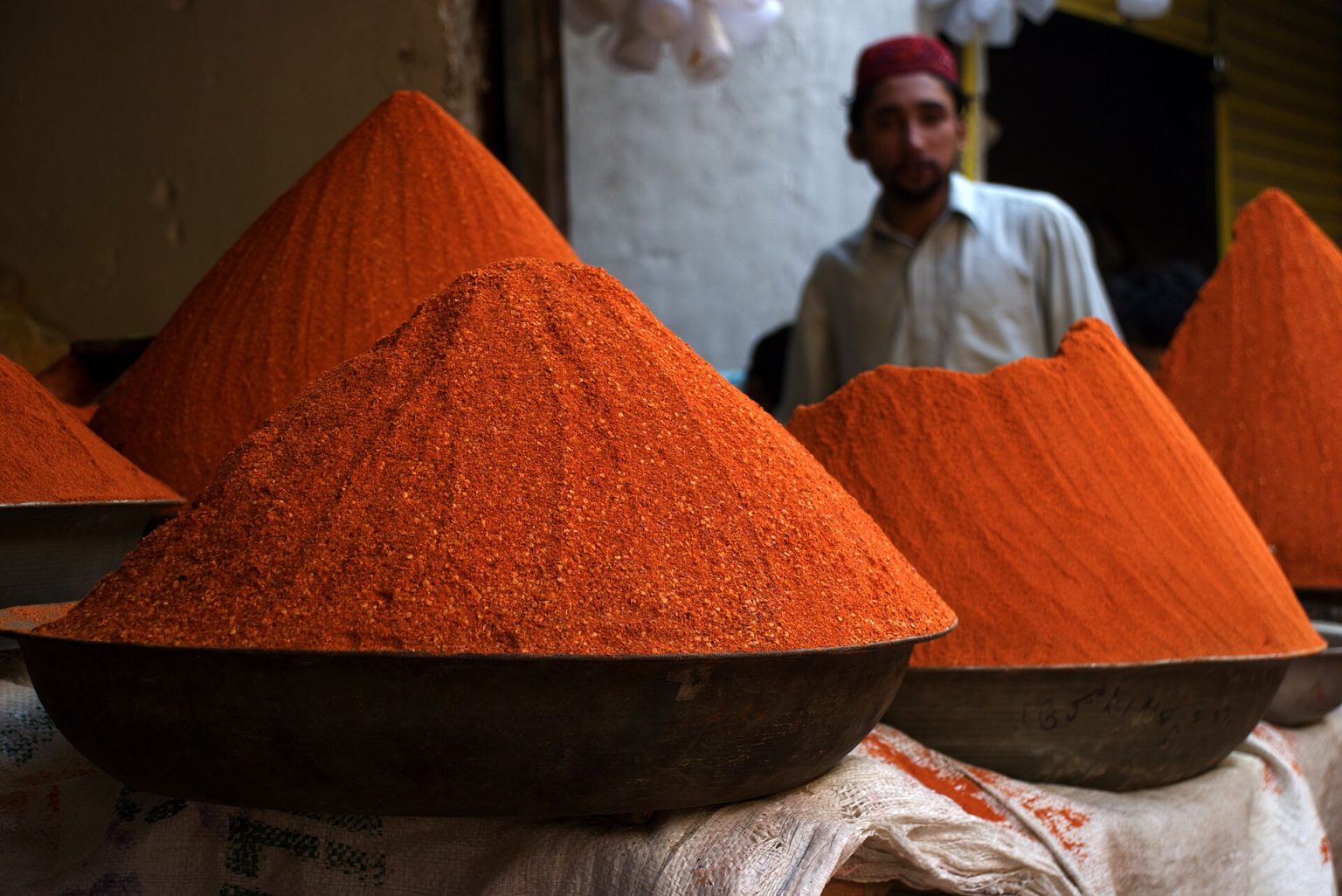
Bahawalpur, Punjab
A Pakistani Kitchen Anywhere
Millions of Pakistanis live and cook abroad, and the dishes of home travel with them: Sunday biryani in Bradford, karahi in Houston, daal chawal in Dubai. The good news is that in most cities with a South Asian community almost everything you need is available. The challenge is knowing where to look and what it is called, because supermarket labels translate Pakistani ingredients in sometimes confusing ways, and a few things (the right cut of mutton, makki ka atta, fresh methi) take some hunting.
Most cooks end up shopping in three places: a large supermarket, which in the UK, Canada and the Gulf often has a dedicated 'world foods' or Asian aisle; an Asian or South Asian grocer, for big bags of atta and rice, spices by the bag, fresh vegetables and Pakistani brands; and a halal butcher, who will cut meat the Pakistani way. In the Gulf states, large hypermarkets typically stock Pakistani rice, flour, spices and spice mixes alongside fresh meat counters.
Kitchen equipment matters too. Electric and induction hobs heat differently from a gas flame: use a heavy pan for bhunai, the oven for dum, and press rotis with a cloth on the tawa instead of puffing them over a flame.

Where to Find the Basics
Atta
Look for 'chapati flour' or 'atta'
Sold in big bags at Asian grocers and many supermarkets; brown or medium grades are closest to chakki atta. Wholemeal or white whole-wheat flour is a workable fallback.
Basmati
Check the label
Basmati sold in the UK must meet a code of practice set by the Food Standards Agency and the Rice Association, which lists approved varieties and requires origin in Pakistan or India. Aged basmati gives longer grains.
Spices
Buy big bags at Asian grocers
Far cheaper than supermarket jars. Buy whole spices where you can and grind small amounts; ground spices lose aroma within months.
Meat
Halal butcher
Ask for bone-in 'curry cut' pieces, goat or mutton, shank for nihari and trotters for paye. Supermarkets rarely cut meat this way.
Fresh produce
Asian and Middle Eastern grocers
Fresh coriander, mint, green chillies, methi, karela, lauki, tinda and arvi are easiest found here.
Dairy
Supermarket
Full-fat plain yoghurt, paneer, cream and ghee are now widely available.
What Is It Called Here?
| Urdu name | UK label | US / Canada label | Watch out |
|---|---|---|---|
| Besan | Gram flour | Chickpea flour / garbanzo bean flour | Some US chickpea flour is milled from large white chickpeas and behaves slightly differently; besan from Asian grocers, milled from split chana daal, is closest |
| Makki ka atta | Maize flour, fine cornmeal | Fine yellow cornmeal / corn flour | UK 'cornflour' is cornstarch: not the same |
| Maida | Plain flour | All-purpose flour | , |
| Sooji | Semolina | Semolina / farina (cream of wheat) | , |
| Dahi | Natural or plain yoghurt | Plain whole-milk yoghurt | Avoid 'set' yoghurts with gelatin or added sugar |
| Malai | Double cream / clotted cream | Heavy cream | , |
| Kalonji | Nigella seeds, sometimes 'black onion seeds' | Nigella seeds | Not onion seeds and not black cumin (shahi zeera) |
| Ajwain | Carom seeds | Carom / ajwain | , |
| Lauki | Bottle gourd, dudhi | Bottle gourd, opo squash | , |
| Karela | Bitter gourd | Bitter melon | , |
| Arvi | Eddoes, taro | Taro root | Choose small ones |
| Mutton | Goat or mutton (often from halal butchers) | Goat | In the UK 'mutton' usually means older sheep, not goat |
| Paye | Lamb or goat trotters | Goat or lamb feet | Ask your halal butcher to clean and split them |
Substitutes Table
When you can't find the real thing, these get you close.
| Ingredient | Best substitute | Notes |
|---|---|---|
| Chakki atta | Chapati flour (brown/medium); or wholemeal mixed with some plain flour | Sift out coarse bran for softer rotis; add water gradually |
| Desi ghee | Jarred ghee, or clarify unsalted butter yourself | Melt butter, simmer until the milk solids turn golden, strain |
| Fresh green chillies | Finger chillies, serrano, or Thai bird's-eye | Heat varies a lot; bird's-eye are much hotter, so use fewer |
| Kasuri methi | Dried fenugreek leaves from Asian grocers | No good substitute; a little fresh fenugreek or omit |
| Imli (tamarind) | Tamarind block or paste | Paste is concentrated: start with a teaspoon. Lemon juice in a pinch |
| Khoya | Full-fat milk powder mixed with a little cream or ghee; or reduced whole milk | Works well in halwas and burfi |
| Paneer | Shop-bought paneer, or make your own from whole milk and lemon juice | Halloumi is too salty and squeaky |
| Sarson (mustard greens) | Mustard greens from Asian grocers; or spinach with kale or turnip greens | Spinach alone gives a milder, softer saag |
| Desi (country) chicken | Bone-in thighs and drumsticks | Cook for less time than a desi bird |
| Goat / mutton | Lamb shoulder or neck on the bone | Lamb cooks faster and is fattier |
| Beef nalli for nihari | Beef shin (UK) / beef shank (US) with marrow bones | Slow-cook or pressure-cook |
| Packet spice mix (biryani or karahi masala) | Home-made blend of chilli, coriander, cumin, turmeric and garam masala | Many Pakistani-brand mixes are also sold abroad |
| Lauki, tinda | Courgette (zucchini) | Add later; it softens faster |
| Kewra water | A drop of rose water | Use very sparingly |
Practical Tips for Cooking Away from Home
- Buy rice, atta and spices in bulk at Asian grocers; they are much cheaper than small supermarket packs.
- Store spices airtight, away from light and heat, and buy ground spices in smaller amounts.
- When buying meat in bulk from a halal butcher, portion and freeze it promptly; defrost it in the fridge, as the UK Food Standards Agency recommends.
- If you use tinned chickpeas, rajma or lobia, they are already cooked: just rinse and simmer in your masala. Dried kidney beans must be soaked and boiled hard before eating.
- Smoke alarms are sensitive: open a window and switch on the extractor before tarka or deep-frying.
- On electric hobs, heat the tawa fully before cooking rotis and move it off the heat to cool down, as the element stays hot.
- Freeze ginger-garlic paste in ice-cube trays for quick weekday cooking.
Abroad Troubleshooting
| Problem | Likely cause | Fix |
|---|---|---|
| Rotis come out dry | Wholemeal flour with coarse bran, or strong bread flour | Use chapati flour, or sift wholemeal and mix with plain flour; add more water and rest longer. |
| Rice is sticky | Non-basmati long-grain, or not washed and soaked | Buy basmati from a trusted brand; wash and soak about 20–30 minutes. |
| Curry tastes flat | Old supermarket spices, or 'mild curry powder' | Use fresh whole spices from an Asian grocer and bhuno well. |
| Meat stays tough | Supermarket lean cuts or older mutton | Use bone-in shoulder or shin; pressure-cook or slow-cook longer. |
| Saag too watery or bland | Supermarket spinach only | Add mustard greens or kale, cook down longer and add makki atta to bind. |
| Makki roti cracks | Wrong flour (cornstarch or coarse polenta) | Use fine maize flour and warm water; pat by hand between sheets. |
Taste of Home
 Chicken KarahiNeeds nothing you can't find in a supermarket.
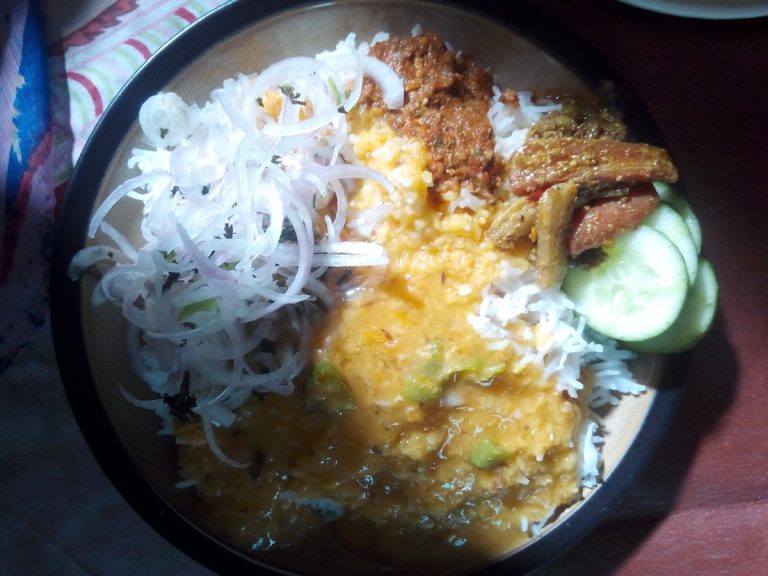 Daal ChawalMasoor daal and basmati: cheap, easy, comforting.
 Plain Basmati RiceGet the basics right with any good basmati.
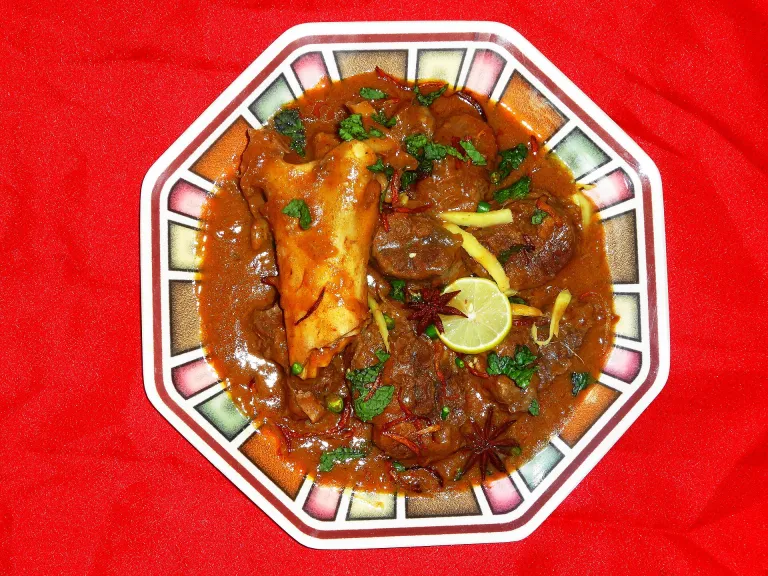 NihariUse beef shin or shank and a slow oven or pressure cooker.
 Chana MasalaWorks perfectly with tinned chickpeas.
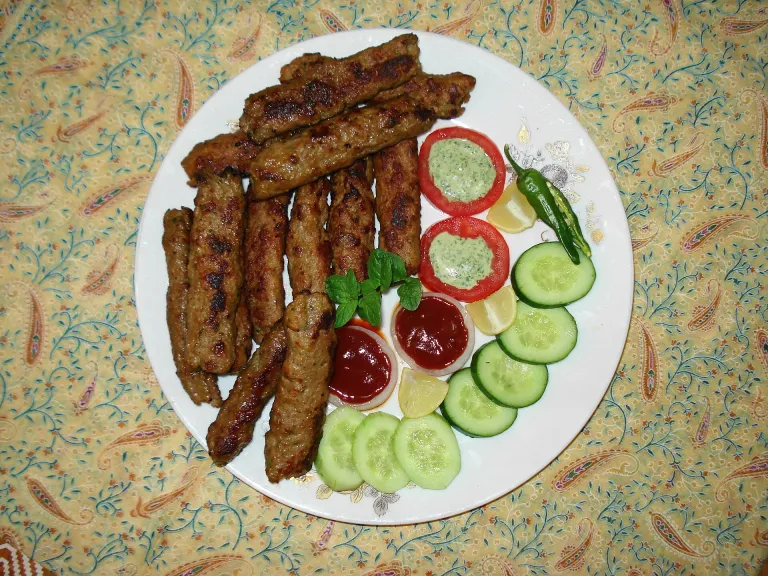 Seekh KebabAsk your halal butcher for fresh mince with some fat.
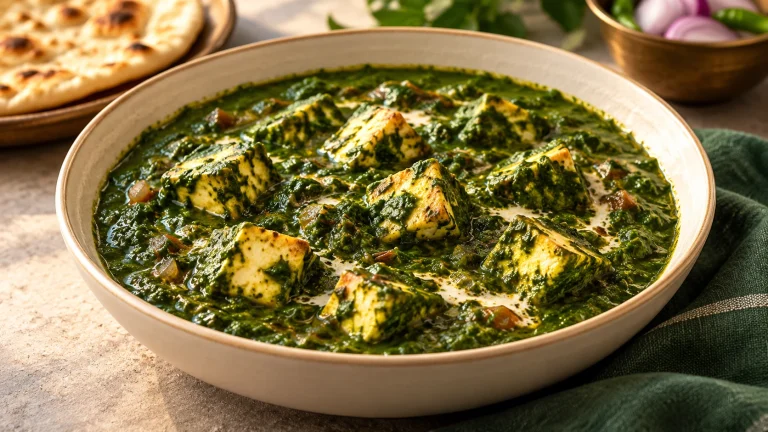 Palak PaneerSupermarket spinach and paneer.
 Aloo ParathaChapati flour and potatoes: weekend breakfast anywhere.
Frequently Asked Questions
What is the best substitute for chakki atta abroad?
'Chapati flour' or 'atta' sold at Asian grocers and many supermarkets, in brown or medium grades. If unavailable, use wholemeal or white whole-wheat flour, sifting out coarse bran or mixing in some plain flour.
Is supermarket basmati real basmati?
In the UK, basmati is covered by a code of practice developed by the Food Standards Agency and the Rice Association, which specifies approved varieties and requires origin in Pakistan or India; authenticity is checked by DNA testing. Buy from reputable brands and check the label.
What cut should I use for nihari outside Pakistan?
Beef shin (UK) or beef shank (US), ideally with marrow bones. Halal butchers can cut it for you.
Can I use cornflour for makki ki roti?
Not UK 'cornflour', which is cornstarch. You need fine maize flour or fine yellow cornmeal, often sold as 'makki atta' at Asian grocers.
Is mutton in the UK the same as in Pakistan?
Not usually. In Pakistan 'mutton' often means goat, while UK mutton is meat from older sheep. For Pakistani recipes, ask a halal butcher for goat, or use lamb shoulder on the bone.
Keep Exploring
Related places and stories on DailyLife.pk
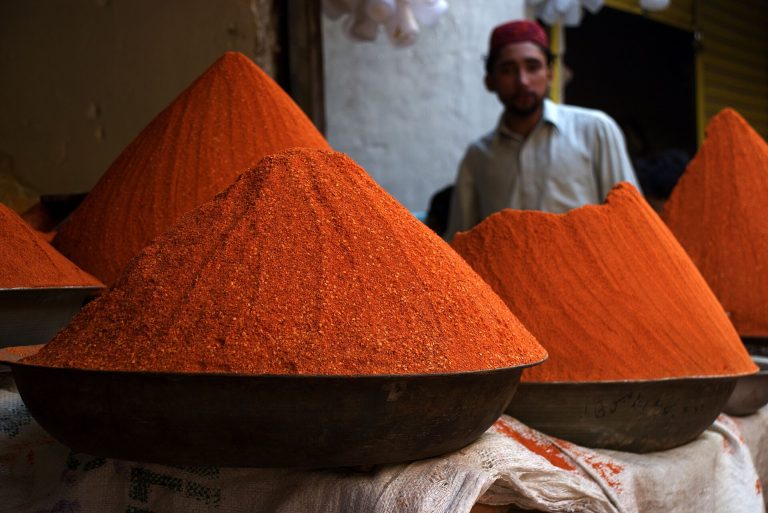 Spices of PakistanPakistani spices explained: key whole and ground spices, garam masala and other blends, Kunri red chillies
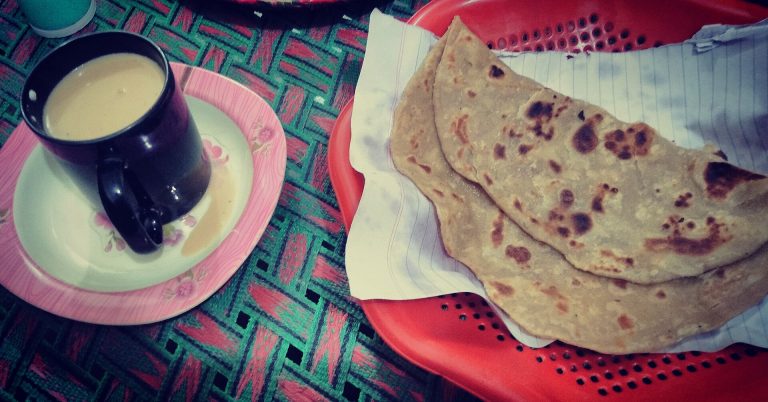 Dough for Roti, Paratha and PuriMake soft roti, flaky paratha and puffed puri: choosing atta, dough hydration, resting, rolling, tawa heat
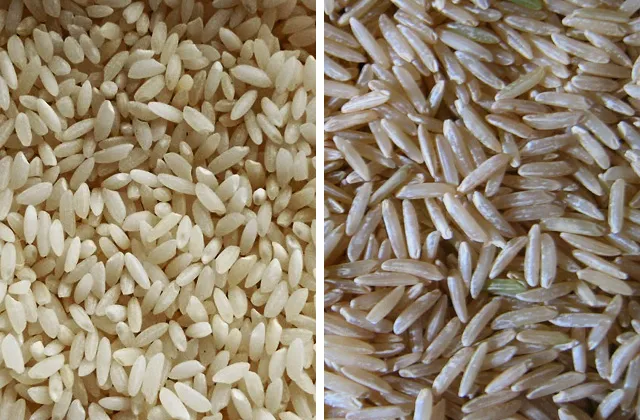 How to Cook Perfect RiceCook basmati the Pakistani way: washing and soaking, boil-and-drain vs absorption, pulao vs biryani riceCooking Daal and BeansCook Pakistani daal and beans: soaking times, pot vs pressure cooker, the tarka
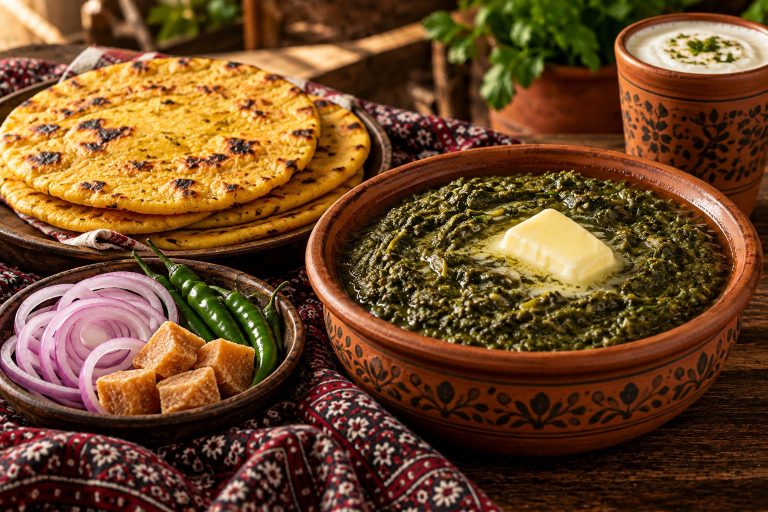 Punjabi CuisinePunjabi food guide: saag and makai roti, halwa puri, paye, Lahori fried fish, sohan halwa, lassi
 Karachi Street FoodKarachi street food guide: Burns Road nihari and rabri, bun kebab, haleem, biryani, chaat
How we know this
- Type Explainer
- Sources 5 (3 official/academic)
- Reviewed October 2026
- Disputed points None
5 sources
- Protecting authentic basmati: UK enforces rice authenticity standards, Bangor University
- Roti, King Arthur Baking
- Chapati, Encyclopaedia Britannica
- How to chill, freeze and defrost food safely, Food Standards Agency (UK)
- Natural Toxins in Food (phytohaemagglutinin in kidney beans), U.S. Food and Drug Administration
Photo credits (8)
- C8-DPPxXsAEeCOy.jpg, Maryum Siddiqui, CC BY-SA 4.0, via Wikimedia Commons
- PK Karachi asv2020-02 img36 Empress Market.jpg, A.Savin, FAL, via Wikimedia Commons
- Chicken Karahi in Pakistan.jpg, Kskhh, CC BY-SA 4.0, via Wikimedia Commons
- Beef Nihari.JPG, Miansari66, CC0, via Wikimedia Commons
- Pindi Chana.JPG, Miansari66, CC0, via Wikimedia Commons
- Aloo Paratha (illustration), DailyLife.pk, Illustrative image
- Seekh Kabab.JPG, Miansari66, CC0, via Wikimedia Commons
- Spices, Pakistan Bahawalpur.jpg, Zahra Syed, CC BY-SA 2.0, via Wikimedia Commons
