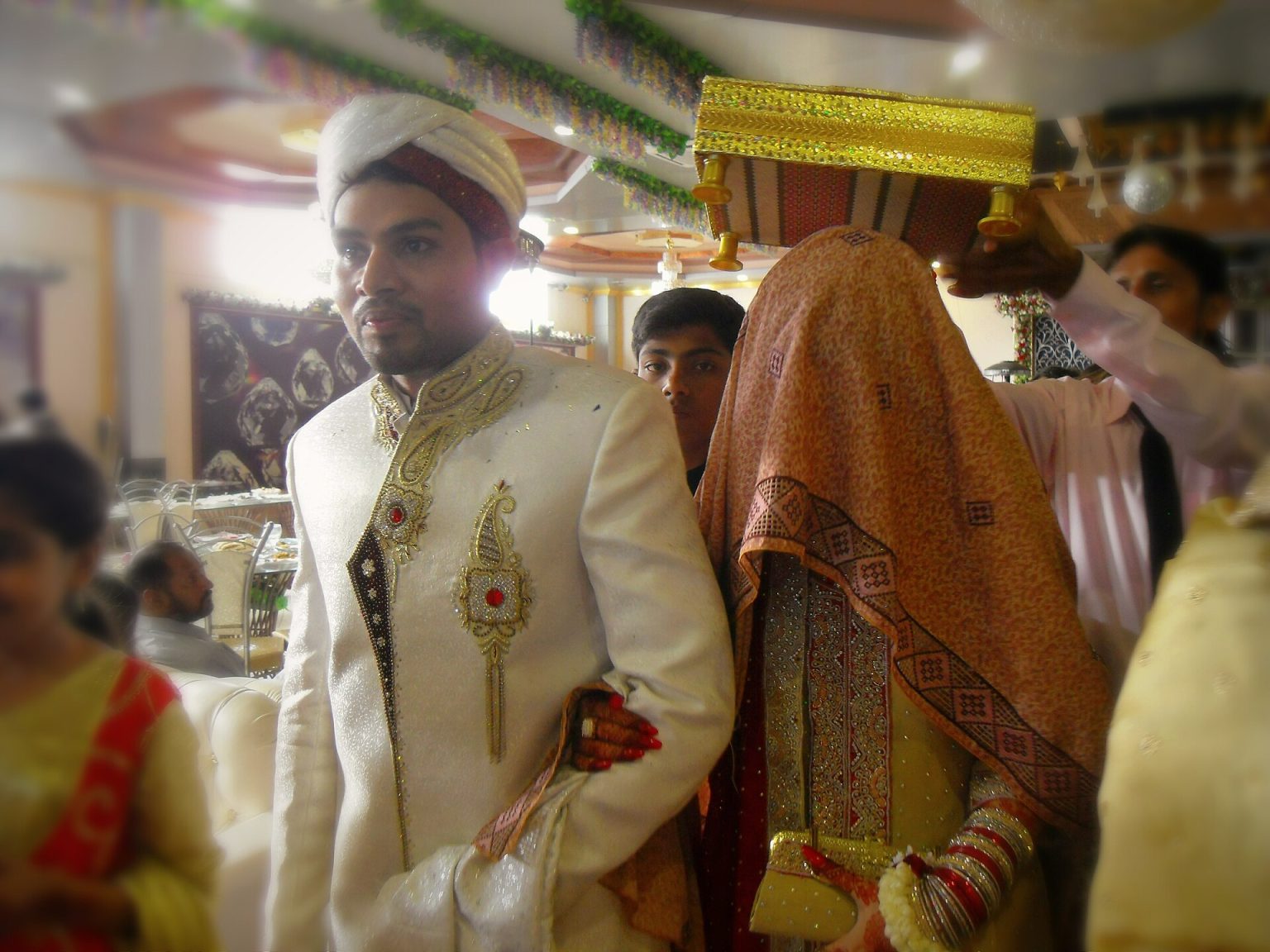
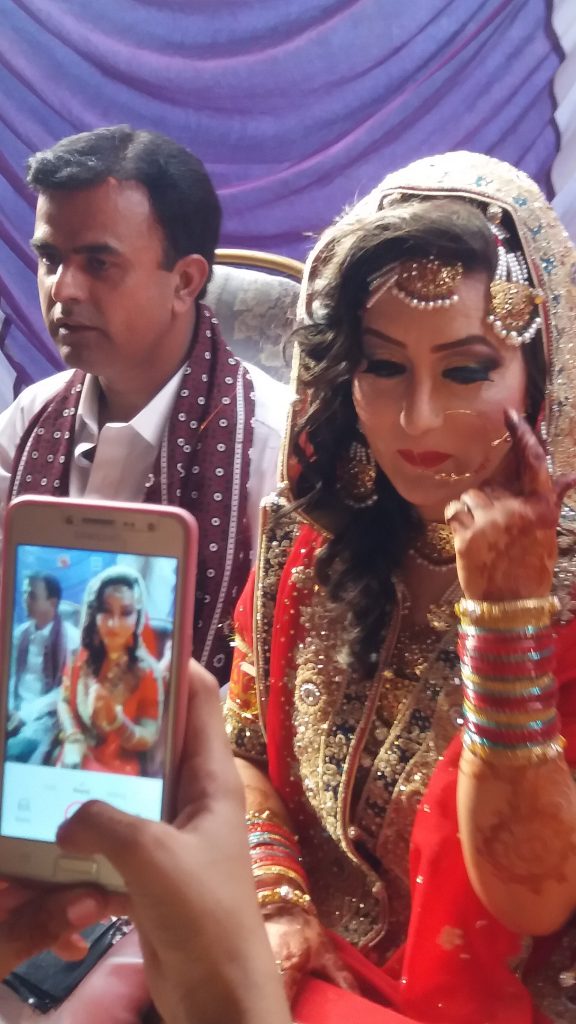
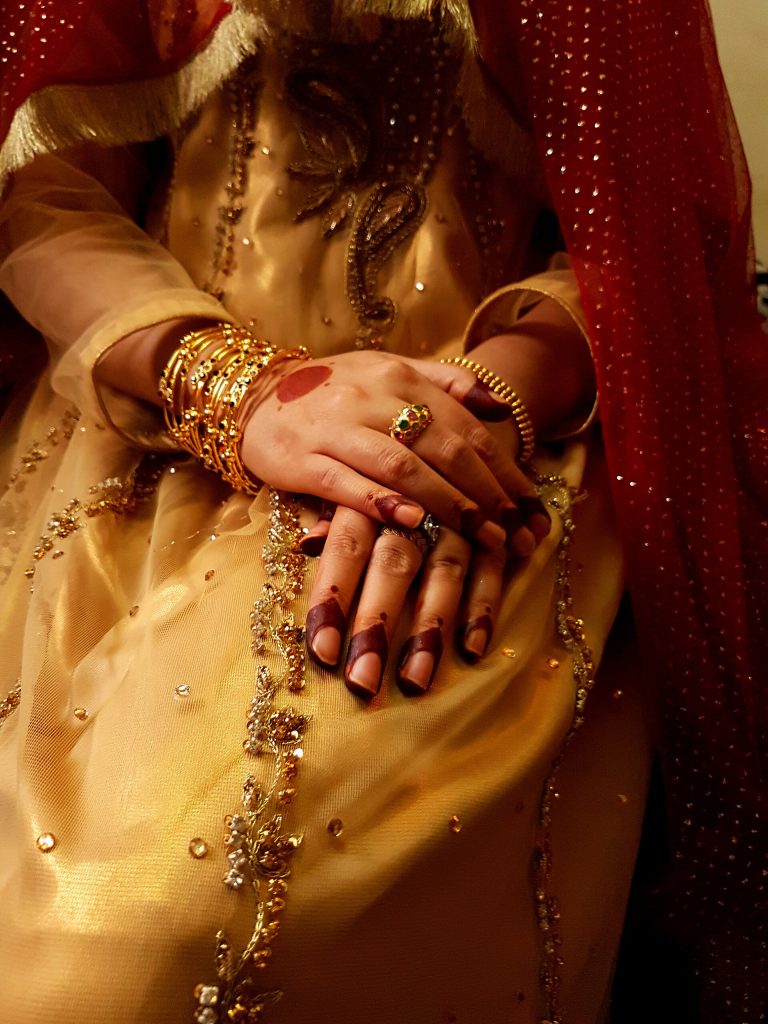
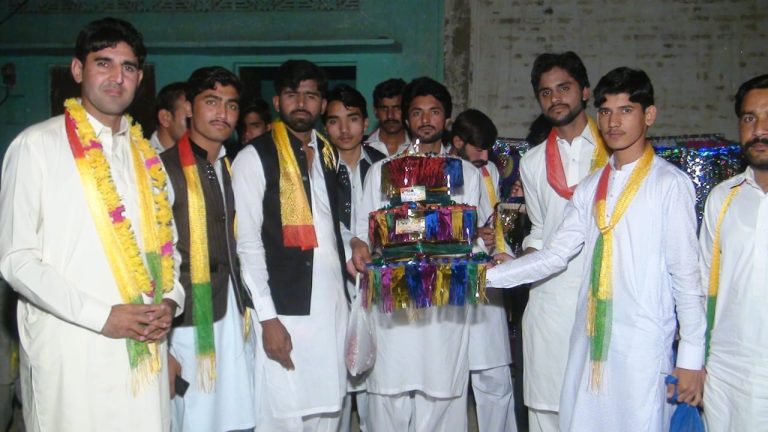
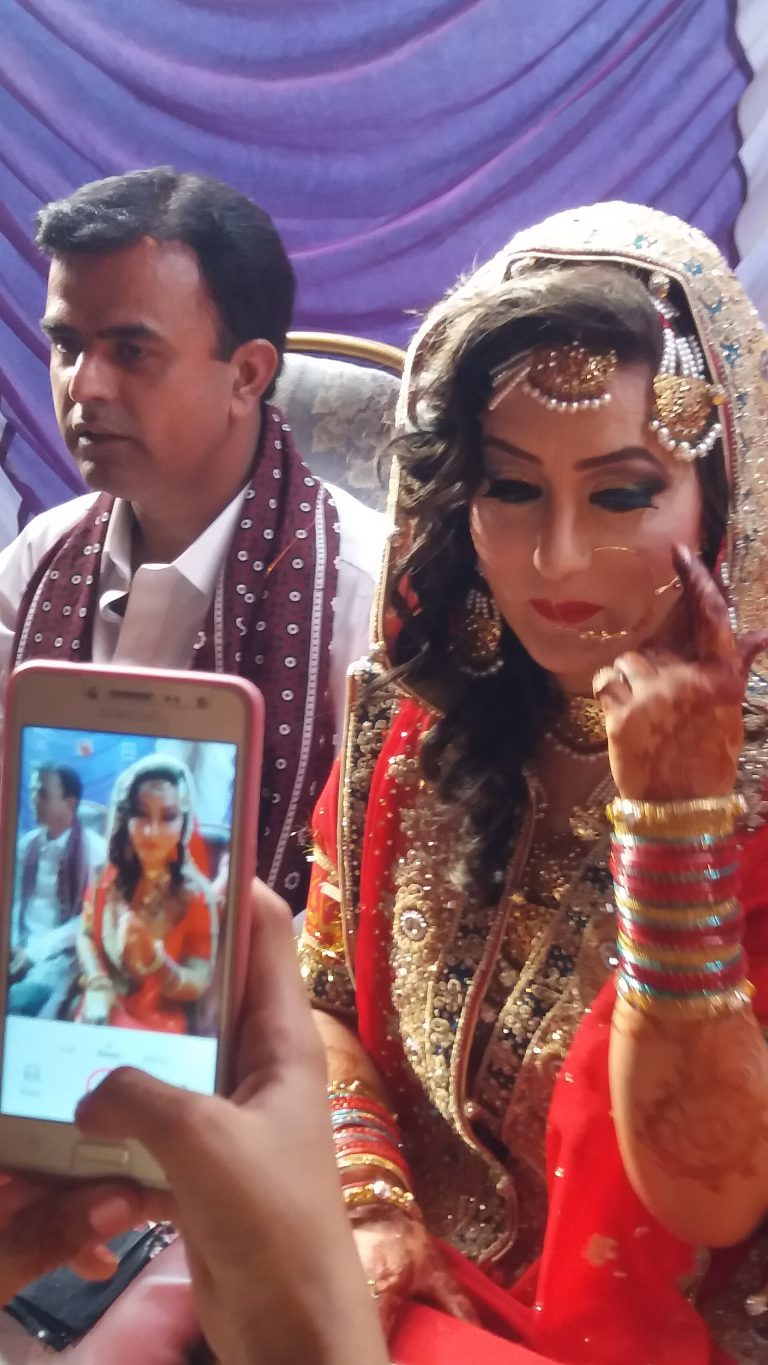
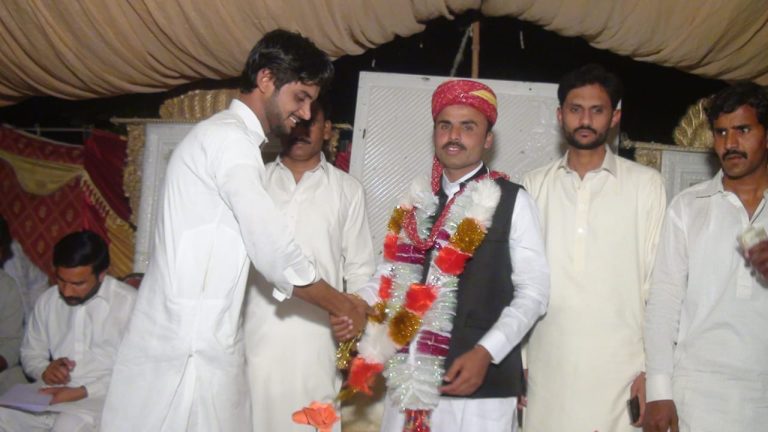
In Pakistan a wedding is one of the biggest events in a family's life, and it is celebrated as a joint affair between two families rather than two individuals alone. Most marriages are arranged or 'assisted' by parents and relatives, though couples increasingly have a say in the choice, and love marriages accepted by both families are common in cities.
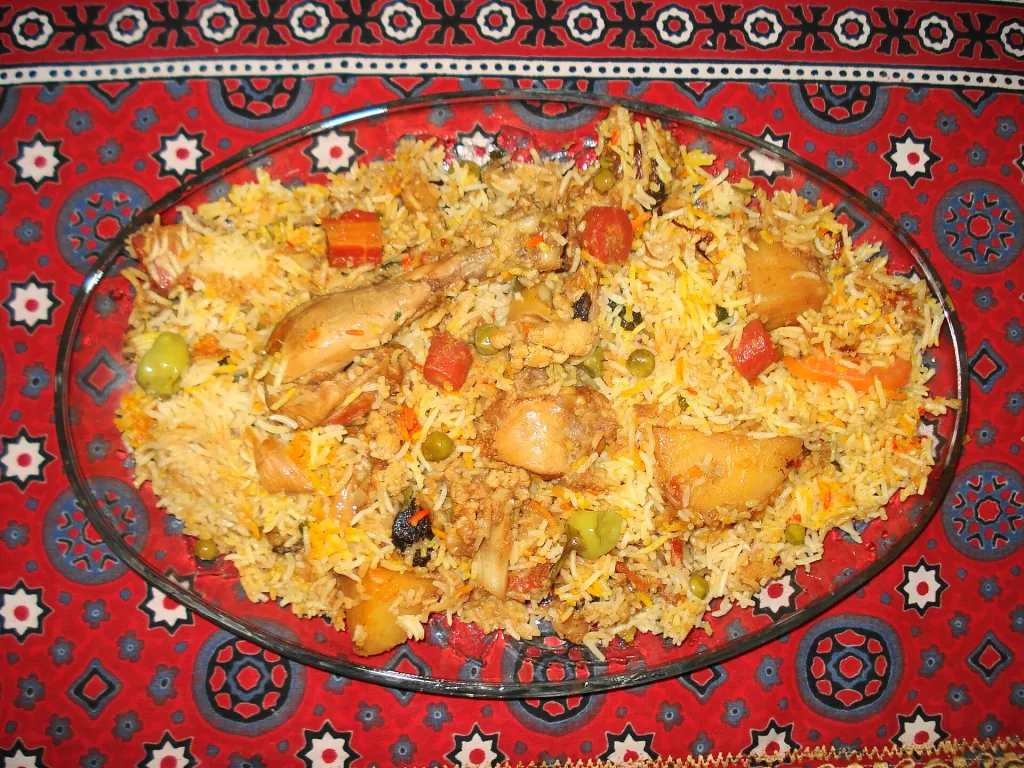
Because the great majority of Pakistanis are Muslim, the legal and religious core of most weddings is the nikah, a contract agreed before witnesses and recorded in a nikahnama. Around it, centuries of Punjabi, Sindhi, Pashtun, Baloch, Kashmiri and Urdu-speaking traditions have built a sequence of celebrations: song evenings, henna nights, processions and feasts. Pakistan's Christian, Hindu, Sikh and other communities follow their own rites, often sharing the same love of music, colour and food.
The scale ranges from a simple nikah at home or in a mosque to multi-day events in marriage halls and hotels. Wedding season peaks in the cooler months, roughly from October to March, and families generally avoid Ramadan and the first part of Muharram.