
City guide
Bahawalpur: City of Nawabs on the Edge of the Desert
Once the capital of a wealthy princely state, Bahawalpur keeps Italianate palaces, a grand library and a gentle pace, and opens the way to Derawar Fort, Uch Sharif and the Cholistan desert.
- Southern Punjab, south of the Sutlej
- Former princely state capital
- Gateway to Derawar and Cholistan
- Best season: November–February
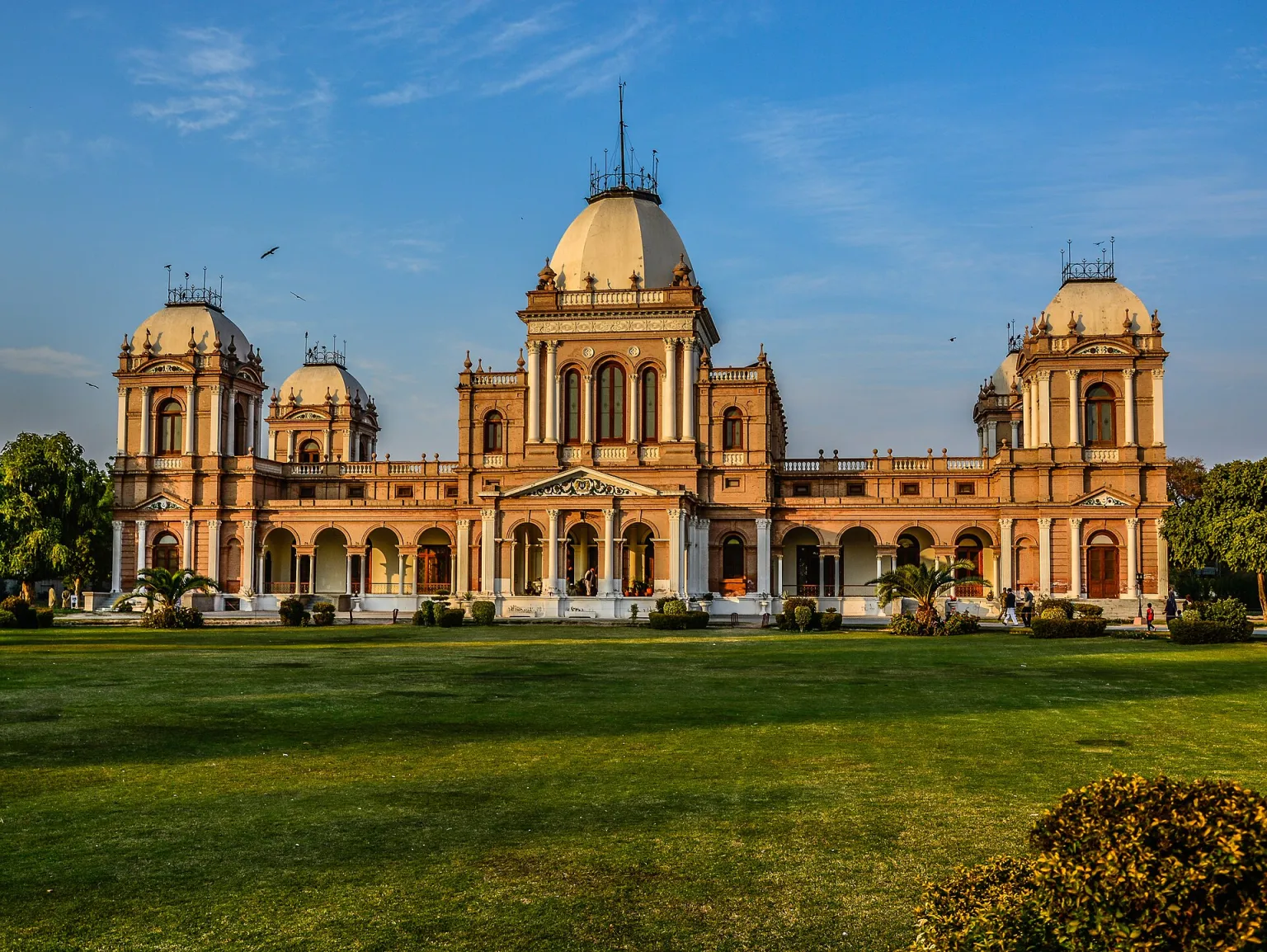
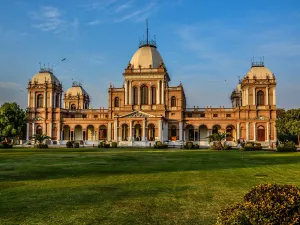
Noor Mahal, Bahawalpur
Bahawalpur at a Glance
About Bahawalpur
Bahawalpur lies just south of the Sutlej river, where the irrigated farmland of southern Punjab meets the sands of the Cholistan desert. It was founded in 1748 by Muhammad Bahawal Khan of the Abbasi family, whose nawabs had come from Sindh. In 1802 they asserted independence as rulers of a princely state, and under British paramountcy Bahawalpur grew into one of the richest states of the region, with its own army, currency and stamps.
In October 1947 the state acceded to Pakistan, and in 1955 it was merged into the province of West Pakistan; since 1970 it has been part of Punjab. The 2023 Census counted 903,795 people in Bahawalpur city (including the cantonment) and 4,284,964 in Bahawalpur District, which covers 24,830 km², much of it desert.
The nawabs left a remarkable architectural legacy: the Italianate Noor Mahal, the vast Darbar Mahal and the Central Library among them. The city is also a centre of learning, home to the Islamia University founded in 1925, and of Saraiki culture. Most visitors use it as a base for three extraordinary trips: the forty-bastioned Derawar Fort, the Sufi shrines of Uch Sharif and the wildlife of Lal Suhanra National Park.
Bahawalpur still carries itself like a royal capital, unhurried and a little grand.
Top Attractions in Bahawalpur
Palaces of the Abbasi nawabs and the institutions they founded.
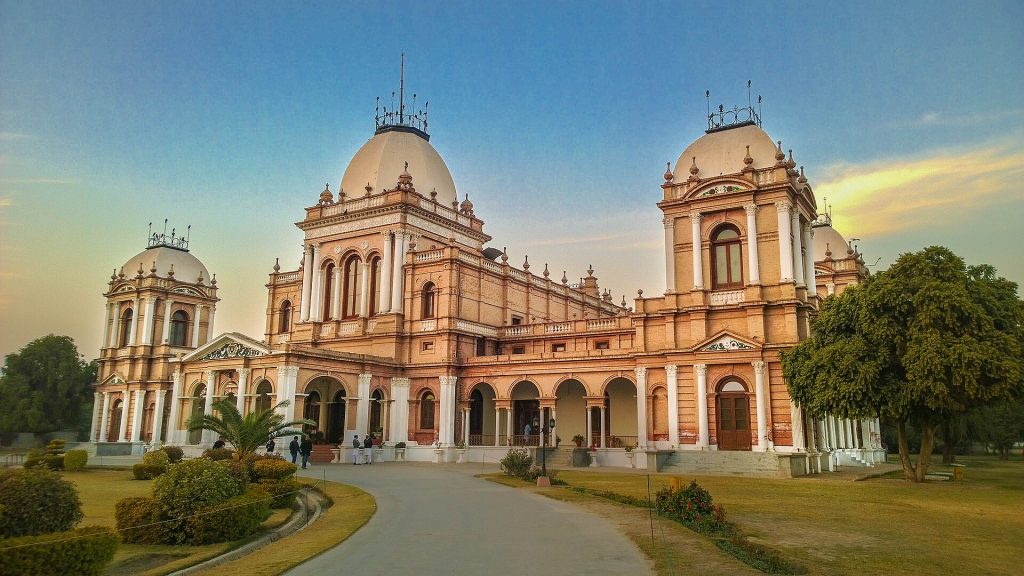
 Noor MahalBuilt in the 1870s on neoclassical lines with an Italian chateau flavour, the palace now belongs to the Pakistan Army, which uses it as a state guest house. It is open to visitors; a local legend says the nawab's bride stayed only one night because she could see a graveyard from her balcony.
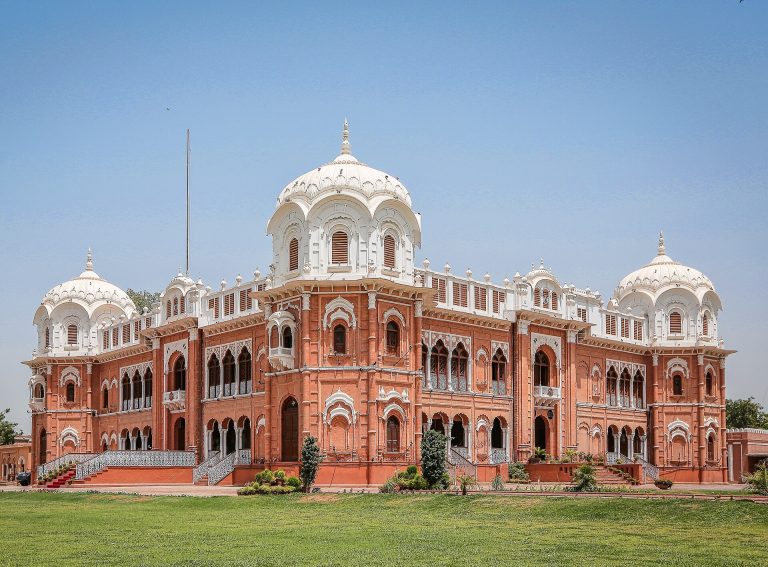 Darbar MahalA huge red-and-white palace of the early 1900s that served the nawabs' court. It is used by official bodies and access can be restricted, so check locally before you go.
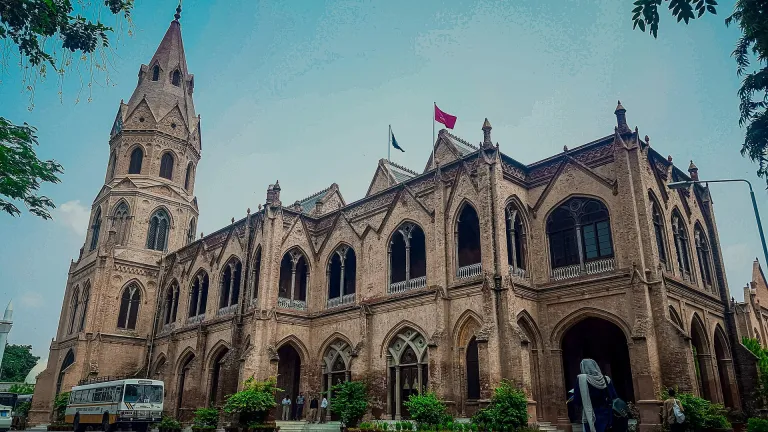 Islamia University of BahawalpurFounded in 1925 as Jamia Abbasia, it is one of southern Punjab's leading universities, with a large modern campus at Baghdad-ul-Jadeed on the edge of the city.
Desert, Forts and Shrines
The three great excursions that bring most travellers to Bahawalpur.
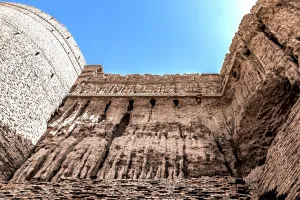
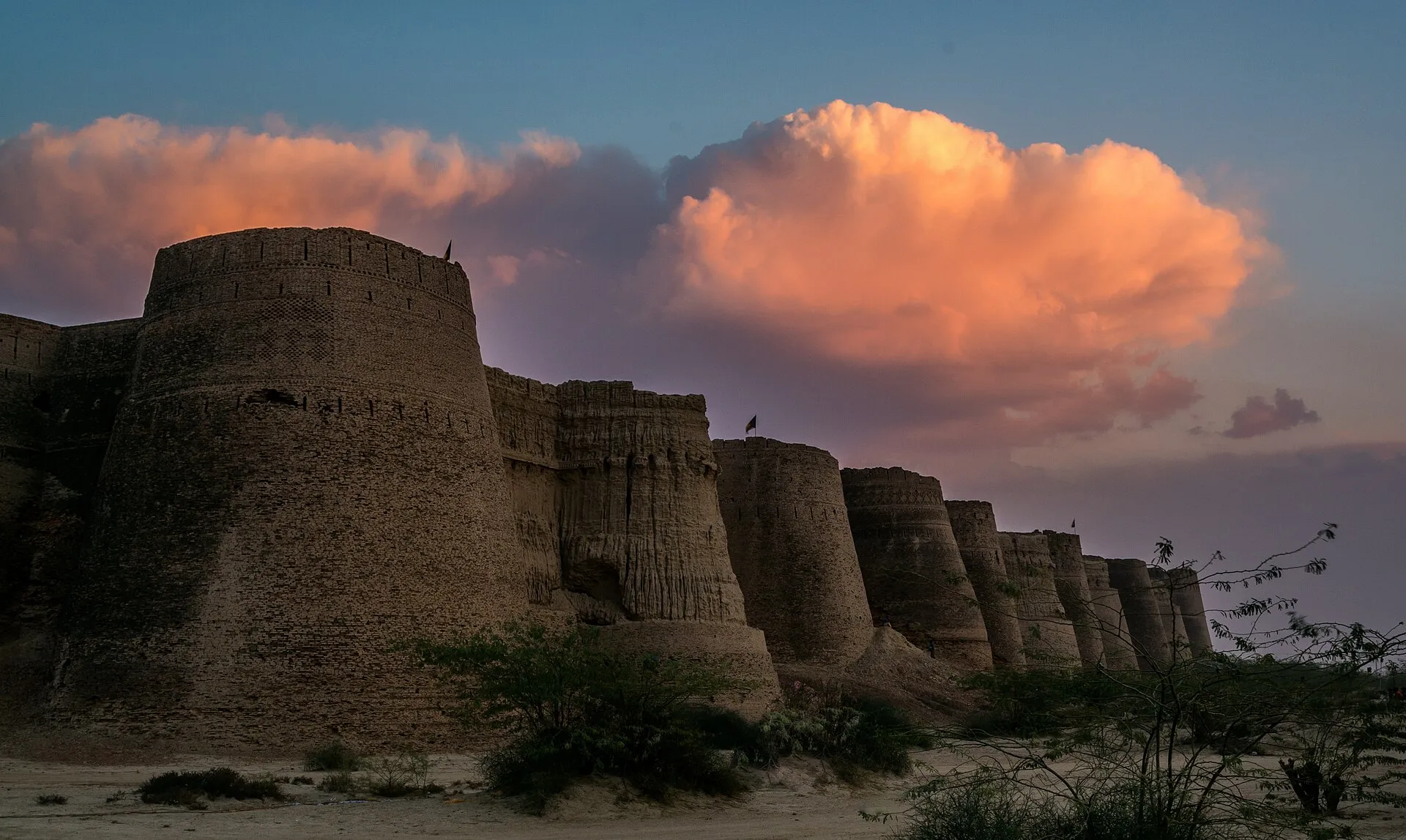
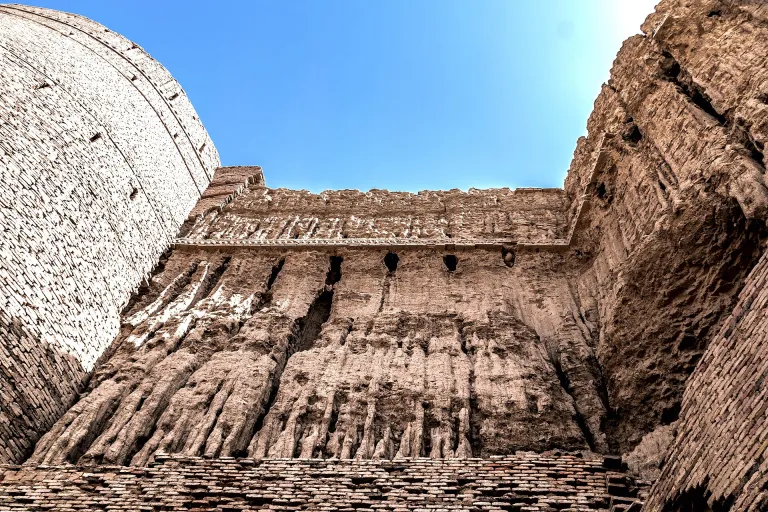 Derawar FortRising out of the Cholistan sands about 20 km south of Ahmadpur East, Derawar's forty massive circular bastions are visible from far across the desert. The Abbasi family took it in the 18th century; nearby stand a mosque and the Abbasi royal graveyard. Access to the interior is controlled, so ask locally.
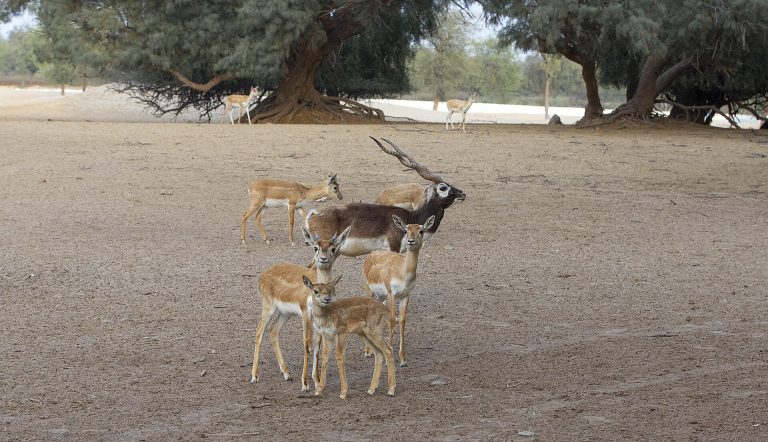 Lal Suhanra National ParkEstablished in 1972 about 35 km east of the city, the park combines desert dunes, irrigated forest plantations and wetlands. It is a UNESCO biosphere reserve and a refuge for blackbuck, chinkara and nilgai, with a blackbuck breeding programme.
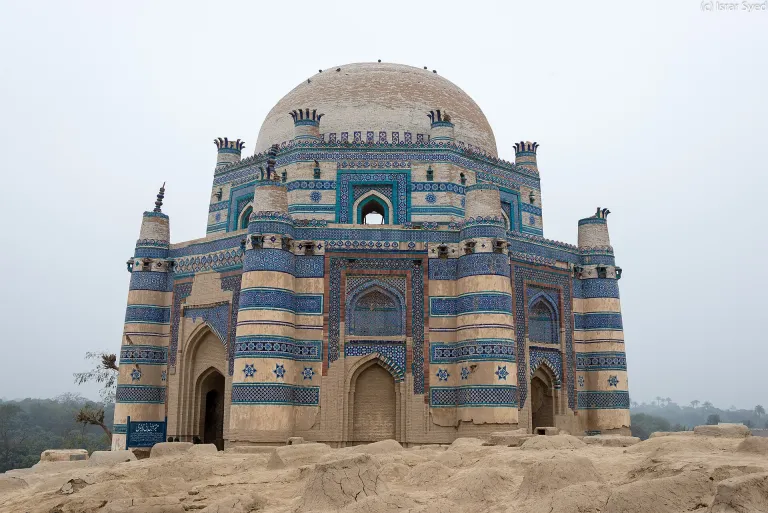 Uch SharifSouth-west of Bahawalpur, this ancient town was a great centre of Sufi learning between the 12th and 17th centuries. The glazed-tile tomb of Bibi Jawindi, partly collapsed but still beautiful, is its most famous monument.
Explore Bahawalpur by Category
 About BahawalpurBahawalpur lies just south of the Sutlej river, where…
 Top Attractions in BahawalpurPalaces of the Abbasi nawabs and the institutions they…
 Desert, Forts and ShrinesThe three great excursions that bring most travellers to…
 Neighbourhoods to KnowA walled bazaar town, a palace quarter and spacious…
 Food, Crafts and BazaarsSaraiki home cooking, desert produce and fine handicrafts.
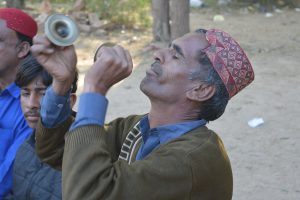 Saraiki Culture and the DesertBahawalpur is one of the cultural capitals of the…
Neighbourhoods to Know
A walled bazaar town, a palace quarter and spacious newer suburbs.
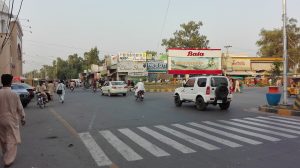
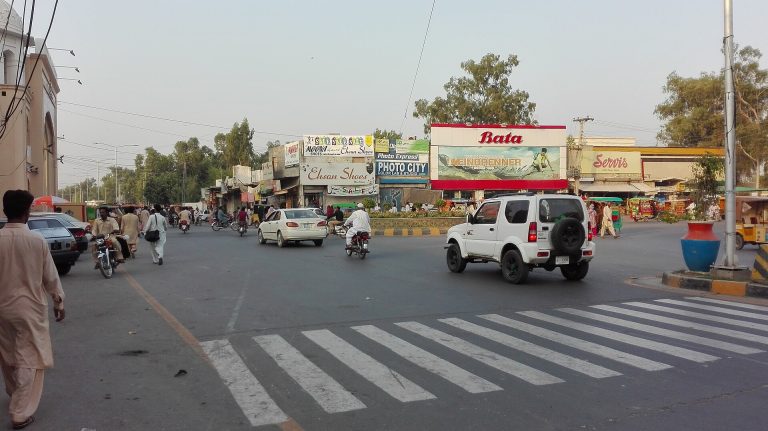 Old city and its gatesThe bazaars inside gates such as Farid Gate and Ahmadpuri Gate sell spices, cloth, shoes and household goods. Busy, compact and best on foot.Palace and cantonment quarterWide roads, gardens and the nawabs' palaces, including Noor Mahal, give this area a stately, green feel.
Food, Crafts and Bazaars
Saraiki home cooking, desert produce and fine handicrafts.
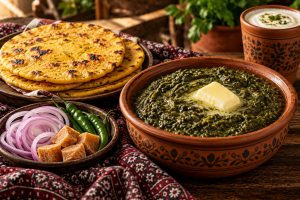
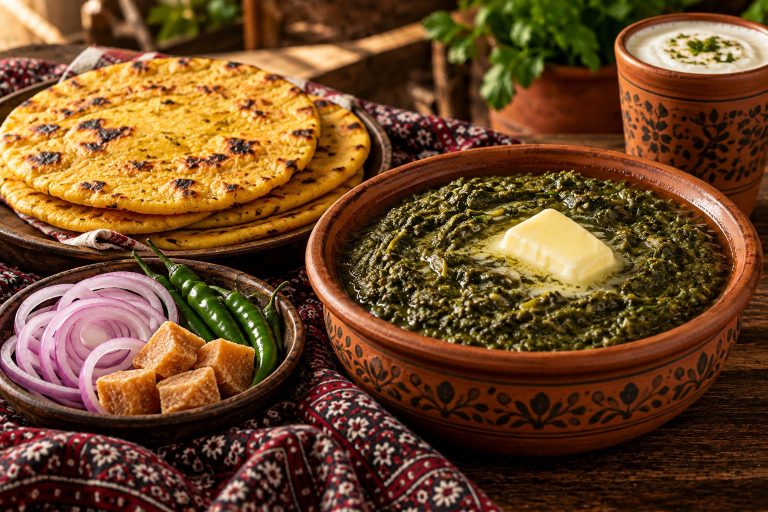 Saraiki and Punjabi staplesEveryday meals feature lentils, vegetable curries, roti and rice, with tikka and karahi in the evenings at roadside grills.
 Sohan halwa from next doorThe famous ghee-rich sweet of neighbouring Multan is sold across the region and makes a classic gift to take home.
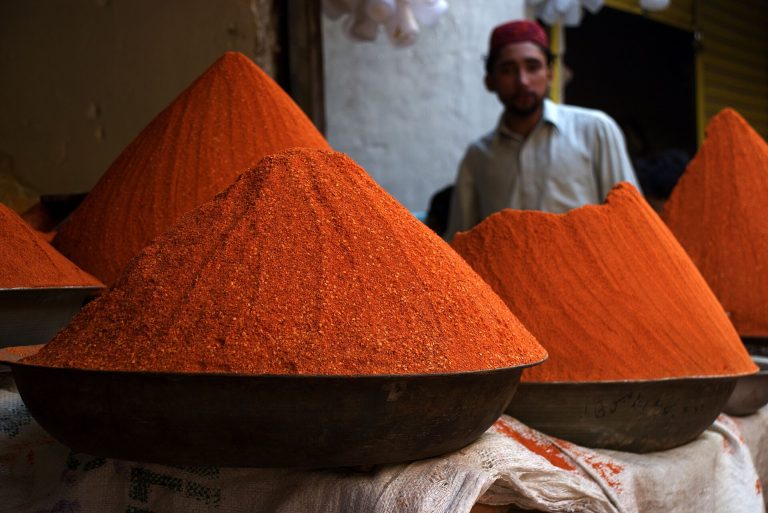 Spice and grain bazaarsHeaps of red chillies, turmeric and pulses fill the old-city markets, supplied by the farms of the surrounding district.
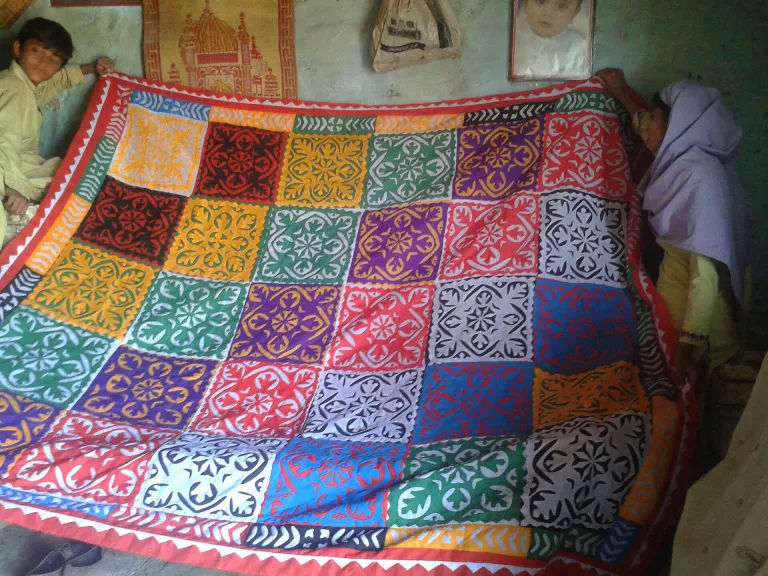 Embroidery, carpets and potteryBahawalpur has long been known for cotton and silk textiles, embroidery, carpets and remarkably delicate pottery.
 Cholistani craftsDesert communities make woven rugs, quilts and colourful textiles; look for them at fairs and craft stalls, especially around rally season.
A Short History of Bahawalpur
Ancient times
Hakra and Uch
Mounds along the dry Hakra channel in Cholistan mark ancient settlements, while Uch, to the south-west, is one of the region's oldest towns.
12th–17th centuries
Uch, city of saints
Uch becomes a major centre of Sufi learning, with shrines and tombs that still draw pilgrims.
1748
Bahawalpur founded
Muhammad Bahawal Khan of the Abbasi family founds the city south of the Sutlej.
1802
A princely state
The nawabs assert their independence; the state later enters treaty relations with the British.
1870s
Palaces and railways
Noor Mahal is built, Bahawalpur becomes a municipality in 1874 and the Empress Bridge over the Sutlej is completed in 1878.
1924–1925
Library and university
The Central Library is founded in 1924 and the Jamia Abbasia, later the Islamia University, in 1925.
1947
Accession to Pakistan
The state of Bahawalpur accedes to Pakistan in October 1947.
1955–1970
Into Punjab
Bahawalpur is merged into West Pakistan in 1955; when West Pakistan is dissolved in 1970 it becomes part of Punjab.
1972
Lal Suhanra National Park
The national park is established east of the city to protect desert and forest wildlife.
Saraiki Culture and the Desert
Bahawalpur is one of the cultural capitals of the Saraiki-speaking south of Punjab. Its music, poetry and Sufi devotion are shaped by the desert and the river, and the verses of the 19th-century Sufi poet Khwaja Ghulam Farid, who wrote lovingly of the Rohi (Cholistan), are sung across the region.
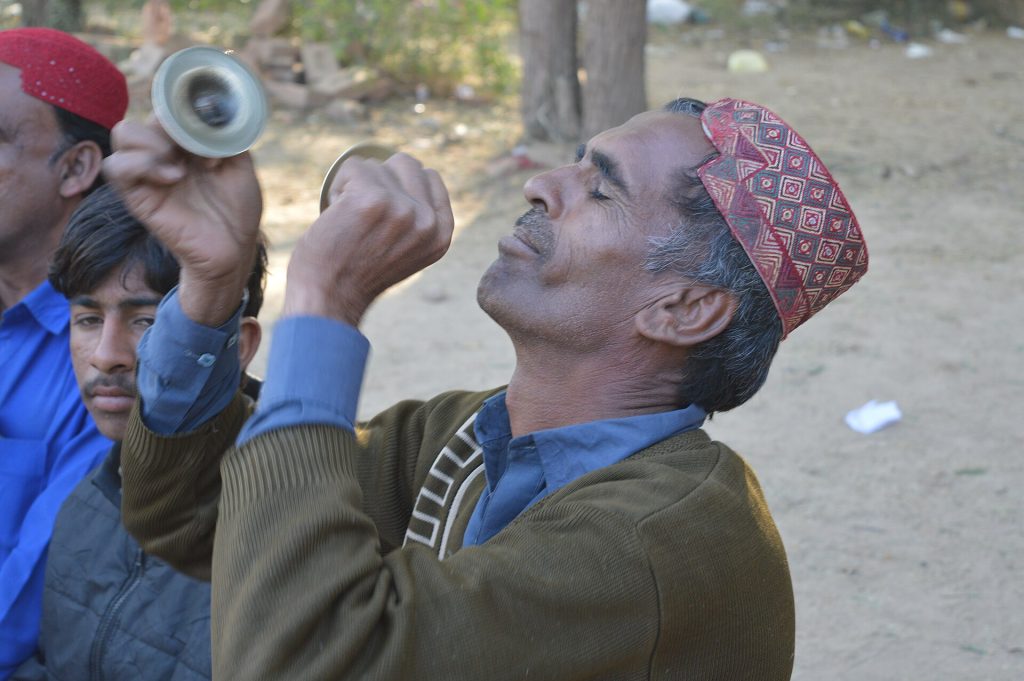
East of the city lies the Cholistan desert, where semi-nomadic herders still move with their camels, cattle and sheep between water sources. Their folk singers, wool and cotton weaving and mud-walled settlements are a living link with a way of life far older than the city.
Each winter the Cholistan Desert Rally, organised by the Punjab tourism authorities, brings drivers, spectators and a festival atmosphere to the dunes around Derawar Fort, with music, camel shows and craft stalls. Dates change from year to year, so check the official announcements.
The city's palaces and the Abbasi family's long patronage of learning, sport and the arts still shape local pride, Bahawalpur's Dring Stadium was once among the major athletics grounds of Asia.
Getting There and Around
By air
Bahawalpur Airport (BHV)
Flights are limited and schedules change; many travellers fly into Multan instead and continue by road.
By rail
Karachi–Peshawar main line
Bahawalpur is on the main line, with trains to Karachi, Multan, Lahore and beyond. Book with Pakistan Railways.
By road
National Highway N-5
The N-5 links Bahawalpur with Multan to the north and Rahim Yar Khan and Sindh to the south; intercity coaches run frequently.
Desert trips
Hire a 4x4 with driver
For Derawar and deeper Cholistan, hire an experienced driver with a four-wheel drive; carry water and travel in daylight.
Plan Your Visit
Best time to visit
November to February
Warm, dry days and cold desert nights; this is also rally season in Cholistan.
Weather
Semi-arid and very hot in summer
Rainfall is low and summers are fierce, especially in the desert; avoid long outdoor trips from May to August.
Where to stay
City centre and cantonment
Hotels and guesthouses are concentrated in the city; desert camps operate around rally time. Book early for the rally.
Etiquette
Respect shrines and communities
Dress modestly, remove shoes at shrines in Uch and ask before photographing people in desert settlements.
Access and advice
Check before you go
Palace and fort access can change; check current local guidance and advisories before travelling into the desert.
Bahawalpur Through Time
Every dated moment our guides record about Bahawalpur, from its own history and from national events that touched it. Each entry links to its source page.
- 18th century
Bahawalpur rule
The area comes under the Abbasi nawabs of Bahawalpur.
- 1752
Settlement
Hasilpur is settled in the young state of Bahawalpur.
- 1827
Bahawalpur and the Sikhs
The Nawab of Bahawalpur occupies Dajal and Harrand on behalf of the Sikh state.
- 1870
The railway arrives
Khanpur station is built on the line through the Bahawalpur plains.
- 1881
Renamed
Nawab Sadiq Muhammad Khan IV of Bahawalpur renames the town after his son, Rahim Yar Khan.
- 18th–20th centuries
Bahawalpur state
The area is ruled by the Abbasi Nawabs of Bahawalpur, who extend canal irrigation from the Sutlej.
- Before 1910s
Toba Badru Wala
A pond-side settlement of the Joiya Badru clan in the Bahawalpur state.
- 1911
Bahawalpur Royal Railway
A state-financed branch opens from Khanpur to Chachran.
- 1943
A separate district
Rahim Yar Khan becomes a district of Bahawalpur State.
- Before 1947
Bahawalpur State
The area is part of the princely state of Bahawalpur, ruled by the Abbasi nawabs.
- 1947
Accession
Bahawalpur State accedes to Pakistan.
- 1947
Into Pakistan
Bahawalpur State accedes to Pakistan; the railway becomes part of Pakistan Railways.
- 1947
Partition
The princely state of Bahawalpur accedes to Pakistan.
- 1947
Bahawalpur joins Pakistan
Bahawalpur State, including Bahawalnagar, accedes to Pakistan, and the old through-route towards Delhi loses its importance.
- October 1947–March 1948
Princely states accede
Bahawalpur and Khairpur accede in October 1947, followed by Chitral, Swat, Dir, Hunza, Nagar and Amb; Kalat, Las Bela, Kharan and Makran join in March 1948. Junagadh's accession to Pakistan is overtaken by Indian control and a 1948 plebiscite.
- 1955
Into West Pakistan
Bahawalpur State, which acceded to Pakistan in 1947, is merged into the province of West Pakistan.
- 1955
West Pakistan
Bahawalpur state is merged into the province of West Pakistan.
- 17 August 1988
Death in air crash
Killed when the aircraft Pak-1 crashes near Bahawalpur shortly after take-off.
- 17 August 1988
Zia killed
Zia dies in an air crash near Bahawalpur; Ghulam Ishaq Khan becomes acting president.
- 16 November 1988 (election); government formed early December 1988
1988 Return to Elected Government
After General Zia-ul-Haq died in an air crash on 17 August 1988, Pakistan held party-based general elections on 16 November 1988. The Pakistan Peoples Party won the most seats and Benazir Bhutto formed a government in December, the first woman to lead a modern Muslim-majority…
- 2021–2022
Better links
Work begins on a 62 km road linking Lodhran, Khanewal and Multan, and a bus service between Bahawalpur and Lodhran is launched.
Do you remember Bahawalpur as it used to be? Share a memory or an old photo, our editors review every story before it appears.
Frequently Asked Questions
What is the population of Bahawalpur?
The 2023 Census counted 903,795 people in Bahawalpur city (including the cantonment) and 4,284,964 in Bahawalpur District, which covers 24,830 km².
Who built Noor Mahal?
Noor Mahal was built in the 1870s for the Abbasi nawabs of Bahawalpur. It now belongs to the Pakistan Army and is used as a state guest house, but it is open to visitors.
How far is Derawar Fort from Bahawalpur?
Derawar Fort stands in the Cholistan desert about 20 km south of Ahmadpur East, a town south-west of Bahawalpur. Most visitors hire a car or 4x4 with a driver for a day trip.
What wildlife can you see at Lal Suhanra National Park?
The park protects blackbuck, chinkara and nilgai among other species, across desert, forest plantation and wetland habitats. It was established in 1972 and is a UNESCO biosphere reserve.
When is the best time to visit Bahawalpur?
November to February. Summers are extremely hot, especially in Cholistan, and the desert rally is held in the winter season.
Keep Exploring
Related places and stories on DailyLife.pk
Cholistan DesertCholistan Desert guide: Derawar Fort and the desert forts, the Cholistan Desert Rally, Channan Pir MultanMultan city guide: Shah Rukn-e-Alam and other Sufi shrines, the walled city, blue pottery, sohan halwa
 LahoreLahore travel guide: Badshahi Mosque, Lahore Fort, Shalimar Gardens, the Walled City, food streets, neighbourhoods, metro
 SukkurSukkur city guide: Sukkur Barrage, Lansdowne Bridge, Sadh Belo, Masum Shah minaret, Rohri, Indus dolphins
 Sufi Shrines of PakistanVisit Pakistan's great Sufi shrines: Data Darbar, Shah Rukn-e-Alam, Lal Shahbaz Qalandar, Bhit Shah
 National Parks of PakistanGuide to Pakistan's national parks: Central Karakoram, Deosai, Khunjerab, Hingol, Margalla Hills, Lal Suhanra and more
How we know this
- Type Place guide
- Sources 10 (4 official/academic)
- Reviewed October 2026
- Disputed points None
10 sources
- Table 1: Area, population by sex, sex ratio, density, urban proportion: Punjab districts (Census 2023), Pakistan Bureau of Statistics
- Pakistan: Cities and Municipalities: 2023 Census, City Population (Thomas Brinkhoff), from PBS data
- Bahawalpur, Encyclopaedia Britannica
- District Bahawalpur, Government of the Punjab
- Lal Suhanra National Park, Forestry, Wildlife and Fisheries Department, Government of the Punjab
- Lal Suhanra National Park, Punjab Wildlife and Parks Department
- Cholistan Desert Rally 2025: event schedule and details, PakWheels
- Bahawalpur Central Library (overview used to locate primary sources), Wikipedia
- Derawar Fort (overview used to locate primary sources), Wikipedia
- Bahawalpur (overview used to locate primary sources), Wikipedia
Photo credits (15)
- Front Elevation of Noor Mahal.jpg, Muhammad Ashar, CC BY-SA 3.0, via Wikimedia Commons
- Noor Mahal at Dusk.jpg, Umar3514, CC BY-SA 4.0, via Wikimedia Commons
- DARBAR MAHAL BAHAWAL PUR.jpg, Tahsin Shah, CC BY-SA 4.0, via Wikimedia Commons
- Derawar Fort, Cholistan, Bahawalpur.jpg, Umar Jamshaid, CC BY-SA 4.0, via Wikimedia Commons
- Beautiful cloud formation during Sunset over Derawar Fort.jpg, Muhammad Ashar, CC BY-SA 3.0, via Wikimedia Commons
- A family of Blackbucks (antelopes) in the Cholistan Desert.jpg, Tahsin Shah, CC BY-SA 4.0, via Wikimedia Commons
- Tomb of Bibi Jawindi Uch Sharif.jpg, Israr Syed, CC BY-SA 4.0, via Wikimedia Commons
- Farid Gate chowk Bahawalpur.jpg, UMAIR SHAREEEF, CC BY-SA 4.0, via Wikimedia Commons
- Spices, Pakistan Bahawalpur.jpg, Zahra Syed, CC BY-SA 2.0, via Wikimedia Commons
- Sohan Halwa.JPG, Miansari66, Public domain, via Wikimedia Commons
- Cholistan camels.jpg, Hamza Bin Asim, CC BY-SA 4.0, via Wikimedia Commons
- Musicians of Cholistan desert performing in Derawar Fort.jpg, Rao Ahmad, CC BY-SA 4.0, via Wikimedia Commons
- Government College University, Lahore - Clock tower and main building.jpg, Shahzaib Damn Cruze, CC BY-SA 4.0, via Wikimedia Commons
- Sarson Ka Saag (illustration), DailyLife.pk, Illustrative image
- Ralli made by young girl.jpg, Irssa1111, CC BY-SA 4.0, via Wikimedia Commons
