
City guide
Chishtian: The Town of Baba Farid's Grandson
A Sufi shrine town in Bahawalnagar District, near the Sutlej and the edge of Cholistan, named after the Chishti order of its patron saint, Taj Sarwar.
- Bahawalnagar District
- Roza Taj Sarwar
- Hot, dry climate
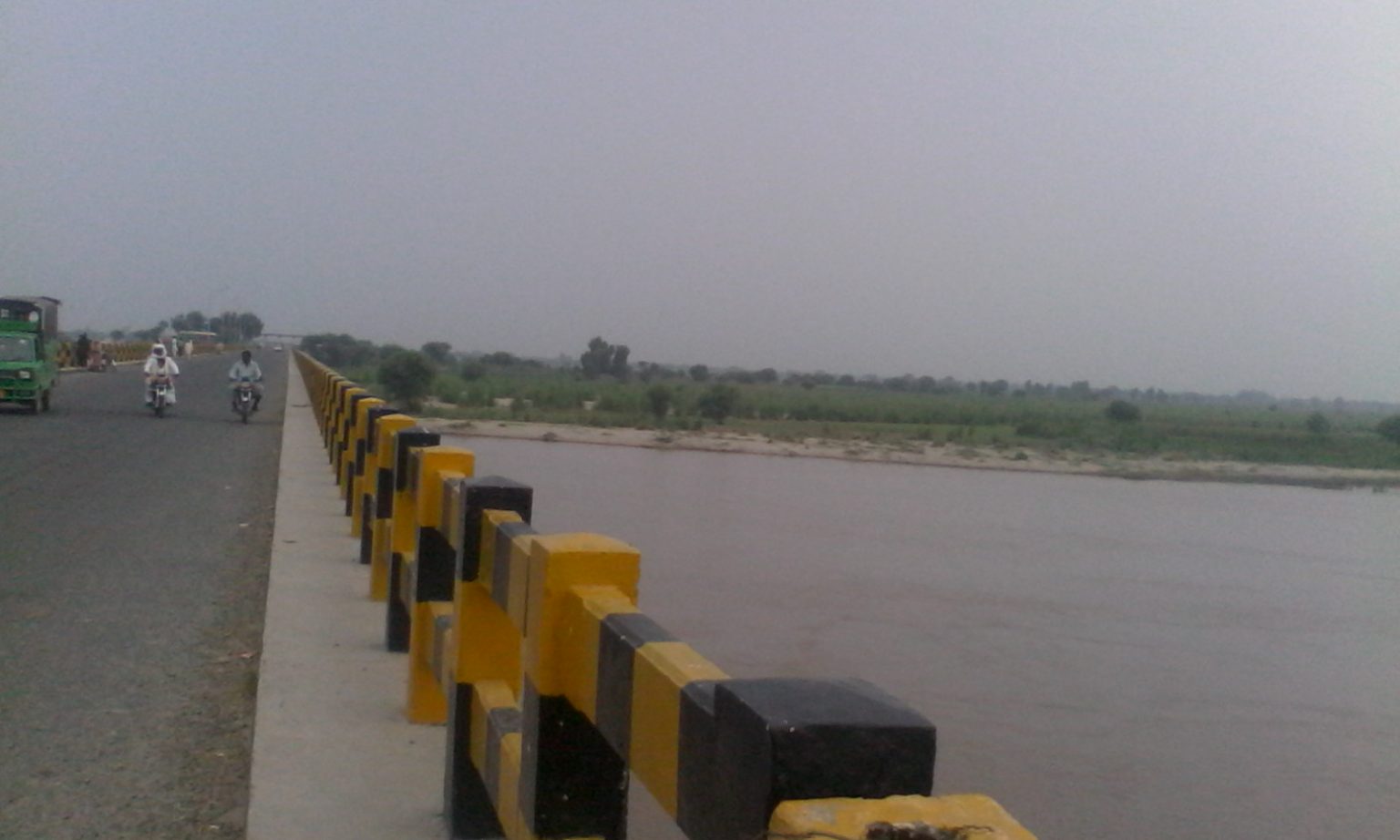
Sutlej river, Bahawalnagar District
Chishtian at a Glance
About Chishtian
Chishtian is the headquarters of Chishtian Tehsil in Bahawalnagar District, in the far south-east of Punjab, between the Sutlej river and the Cholistan Desert, once part of the princely state of Bahawalpur. The 2023 Census counted 192,403 people in the town.
The town's name and identity come from Taj Sarwar, a Sufi of the Chishti order and, by local tradition, a grandson and disciple of Baba Farid Ganjshakar of Pakpattan. His descendants are credited with founding the settlement about seven centuries ago, and his shrine, Roza Taj Sarwar, still stands at the heart of the town, which is sometimes called Chishtian Sharif.
The climate is hot and dry, rainfall averages only about 264 mm a year, but canals from the Sutlej make the surrounding land productive, with cotton, wheat, sugarcane and rice. Chishtian is a market and service centre for this farming country, with bazaars, grain markets and colleges.
Places to Visit
A Chishti shrine in town, with the Sutlej, Cholistan and Pakpattan within reach.
 Roza Taj SarwarThe shrine of the Chishti saint Taj Sarwar, the spiritual centre of the town and a place of pilgrimage for devotees from across the region.
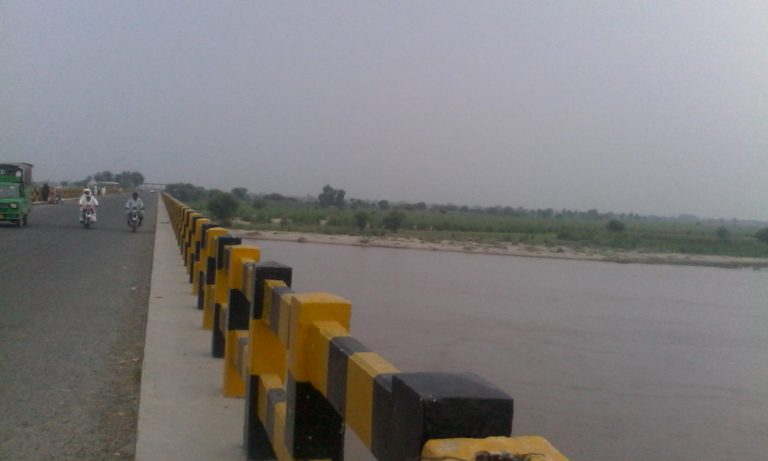 Sutlej riverThe river runs north of the town towards Bahawalnagar; its banks and bridges are favourite spots in the cool season.
 Cholistan DesertThe sands of Cholistan stretch south of the canal lands, with desert forts further south-west towards Derawar.
 Baba Farid's shrine, PakpattanThe shrine of Taj Sarwar's grandfather, Baba Farid Ganjshakar, one of the most important Sufi sites in Pakistan, across the Sutlej in Pakpattan.
A Short History
13th–14th centuries
Taj Sarwar
A Chishti Sufi, remembered as Baba Farid's grandson, settles here; his descendants found the town.
18th–20th centuries
Bahawalpur state
The area is ruled by the Abbasi Nawabs of Bahawalpur, who extend canal irrigation from the Sutlej.
1955
Into West Pakistan
Bahawalpur state, which had joined Pakistan in 1947, is merged into West Pakistan.
2023
Census
The town's population is counted at 192,403.
Getting There & Around
By air
Bahawalpur or Multan
Bahawalpur has limited domestic flights; Multan International Airport has more.
By road
Bahawalnagar–Hasilpur road
Roads connect Chishtian with Bahawalnagar, Hasilpur and Bahawalpur; buses and vans run to Lahore and Multan.
By rail
Chishtian station
On a branch line; services are limited, so check Pakistan Railways.
When to go
November to February
Summers are very hot; winter is far more comfortable.

Frequently Asked Questions
Why is the town called Chishtian?
It is named after the Chishti Sufi order of its patron saint, Taj Sarwar, remembered as a grandson of Baba Farid Ganjshakar.
What is the population of Chishtian?
The 2023 Census counted 192,403 people in Chishtian city; Bahawalnagar District had 3,550,342.
When is the best time to visit?
November to February, when days are mild; summers are extremely hot.
Keep Exploring
Related places and stories on DailyLife.pk
Cholistan DesertCholistan Desert guide: Derawar Fort and the desert forts, the Cholistan Desert Rally, Channan Pir BahawalpurBahawalpur city guide: Noor Mahal, Darbar Mahal, Central Library, Lal Suhanra National Park, Derawar Fort
 HasilpurHasilpur city guide: Bahawalpur District farming town on the Sutlej, nearby Noor Mahal, Derawar and CholistanArifwalaArifwala city guide: Pakpattan District farm town, Baba Farid's shrine, Waris Shah's mosque at Malka Hans
 BurewalaBurewala city guide: Vehari District's biggest town, the Haji Sher Dewan shrine, cotton and grain marketsSufi Shrines of PakistanVisit Pakistan's great Sufi shrines: Data Darbar, Shah Rukn-e-Alam, Lal Shahbaz Qalandar, Bhit Shah
How we know this
- Type Place guide
- Sources 5 (1 official/academic)
- Reviewed October 2026
- Disputed points None
5 sources
- List of cities in Pakistan by population (2023 Census figures, compiled from PBS and citypopulation.de), Wikipedia
- Table 1: Area, population by sex, sex ratio, density, urban proportion: Punjab districts (Census 2023), Pakistan Bureau of Statistics
- Chishtian, Wikipedia
- Baba Taj Sarwar Chishti: The Guiding Light of Chishtian, HamariWeb
- Chishtian climate, Climate-Data.org
Photo credits (4)
- Satluj river bridge at bahawalnagar.jpg, M Nouman Zafar, CC BY-SA 4.0, via Wikimedia Commons
- Darbar Hazrat Baba Farid ud Deen Ganj Shakar Rahmatullah Alaih - panoramio.jpg, Sunni Person, CC BY-SA 3.0, via Wikimedia Commons
- Shah Rukn-e-Alam Tomb.jpg, Junaidali88z, CC BY-SA 3.0, via Wikimedia Commons
- Cholistan camels.jpg, Hamza Bin Asim, CC BY-SA 4.0, via Wikimedia Commons
