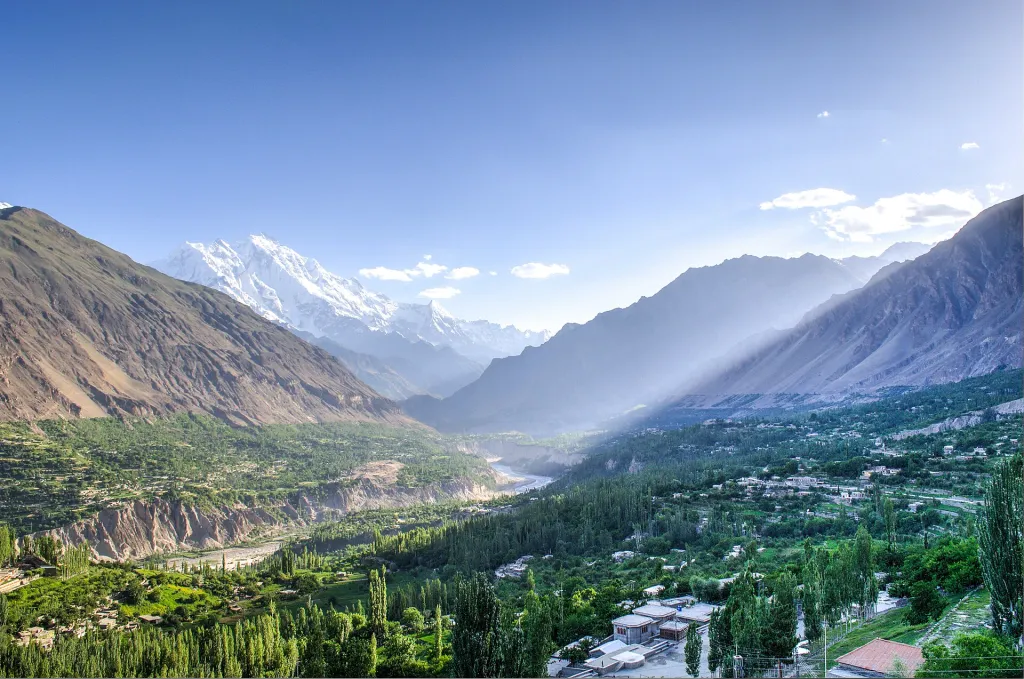
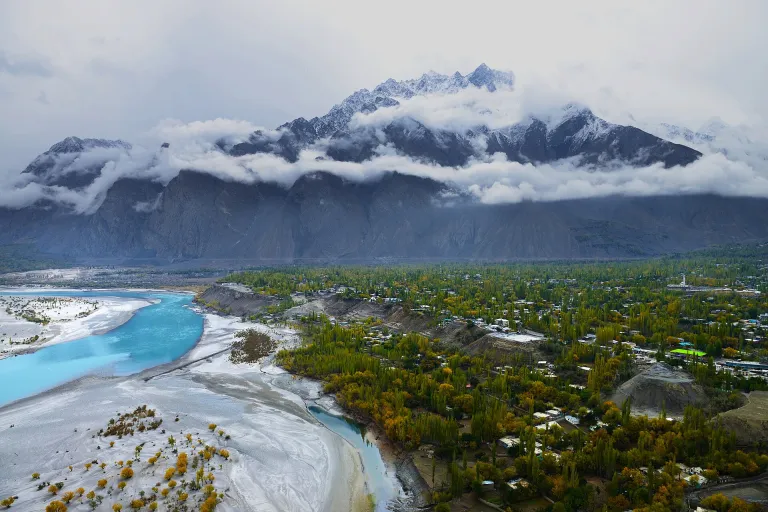
Gilgit-Baltistan, administered by Pakistan with its own government and part of the wider disputed Kashmir region, is a land of high valleys hemmed in by the Karakoram, Himalaya and Hindu Kush. Farming here depends on glacier-fed irrigation channels and short growing seasons, and its food is shaped by what can be grown on small terraces and stored through winters when passes close.
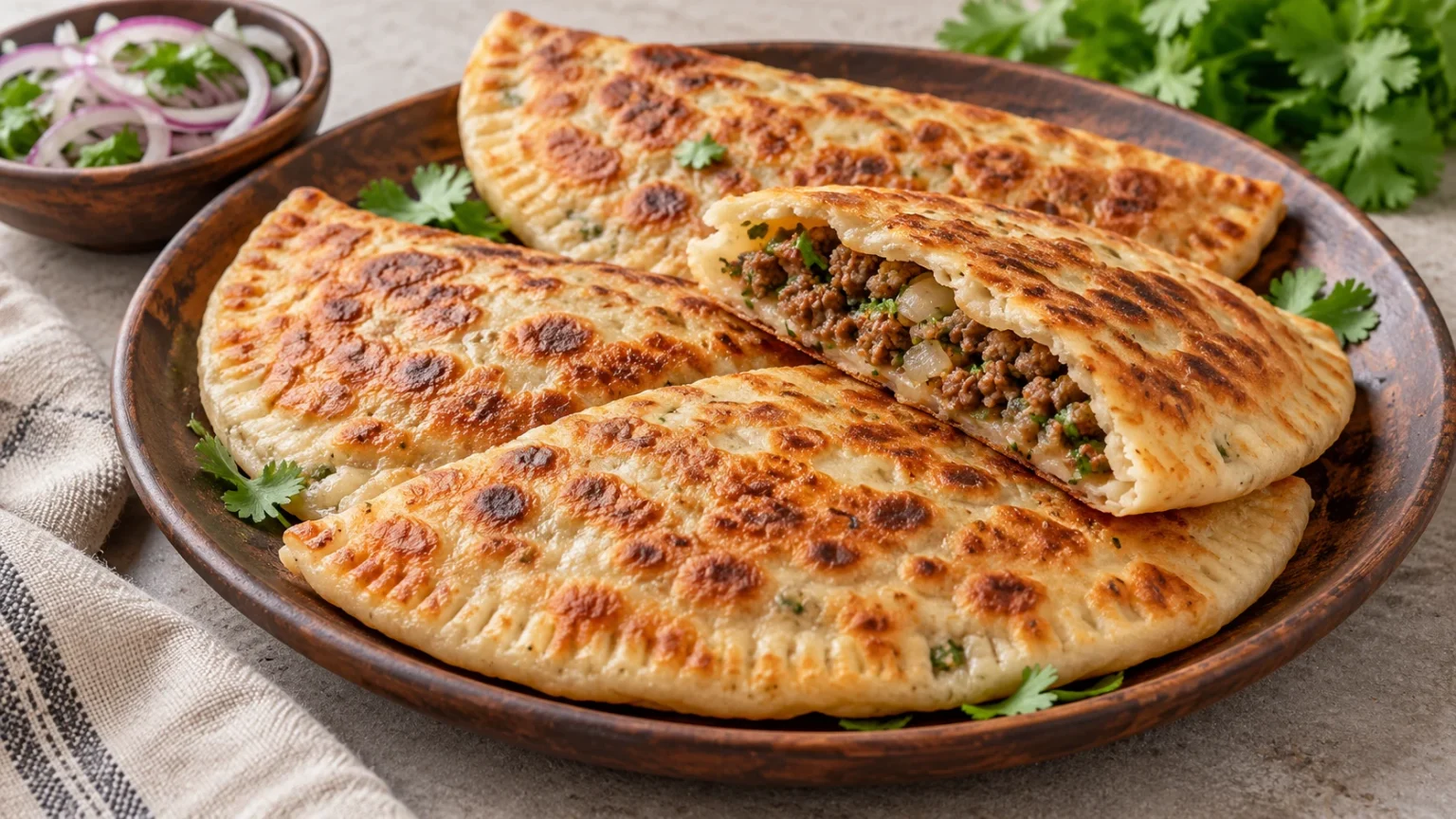
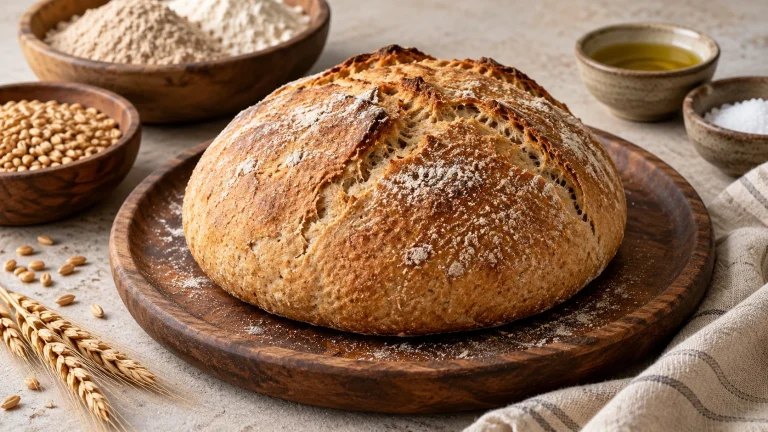
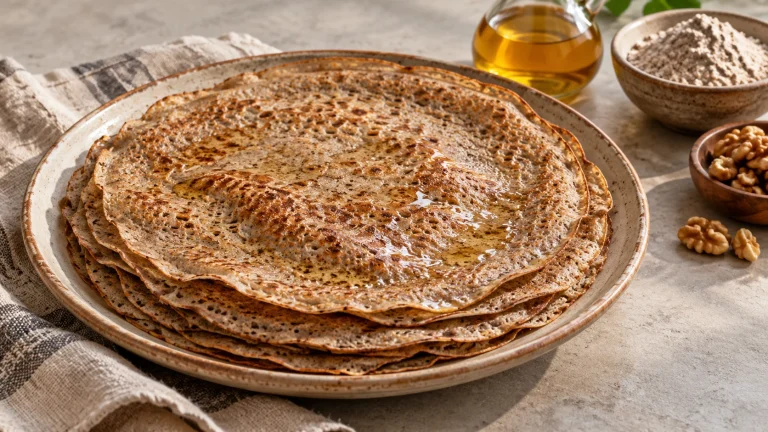
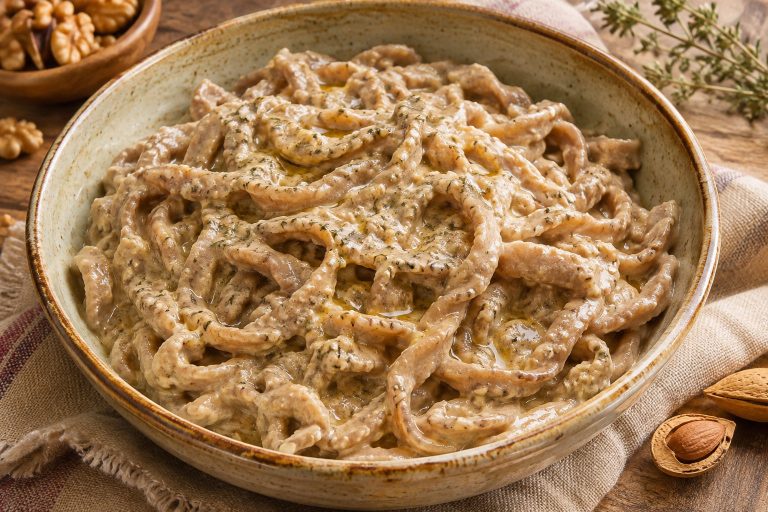
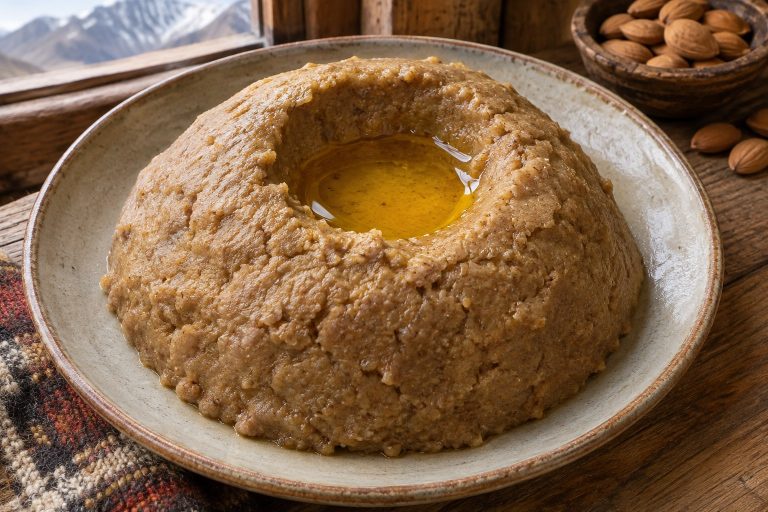
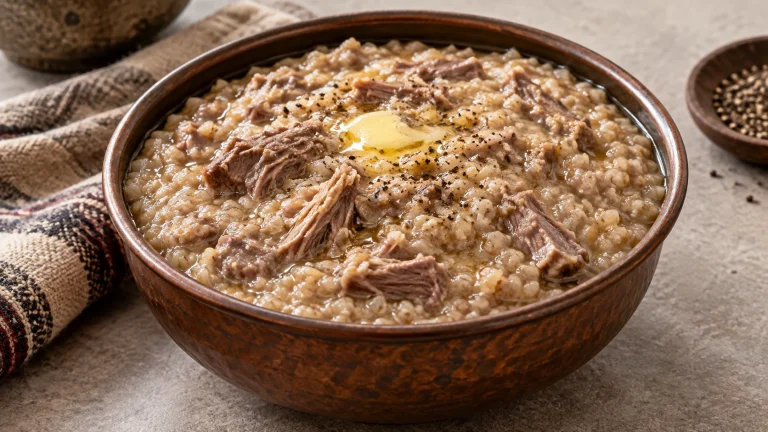
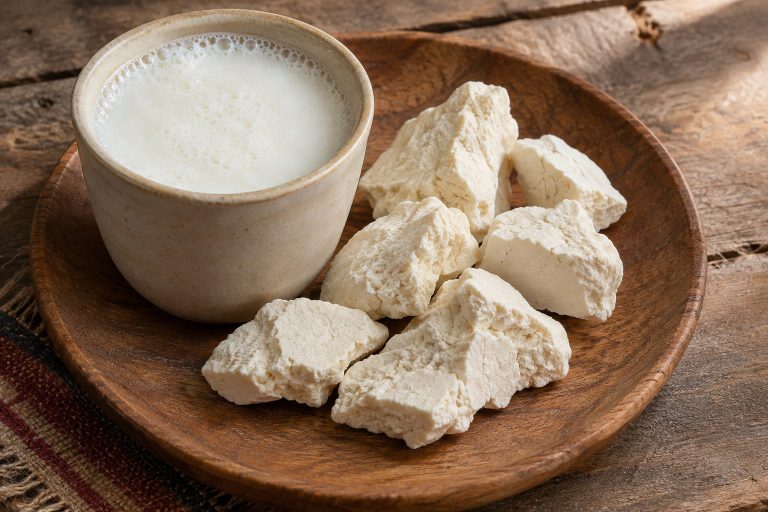
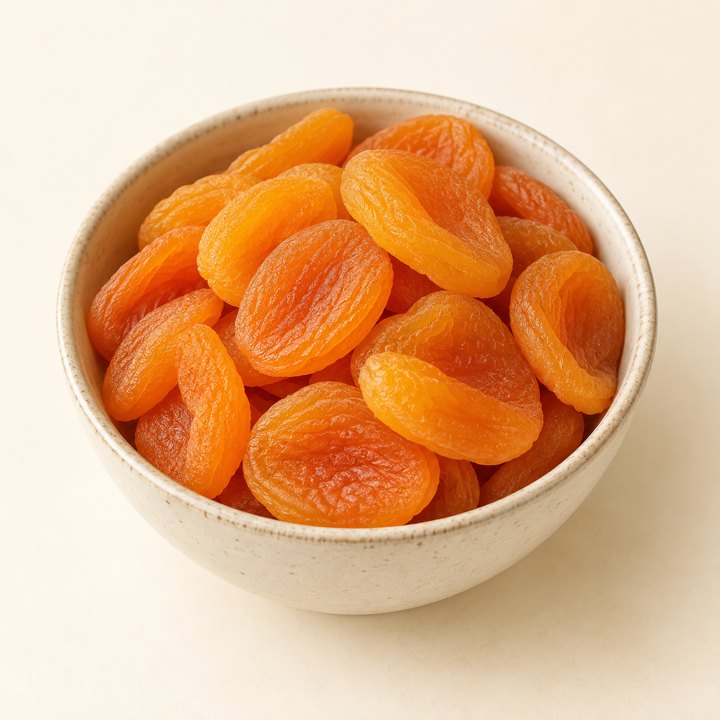
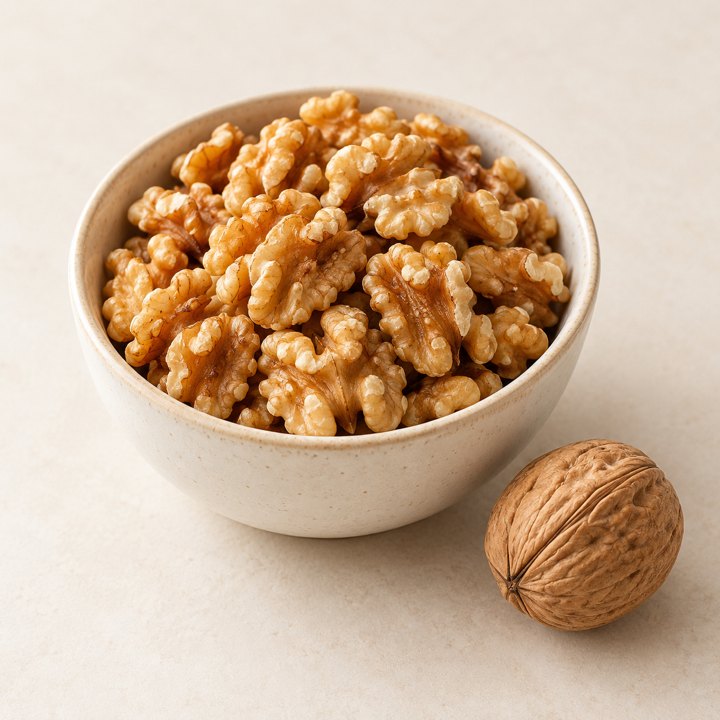
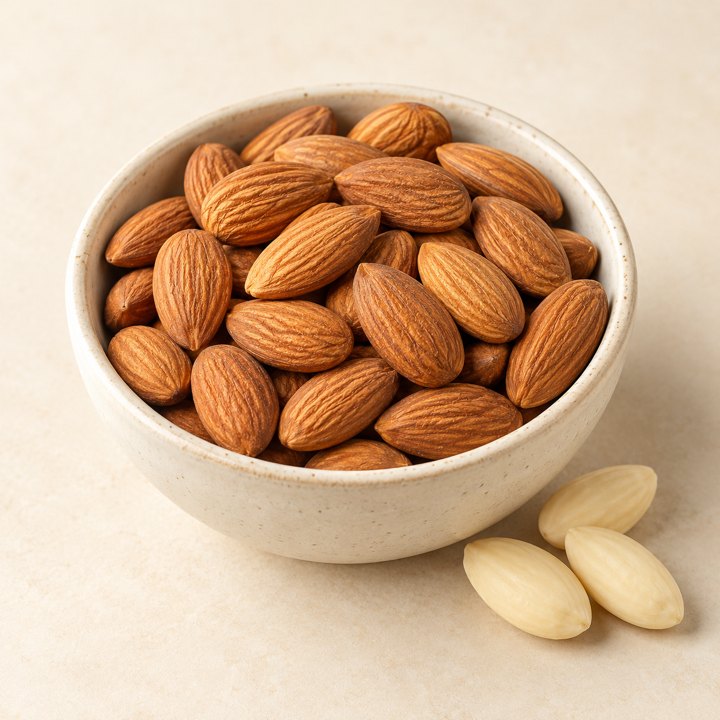
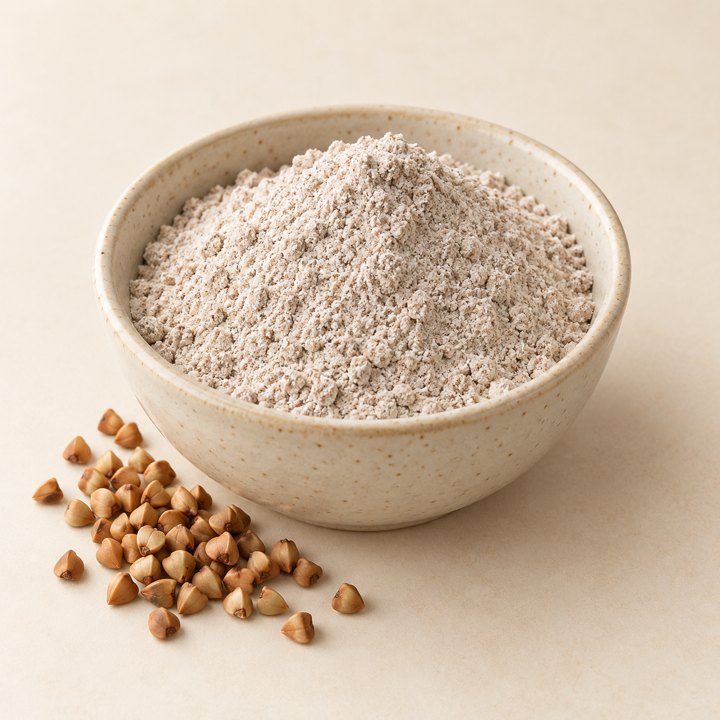
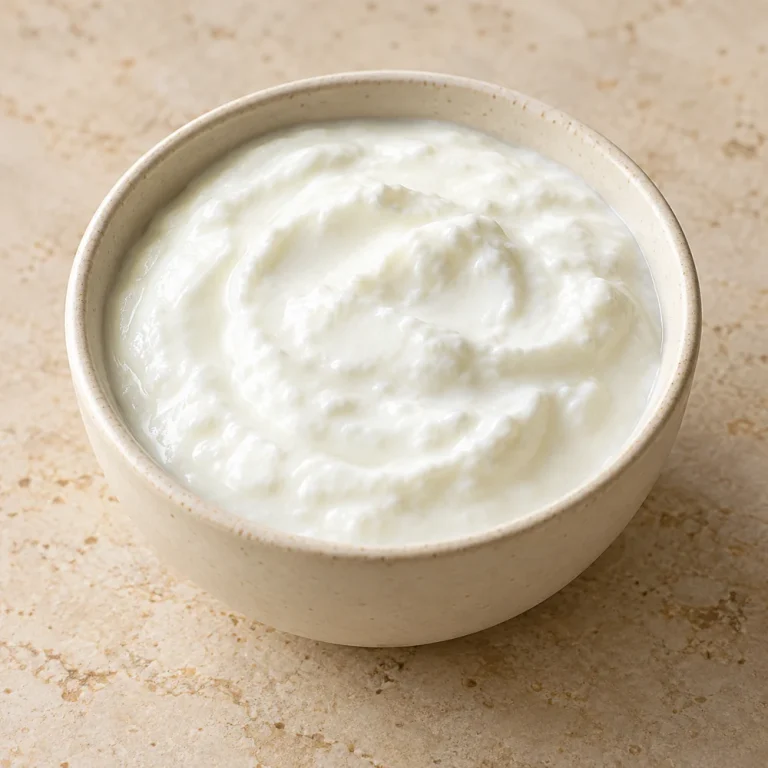
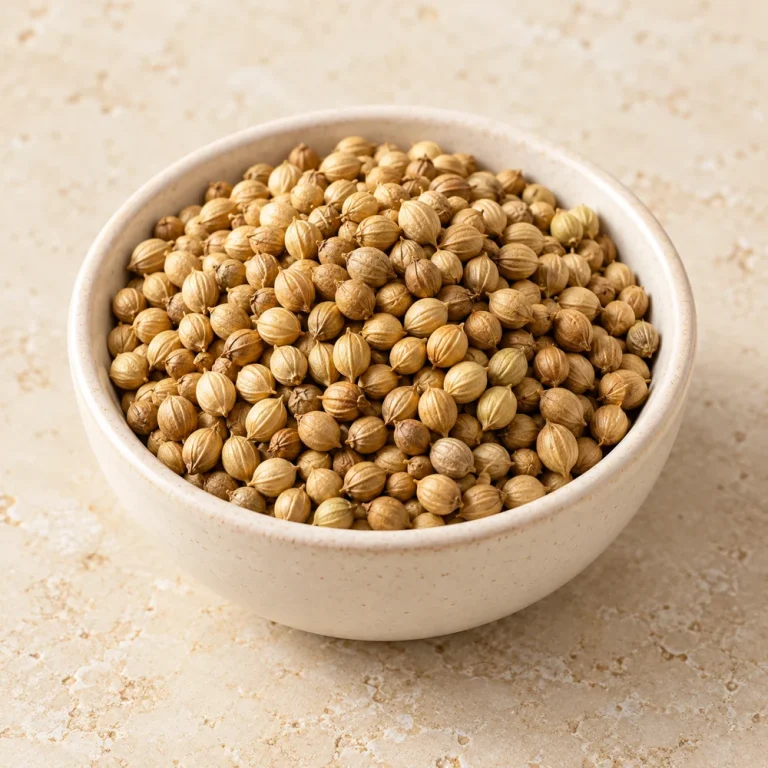
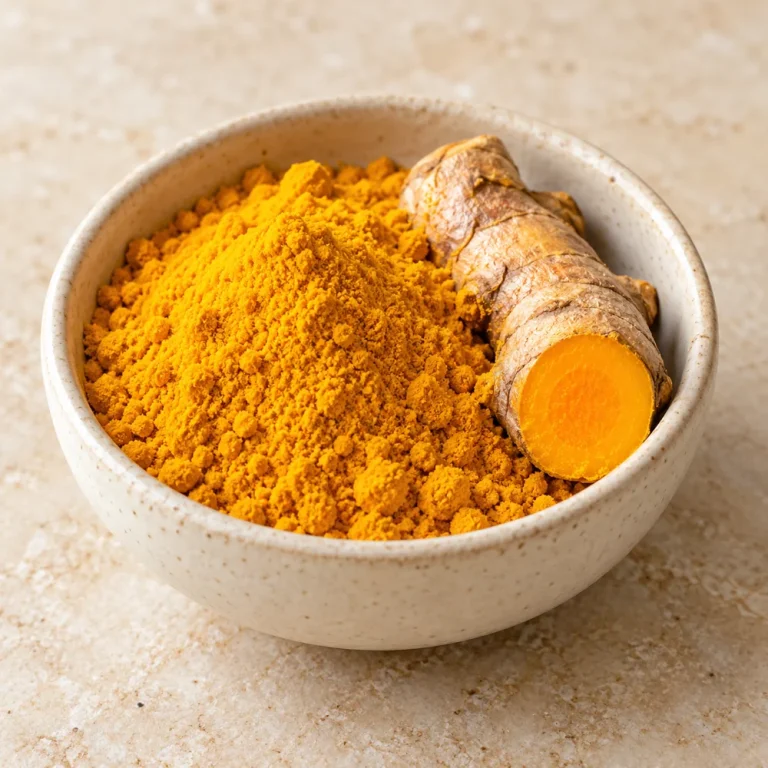
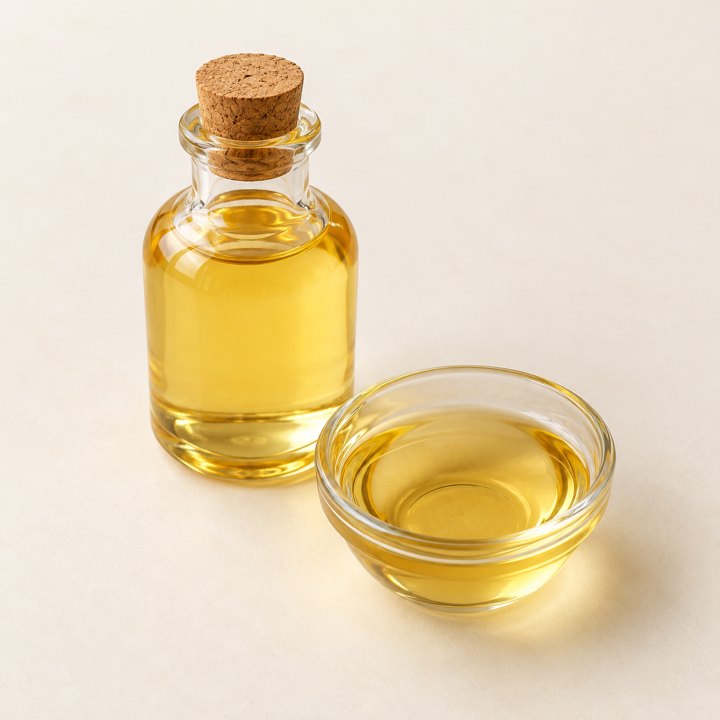
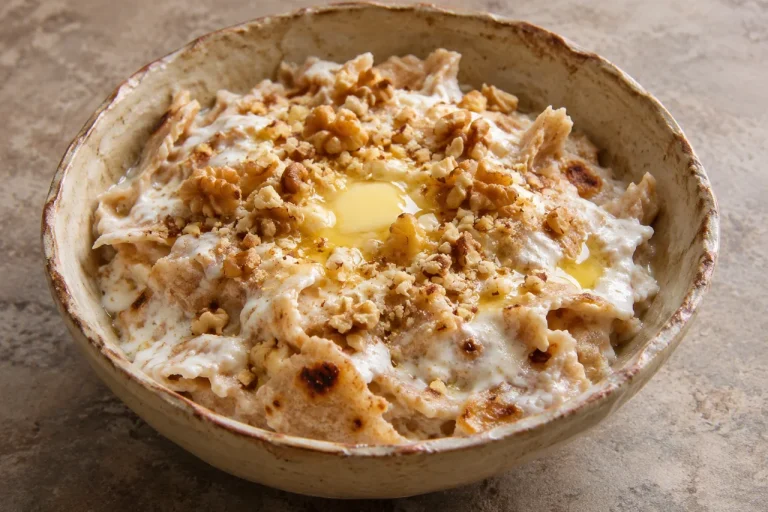
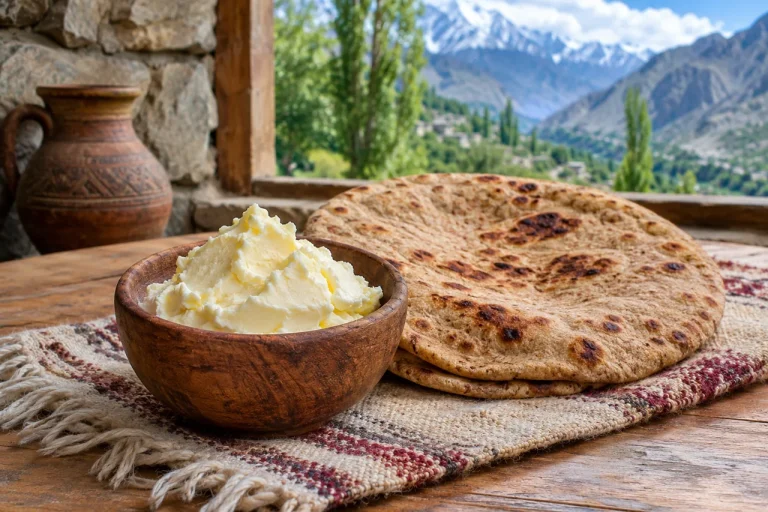
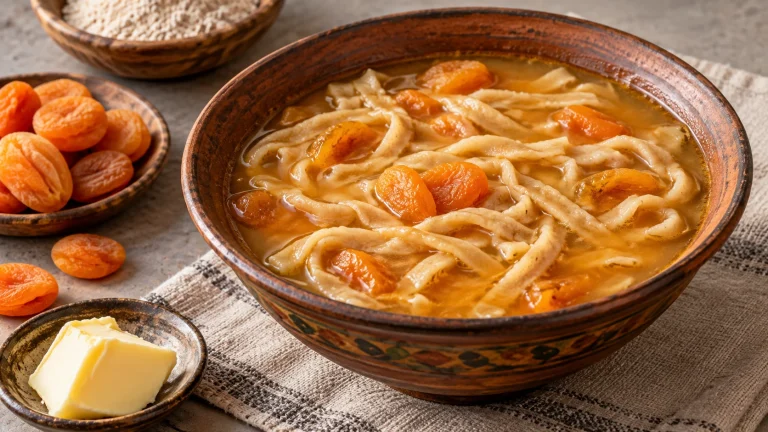
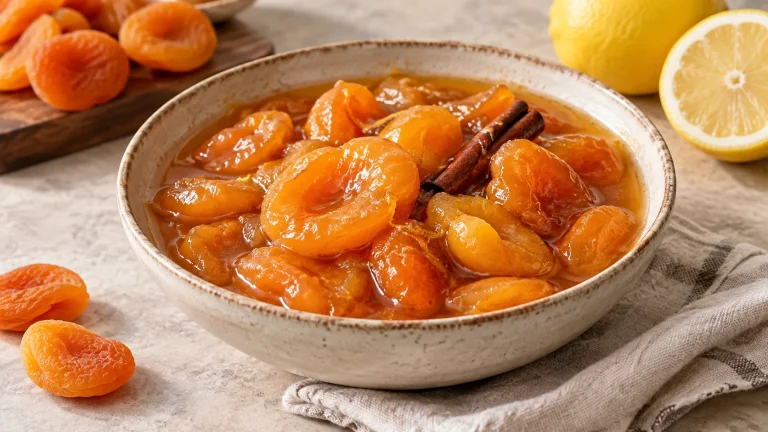
The pillars are wheat, buckwheat and barley; dairy from cows, goats, sheep and yaks; and the orchards, above all apricots, but also walnuts, almonds, mulberries, cherries and apples. Rice does not grow at Hunza's altitude, so bread is central. Fruit is dried on rooftops, walls and boulders, kernels are cracked for snacks and oil, and butter is aged for years. Spices are used lightly: wild thyme (tumuro), coriander and a little turmeric are typical, alongside salt.
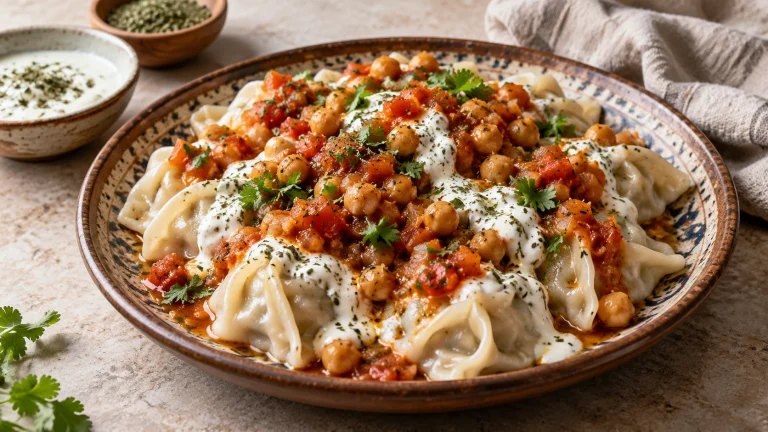
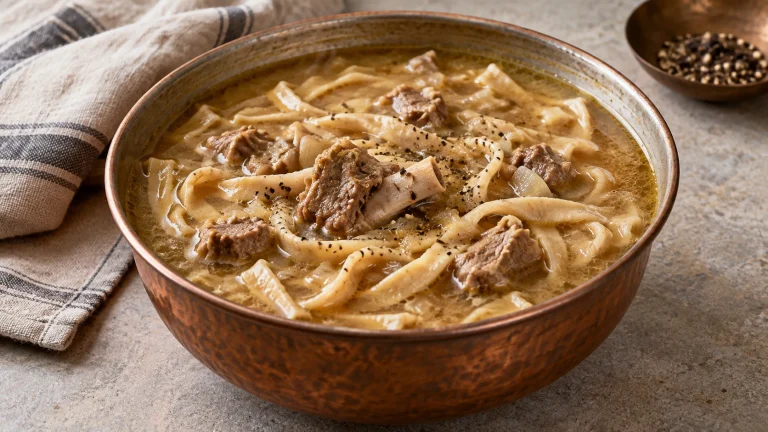
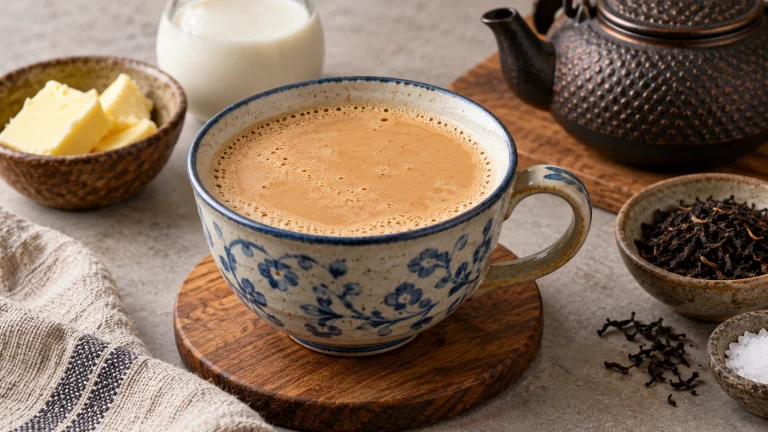
The region's communities, speakers of Burushaski, Shina, Balti, Wakhi and other languages, each have their own dishes and names, and the same dish may be called something different from one valley to the next. As road links to the rest of Pakistan have improved, rice, tea, sugar and lowland dishes have become everyday food, but traditional cooking remains alive in homes and is enjoying a revival in restaurants.