Phitti Bread
An oven-baked wholewheat phitti adaptation using commercial yeast
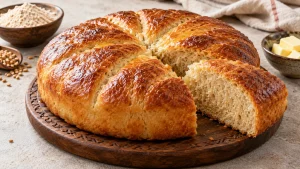
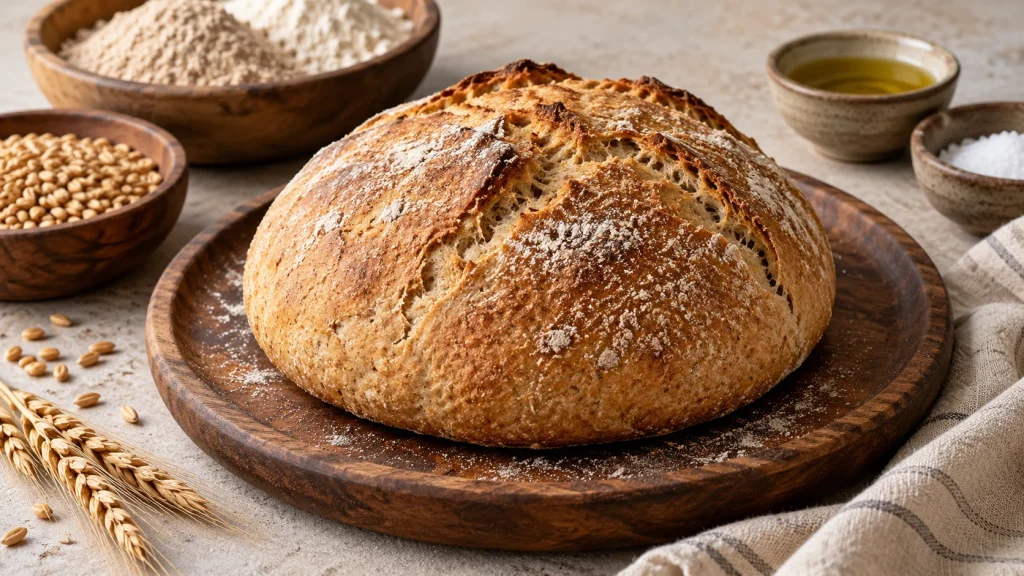
An oven-baked wholewheat phitti adaptation using commercial yeast. It is a small rustic loaf, explicitly distinct from ash-baked bread and from an uncontrolled wild-yeast fermentation.
Plan about 235 minutes including 35 minutes preparation, 35 minutes cooking and 165 minutes of separate resting or chilling. Cooking times are ranges: ingredient thickness, pan width and burner strength alter the endpoint. Preparation is counted separately rather than assuming every task overlaps. One tablespoon = 15 ml; one teaspoon = 5 ml.
About Phitti Bread
An oven-baked wholewheat phitti adaptation using commercial yeast. It is a small rustic loaf, explicitly distinct from ash-baked bread and from an uncontrolled wild-yeast fermentation.
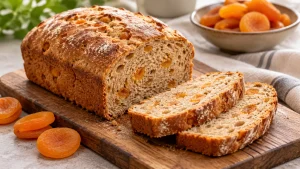
Do not slice immediately out of the oven. Steam inside the loaf needs time to redistribute or the crumb can look gummy.
Personally cooked and tested by Zohair Fakhar for DailyLife.pk. Cooking times can vary with your stove, cookware and batch size; follow the texture and doneness cues in the method.
Make it work for your kitchen
Original quantities serve 8. Cooking times, pan size and frying-oil depth do not scale, cook in extra batches instead.
Before you start
Prepare the batch
Prepare the ingredient cuts listed below and complete the first method stage before moving on. Combine flours, yeast and salt.
Mise en placeControl liquid and salt
Keep each separately labelled liquid quantity distinct: dough water, cooking liquid, soaking water and top-up allowances serve different purposes. Do not add an allowance automatically.
Batch controlSet up the equipment
Have the following tools ready before starting: Kitchen scale and measuring jug; Mixing bowl and dough scraper; Lined baking tray or loaf tin as specified; Domestic oven and cooling rack; Instant-read thermometer.
Clean workspaceMeasure the ingredients
Measure the ingredient quantities for your selected servings before applying heat. Keep separately listed groups, such as dough, filling, sauce or garnish, in separate containers; keep any optional additions separate.
Use the ingredient list above
Step-by-step cooking method
1 Mix
Combine flours, yeast and salt. Add 320 ml water and oil and mix to a soft dough.
2 Mix (continued)
Rest 15 minutes so bran hydrates, then knead 8 minutes. Add allowance a teaspoon at a time only if the dough is stiff and cracking.
3 Rise
Cover and let rise in a warm, draught-free place 60–90 minutes until visibly expanded and springy.
4 Rise (continued)
It need not become an airy white-bread dough; wholewheat flour remains denser.
5 Shape
Press out large gas pockets and shape into two rounds about 16 cm across and 3 cm thick.
6 Shape (continued)
Place on a lined baking tray, cover and proof 30–45 minutes until slightly puffy. Heat oven to 220°C conventional or 200°C fan.
7 Bake
Score a shallow cross on each round and bake 25–35 minutes until deeply browned and the centre reaches about 95°C.
8 Bake (continued)
If colouring too quickly, lower oven by 10°C. Cool on a rack at least 30 minutes before cutting so the crumb sets.
Chef’s tips
- Do not slice immediately out of the oven. Steam inside the loaf needs time to redistribute or the crumb can look gummy.
Common mistakes & quick fixes
- Dough is stiff and tears.
- Give it the stated hydration rest before adding the measured allowance a teaspoon at a time.
- Crust colours before the centre sets.
- Lower oven slightly or tent with foil, then continue until the centre is baked. Do not judge only by the top colour.
Variations & serving ideas
Chosen version: An oven-baked wholewheat phitti adaptation using commercial yeast. It is a small rustic loaf, explicitly distinct from ash-baked bread and from an uncontrolled wild-yeast fermentation.
Seasoning adjustment: Keep the main ingredient and technique unchanged when adjusting chilli or finishing herbs. Substitute packaged sauces only after checking salt content and allergens.
Perfect result check
| Main ingredient | Press out large gas pockets and shape into two rounds about 16 cm across and 3 cm thick. Place on a lined baking tray, cover and proof 30–45 minutes until slightly puffy. Heat oven to 220°C conventional or 200°C fan. |
|---|---|
| Finished batch | Score a shallow cross on each round and bake 25–35 minutes until deeply browned and the centre reaches about 95°C. If colouring too quickly, lower oven by 10°C. Cool on a rack at least 30 minutes before cutting so the crumb sets. |
Storage & reheating
| Covered and chilled | Refrigerate within 2 hours; use within 48 hours | Divide into shallow portions for rapid cooling and refrigerate within 2 hours. Reheat once until steaming hot throughout; stir soups to eliminate cool pockets. |
|---|---|---|
| Freeze if suitable | Best quality within one month | Freeze in labelled meal portions after prompt cooling. Defrost in the refrigerator and reheat thoroughly once. |
Know when to change the heat
| Stage | Heat | What to look for |
|---|---|---|
| Mix | No heat | Combine flours, yeast and salt. |
| Rise | No heat | Cover and let rise in a warm, draught-free place 60–90 minutes until visibly expanded and springy. |
| Shape | No heat | Press out large gas pockets and shape into two rounds about 16 cm across and 3 cm thick. |
| Bake | 220°C conventional / 200°C fan | Score a shallow cross on each round and bake 25–35 minutes until deeply browned and the centre reaches about 95°C. |
Helpful answers before you cook
Why mix plain and wholewheat flour?
The plain flour supports a manageable rise while wholewheat keeps the rustic grain character.
Can I replace instant yeast with wild starter?
Not directly. Starter hydration and fermentation need a separately specified formula.
Why cool before slicing?
The crumb continues setting as steam redistributes; hot slicing can make it seem gummy.