
Ingredients & food heritage
Sea Buckthorn: Pakistan’s Mountain BerryUses and Buying Guide
How to recognise sea buckthorn as a food ingredient, compare berries, juice and oils, and use its sharp flavour in a home kitchen.
The plant and the berry
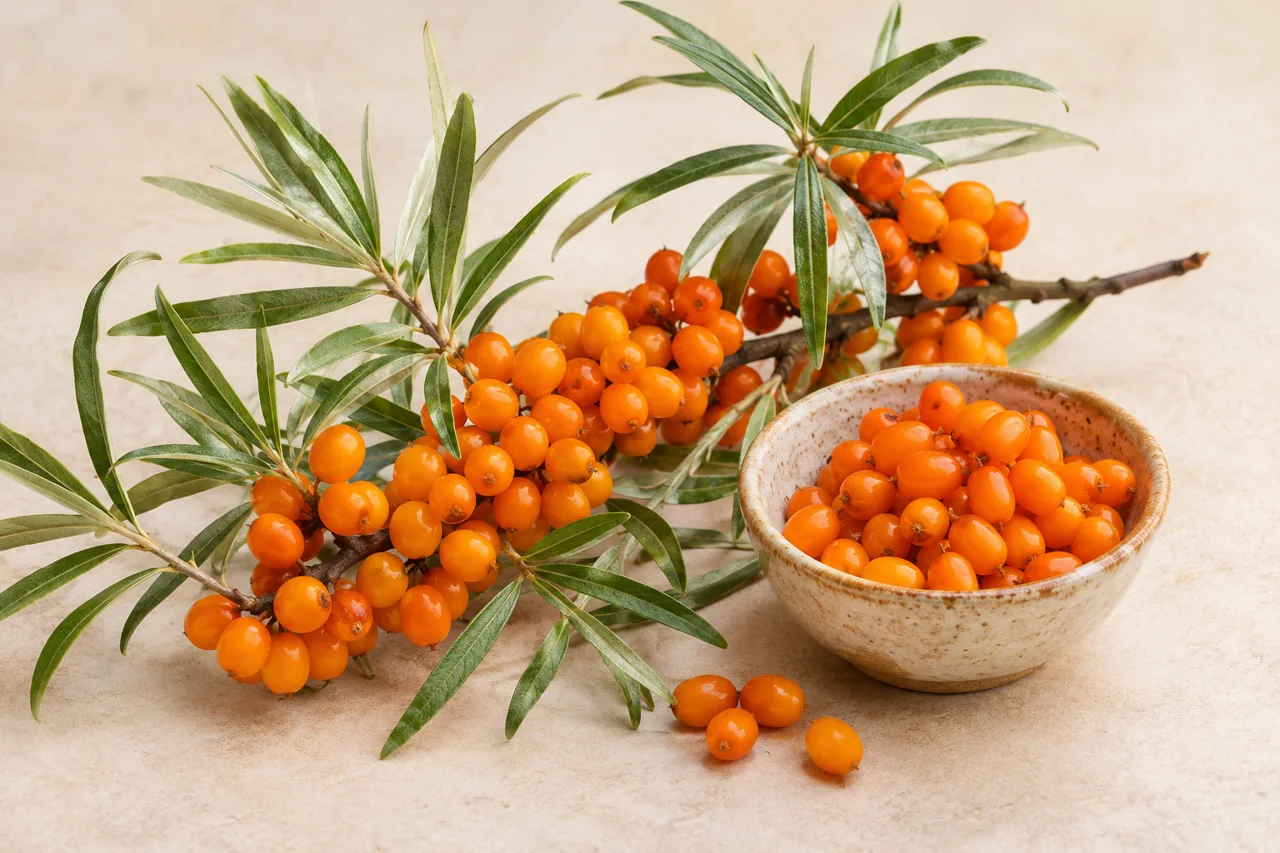
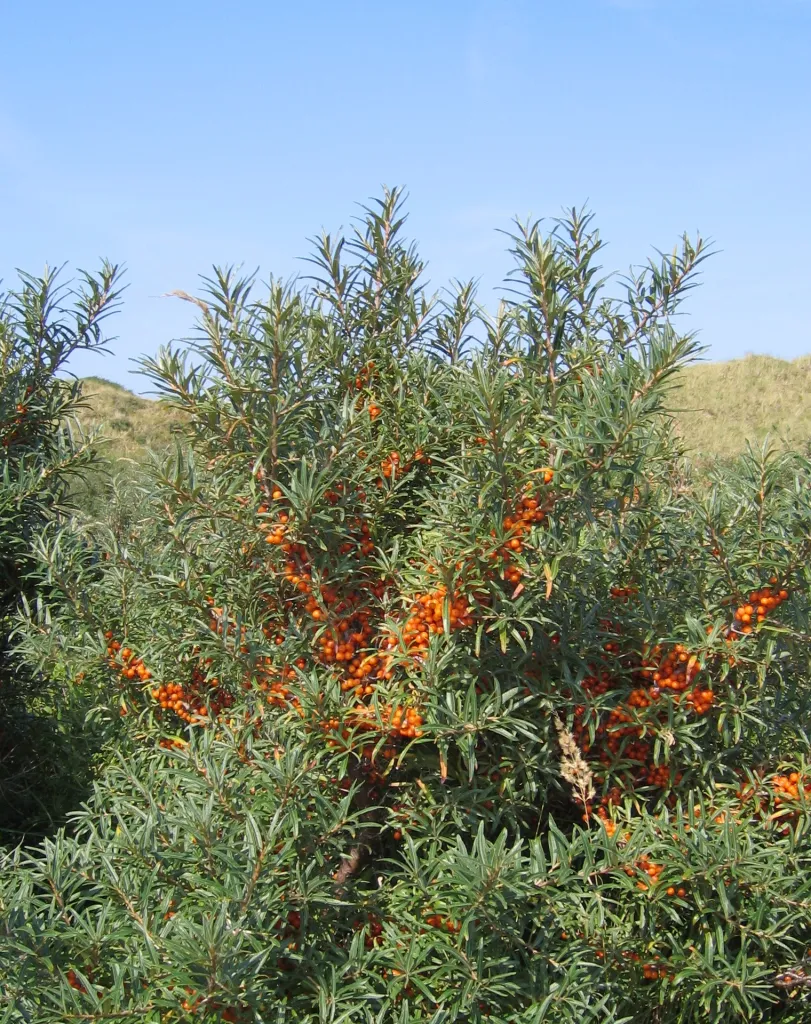
Sea buckthorn is usually identified botanically as Hippophae rhamnoides. It produces small orange berries on thorny branches with narrow leaves. Research indexed by FAO AGRIS records populations in northern Pakistan and the Karakoram. A photograph or colour alone is not a safe foraging identification; buy berries sold as food by an identified supplier.
Origin, production and trade
Sea buckthorn occurs across parts of Europe and Asia, and cultivated products are sold internationally. Pakistan’s northern berries are part of that wider food landscape. The research sources here describe plant variation and berry composition; they do not provide a current national production league table or verified Pakistan import and export totals. An overseas label, organic claim or local origin should be checked against the actual supplier documentation rather than assumed from the product name.
Forms are not interchangeable
Fresh or frozen berries, puree, sweetened juice, seed oil, pulp oil and cosmetic products have different uses. Read the ingredient list, food-use designation and added-sugar information. An oil sold for skin or hair is not automatically edible. Berry drinks can be sharply acidic, and a product called juice may contain substantial water and sweetener.
Cooking with its sharp flavour
Start with a small amount of puree stirred into yoghurt, a fruit sauce or a dressing. Taste before adding sugar. For a drink, dilute a food-grade juice or puree gradually with drinking water according to the package. Strain seeds and coarse solids when a smooth texture is wanted. Blend with apple or another mild fruit if the acidity overwhelms the recipe.
Nutrition and limitations
Composition studies find vitamin C and other plant compounds, but amounts vary with plant material, processing and storage. There is no single nutrient value that applies equally to every berry, juice and oil. A food ingredient should not be marketed as a treatment or a guaranteed immunity, weight-loss or longevity product. Compare the nutrition label of the product you actually buy.
Buying, keeping and responsible sourcing
Choose a traceable food supplier with clear storage instructions. Refrigerate fresh berries promptly, discard spoiled fruit and follow the package for frozen fruit, opened juice and oils. Keep oils tightly closed and away from heat and light. Ask about responsible harvesting rather than damaging wild shrubs. For an alternative local fruit flavour, explore our dried apricot guide and apricot compote recipe.
Frequently Asked Questions
Can I drink sea buckthorn cosmetic oil?
No. Use only a product explicitly sold for food.
Does every juice contain the same vitamin C?
No. Variety, dilution, processing and storage affect composition; check the product label.
Is it naturally sweet?
The berries are usually sharply tart; sweetened commercial drinks can taste very different.
Keep Exploring
Related places and stories on DailyLife.pk
How we know this
- Type Explainer
- Sources 3 (1 official/academic)
- Reviewed November 2026
- Disputed points None
3 sources
Photo credits (2)
- Sea Buckthorn | DailyLife.pk, DailyLife.pk, All rights reserved
- Hippophae rhamnoides-01 (xndr).JPG, No machine-readable author provided. Svdmolen assumed (based on copyright claims)., CC BY-SA 3.0, via Wikimedia Commons
