
Nature
Watching Wildlife Responsibly
How to see ibex, markhor, birds, dolphins and turtles without harming them: ethics, seasons, guides and what park authorities say about rules and permits.
- Ethics and etiquette
- Seasons by habitat
- Check permits locally
- Distance and patience
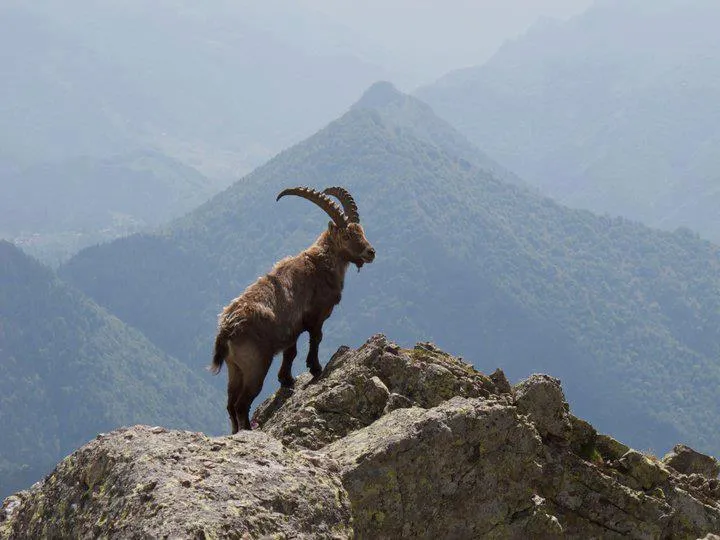
Himalayan ibex, Gilgit-Baltistan
Why It Matters
Pakistan's best wildlife experiences happen in places where the margin for error is small: high plateaus where bears depend on a short summer, cliffs where ibex rear young, lagoons where migrating birds must rest, and beaches where turtles nest. Many popular sites have felt the pressure of visitors. Express Tribune reported in 2026 that a 2022 survey found 12 campsites, 66 tents and 173 people inside Deosai National Park, and that plastic waste had been found in bear droppings. Dawn reported in 2017 that Saiful Muluk National Park suffered from litter, grazing and tourist jeeps at the lake shore.
Responsible wildlife watching is not complicated, but it does change how you travel: more patience, more distance, a local guide, and a willingness to go home without a photograph. The guidance below combines what the park authorities and published reports say with common good practice, and labels which is which.
The best wildlife encounter is one the animal barely notices.
Ten Principles for Watching Wildlife
- Keep your distance. Use binoculars or a long lens, and never approach, chase, corner or touch wildlife.
- Never feed animals. Feeding changes behaviour and attracts animals to roads and camps; the CKNP information site specifically asks visitors not to feed marmots.
- Keep food sealed and out of tents and pockets so bears and other animals do not learn to associate people with food (CKNP information site).
- Take all rubbish with you, including food waste, wrappers and fishing line.
- Stay on roads and marked trails, especially in breeding season; the CKNP information site notes ibex calving on upper slopes in May and June.
- Keep voices and engines low. Switch off the engine when animals are near the road.
- Hire local guides, porters and drivers. They know where animals live and benefit directly from conservation (CKNP information site recommends local porters from buffer-zone villages).
- Do not use flash, bait, playback calls or drones near wildlife. Drones may need permission in protected areas, so ask first.
- Never buy horns, skins, feathers, eggs or live animals. Illegal trade drives poaching.
- Report injured animals or suspected poaching to the provincial wildlife department or park office.
What Official Sources Say About Rules and Permits
Protected-area law
Khyber Pakhtunkhwa example
Dawn reported in 2017 that the 1975 provincial wildlife law prohibits hunting, logging, grazing and fishing in a national park such as Saiful Muluk, and also covers littering. Rules differ by province and park.
Park entry
Varies by park
The Gilgit-Baltistan Forest, Wildlife and Environment Department mentions a digital ticketing system for national parks but does not publish a fee table on its park pages. Confirm fees and rules with the department before travelling.
Central Karakoram core zone
Reported conditions, 2026
The park's information site (page dated 6 May 2026) says a trekking permit is needed for the core zone, that solo trekking there is not permitted, and that research permits cover sample collection, camera trapping outside the park programme, drones and GPS tracking. Confirm with the park office.
Border and restricted areas
Check before travelling
Some wildlife areas lie in border regions or require permission. Check our guide to restricted areas and permits, and current advisories and local authority guidance.
Photography
Respect local rules
Photography near borders, military sites and some protected areas is regulated. Read our guide to photography rules in Pakistan and ask park staff.
Turtle beaches
Work with staff
On Karachi's nesting beaches, protection is done by Sindh Wildlife Department staff and volunteers. Follow their instructions on where to stand and when to keep lights off.
Seasons at a Glance
| Wildlife or place | When to go | What the sources say |
|---|---|---|
| Khunjerab road and ibex | May to October is the most reliable window | The road has traditionally been open about April to November; snow can close it (Khunjerab Pass page) |
| Deosai plateau and brown bears | Summer | Snow covers the plateau for almost eight months of the year (Dawn, 2019); the department mentions spring wildflowers |
| Central Karakoram treks | Summer; peak mid-July to August | First snow at Concordia typically arrives in September (CKNP information site, 2026) |
| Chitral Gol wildflowers and markhor | April to early June for flowers | Flowers bloom from April to early June (Dawn, 2017) |
| Kaghan lakes | June to September | The tourist season usually opens in May and runs to early autumn (Naran-Kaghan page) |
| Karachi turtles | August to January | Volunteer night watches; the season varies (AFP, 2023) |
| Migratory waterbirds in Sindh | Late August to February | Most birds arrive by the end of November and leave by the end of February (Dawn, 2011) |
Seasons shift with weather and snow. Treat these as guides and confirm road and weather conditions locally.
Species Guides
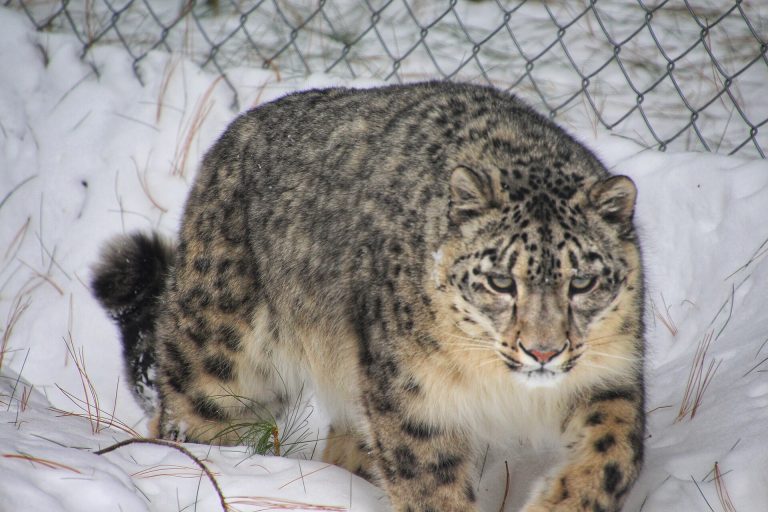 Snow leopardPresent but almost never seen; a reason for care, not a target.
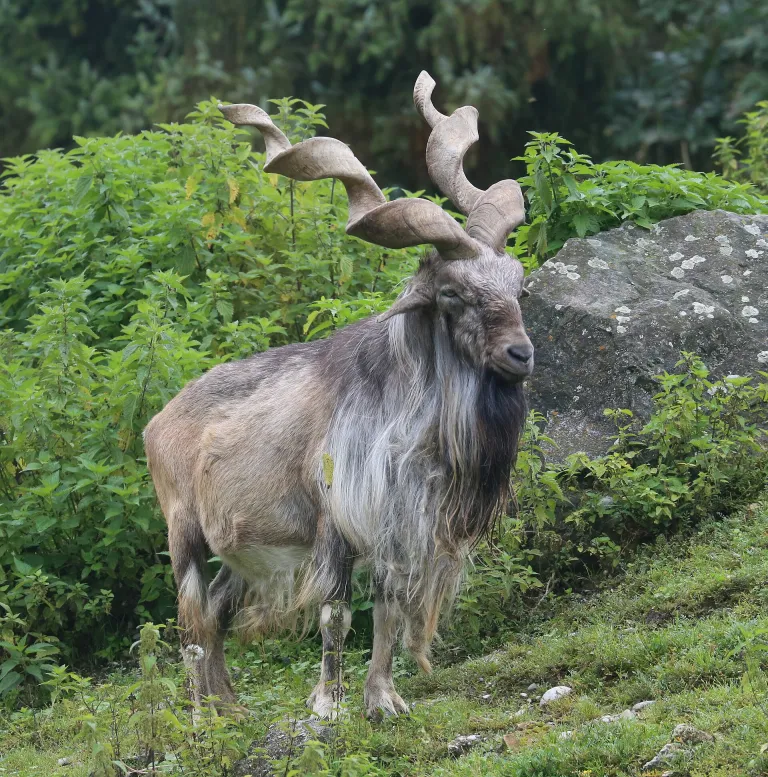 MarkhorPakistan's national animal; best looked for with a guide at first and last light.
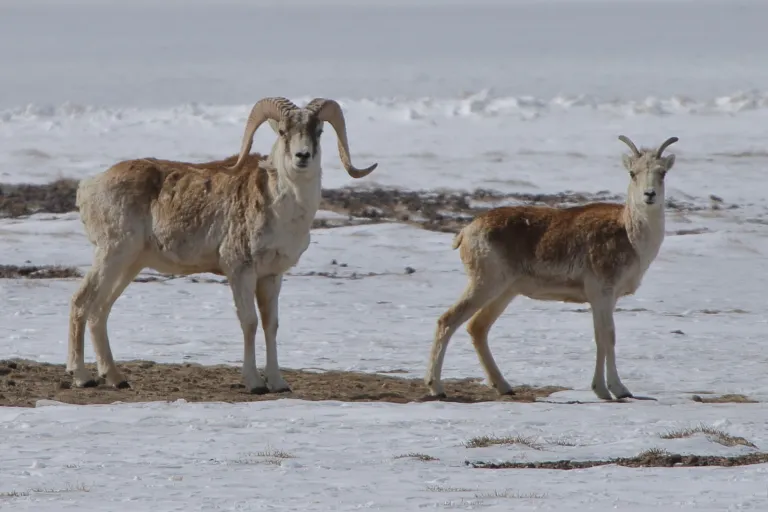 Marco Polo sheepA seasonal visitor to the high Khunjerab area; sightings are very unlikely.
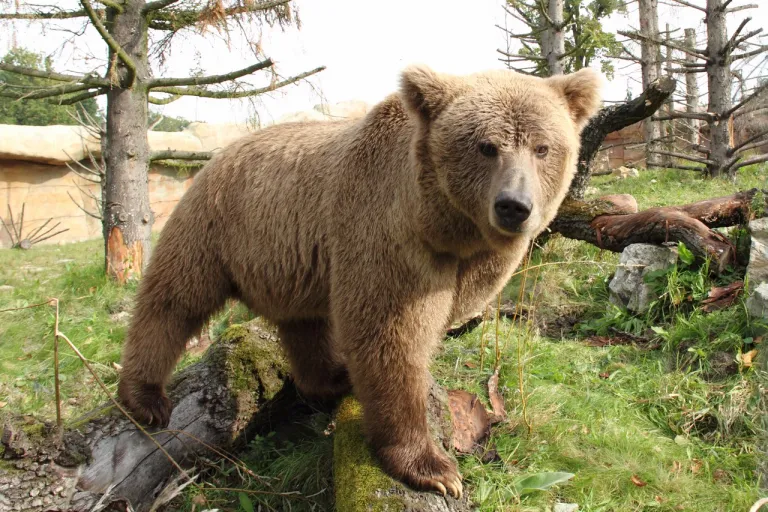 Himalayan brown bearA small population on Deosai; litter and food waste are the visitor issue.
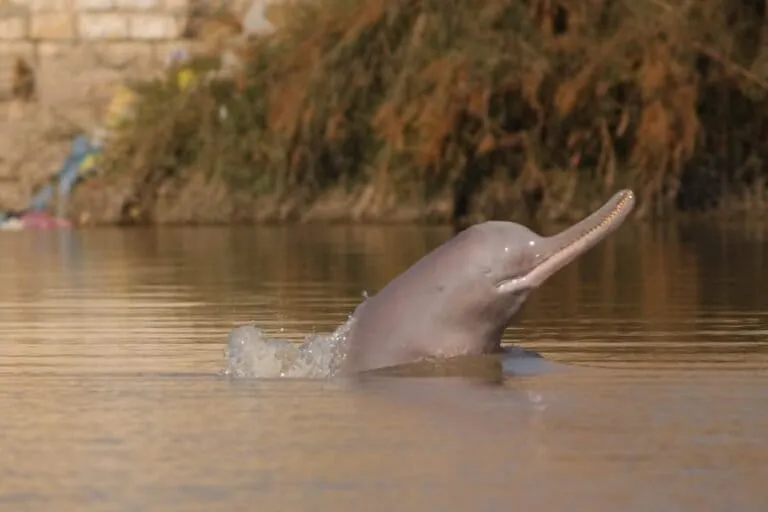 Indus river dolphinBrief glimpses in the Indus in Sindh; low boat speeds matter.
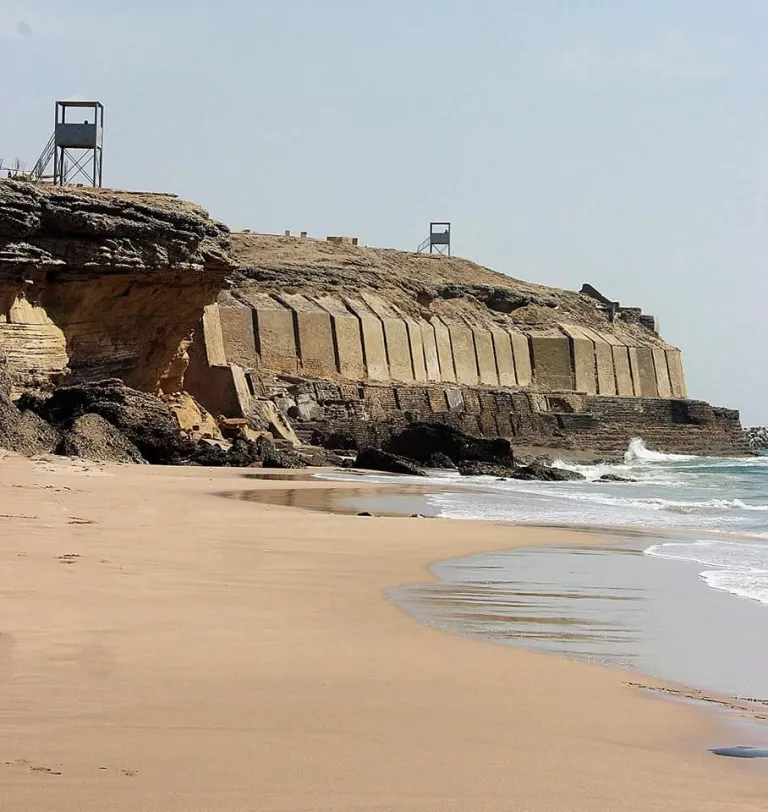 Green turtleNight nesting on Karachi's beaches; lights and noise are the problem.
Guides, Gear and Timing
A local guide is the single best investment. The CKNP information site recommends binoculars of at least 8x32, scanning upper slopes during rest stops, keeping voices low near side valleys and hiring a porter from a buffer-zone village who may spot animals visitors miss. Above 3,500 metres it describes wildlife as most active in the first two hours after dawn and the last hour before sunset. The same advice works in lower habitats: be in position before the animals move, sit still, and let them come into view.
Plan around the season, not just the weather. Mountain parks are snowbound for much of the year, wetlands are fullest and busiest in winter, and turtles nest in the cooler months. Carry water, a warm layer and a first-aid kit, tell someone where you are going, and be ready to turn back when weather or altitude demand it.
Photography and Drones
Photography should never change an animal's behaviour. If an animal stops feeding, looks at you, moves away or shows signs of stress, you are too close. Do not use flash at night, never use bait or recorded calls to lure birds or mammals, and do not block animals' paths to water. Drones disturb many species, especially birds of prey and animals on cliffs, and the CKNP information site says drone use inside that park falls under research permits. Rules differ across parks and border areas, so ask the park office before flying one.
Frequently Asked Questions
Do I need a permit to watch wildlife in Pakistan?
It depends on the area. Some parks charge entry fees, some trekking zones need permits and registered guides, and border or restricted areas have their own rules. The Gilgit-Baltistan forest department does not publish a fee table on its park pages, so confirm with the department or the park office.
Can I fly a drone in a national park?
Not without checking. The Central Karakoram information site says drone use falls under research permits. Rules differ by park and border areas, so ask the relevant office before flying.
What is the best time of day to see wildlife?
Early morning and late afternoon. The CKNP information site describes the first two hours after dawn and the last hour before sunset as the most active times above 3,500 metres.
Is it okay to feed animals?
No. Feeding changes behaviour and can make animals dependent on people. The CKNP information site asks visitors not to feed marmots and to keep food sealed so bears do not associate people with food.
How can I report poaching or an injured animal?
Contact the provincial wildlife department or the park office. In Gilgit-Baltistan that is the Forest, Wildlife and Environment Department.
Keep Exploring
Related places and stories on DailyLife.pk
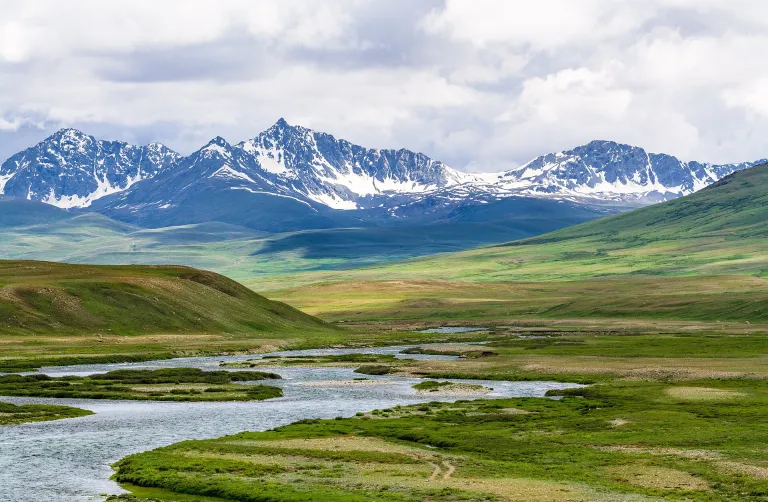 Deosai National ParkDeosai National Park guide: Himalayan brown bears, Sheosar Lake, Bara Pani, routes from Skardu and Astore
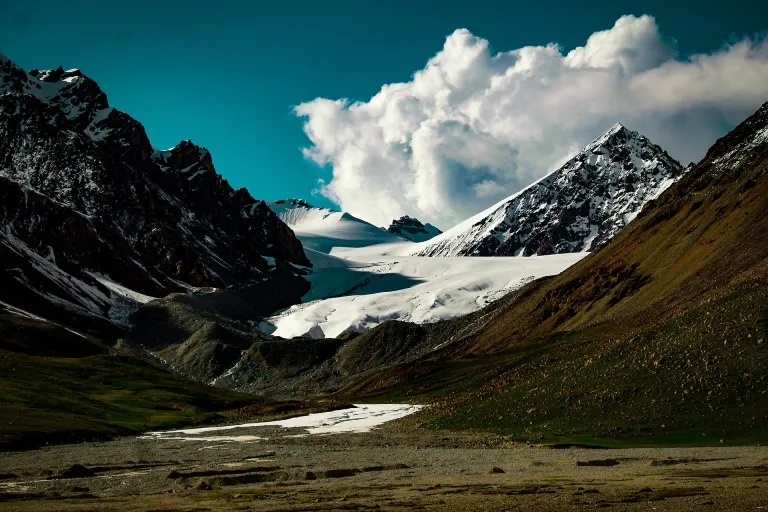 Khunjerab National ParkGuide to Khunjerab National Park in Upper Hunza: wildlife, the Marco Polo sheep story, season
 Central Karakoram National ParkGuide to Central Karakoram National Park, Pakistan's largest protected area: K2, Baltoro, Biafo and Hispar glaciers
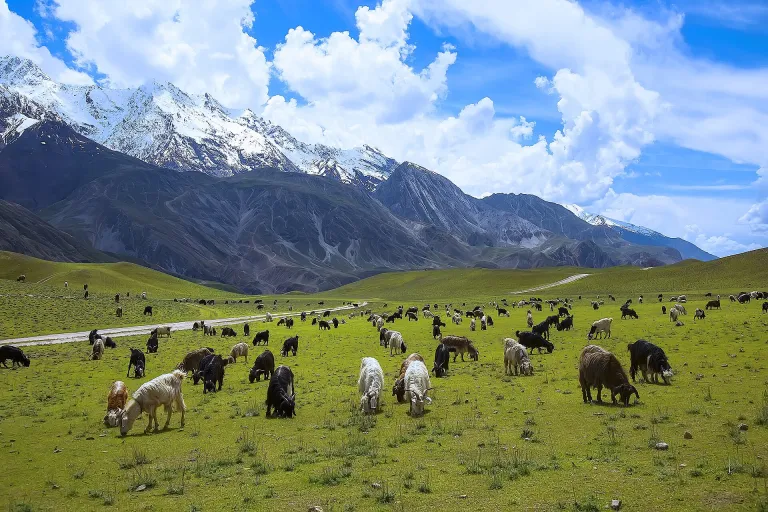 Chitral Gol National ParkVisit Chitral Gol National Park near Chitral: markhor, snow leopard, deodar forest, spring flowersWildlife of PakistanPakistan's wildlife: markhor (national animal), snow leopard, Indus river dolphin, Himalayan brown bear, ibex
 National Parks of PakistanGuide to Pakistan's national parks: Central Karakoram, Deosai, Khunjerab, Hingol, Margalla Hills, Lal Suhanra and more
How we know this
- Type Explainer
- Sources 10 (2 official/academic)
- Reviewed October 2026
- Disputed points None
10 sources
- Visiting CKNP: permits, season, getting there and insurance (page dated 6 May 2026), CKNP information site
- Karakoram wildlife guide, CKNP information site
- Deosai National Park, Forest, Wildlife & Environment Department, Gilgit-Baltistan
- Khunjerab National Park, Forest, Wildlife & Environment Department, Gilgit-Baltistan
- Saiful Muluk National Park: a picture of neglect, Dawn, 6 August 2017
- Rare brown bears face new threat in Deosai, The Express Tribune
- As the brown bear thrives in Deosai, villagers feel threatened, Dawn, 16 December 2019
- Walking the trail majestic (Chitral Gol National Park), Dawn, 4 June 2017
- Green turtles fight to survive against Pakistan's urban sprawl (AFP, 5 December 2023), The Express Tribune
- Dawn report on migratory birds and the Indus Flyway (APP, 12 December 2011), Dawn
Photo credits (10)
- Capra sibirica in Gilgit-Baltistan, Pakistan.jpg, Ali irfan, CC BY-SA 4.0, via Wikimedia Commons
- Snow Leopard In Naltar Gilgit.jpg, Nazir Baig, CC BY-SA 4.0, via Wikimedia Commons
- Markhor Schraubenziege Capra falconeri Zoo Augsburg-02.jpg, Rufus46, CC BY-SA 3.0, via Wikimedia Commons
- Marco Polo sheep pair by Fábio Olmos (cropped).jpg, Fábio Olmos, CC BY 4.0, via Wikimedia Commons
- Medvěd plavý (Ursus arctos isabellinus).jpg, Zoo Hluboka, CC BY-SA 4.0, via Wikimedia Commons
- Indus river Dolphin , The National Aquatic Animal of Pakistan.jpg, Shiana1, CC0, via Wikimedia Commons
- Manora Beach, Karachi Pakistan.jpg, AleenaBinyameen, CC BY-SA 4.0, via Wikimedia Commons
- Lukpe Lao or popularly known as Snow Lake , is a glacial basin which located at the confluence of Biafo and Hispar glacier in Central Karakoram National Park.jpg, Vasiq Eqbal, CC BY-SA 4.0, via Wikimedia Commons
- PK Keenjhar Lake near Thatta asv2020-02 img1.jpg, A.Savin, FAL, via Wikimedia Commons
- Pirali checkpost, Khunjerab Pass.jpg, Bernard Gagnon, CC BY-SA 4.0, via Wikimedia Commons
