
Nature
The Indus Flyway: Pakistan's Winter Highway for Birds
Every winter, waterbirds from Siberia and Central Asia pour into Pakistan's wetlands. How the route works, where to watch, and what is changing.
- Migratory waterbirds
- Arrive late August to November; leave by February
- Sindh wetlands are the main wintering area
- Birdwatching
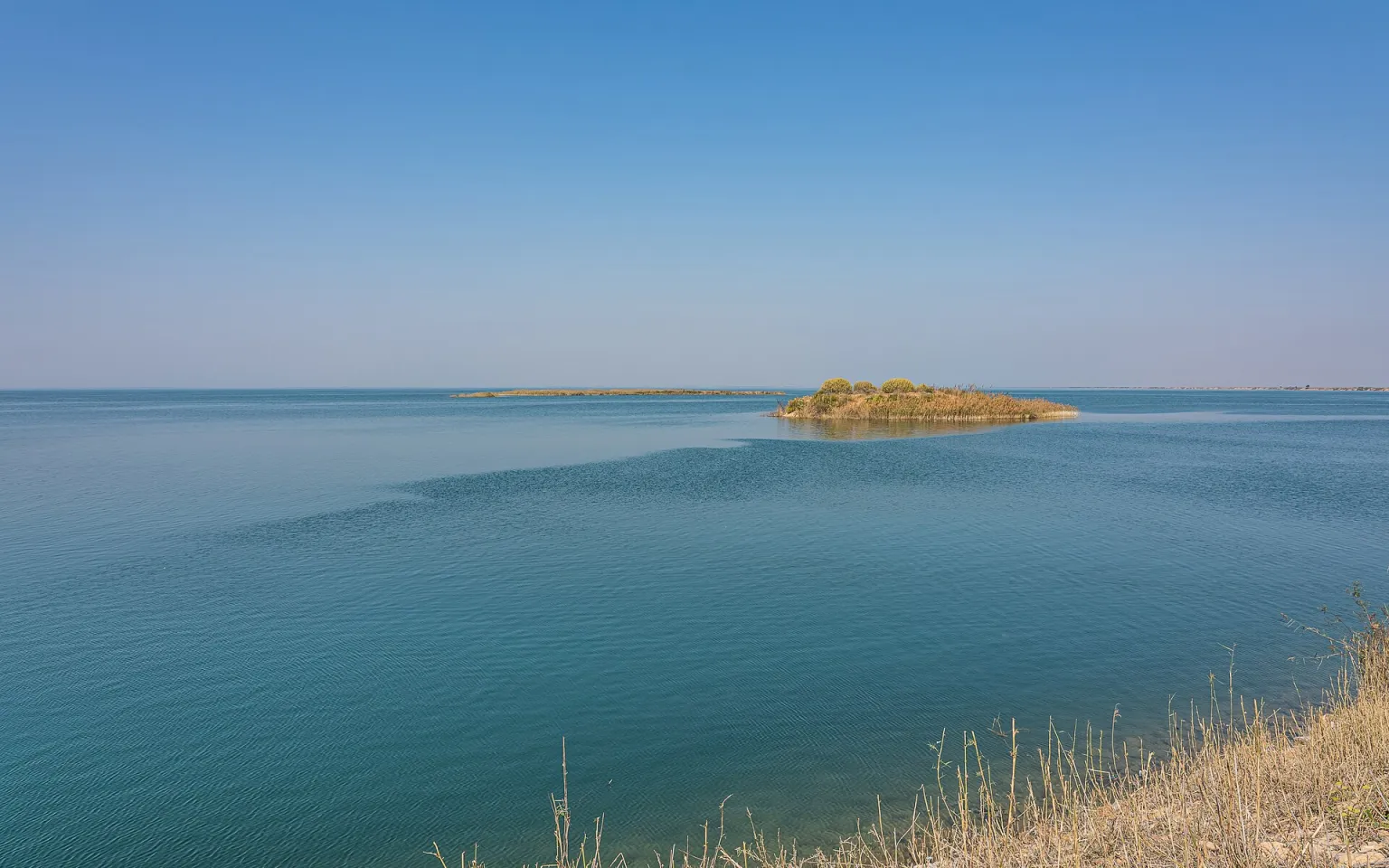
Keenjhar Lake, Sindh
What the Indus Flyway Is
Each autumn, birds that breed in Siberia and Central Asia move south to escape the freeze. A large share of them travel through Kazakhstan and Afghanistan and end up in Pakistan, following a route that Dawn described in 2011 as the Green Route or the Indus Flyway. According to that report, migration starts in the north around the end of August, most birds arrive by the end of November, and they spend the winter in Pakistan before heading home by the end of February.
The report estimated a wintering population of around one million birds, without giving a survey year. More recent monitoring is more specific. The Sindh Wildlife Department counted 545,258 migratory waterbirds at 30 major wetland sites in the 2024-25 season, compared with 639,122 the previous year, a decline of 14.68 per cent. Both surveys covered about 40 per cent of Sindh's wetland area, according to Arab News. The surveys recorded more than 57 species of waterfowl, among them common teal, northern shoveler, Indian spot-billed duck, cotton pygmy goose and lesser flamingo.
For many birds, Pakistan's lakes are not a destination but a winter home.
The Migration Year
Late August
Departure from the north
Birds start moving south from Siberia and Central Asia, according to Dawn.
September to November
Arrival
Flocks reach Pakistan's lakes, reservoirs and delta, with most birds having arrived by the end of November.
December to February
Wintering
Waterbirds feed and rest on Sindh's lakes and lagoons and on Punjab reservoirs such as Chashma and Taunsa.
By end of February
Return north
Birds head back to their breeding grounds.
Birdwatching Hotspots
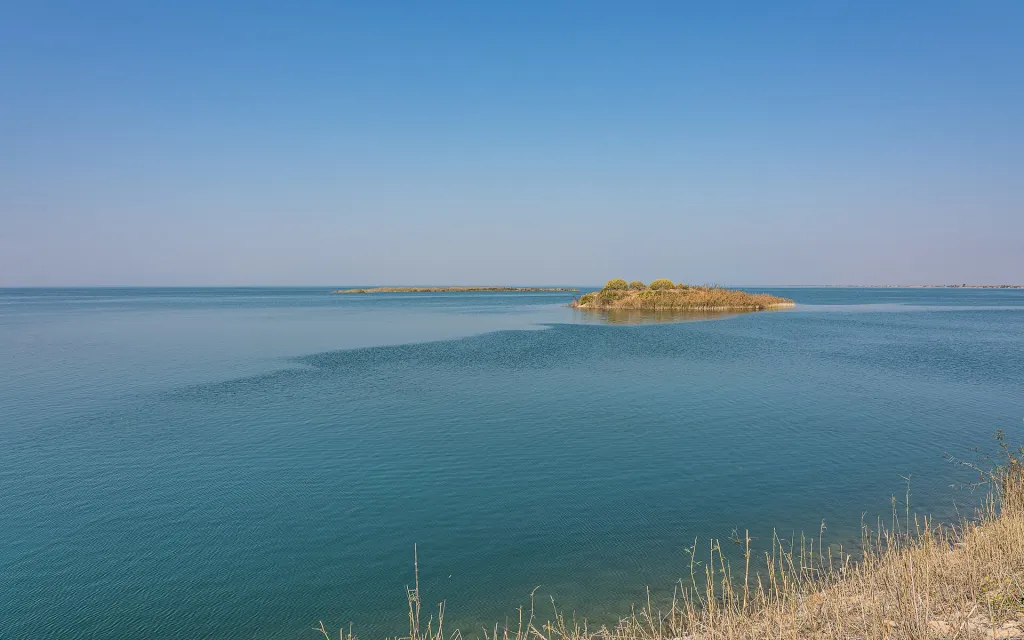
 Haleji LakeA freshwater lake near Thatta that is one of southern Pakistan's key waterbird breeding and wintering areas, designated a Ramsar site in 1976.
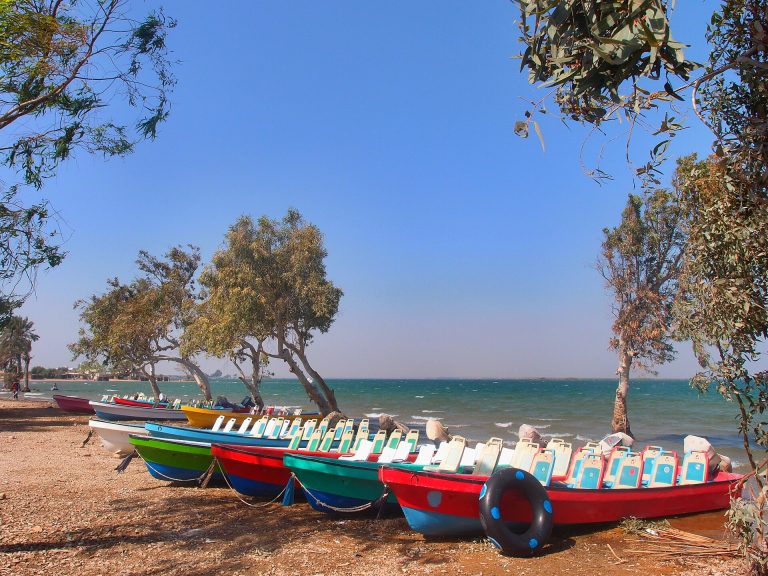 Keenjhar LakeThe largest freshwater lake in Pakistan; its reedbeds hold big winter flocks.Indus Delta and Sindh lagoonsThe Indus Delta, Jubho and Nurri lagoons and the desert wetlands of Deh Akro are all Ramsar sites; Nareri Lagoon in Badin held the highest count in Sindh's 2024-25 survey, with 155,068 birds.Punjab reservoirsChashma Barrage hosts up to 200,000 waterbirds according to its Ramsar record, and Taunsa Barrage is a wintering area for ducks and staging area for cranes.
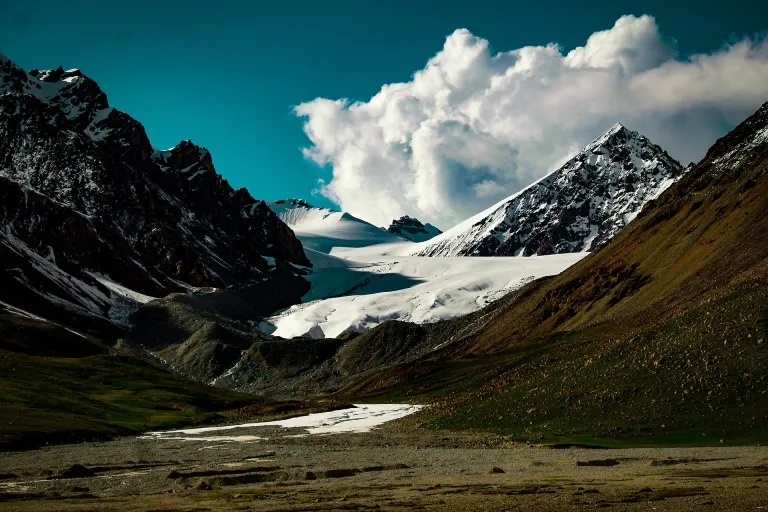 Mountain birdsIn the north, Khunjerab National Park lists 66 species including lammergeier, golden eagle and snowcock, and Central Karakoram about 90. The western tragopan, a threatened Himalayan pheasant, has strongholds in Palas valley, Kaghan and Azad Kashmir.
What Is Changing
The 2025 Sindh report linked the fall in counts to the drying of water bodies and lower rainfall. The Pakistani part of the Rann of Kutch faced drought-like conditions and was the worst affected, according to the report. The wildlife department conservator said fewer water bodies were the main cause and planned a detailed study, while a wildlife photographer quoted in the same article said flocks that once numbered in the thousands now number in the hundreds at some sites. These are observations of one season and one monitoring system, so they point to risk rather than prove a long-term trend.
Hunting and trapping of waterfowl, disturbance and pollution have been concerns at various wetlands for decades. Birds depend on a chain of habitats from breeding grounds to staging areas to wintering lakes, so conservation in Pakistan matters well beyond its borders.
The Houbara Debate
The houbara bustard is a desert bird that winters in parts of Pakistan, and Gulf hunting parties travel to Balochistan each winter to hunt it with falcons, according to Dawn. The IUCN listed it as Vulnerable, as the court noted, and in a January 2016 judgment the Supreme Court of Pakistan noted that the IUCN identifies hunting, mainly by falconry, as a principal threat. On 22 January 2016 a five-member bench ruled four to one to lift a ban on hunting the bird imposed in August 2015, saying that a permanent ban was not provided for in the law and that provincial governments classify species as protected or game. Dawn reported that licences had been issued to dignitaries from Gulf states, and that the federal government regarded such invitations as part of its foreign policy.
The houbara is a sensitive, much-debated subject, and rules and permits can change. For visitors the simple point is that the bird is protected on conservation grounds in many circumstances, should never be disturbed, and that anyone offering to sell birds or hunting experiences should be avoided.
Watching Migratory Birds Responsibly
- Go in the cool months, take binoculars, and observe from a distance or from a boat that does not disturb roosting flocks.
- Keep dogs, vehicles and drones away from wetlands and do not flush birds for photographs.
- Never buy or release captured wild birds; trapping and trade harm migratory populations.
- Take all rubbish and fishing line away from the water's edge.
- Report injured or trapped birds and suspected poaching to the provincial wildlife department.
- Check local access rules, especially at coastal and border wetlands.

Frequently Asked Questions
What is the Indus Flyway?
It is the route followed by migratory birds from Siberia and Central Asia to Pakistan, via Kazakhstan and Afghanistan, also called the Green Route in a 2011 Dawn report.
When do migratory birds arrive in Pakistan?
Migration begins around the end of August, most birds arrive by the end of November, and they leave by the end of February, according to Dawn.
How many birds visit?
Dawn estimated about one million wintering birds in 2011 (survey year not stated). The Sindh Wildlife Department counted 545,258 waterbirds at 30 major sites in 2024-25.
Where is the best place to watch them?
Sindh's lakes and lagoons such as Haleji, Keenjhar and the Indus Delta are well-known. Conditions vary with water levels and season; check local access.
Is hunting the houbara legal?
A Supreme Court ruling of 22 January 2016 lifted a ban, but rules are provincial and have been contested. Check current law, and do not disturb the species.
Keep Exploring
Related places and stories on DailyLife.pk
Haleji LakeHaleji Lake near Thatta: Ramsar wetland and bird sanctuary, winter waterbirds, how it was made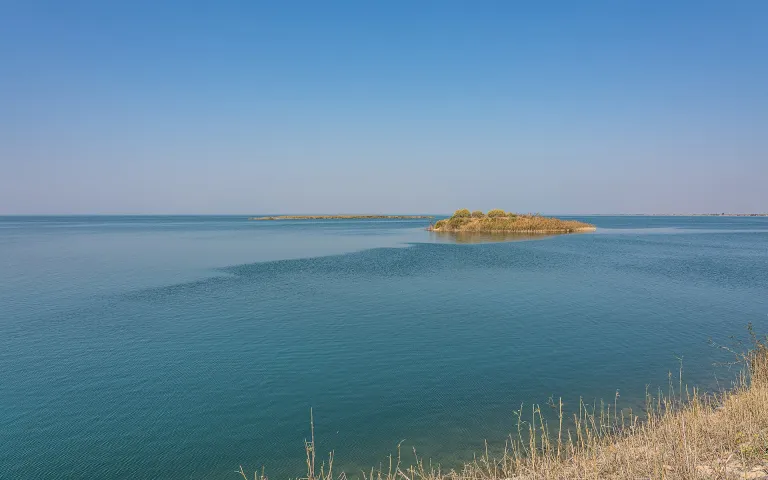 Keenjhar LakeVisit Keenjhar Lake near Thatta: Ramsar wetland, winter birds, Noori Jam Tamachi shrine, boating, STDC resortIndus Delta and Keti BandarIndus Delta and Keti Bandar, Sindh: Ramsar wetland, mangrove forests, creeks, fishing communitiesKhunjerab National ParkGuide to Khunjerab National Park in Upper Hunza: wildlife, the Marco Polo sheep story, seasonBirds of PakistanBirds of Pakistan: the chukar (national bird), pheasants, raptors, houbara, cranes and waterbirds, top birding wetlandsRamsar Wetlands of PakistanList of Pakistan's 19 Ramsar sites with designation dates, areas and provinces
How we know this
- Type Explainer
- Sources 7 (2 official/academic)
- Reviewed October 2026
- Disputed points Yes, see the debates
7 sources
- Sindh Wildlife Department reports nearly 15% drop in migratory birds amid drying wetlands (12 April 2025), Arab News Pakistan
- Dawn report on migratory birds and the Indus Flyway (APP, 12 December 2011), Dawn
- Supreme Court lifts hunting ban on rare houbara bustard (22 January 2016), Dawn
- Ramsar Sites annotated summary: Pakistan, Ramsar Sites Information Service
- Khunjerab National Park, Forest, Wildlife & Environment Department, Gilgit-Baltistan
- Central Karakoram National Park, Forest, Wildlife & Environment Department, Gilgit-Baltistan
- Conservationists fear for rare western tragopan in Pakistan (March 2022), Dialogue Earth
Photo credits (6)
- PK Keenjhar Lake near Thatta asv2020-02 img1.jpg, A.Savin, FAL, via Wikimedia Commons
- Halaji Lake.jpg, Iqran Rasheed, CC BY-SA 4.0, via Wikimedia Commons
- Keenjhar Lake view 1.jpg, Saqib Qayyum, CC BY-SA 3.0, via Wikimedia Commons
- Khunjerab national park.jpg, Gecksproduction, CC BY-SA 4.0, via Wikimedia Commons
- Indus River Skardu Pakistan.jpg, Akhtar Bashir Nigyaal, CC BY-SA 4.0, via Wikimedia Commons
- Capra sibirica in Gilgit-Baltistan, Pakistan.jpg, Ali irfan, CC BY-SA 4.0, via Wikimedia Commons
