
Wildlife
The Snow Leopard: Ghost of the Karakoram
Where Pakistan's snow leopards live, what threatens them, how herding communities help protect them, and why almost nobody ever sees one.
- Panthera uncia
- IUCN: Vulnerable (assessed 2017)
- Gilgit-Baltistan, Khyber Pakhtunkhwa, AJK
- Alpine and subalpine zones
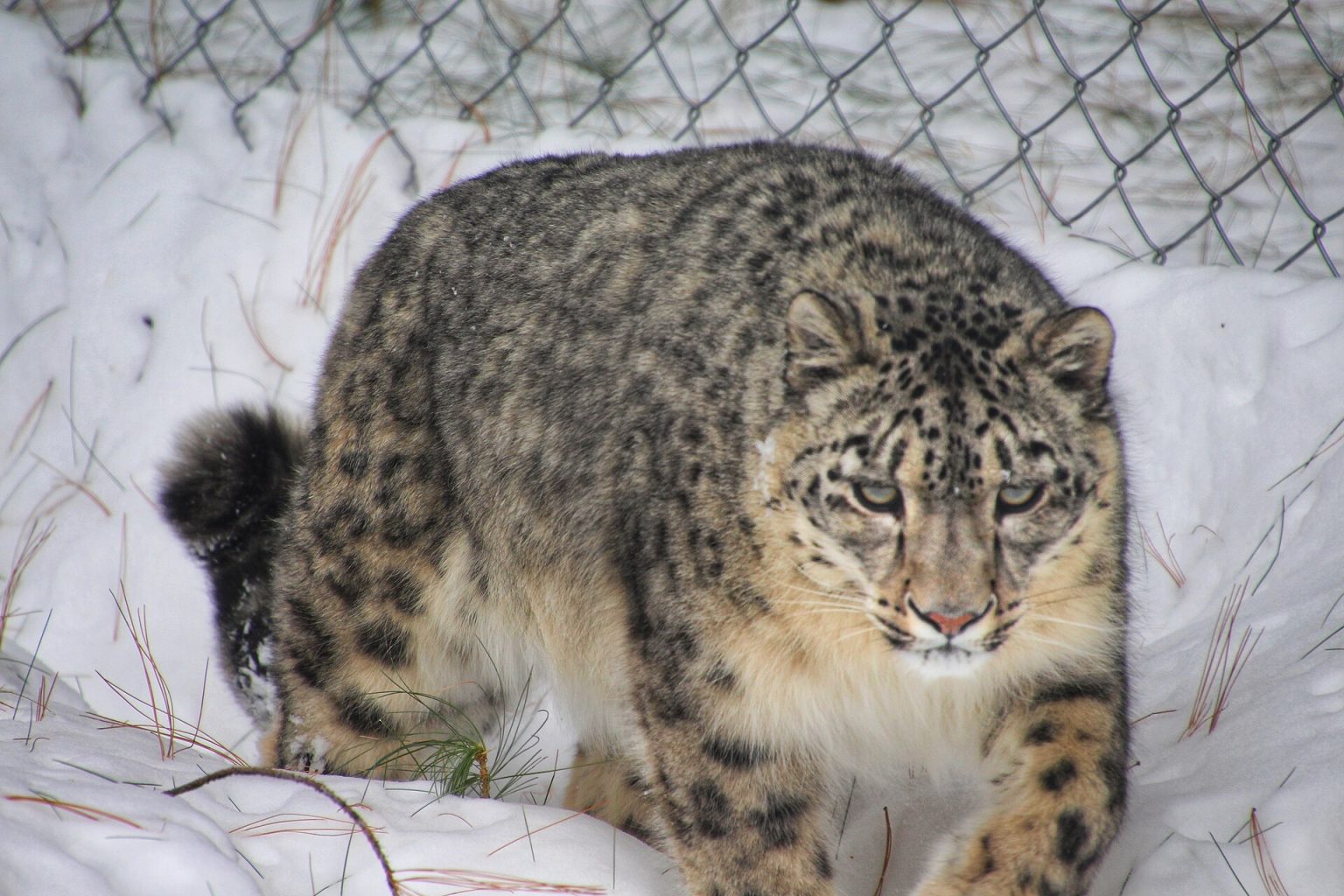
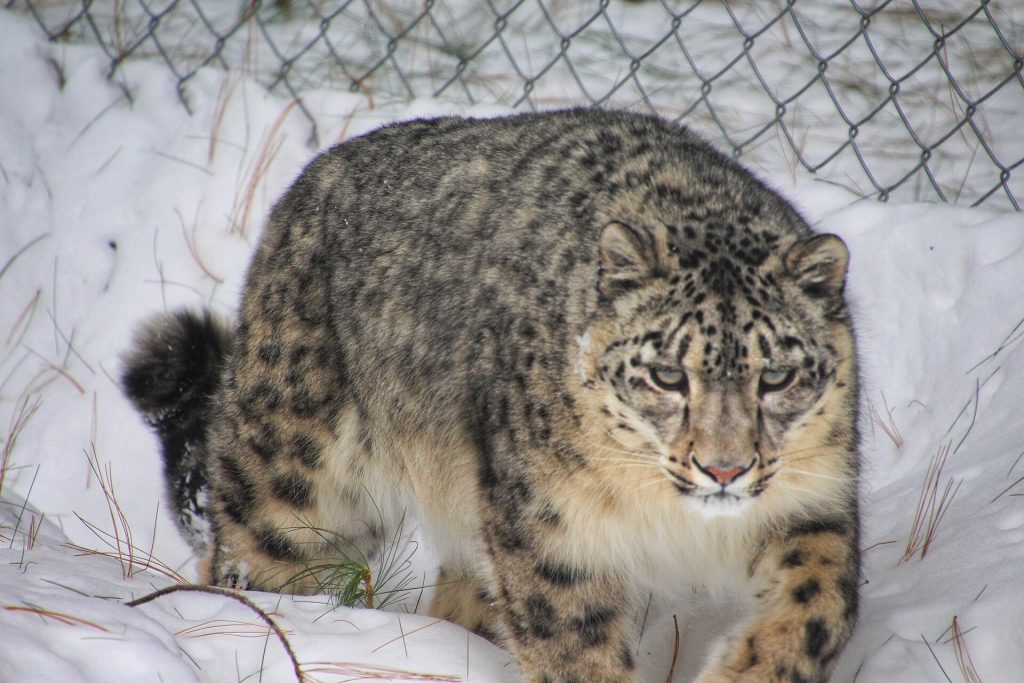
Snow leopard, Naltar, Gilgit-Baltistan
About the Snow Leopard
The snow leopard (Panthera uncia) is the great cat of the high mountains of Central and South Asia, and Pakistan is one of the countries where it still lives. According to the Snow Leopard Foundation, which works with mountain communities across the country, it occurs in the Hindu Kush and Karakoram ranges of Khyber Pakhtunkhwa, Gilgit-Baltistan and Azad Jammu and Kashmir, with its stronghold in the Karakoram of Gilgit-Baltistan. In 2017 the IUCN downgraded the species from Endangered to Vulnerable. That change reflected an updated assessment, not an end to the threats.
A snow leopard is a solitary, rock-coloured cat with thick fur, a long tail used for balance and warmth, and a habit of resting on cliffs and ridges. It does not roar. It is active mainly around dawn and dusk, travels over very large home ranges, and marks territory with scrapes, scent and droppings. That lifestyle, combined with a coat that disappears against stone, is why even people who live in snow leopard country go years without seeing one.
Gilgit-Baltistan is administered by Pakistan and is part of the wider Kashmir region, which is disputed. The cat's range follows mountains, not borders, and several of Pakistan's key snow leopard areas lie along the frontier with China and Afghanistan.
You are far more likely to see a snow leopard's tracks than the animal itself.
Where Snow Leopards Live in Pakistan
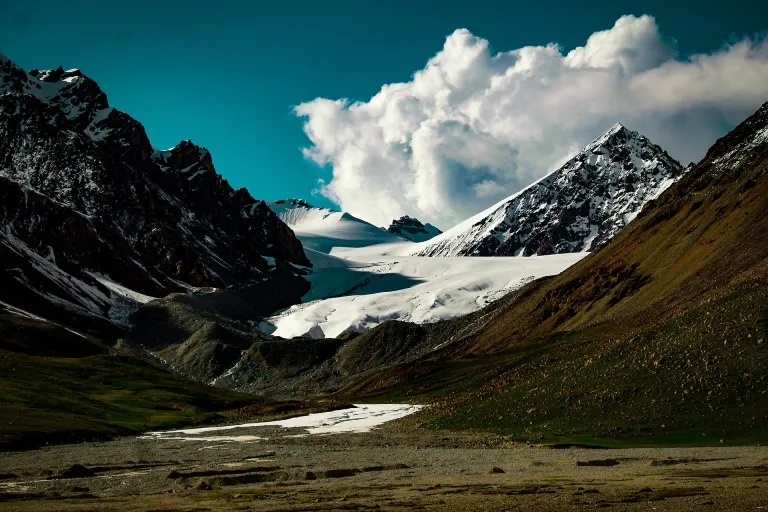
 Central Karakoram National ParkPakistan's largest protected area lists the snow leopard among its threatened species. It is a refuge of glaciers and cliffs where wild goats and sheep provide prey.
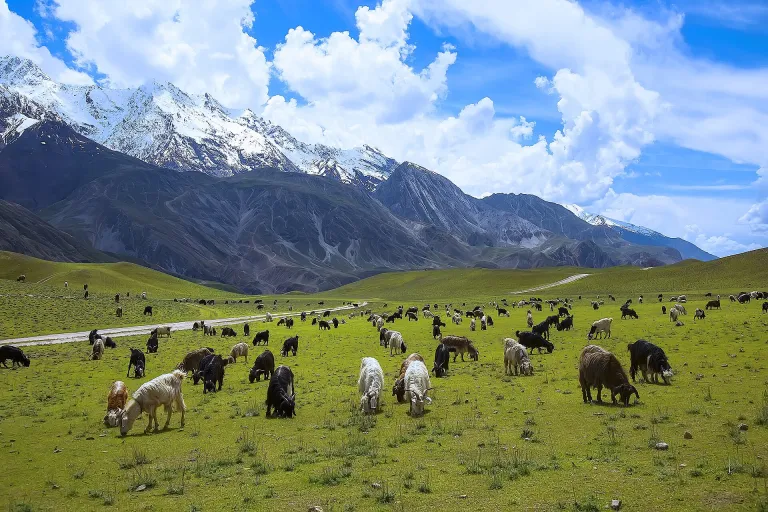
 Khunjerab National ParkThe Gilgit-Baltistan forest department lists snow leopards in the park, along with ibex and Marco Polo sheep that make up part of the prey base.
 Chitral Gol National ParkA Khyber Pakhtunkhwa wildlife official wrote in Dawn that the park is a reserve for the snow leopard, with markhor and ibex as likely prey.
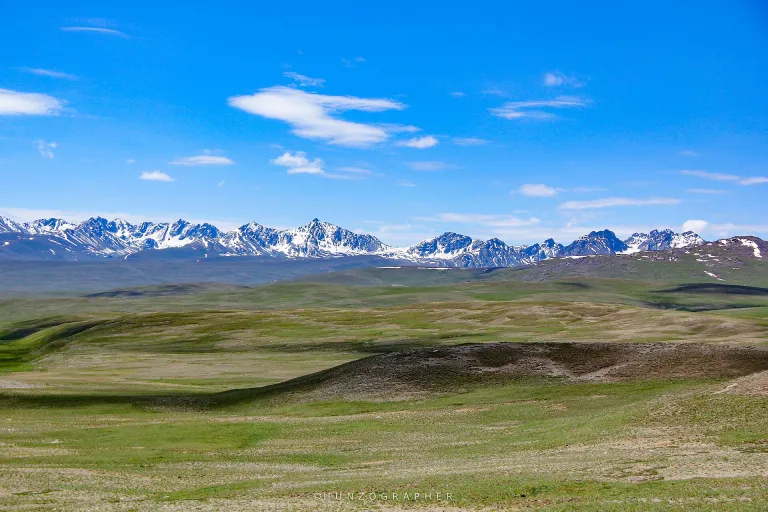 Deosai National ParkThe department's species list for Deosai includes the snow leopard, alongside the Himalayan brown bear and Tibetan wolf.
Habitat, Prey and Behaviour
Snow leopards use alpine and subalpine habitat, typically between about 3,000 and 4,500 metres according to the IUCN assessment as summarised in reference works, descending lower in winter. Steep, broken ground gives cover for stalking. Their main wild prey are wild goats and sheep, which in Pakistan includes Himalayan ibex and markhor; elsewhere in the range blue sheep, tahr and argali are also important. Scat studies in Chitral have also found smaller prey such as hares and rodents.
Where wild prey has been depleted by hunting or competition with livestock, snow leopards may prey on herders' animals. That brings the cat into direct conflict with families who depend on goats, sheep and yaks. Understanding this link between wild prey, livestock and people is the key to understanding conservation in Pakistan's mountains.
Conservation Status and Numbers
The IUCN lists the snow leopard as Vulnerable, based on an assessment published in 2017. The assessment estimated the global population at fewer than 10,000 mature individuals and expected a decline of roughly 10 per cent by 2040 if current threats continue. For Pakistan, the Snow Leopard Foundation's country page gives a range of 200 to 420 animals without stating the year of the estimate. Counts of a species this secretive depend heavily on methods such as camera trapping, and published estimates differ between surveys and study areas, so treat any single figure as a range, not a census.
If you meet a precise number in a brochure or on social media, ask who counted and when.
Threats and Community Conservation
The Snow Leopard Foundation lists habitat degradation and fragmentation, loss of natural prey to illegal hunting, retaliatory killing after livestock losses, and war-related military activity as the main threats in Pakistan. Illegal trade in skins and body parts is a further concern globally.
Pakistan's response relies heavily on communities. The Foundation, led by Dr Muhammad Ali Nawaz (a 2016 Whitley Award winner), runs livestock vaccination so herders lose fewer animals to disease, research camera programmes that map where cats live, conservation education, and Snow Leopard Enterprises, a programme that links livelihoods to protecting the animal. The idea is simple: when a living snow leopard brings benefits and a dead one does not, herders have more reason to tolerate it.
Can You See One?
Realistically, no visit can promise a sighting. Snow leopards are shy and live at low densities, and most travellers who trek the Karakoram or drive the Karakoram Highway will see ibex, marmots and raptors but not the cat. Treat tracks, scrapes, or a distant silhouette as a rare bonus. Never try to approach, bait or track a snow leopard, and report any confirmed sighting to the relevant park office or local wildlife department so it can contribute to monitoring.
If wildlife watching is your goal, see our guide to watching wildlife responsibly and focus on the more visible mountain species such as ibex and golden marmot.
Responsible Behaviour in Snow Leopard Country
- Hire local guides and porters; they know the terrain and benefit directly from conservation.
- Stay on trails and camp only in permitted places so that prey animals are not displaced.
- Never feed wildlife or leave food waste, and carry rubbish out.
- Do not buy skins, bones or taxidermy, and report offers to the wildlife department.
- Keep drones away from cliffs and ridges where wildlife rests.
- Support community-run initiatives such as local guesthouses and handicraft enterprises.
Continue Exploring
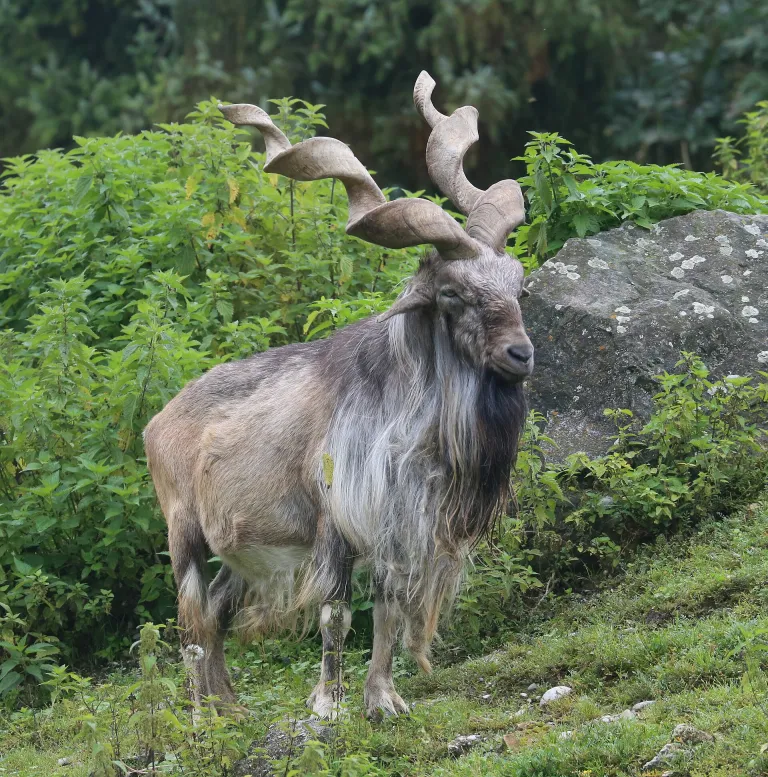 MarkhorThe wild goat that is Pakistan's national animal and a snow leopard prey species.
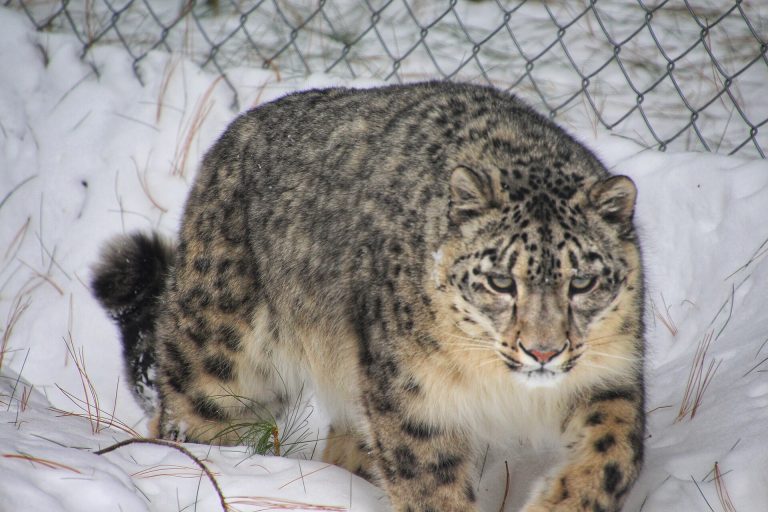 Wildlife of PakistanThe wider picture, from bears to river dolphins.National ParksPakistan's protected areas from the Karakoram to the coast.
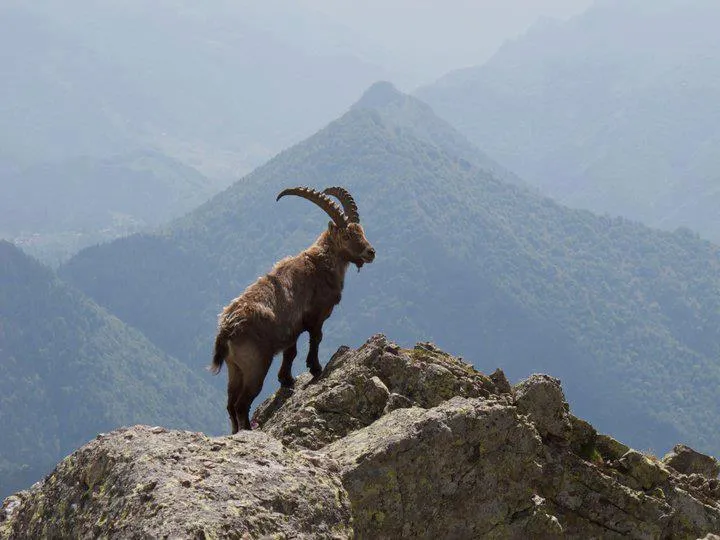 Watching Wildlife ResponsiblyEthics, seasons and rules for wildlife encounters.
Frequently Asked Questions
Are snow leopards endangered in Pakistan?
Globally the IUCN lists the snow leopard as Vulnerable (assessment published 2017). In Pakistan it faces real pressures, including habitat loss, loss of prey and retaliatory killing.
How many snow leopards live in Pakistan?
The Snow Leopard Foundation's country page gives a range of 200 to 420 without a date. Estimates vary, so treat any figure as approximate.
Where are they found?
In the Karakoram, Hindu Kush and Himalaya of Gilgit-Baltistan, Khyber Pakhtunkhwa and Azad Jammu and Kashmir, including national parks such as Central Karakoram, Khunjerab and Chitral Gol.
Can I see one on a trek?
It is very unlikely. Most trekkers never see a snow leopard. Ibex, marmots and birds of prey are far more commonly seen.
How can I help?
Use local guides and guesthouses, avoid wildlife products, take litter out and respect park rules. Programmes such as the Snow Leopard Foundation's work with herders and enterprises depend on community support.
Keep Exploring
Related places and stories on DailyLife.pk
 Central Karakoram National ParkGuide to Central Karakoram National Park, Pakistan's largest protected area: K2, Baltoro, Biafo and Hispar glaciersKhunjerab National ParkGuide to Khunjerab National Park in Upper Hunza: wildlife, the Marco Polo sheep story, seasonChitral Gol National ParkVisit Chitral Gol National Park near Chitral: markhor, snow leopard, deodar forest, spring flowers
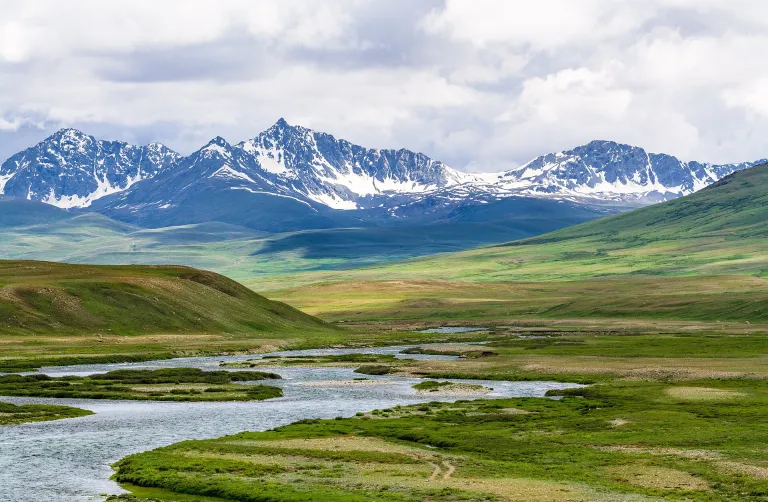 Deosai National ParkDeosai National Park guide: Himalayan brown bears, Sheosar Lake, Bara Pani, routes from Skardu and AstoreWildlife of PakistanPakistan's wildlife: markhor (national animal), snow leopard, Indus river dolphin, Himalayan brown bear, ibexNational Parks of PakistanGuide to Pakistan's national parks: Central Karakoram, Deosai, Khunjerab, Hingol, Margalla Hills, Lal Suhanra and more
How we know this
- Type Explainer
- Sources 6 (3 official/academic)
- Reviewed October 2026
- Disputed points None
6 sources
- Snow leopards in Pakistan, Snow Leopard Trust (Snow Leopard Foundation partnership page)
- Snow leopard (used to locate the IUCN 2017 assessment, McCarthy et al.), Wikipedia
- Central Karakoram National Park, Forest, Wildlife & Environment Department, Gilgit-Baltistan
- Khunjerab National Park, Forest, Wildlife & Environment Department, Gilgit-Baltistan
- Deosai National Park, Forest, Wildlife & Environment Department, Gilgit-Baltistan
- Walking the trail majestic (Chitral Gol National Park), Dawn, 4 June 2017
Photo credits (7)
- Snow Leopard In Naltar Gilgit.jpg, Nazir Baig, CC BY-SA 4.0, via Wikimedia Commons
- Lukpe Lao or popularly known as Snow Lake , is a glacial basin which located at the confluence of Biafo and Hispar glacier in Central Karakoram National Park.jpg, Vasiq Eqbal, CC BY-SA 4.0, via Wikimedia Commons
- Khunjerab national park.jpg, Gecksproduction, CC BY-SA 4.0, via Wikimedia Commons
- Meadows of Chitral Gol National Park; Tahsin Shah 03.jpg, Tahsin A Shah, CC BY-SA 4.0, via Wikimedia Commons
- Deosai pic hd.jpg, Hunzagrapher, CC BY-SA 4.0, via Wikimedia Commons
- Markhor Schraubenziege Capra falconeri Zoo Augsburg-02.jpg, Rufus46, CC BY-SA 3.0, via Wikimedia Commons
- Capra sibirica in Gilgit-Baltistan, Pakistan.jpg, Ali irfan, CC BY-SA 4.0, via Wikimedia Commons
