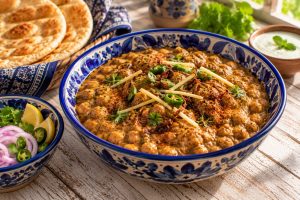
Bong Paye
بونگ پائے
Heavy lidded pot slow simmer; pressure timings deferred
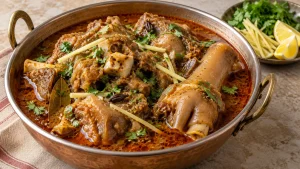
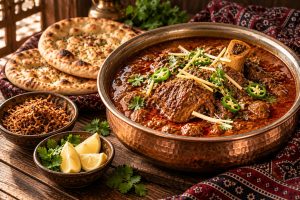
Pakistani beef bong (shank) simmered with cleaned trotters to make a hearty meat-and-gelatin gravy. Unlike Siri Paye, this version centres on beef shank, not head meat; its meat and bone weights are deliberately separated.

One tablespoon = 15 ml; one teaspoon = 5 ml.
About Bong Paye
Pakistani beef bong (shank) simmered with cleaned trotters to make a hearty meat-and-gelatin gravy. Unlike Siri Paye, this version centres on beef shank, not head meat; its meat and bone weights are deliberately separated.
Personally cooked and tested by Zohair Fakhar for DailyLife.pk. Cooking times can vary with your stove, cookware and batch size; follow the texture and doneness cues in the method.
Make it work for your kitchen
Also known as Beef Bong Paye, Bong Paya, Beef Shank and Trotters.
Original quantities serve 4. Cooking times, pan size and frying-oil depth do not scale, cook in extra batches instead.
Before you start
Before you start
Inspect beef and trotters Keep 900 g trimmed shank and 1100 g commercially cleaned split trotters chilled. Have the butcher remove hair and sharp exterior fragments. No heat 12 min Prepare masala Slice 300 g onion and measure the spices, tomato and 180 g yogurt. No heat 13 min Prepare garnishes Wash coriander and slice ginger; refrigerate until serving. No heat 10 min
Set up the equipment
Have the following tools ready before starting: Heavy lidded pot of at least 7 L; Wide sauté pan; Fine sieve, tongs and heatproof tray; Kitchen thermometer.
Clean workspaceMeasure the ingredients
Measure the ingredient quantities for your selected servings before applying heat. Keep separately listed groups, such as dough, filling, sauce or garnish, in separate containers; keep any optional additions separate.
Use the ingredient list aboveCheck allergens and substitutions
Check ingredient labels and any substitutions against these notes: Dairy (yogurt); check spice blends
Before cooking
Step-by-step cooking method
1 Simmer the trotters first
Cover 1100 g split cleaned trotters with 2300 ml water in a heavy pot. Bring just to a boil, skim foam, then cover partially and hold at a gentle simmer for about 75–90 minutes. Keep water above the pieces.
2 Add shank and continue
Add 900 g beef shank pieces and half the ginger-garlic paste paste. Simmer gently another 2–2½ hours, checking water level and testing each meat cut; the shank must be fork-tender and trotters soft. Longer cooking may be necessary.
3 Strain and sort meat
Lift out meat and feet, strain broth finely and discard hard bones or loose fragments. Save edible shank and soft trotters/tendon. Do not serve small bone pieces.
4 Brown the onions
In a separate pan heat 65 g oil over medium and cook 300 g sliced onions to light golden, roughly 10 minutes. Stir remaining ginger-garlic paste for 1 minute.
5 Build the spice gravy
Add 200 g tomato, 4 g turmeric, 14 g coriander, 7 g cumin, 3 g pepper and 8 g chilli.
6 Build the spice gravy (continued)
Cook 5 minutes, then fold in 180 g yogurt gradually and simmer until smooth and fragrant.
7 Combine and thicken naturally
Add the strained broth and meat, plus 13 g salt. Simmer 15–20 minutes until glossy and rich. The gelatine from the trotters should give body without added flour; taste and adjust after reduction.
8 Finish the bowls
Sprinkle in 5 g garam masala, cook 2 minutes, and serve four bowls, using optional coriander and ginger. Double-check no fragments of bone remain.
Chef’s tips
- Choose shin/shank for connective tissue, not lean steak.
- Butcher-cleaned and split trotters reduce kitchen preparation hazards.
- Chilled broth thickening is expected from gelatin.
Common mistakes & quick fixes
- Drying pot
- Use a close lid and top up with measured hot water as necessary.
- Shank stays tough
- Maintain low simmer longer before finishing gravy.
- Broken bone fragments
- Strain and inspect every portion.
Variations & serving ideas
Goat trotters: Would be a distinct ingredient and timing variation; not interchangeable without testing.
Without tomato: Some versions omit tomato; remove it and rebalance tartness.
Perfect result check
| Check | Texture Tender, fully cooked, with no raw flavour. |
|---|---|
| Check | Serving Four freshly prepared equal servings. |
Storage & reheating
| Cooling | Refrigerate promptly | Rapid cooling Transfer leftover food promptly to shallow covered containers and refrigerate within 2 hours (1 hour above 32°C). |
|---|---|---|
| Fridge | 3–4 days | Refrigeration Refrigerate at 4°C or below and use within 3–4 days; more stringent ingredient-specific advice takes precedence. |
| Freezer | Freeze promptly cooled meat and broth in sealed portions at −18°C for longer keeping. Leave room for expansion and thaw in the fridge. Keep each portion with enough broth to protect the meat from drying during reheating. | |
| Reheating | Reheat only the portion needed. Loosen chilled set broth gently, then heat the gravy thoroughly and check the centres of the meat reach 74°C/165°F with a food thermometer. Stir to distribute heat and inspect for stray bone fragments before serving. |
Know when to change the heat
| Stage | Heat | What to look for |
|---|---|---|
| Simmer the trotters first | Medium-high, then low | Bring the liquid just to a boil, skim and reduce to a gentle partly covered simmer. Keep the trotters covered with liquid as they soften. |
| Add shank and continue | Low heat | Continue at a quiet simmer and check each cut separately. Shank should yield to a fork and the trotters should soften; top up hot water to prevent drying. |
| Strain and sort meat | No heat | Strain the broth and inspect the edible pieces carefully for hard bones and small fragments before returning them to the pot. |
| Brown the onions | Medium heat | Cook onion to light gold while stirring. Add the remaining ginger-garlic paste briefly so it becomes fragrant without scorching. |
| Build the spice gravy | Medium-low heat | Cook the tomato and spices, then lower the heat and fold in yogurt gradually. Avoid a hard boil that can split it or scorch the base. |
| Combine and thicken naturally | Low heat | Simmer meat and strained broth with the masala until glossy and rich. Taste the seasoning after reducing rather than salting repeatedly during evaporation. |
| Finish the bowls | Low heat | Warm the finishing spices briefly, add optional garnishes and inspect each serving for loose bone fragments. |
Helpful answers before you cook
What is bong?
In this recipe bong is beef shank, a collagen-containing leg cut.
How is this different from Siri Paye?
Siri Paye uses head and feet; this dish deliberately uses shank and trotters.
Why does the broth turn firm in the fridge?
The gelatin-rich broth can set as it chills and loosen again when reheated. That change is expected for this cut and does not replace safe cooling and storage. Reheat gently at first, stirring to loosen the set broth, then heat the whole portion thoroughly as described below.
What if the shank is tender but the trotters are still firm?
Check the two cuts separately rather than treating one timer as a guarantee. Lift the tender shank onto a clean covered dish while the trotters continue at a gentle simmer, adding hot water if needed to keep them covered. Return the shank for the final gravy stage and inspect carefully for loose bone fragments.