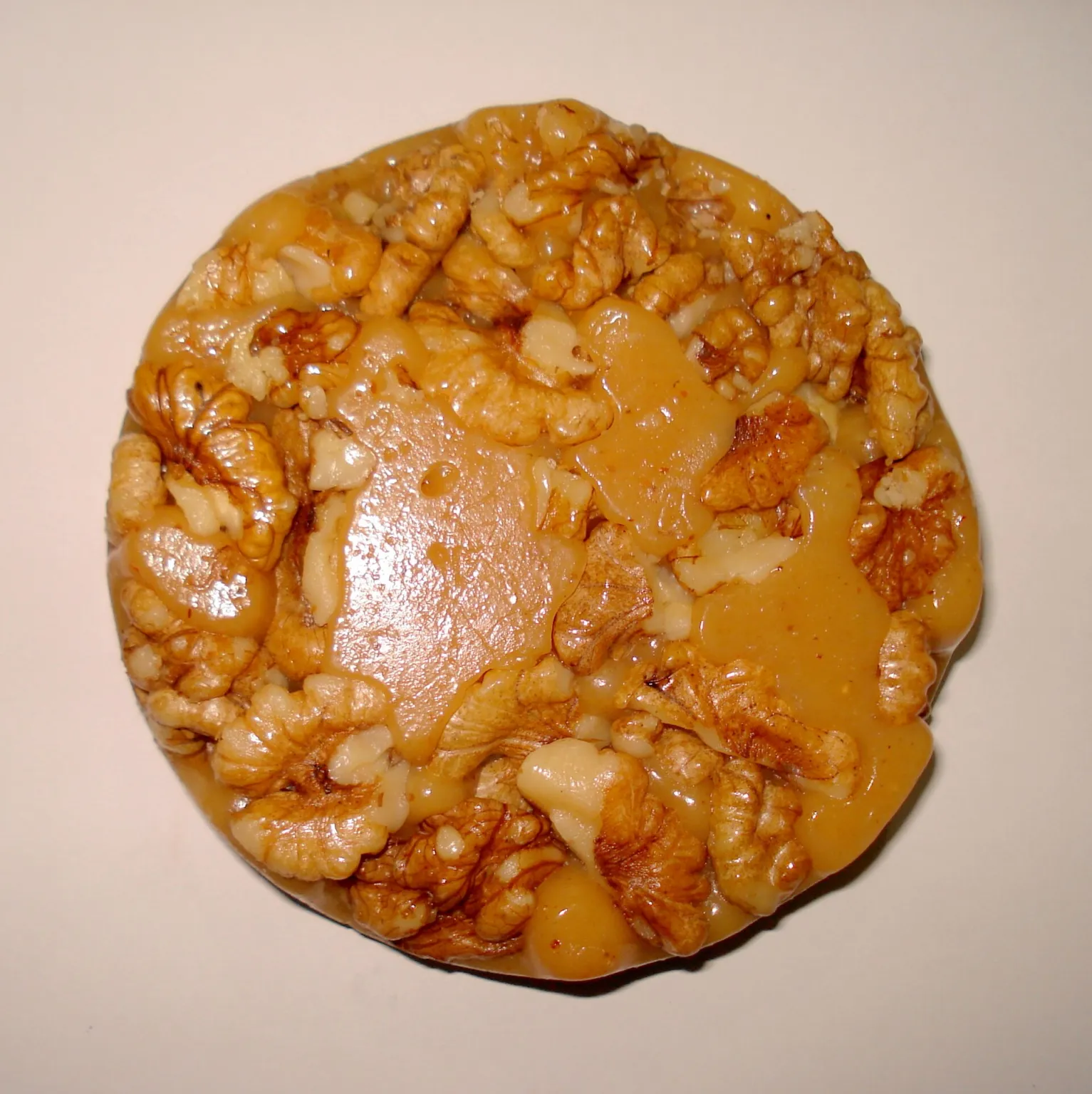
Pieces of sohan halwa topped with nuts

Regional cuisine

Saraiki Cuisine: The Food of Southern Punjab

Sohan halwa stirred for hours in Multan, sohbat shared from one great platter, flower-bud curries, jaggery rice and mangoes by the crate: the cooking of the Saraiki heartland.

  • Southern Punjab and D.I. Khan
  • Home of sohan halwa
  • Mango country in summer

Multan, Punjab

12.00%Pakistanis with Saraiki as mother tongue2023 Census (excl. AJK and G-B), via Geo News
6 townsMaking sohan halwa: Multan, D.G. Khan, Bahawalpur, Uch Sharif, Mailsi, Makhdoom AaliDawn, 2013
7–8 hoursStirring time for a batch of Multani sohan halwaSOCH Outreach Foundation
One platterSohbat is eaten together from a single large dishThe Friday Times, 2024

About Saraiki Cuisine

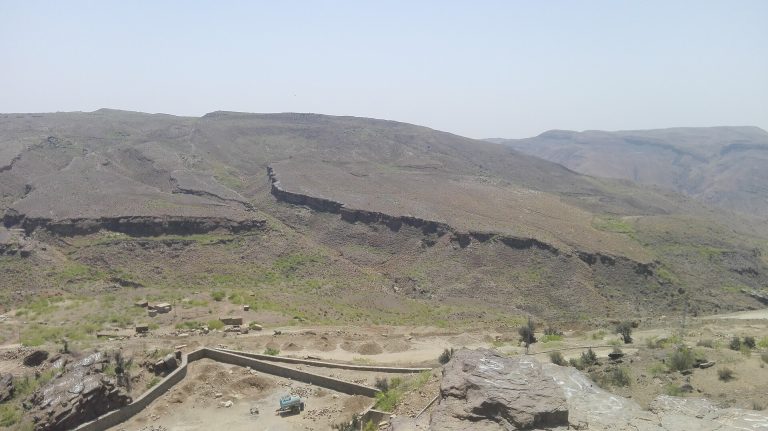
The Saraiki-speaking region spreads across southern and south-western Punjab, Multan, Bahawalpur, Dera Ghazi Khan, Rahim Yar Khan, Muzaffargarh, Layyah and their neighbours, and into Dera Ismail Khan in Khyber Pakhtunkhwa. It is hot, flat, river-fed country, where wheat, cotton, sugarcane and mangoes grow along the Indus, Chenab and Sutlej, and where the Cholistan desert begins east of Bahawalpur. Saraiki is the mother tongue of 12% of Pakistanis, according to the 2023 Census.

Saraiki cooking shares a great deal with the rest of Punjab, wheat breads, daal, saag, yoghurt and lassi, ghee and jaggery, but it has its own accents. Local cooks make curries from the flower buds of trees such as moringa (sohanjna) and kachnar; meat broth is poured over torn bread to make sohbat; and sweetness comes from gurr as much as sugar. Any Saraiki curry, meat or vegetable, is simply called bhaji.

Above all, the region is famous for one sweet. Multani sohan halwa, stirred for hours from milk, flour, sugar and ghee, is carried home by every visitor, and Multan's mangoes are as much a part of the city's identity as its shrines.

Multan's most famous export fits in a round tin.
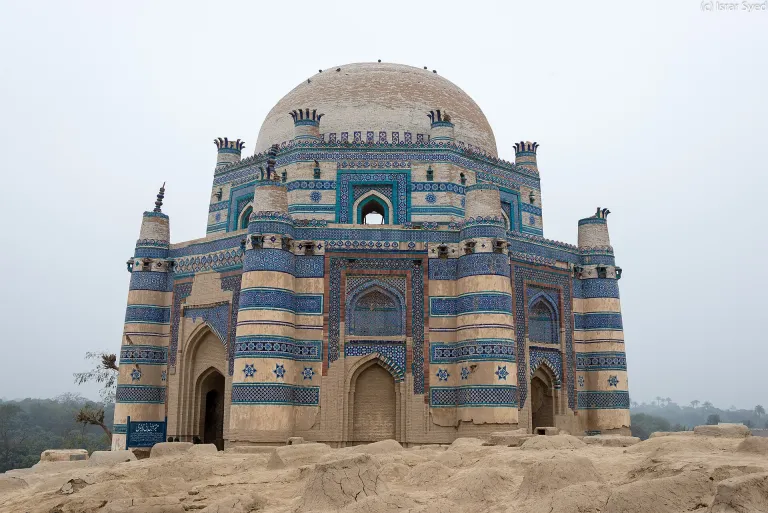
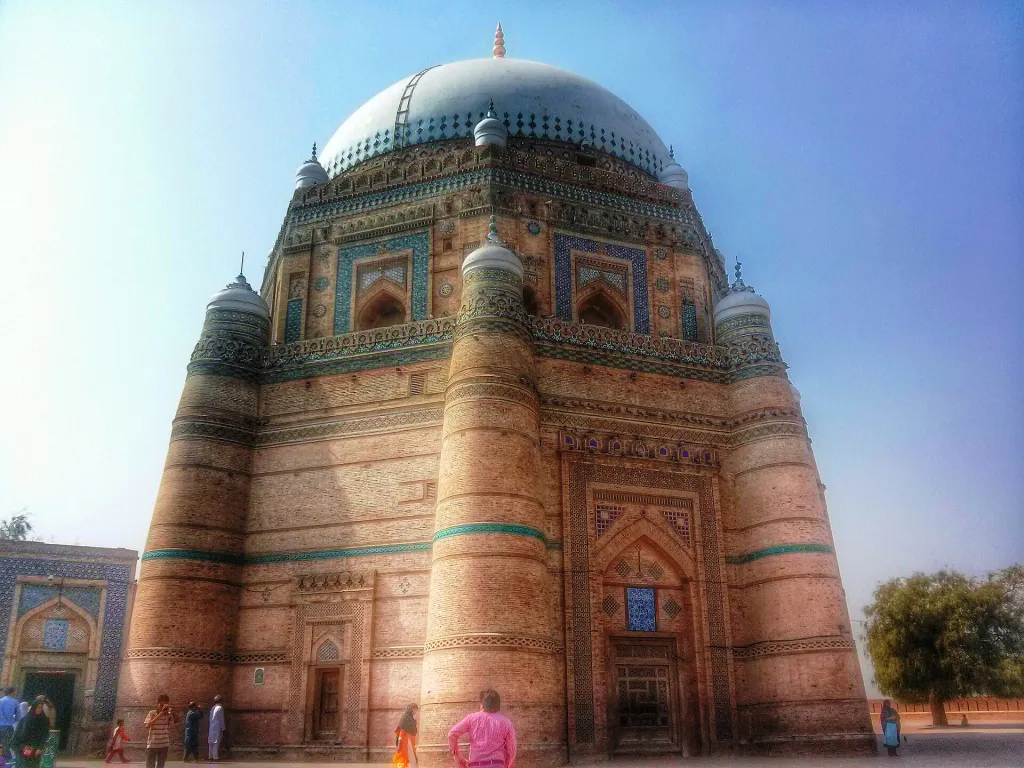
The brick and tiled dome of the Tomb of Shah Rukn-e-Alam, Multan
Multan, the historic heart of the Saraiki region.

Signature Dishes

What to look for, from home kitchens to festival tables.

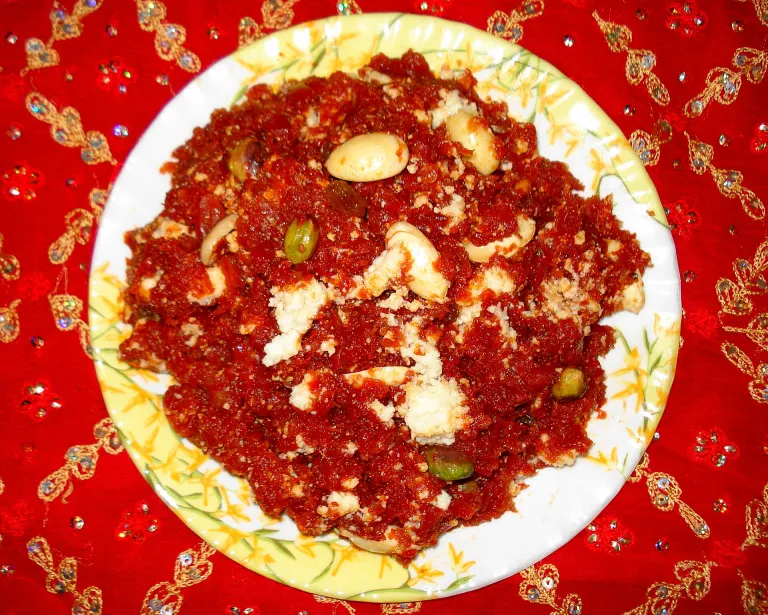
Pieces of Multani sohan halwa topped with nutsSohan halwaMilk, sprouted wheat and other flours stirred for hours with a flat scraper, then finished with sugar, ghee and nuts into a firm, crunchy slab. Multan's signature, also made in D.G. Khan, Bahawalpur, Uch Sharif and Mailsi.SweetGift
SohbatTorn naan or roti layered in a wide dish and drenched in slow-cooked meat broth, with the meat on top. Eaten by hand from one platter at weddings, Eid and gatherings of elders.MeatShared
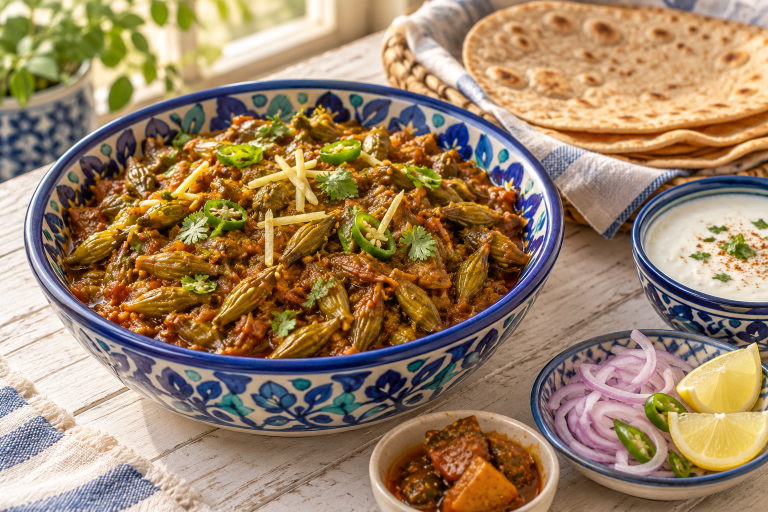
Sohanjna curryA seasonal curry made from the flower buds of the moringa tree, a speciality of the Saraiki region.VegetarianSeasonal
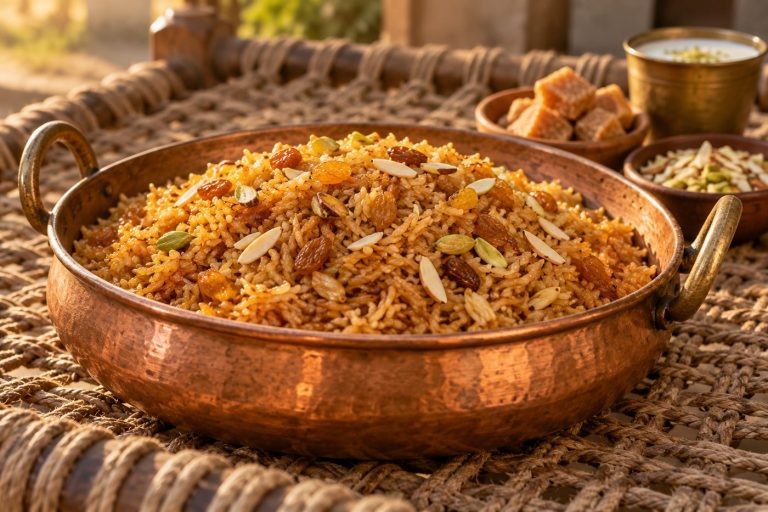
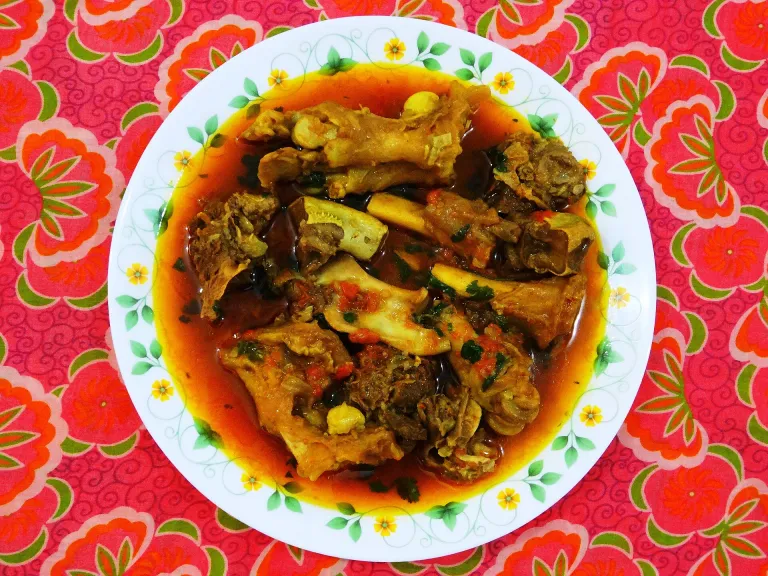
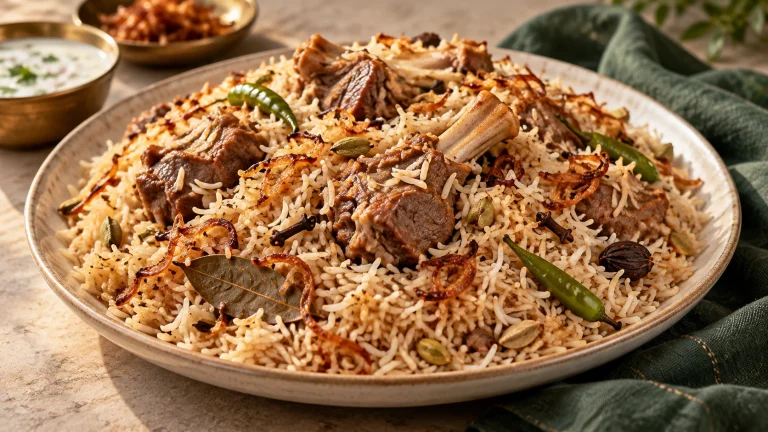
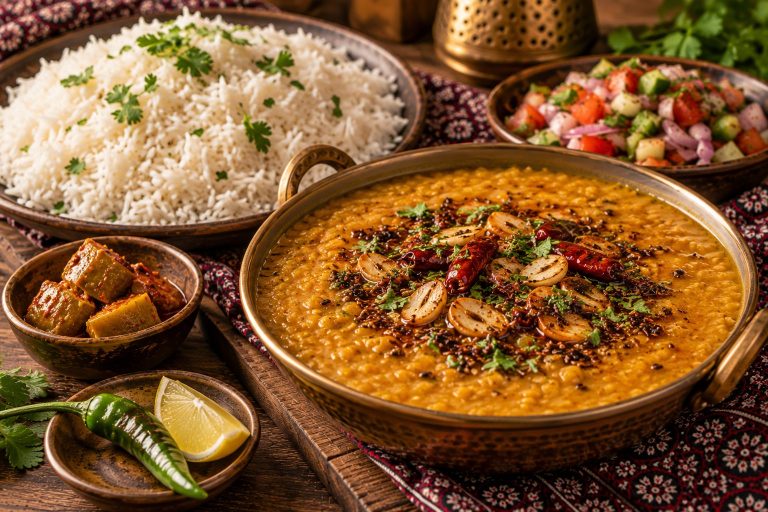
Kachnar Sabzi: styled serving suggestion (illustration)Kachnar curryBuds of the kachnar (mountain ebony) tree cooked with onions and spices, sometimes with mince.SeasonalA bowl of siri paye, slow-cooked trottersPaye and siri payeTrotters and head meat simmered into a thick, gelatinous broth, served at Saraiki food festivals alongside <em>ojhri</em> (tripe).BreakfastMeatMutton Pulao: styled serving suggestion (illustration)Saraiki pulaoRice cooked in meat stock with whole spices; pulao in its many styles is the dish of celebrations across southern Punjab.RiceA bowl of saag, slow-cooked greensSaag and winter greensSpinach, fenugreek (methi) and other greens cooked down with ghee and eaten with maize or millet bread.VegetarianWinterDaal Chawal: styled serving suggestion (illustration)Daal and riceLentils and chickpeas, including mung and chana daal, are everyday food; daal with rice (<em>daal bhat</em>) is a simple staple.Everyday

Ingredients of the Region

What southern Punjab's fields, orchards and trees put into the pot.

  • Small Anwar Ratol mangoesMangoes
  • Dates ripening on a date palmDates
  • Moringa (sohanjna)
  • Kachnar buds
  • Jaggery (gurr)
  • Home-made cream being turned into gheeDesi ghee
  • Fresh mustard greensMustard and winter greens
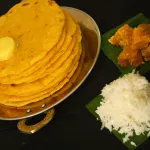
  • Golden maize-flour rotis (makai ki roti) cooked on a griddleWheat, maize and millet

Food Culture

Sharing the platter

Hospitality runs deep in Saraiki life. Sohbat is the clearest expression of it: the host cooks enough to feed everyone, the dish is set in the middle of the gathering, and guests sit around it and eat together by hand, a custom that blurs differences of status. The tradition is shared with the Pashtun communities of Dera Ismail Khan, where the dish is also called sobat or painda.

The region is also a land of Sufi shrines, Multan's Bahauddin Zakariya and Shah Rukn-e-Alam, Khwaja Ghulam Farid at Kot Mithan, the shrines of Uch Sharif, where food is cooked and distributed to pilgrims and the poor, especially at the annual urs.
Explore
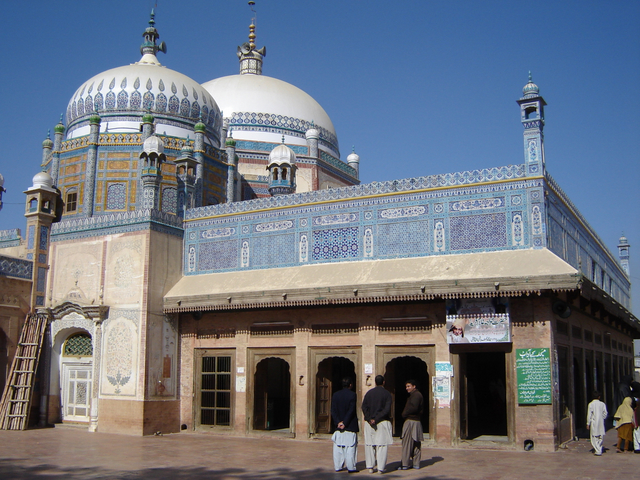
The shrine of the Saraiki Sufi poet Khwaja Ghulam Farid at Kot Mithan

Seasons and sweetness

Winter is the season of greens, maize and millet breads, paye and halwa; sohan halwa itself is regarded as a winter sweet. Summer belongs to mangoes, which ripen in the orchards around Multan and across the surrounding districts, and to cooling drinks: lassi, sugarcane juice, falsa sharbat and thandai.

Jaggery is the region's traditional sweetener. It goes into gurr walay chawal (sweet rice), churi, crumbled bread or roti rubbed with ghee and sugar or gurr, and countless home-made sweets.

Explore
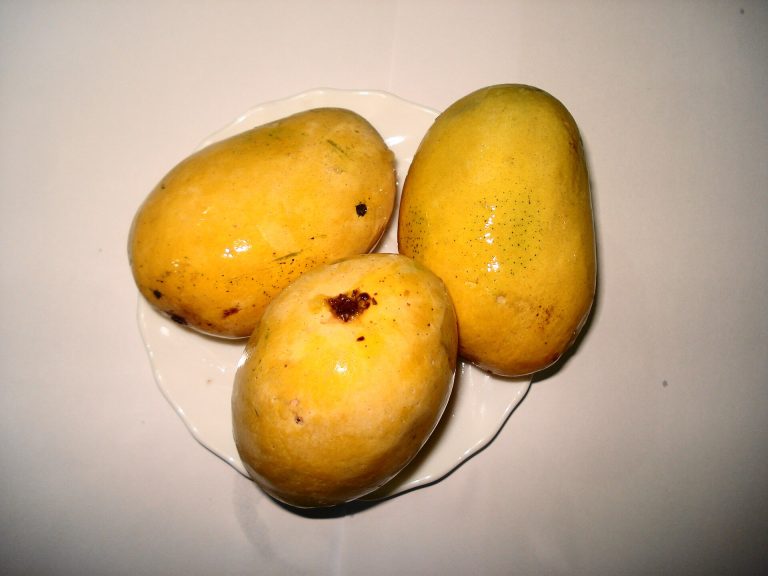
Small Anwar Ratol mangoes

A Saraiki Food Day

Breakfast

Paratha or roti with yoghurt, butter and lassi in the villages; in the towns, halwa puri, paye or kachori with suji halwa. Malpura and qatlama appear at weekend breakfasts.

Lunch and dinner

A seasonal bhaji, vegetables, daal or meat, with wheat roti, plus pickles, chutney and yoghurt. In winter, maize, millet and even rice breads join the table, with greens cooked in ghee. Pulao and meat dishes are kept for guests and celebrations.

In between

Street snacks are the same as across Punjab: samosas, pakoras, chaat and gol gappay, with kulfi, falooda and gola in the heat of summer.

Frequently Asked Questions

What is Saraiki food famous for?

Multani sohan halwa above all, along with sohbat (bread soaked in meat broth), flower-bud curries such as sohanjna and kachnar, paye, jaggery sweets and the mangoes of Multan.

What is sohbat?

Sohbat (also sobat) is torn naan or roti layered in a large dish, soaked in slow-cooked meat broth and topped with the meat. It is eaten together from one platter at weddings, Eid and gatherings in southern Punjab and the Dera Ismail Khan area.

How is sohan halwa made?

Milk and flours, including sprouted wheat, are stirred continuously for around seven to eight hours until thick; sugar and ghee are added and the mixture is set in trays with nuts. It is described as a winter sweet.

How is Saraiki food different from Punjabi food?

It shares the wheat breads, daal, saag and dairy of Punjabi cooking, but uses more jaggery, curries made from tree flower buds, and shared dishes such as sohbat, and it has its own sweets led by sohan halwa.

Where is the Saraiki region?

Mainly southern and south-western Punjab, including the Multan, Bahawalpur and Dera Ghazi Khan divisions, plus Dera Ismail Khan in Khyber Pakhtunkhwa and neighbouring areas.

How we know this

  • Type Food history
  • Sources 8 (1 official/academic)
  • Reviewed October 2026
  • Disputed points None
8 sources
  1. Sohan Halwa a gift of saints' city, Dawn (APP), 16 December 2013
  2. Multani Sohan Halwa: Sweetmeats of Pakistan, SOCH Outreach Foundation, Google Arts & Culture
  3. Seraiki Culture Day and Family Foods Festival held at Multan Tea House, Associated Press of Pakistan
  4. Breaking Bread, Building Bonds: DI Khan's Prized Sobat, The Friday Times, 15 November 2024
  5. About Saraiki, Bahauddin Zakariya University, Multan
  6. Census 2023: Punjabi tops as 'most spoken language' in Pakistan, Geo News
  7. Exploring the legend(s) of Sohan Halwah, Dawn (Shakeel Ahmad), 12 January 2015
  8. Saraiki cuisine (overview used to locate primary sources), Wikipedia
Photo credits (20)
Suggest a correction

Stay updated

Stay Connected with DailyLife.pk

Get new travel guides, recipes and stories from across Pakistan, no spam, unsubscribe any time.

Your Pakistan journey starts here

From majestic mountains to vibrant cities, rich cuisine to timeless traditions — discover the real Pakistan with DailyLife.pk.