
Food & Drinks
Mangoes of Pakistan: The King of Fruits
From the first Sindhris of May to the last Chaunsas of autumn: the varieties, seasons, growing regions and export story of Pakistan's most loved fruit.
- Season: mid-May to autumn
- Punjab and Sindh
- Exported to dozens of countries
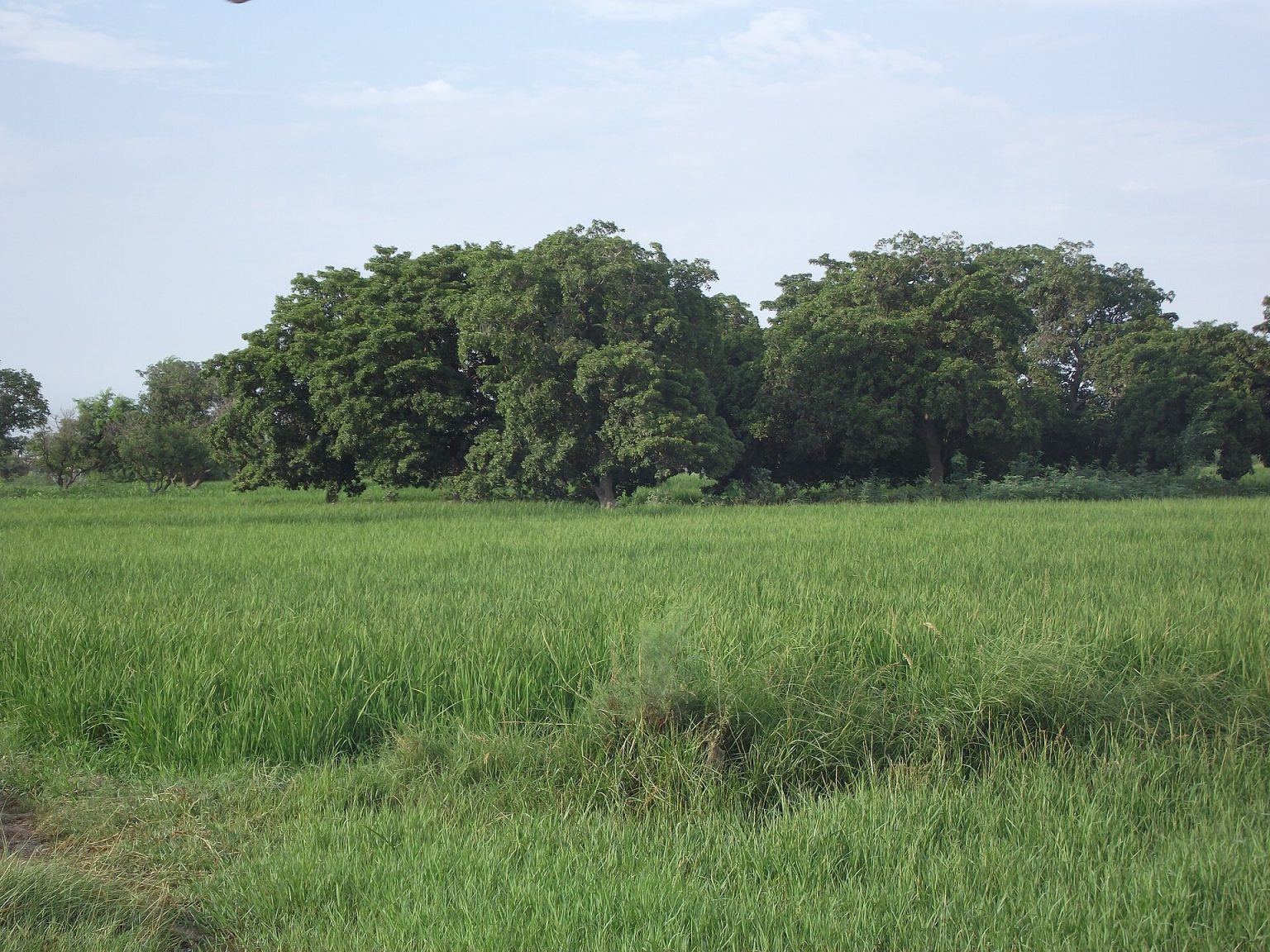
Mango orchard, Sindh
About Pakistan's Mangoes
Few things unite Pakistan like the arrival of mango season. As the heat builds in May, the first fruit reaches the markets from Sindh; through June and July the Punjab harvest takes over; and the late varieties carry the season into September and beyond. Mangoes are eaten after meals, chilled in buckets of water, squeezed and sucked straight from the skin, blended into thick shakes and churned into ice cream. Unripe mangoes go into pickles and chutneys that last all year.
Mangoes are also big business and a source of national pride. Crates are sent to relatives across the country and abroad, and a box of good mangoes is one of the most welcome gifts of the summer. According to the Ministry of National Food Security & Research, Pakistan produced just over 2.09 million tonnes of mangoes in 2023–24 from about 158,700 hectares of orchards.
The pleasure lies in the variety. Pakistanis argue happily about which is best: the honeyed, early Sindhri, the small and intensely sweet Anwar Ratol, the green-skinned Langra or the late, fragrant Chaunsa.
Famous Varieties
The names you will see on the carts, roughly in the order they arrive.
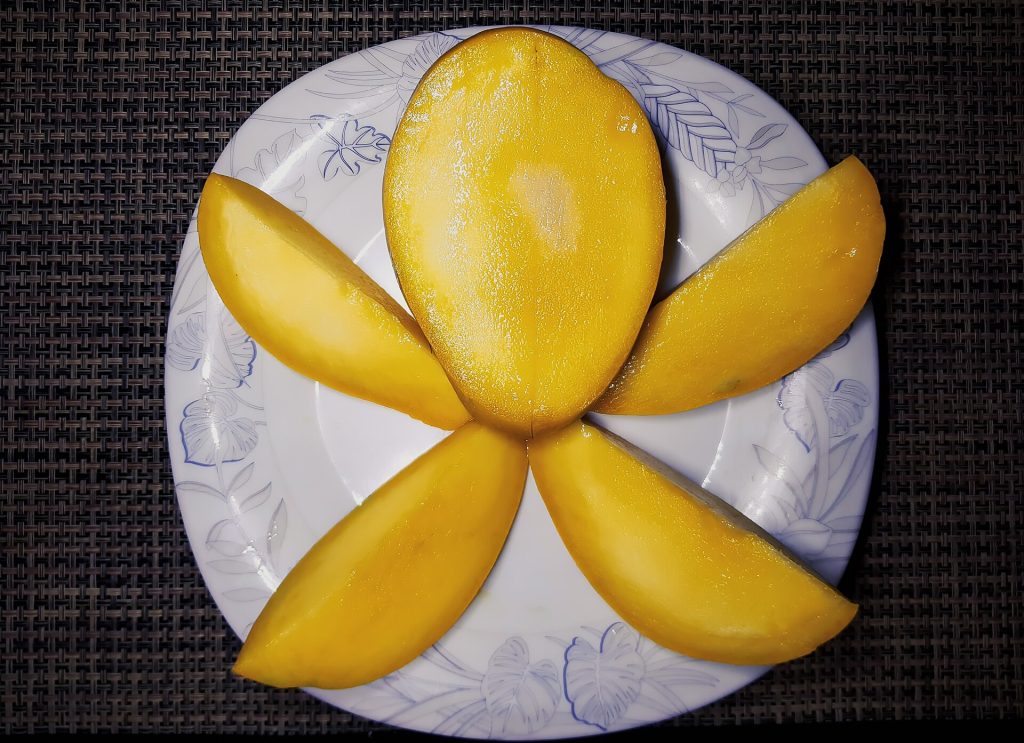
 SindhriA large, oval mango with yellow skin, little fibre, firm pulp and a strong aroma. The Trade Development Authority of Pakistan traces it to Mirpur Khas district and says it covers about 18% of the mango area.
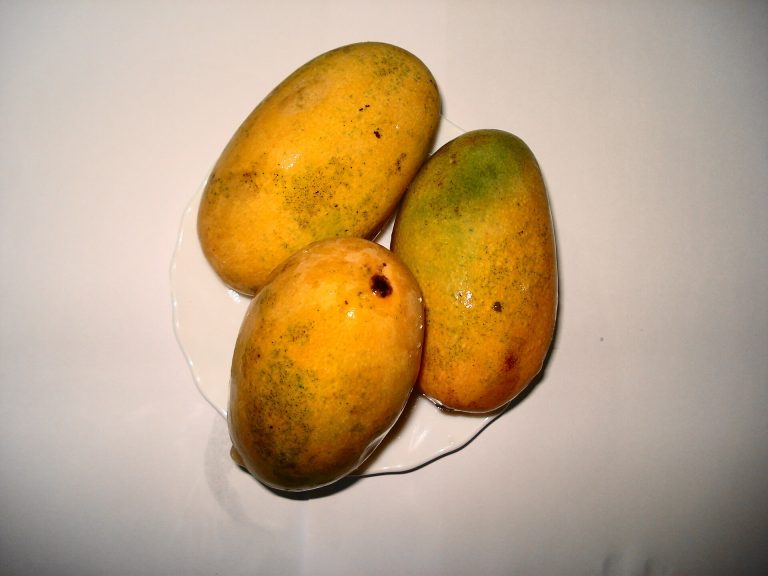 DasheriAn early-ripening variety that bears heavily and regularly, available across Punjab, with sweet, juicy pulp. It occupies only a small share of the national mango area.
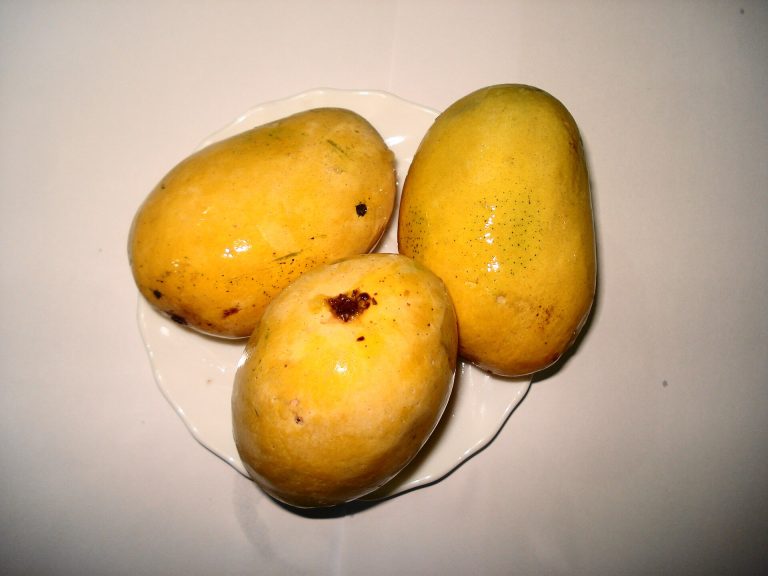 Anwar RatolSmall and unassuming to look at, but prized for its intense sweetness and rich aroma. Many Pakistanis consider it the finest of all.
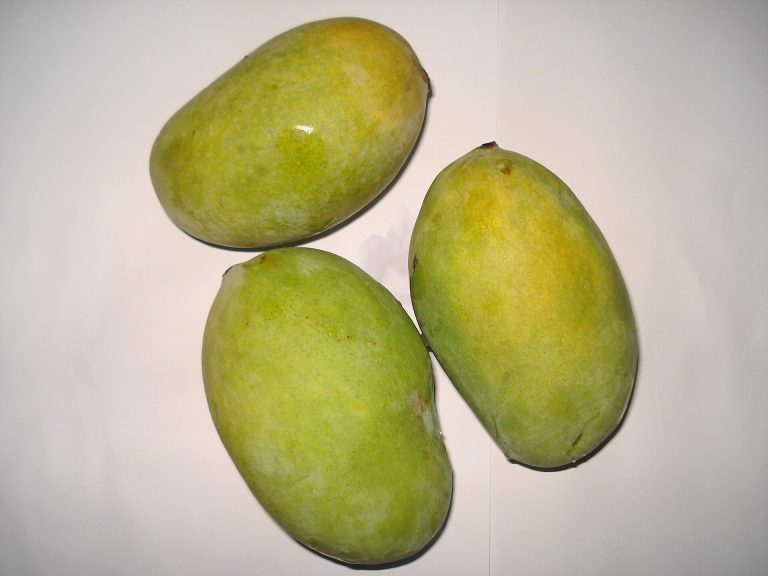 LangraA medium-to-large oval mango that stays green even when ripe, with fibreless flesh and a sharp-sweet flavour.
 ChaunsaThe great late-season mango of Punjab, with rich yellow pulp. Sufaid (white) Chaunsa, also called Multani White Chaunsa, is large, with compact pulp and good storage and shelf life.
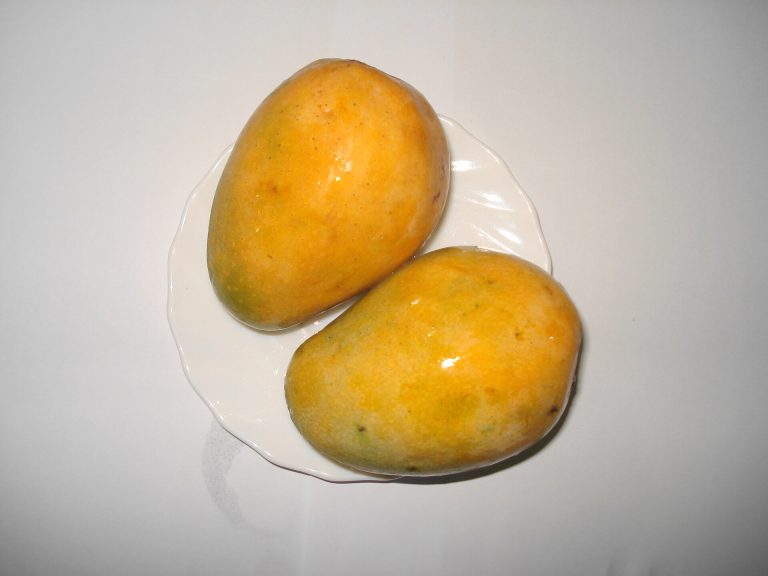 Saroli and othersPakistan grows many more varieties, including Saroli, Almas, Lal Badshah, Fajri, Gulab Khas, Neelum, Chenab Gold and Azeem Chaunsa.
When Each Mango Is in Season
Harvest windows recommended by the Mango Research Institute, Multan, for Punjab. Sindh's crop arrives a few weeks earlier.
| Variety | Harvest window (Punjab) |
|---|---|
| Sindhri, Anwar Ratol, Dusehri, Langra | 1st week of June to 1st week of July |
| Yakta | End of June |
| SB Chaunsa | 2nd week of July to 1st week of August |
| Chenab Gold | 2nd week of July to 2nd week of August |
| Fajri, Kala Chaunsa, Sufaid Chaunsa | 2nd week of August to 2nd week of October |
| Azeem Chaunsa | 2nd week of September to 2nd week of October |
Source: Mango Research Institute, Multan (Agriculture Department, Government of the Punjab). Weather shifts these dates from year to year; in Sindh the season begins around mid-May (TDAP).
Where Pakistan's Mangoes Grow
Mangoes need long, hot summers, and Pakistan's two great mango belts lie in the plains of southern Punjab and Sindh. In Punjab, Multan is the best-known name, and the orchards stretch across the surrounding districts of the southern province. Punjab dominates the national total: the Ministry of National Food Security & Research records 1.70 million tonnes from Punjab in 2023–24, around four-fifths of Pakistan's output.
In Sindh, orchards around Mirpur Khas, the home of the Sindhri, and in neighbouring districts ripen first, because of the province's earlier heat. That head start is why the first Pakistani mangoes in the shops each May are usually from Sindh, and why the national season is so long: the Trade Development Authority of Pakistan describes it as about five months, from mid-May in Sindh to late September in Punjab.
Research supports the industry. The Mango Research Institute in Multan, run by the Punjab Agriculture Department, has introduced improved selections such as Chenab Gold and Azeem Chaunsa, the latter bred for later maturity, longer storage and suitability for export.
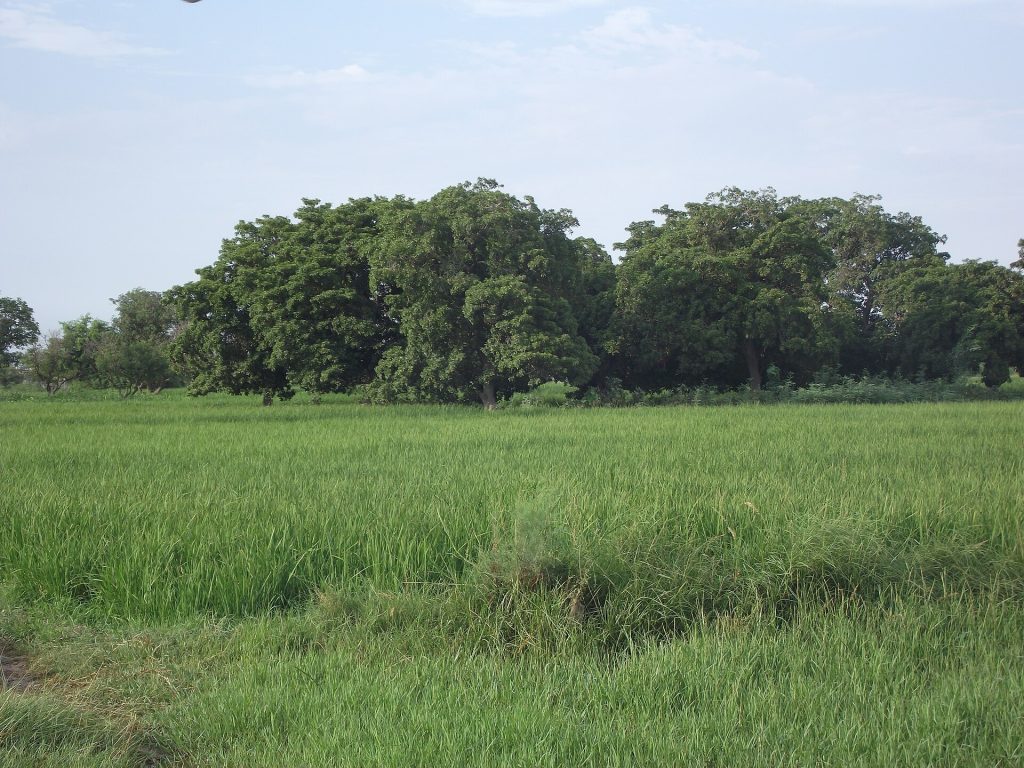
Mango Exports
Official export data published by the Associated Press of Pakistan show fresh mango exports of 118,121 tonnes in 2022, 129,230 tonnes in 2023 and 132,587 tonnes in 2024, before falling to 116,011 tonnes in 2025. The 2026 season was weaker: by 9 July 2026 exports stood at 44,882 tonnes, with the Pakistan Horticulture Development and Export Company estimating mango availability at 30–35% below normal because of climate change and temperature swings.
The Gulf and Iran are the biggest buyers. In 2026, Iran, the UAE and Oman together took about four-fifths of exports, with smaller volumes to the United Kingdom, Europe, Japan, the United States and Canada. Exporters point to cold-chain gaps, certification costs and freight charges as the main obstacles to reaching more distant markets.
Choosing and Storing Mangoes
- Judge ripeness by smell and feel, not just colour: a ripe mango gives slightly when pressed and smells sweet at the stem end. Langra stays green when ripe.
- Buy by variety and by the calendar. Early in the season look for Sindhri and Anwar Ratol; from late July, Chaunsa.
- Ripen hard fruit at room temperature, out of direct sun, and refrigerate only once ripe.
- Wash mangoes before cutting, and soak them in cool water for a while before eating, as many Pakistani families do.
- Be wary of fruit that is evenly coloured on the outside but hard and sour within, which may have been ripened artificially; buy from sellers you trust.
- When sending mangoes as gifts or abroad, use the sturdy ventilated cartons sold in mango-growing cities and check courier and import rules first.
Frequently Asked Questions
When is mango season in Pakistan?
From about mid-May, when Sindh's early crop arrives, into September and, for late Chaunsa varieties in Punjab, early October. The peak for most varieties is June and July.
Which is the best Pakistani mango?
It is a matter of fierce debate. Chaunsa, Sindhri and Anwar Ratol are the most celebrated; Anwar Ratol is often praised for sweetness, Sindhri for its size and aroma, and Chaunsa for its rich late-season flavour.
How many mangoes does Pakistan produce?
The Ministry of National Food Security & Research recorded 2,090,659 tonnes in 2023–24, from about 158,679 hectares. Punjab grew around 1.70 million tonnes of that.
How many mangoes does Pakistan export?
Official data reported by APP show 132,587 tonnes of fresh mangoes exported in 2024 and 116,011 tonnes in 2025. Exports in 2026 were much lower because of a smaller crop.
Where is the Sindhri mango from?
The Trade Development Authority of Pakistan traces the Sindhri to Mirpur Khas district in Sindh, which remains one of its main growing areas.
Why does Langra stay green?
Langra is a variety whose skin remains green even when the fruit is fully ripe, so it should be judged by smell and softness rather than colour.
Keep Exploring
Related places and stories on DailyLife.pk
 MultanMultan city guide: Shah Rukn-e-Alam and other Sufi shrines, the walled city, blue pottery, sohan halwa
 HyderabadHyderabad, Sindh city guide: Pakka Qila, Talpur and Kalhoro tombs, Rani Bagh, Sindh Museum, glass bangles
 BahawalpurBahawalpur city guide: Noor Mahal, Darbar Mahal, Central Library, Lal Suhanra National Park, Derawar Fort
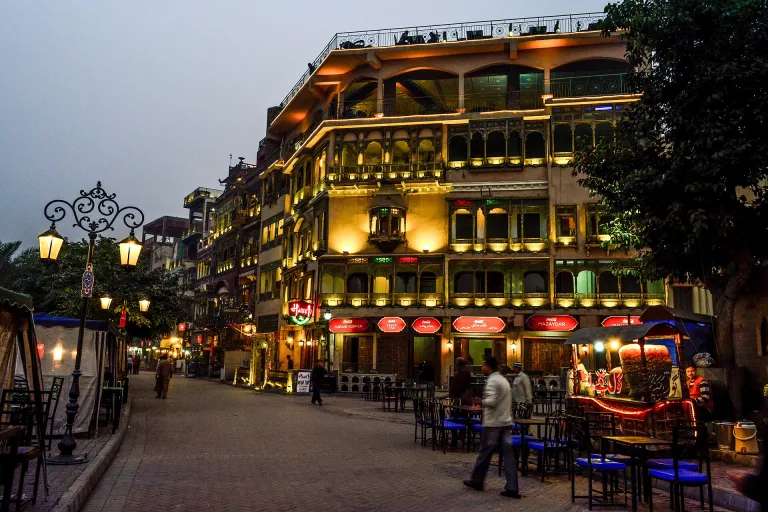 Pakistani Street FoodPakistani street food city by city: Lahore, Karachi, Peshawar, Quetta and Multan's signature dishes
 Economy of PakistanPakistan's economy explained: FY2025-26 GDP, growth, per capita income, exports, textiles, record remittances
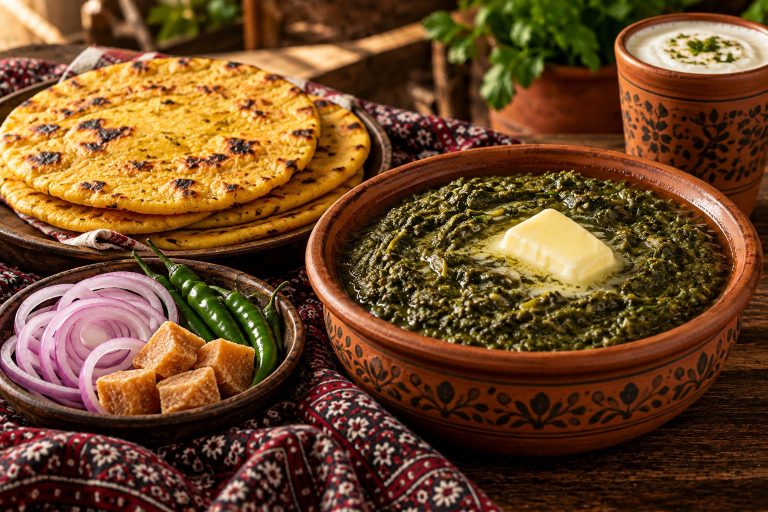 Punjabi CuisinePunjabi food guide: saag and makai roti, halwa puri, paye, Lahori fried fish, sohan halwa, lassi
How we know this
- Type Explainer
- Sources 6 (3 official/academic)
- Reviewed October 2026
- Disputed points None
6 sources
- Fruit, Vegetables and Condiments Statistics of Pakistan 2023-24, Ministry of National Food Security & Research (Economic Wing), March 2025
- Pakistan Mangoes, Trade Development Authority of Pakistan (TDAP)
- Mango Research Institute, Multan, Agriculture Department, Government of the Punjab
- Pakistan mango exports reach 44,882 tonnes as 2026 season progresses, Associated Press of Pakistan, 10 August 2026
- Pakistan's mango exports fall 66% in two years, FreshPlaza, August 2026
- Pakistan sets 125,000-ton mango export target for 2025 despite climate, logistical hurdles, Profit by Pakistan Today, 22 May 2025
Photo credits (10)
- Mango trees in Khadro.JPG, Talha Zubair Khan, CC BY-SA 4.0, via Wikimedia Commons
- Cut mangoes on plate.jpg, Shahzaib Damn Cruze, CC BY-SA 4.0, via Wikimedia Commons
- A plate full of mangoes.jpg, Kskhh, CC BY-SA 4.0, via Wikimedia Commons
- Mango Daseri.JPG, Miansari66, CC0, via Wikimedia Commons
- Mango Anwer Retol.JPG, Miansari66, CC0, via Wikimedia Commons
- Mango Langrra.JPG, Miansari66, CC0, via Wikimedia Commons
- Mango Saroli.JPG, Miansari66, CC0, via Wikimedia Commons
- Lassi (Sweet and Salted) (illustration), DailyLife.pk, Illustrative image
- Spices, Pakistan Bahawalpur.jpg, Zahra Syed, CC BY-SA 2.0, via Wikimedia Commons
- Kheer (illustration), DailyLife.pk, Illustrative image
