
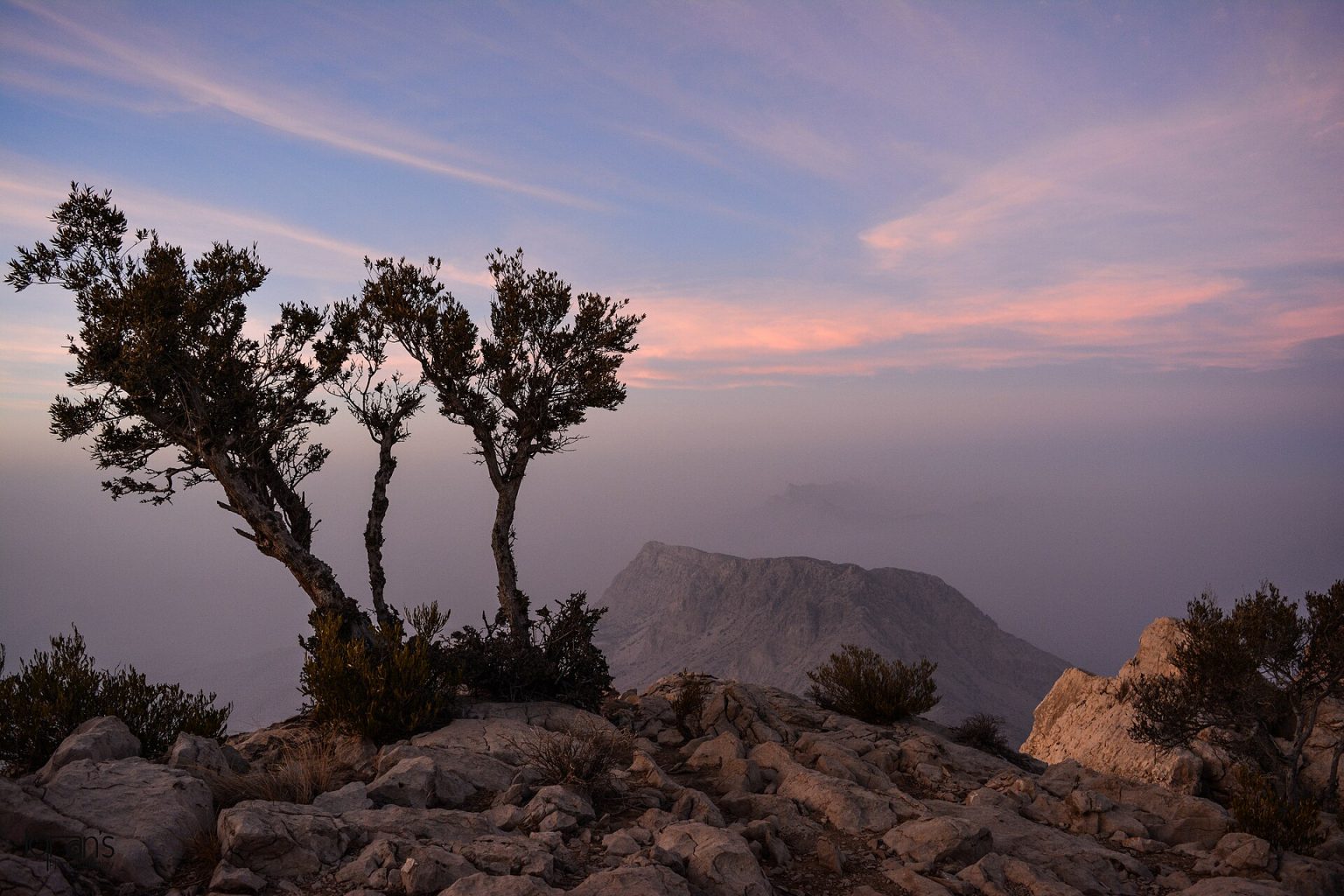
Travel destination
Gorakh Hill: Sindh's Cool Plateau in the Kirthar
A remote hill station high in the Kirthar Mountains on the Sindh–Balochistan border, with wind-carved ridges, star-filled nights and, in a cold winter, a dusting of snow.
- Dadu District, Sindh
- Altitude about 1,734 m (5,688 ft)
- Summer escape; snow possible in winter
Gorakh Hill, Dadu District, Sindh
About Gorakh Hill
Most people picture Sindh as flat: the Indus plain, the delta, the Thar and the long Arabian Sea coast. Gorakh Hill turns that image upside down. Perched high in the Kirthar Mountains on the border with Balochistan, this plateau stands at about 1,734 metres (5,688 feet), and it is often called the 'Murree of Sindh' because it offers something otherwise almost unknown in the province: cool mountain air, cold nights and, in some winters, snow.
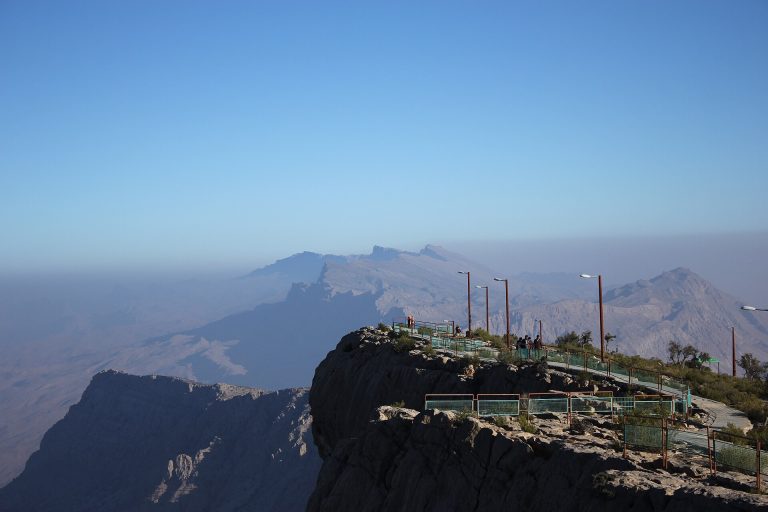
The setting is stark and dramatic. The Kirthar here is a jumble of folded limestone ridges, scoured by wind and flash floods into fins, ledges and deep ravines in shades of grey, ochre, brown and, after rain, a surprising green. From the edge of the plateau the land falls away towards the Indus plain on one side and into Balochistan on the other. Writers who have made the trip compare the views to the American West, and the night sky, far from any city lights, is one of the finest in southern Pakistan.
Gorakh lies about 90 km by road from the town of Dadu and roughly 423 km from Karachi. Getting there is part of the adventure: after the towns of Johi and Wahi Pandhi the road climbs 54 km into the mountains, and the last stretch is steep and winding enough that a four-wheel-drive vehicle and an experienced driver are strongly recommended. The Sindh government has developed the hill as a resort over the years, with a guest house, huts, a restaurant and viewing points, but facilities remain basic and are not always open, so visitors should plan carefully.
The contrast with the plains below is what makes Gorakh special. Down in Dadu summer temperatures can reach 50 °C, while up on the plateau nights can be cool even in June. In winter the temperature drops well below freezing: officials reported lows of −4 to −5 °C in January 2026, and a light snowfall, as in 2014 and February 2020, draws crowds from across Sindh.
Gorakh is where Sindh goes to feel cold, and to see more stars than most of its people ever have.
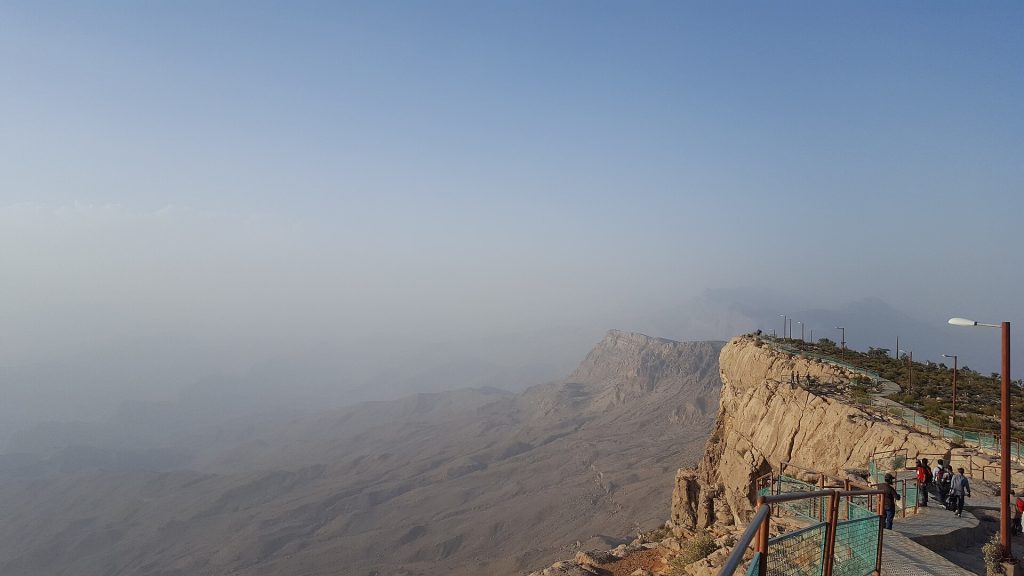
Highlights of Gorakh Hill
There is little to 'do' at Gorakh in the conventional sense; the rewards are views, silence and sky.
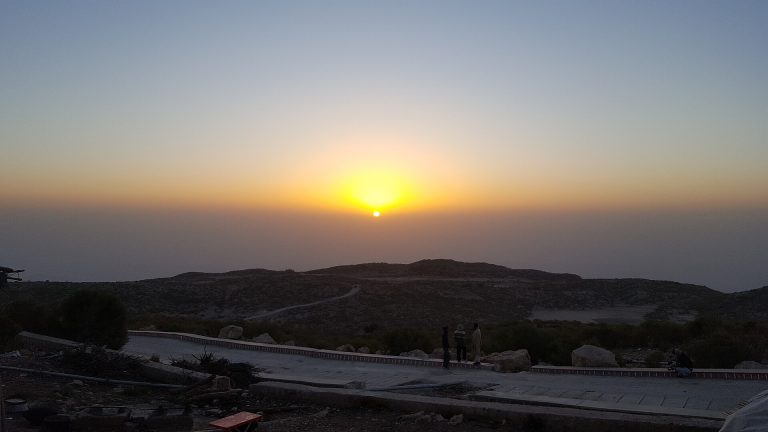 Benazir PointThe best-known viewpoint, a short walk from the hill station, with a long walkway ending in a seating area. It looks across the Kirthar range towards Balochistan and is the classic place for sunrise and sunset.
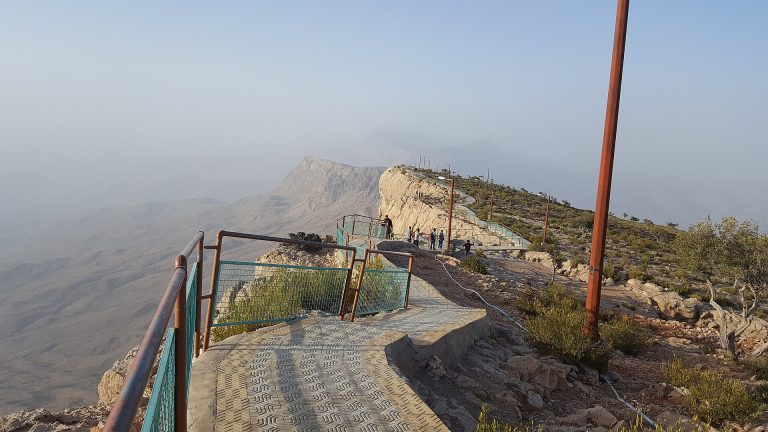 The plateau edgeWalk along the rim of the plateau for sweeping views over ravines and ridges. Keep well back from unfenced drops, especially in wind.
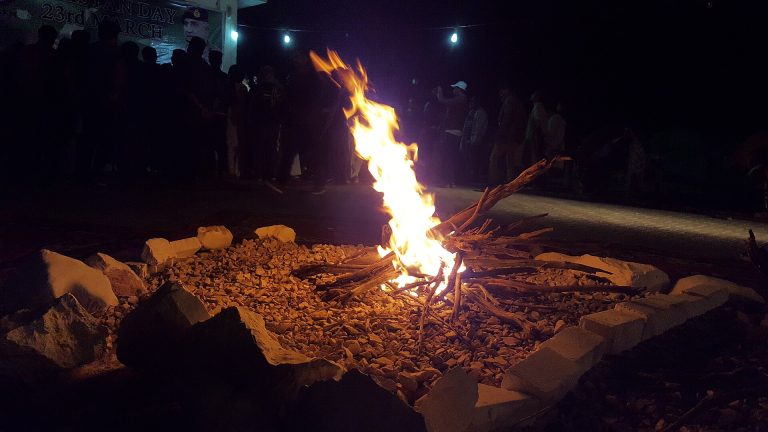 StargazingWith almost no light pollution and clean, dry air, clear nights at Gorakh are superb for watching stars and the Milky Way. Bring warm layers; it gets cold quickly after dark.
 Snow daysIn a cold winter Gorakh can receive light snow, as it did in February 2020, when families drove up from across Sindh to see it. Snow is never guaranteed, and roads can become hazardous.
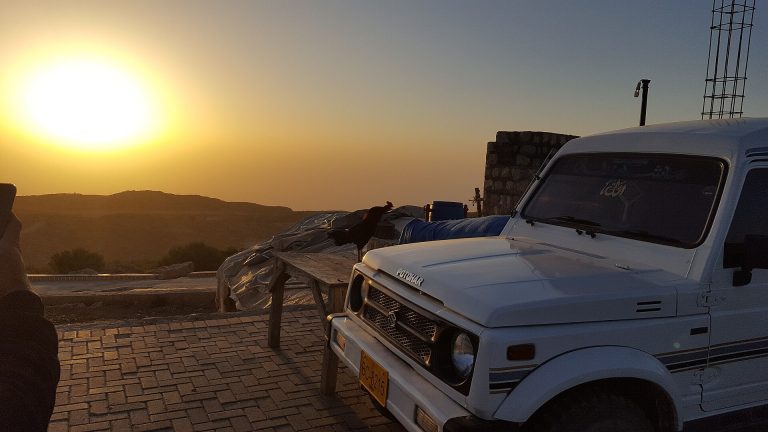 The drive through the KirtharThe road from Wahi Pandhi climbs through gorges and bare ridges where you may pass shepherds and camel herders. Stop at safe pull-offs to take in the geology.
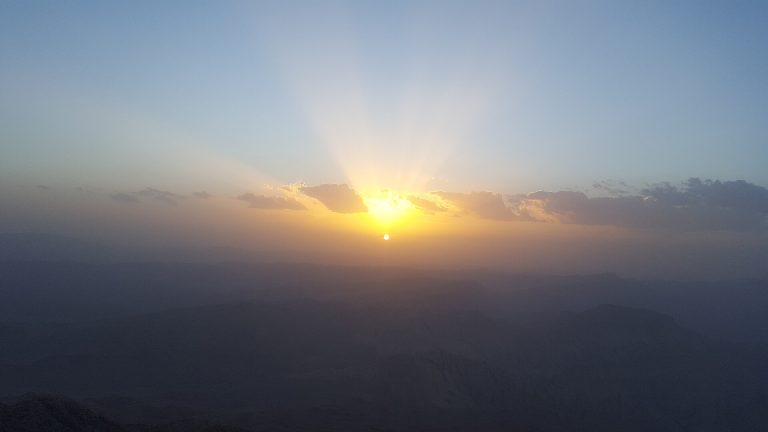 Sunset over the ridgesLate afternoon light sets the layered rock glowing in ochre and rose. Stay overnight to see both sunset and sunrise rather than rushing back down.
Plan Your Trip
Gorakh is remote; plan fuel, food, transport and accommodation in advance, and check current road conditions.
Best Time to Visit
Summer for cool air; winter for cold and snow
In summer Gorakh offers relief from the extreme heat of the plains, though days can still be warm. Winter is cold, with nights below freezing and a chance of snow. Avoid travelling just after heavy rain, when flash floods can damage the road.
How to Reach
Via Dadu or Sehwan, Johi and Wahi Pandhi
From Karachi drive north to Jamshoro and Sehwan, then on via Johi to Wahi Pandhi; the final 54 km climb to the plateau took Dawn's reporter about two hours. The full trip from Karachi is roughly 423 km and a long day's drive. Local jeeps can be hired at Wahi Pandhi.
Vehicles
4x4 strongly advised
The last section is steep and narrow, with tight bends. Use a sturdy four-wheel-drive with good brakes and an experienced driver, and fill up with fuel before leaving the plains, as fuel stations are scarce.
Where to Stay
Government huts, guest house or camping
The resort has a restaurant with huts nearby and a government guest house, and visitors also camp. Facilities vary and are not always staffed, so confirm bookings in advance and bring bedding and food as a back-up.
Connectivity
Patchy at best
Mobile signal is weak or absent on much of the approach, so tell someone your plans, download offline maps and carry a power bank.
Safety & Advisories
Check before you travel
The area is remote and sparsely policed. Travel in a group, avoid driving after dark, carry warm clothing and enough water and food, and check current advisories and local authority guidance before setting out.
What to Pack
- Warm jacket, hat and thermal layers, even in summer nights can be chilly, and winter nights fall below freezing.
- Enough drinking water, snacks and simple meals for your whole stay.
- A torch or headlamp and spare batteries or a power bank.
- Basic first-aid kit and any personal medicines.
- Sturdy shoes with grip for rocky paths and viewpoints.
- Sunscreen and sunglasses for the strong high-altitude sun.
Itinerary Ideas
Allow at least two nights from Karachi or one from Hyderabad.
- 1
Day 1: Karachi to Sehwan
Drive north via Jamshoro to Sehwan Sharif. Visit the shrine of Lal Shahbaz Qalandar and stay overnight to break the journey.
- 2
Day 2: Up to Gorakh
Set out early via Johi to Wahi Pandhi, switch to a local jeep if needed, and climb to the plateau. Walk to Benazir Point for sunset and stay up for the stars.
- 3
Day 3: Sunrise and descent
Catch sunrise from the plateau edge, then descend in daylight. On the way back, consider a detour to Mohenjo-daro near Larkana or the walls of Ranikot Fort.
Travel Responsibly at Gorakh
- Take every piece of rubbish back down; there is no regular waste collection on the plateau.
- Keep fires small and only in designated spots, using fuel you have brought with you.
- Keep music low and lights dim at night so everyone can enjoy the silence and the stars.
- Respect herders and their animals, and ask before photographing people.
- Stay on existing tracks; the thin soil and scrub recover very slowly.
Nearby
 Sehwan SharifHome to the shrine of Lal Shahbaz Qalandar, one of South Asia's most celebrated Sufi shrines, famous for its evening dhamaal.
 Mohenjo-daroThe great Indus Valley city near Larkana, a UNESCO World Heritage Site and one of the world's earliest planned cities.
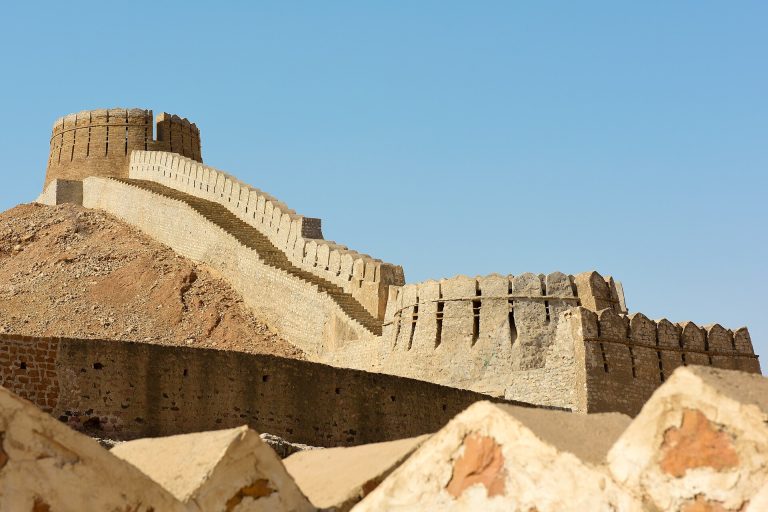 Ranikot FortMassive walls snaking over the Kirthar foothills, often described as one of the largest forts in the world.
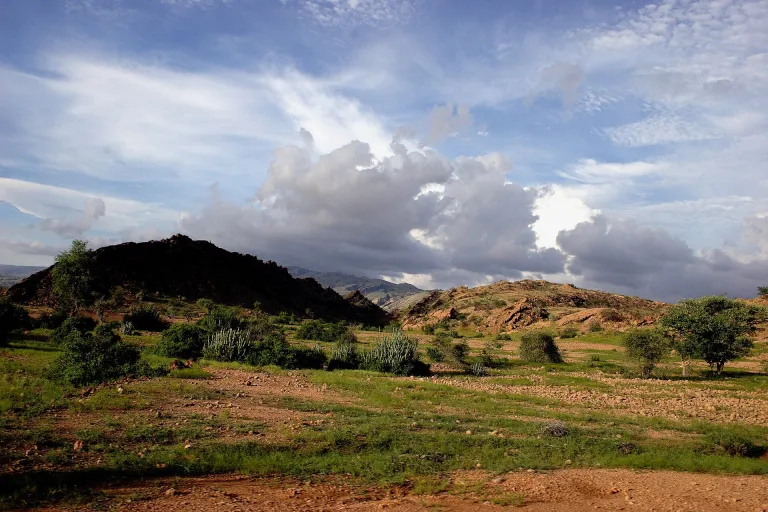 Kirthar National ParkA national park protecting the arid Kirthar ranges to the south, where Sindh ibex and urial survive.
Frequently Asked Questions
How high is Gorakh Hill?
Gorakh Hill stands at about 1,734 metres (5,688 feet) above sea level, according to reports in Dawn and ARY News. It is often described as one of the highest points in Sindh.
Does it really snow at Gorakh Hill?
Occasionally. Light snowfall has been reported in some winters, including 2014 and February 2020. Snow is not guaranteed, but winter nights regularly fall below freezing.
How do I get to Gorakh Hill from Karachi?
Drive north via Jamshoro and Sehwan to Johi and Wahi Pandhi, then take the 54 km mountain road to the top. The trip is roughly 423 km and takes most of a day; a 4x4 and an experienced driver are strongly recommended for the final climb.
Is there accommodation at Gorakh?
There is basic accommodation in government-run huts and a guest house near the restaurant, and some visitors camp. Facilities are limited and availability varies, so confirm arrangements before you go and carry food and warm bedding.
Why is Gorakh called the 'Murree of Sindh'?
Because, like Murree in the north, it is a cool hill resort where people escape the heat of the plains and occasionally see snow, something very rare elsewhere in Sindh.
Keep Exploring
Related places and stories on DailyLife.pk
Mohenjo-daroPlan a visit to Mohenjo-daro, Sindh: the Great Bath, citadel stupa, lower town and museum Ranikot FortPlan a Ranikot Fort trip: the 'Great Wall of Sindh', Miri and Shergarh, its gates
 Makli NecropolisVisit Makli Necropolis near Thatta, Sindh: Jam Nizamuddin II
 KarachiKarachi travel guide: Mazar-e-Quaid, Mohatta Palace, Clifton, Burns Road, bazaars, neighbourhoods, Green Line BRT
 HyderabadHyderabad, Sindh city guide: Pakka Qila, Talpur and Kalhoro tombs, Rani Bagh, Sindh Museum, glass bangles
 SukkurSukkur city guide: Sukkur Barrage, Lansdowne Bridge, Sadh Belo, Masum Shah minaret, Rohri, Indus dolphins
How we know this
- Type Travel guide
- Sources 5
- Reviewed October 2026
- Disputed points None
Rules and fees change, confirm with the official links below before you act.
5 sources
- Gorakh Hill travel report by Qasim A. Moini (2 March 2014), Dawn
- Boundlessly beautiful and magical, Gorakh is much more than just the 'Murree of Sindh' (4 February 2018), The Express Tribune
- Gorakh Hills turn white with season's first snowfall (2 February 2020), ARY News
- Severe cold hits Gorakh Hill in Dadu (26 January 2026), The News
- Gorakh Hill, Wikipedia (used to locate primary sources)
Photo credits (12)
- Gorakh Hill Station by Iqran Rasheed.jpg, Iqran Rasheed, CC BY-SA 4.0, via Wikimedia Commons
- Gorakh Hill Station Wide.jpg, Arbi099, CC BY-SA 4.0, via Wikimedia Commons
- Sunrise at Gorakh Hill Station.jpg, Arbi099, CC BY-SA 4.0, via Wikimedia Commons
- Gorakh Hill Station Edge.jpg, Arbi099, CC BY-SA 4.0, via Wikimedia Commons
- Bonfire at Gorakh Hill Station.jpg, Arbi099, CC BY-SA 4.0, via Wikimedia Commons
- Gorakh Hill station in morning.jpg, Saim2002, CC BY-SA 4.0, via Wikimedia Commons
- Transportion at Gorakh Hill Station.jpg, Arbi099, CC BY-SA 4.0, via Wikimedia Commons
- Sunset at Gorakh Hill Station.jpg, Arbi099, CC BY-SA 4.0, via Wikimedia Commons
- Shrine Lal Shahbaz Qalandar, Sehwan Shareef, Sindh, Pakistan.jpg, Fassifarooq, CC BY-SA 4.0, via Wikimedia Commons
- Mohenjodaro - view of the stupa mound.JPG, Saqib Qayyum, CC BY-SA 3.0, via Wikimedia Commons
- Ranikot Wall & Fort View.jpg, Adrian Leslie Lobo, CC BY-SA 4.0, via Wikimedia Commons
- Kirthar park.jpg, AQEEL BAIG, CC BY-SA 2.0, via Wikimedia Commons
