
Nature
Birds of Pakistan: From Chukar to Flamingo
More than 800 bird species have been recorded in Pakistan, from pheasants of the Himalayan forests and eagles over the Karakoram to winter flocks of ducks, cranes and flamingos on the Indus wetlands.
- National bird: chukar partridge
- Waterbird season: winter
- On the Central Asian Flyway
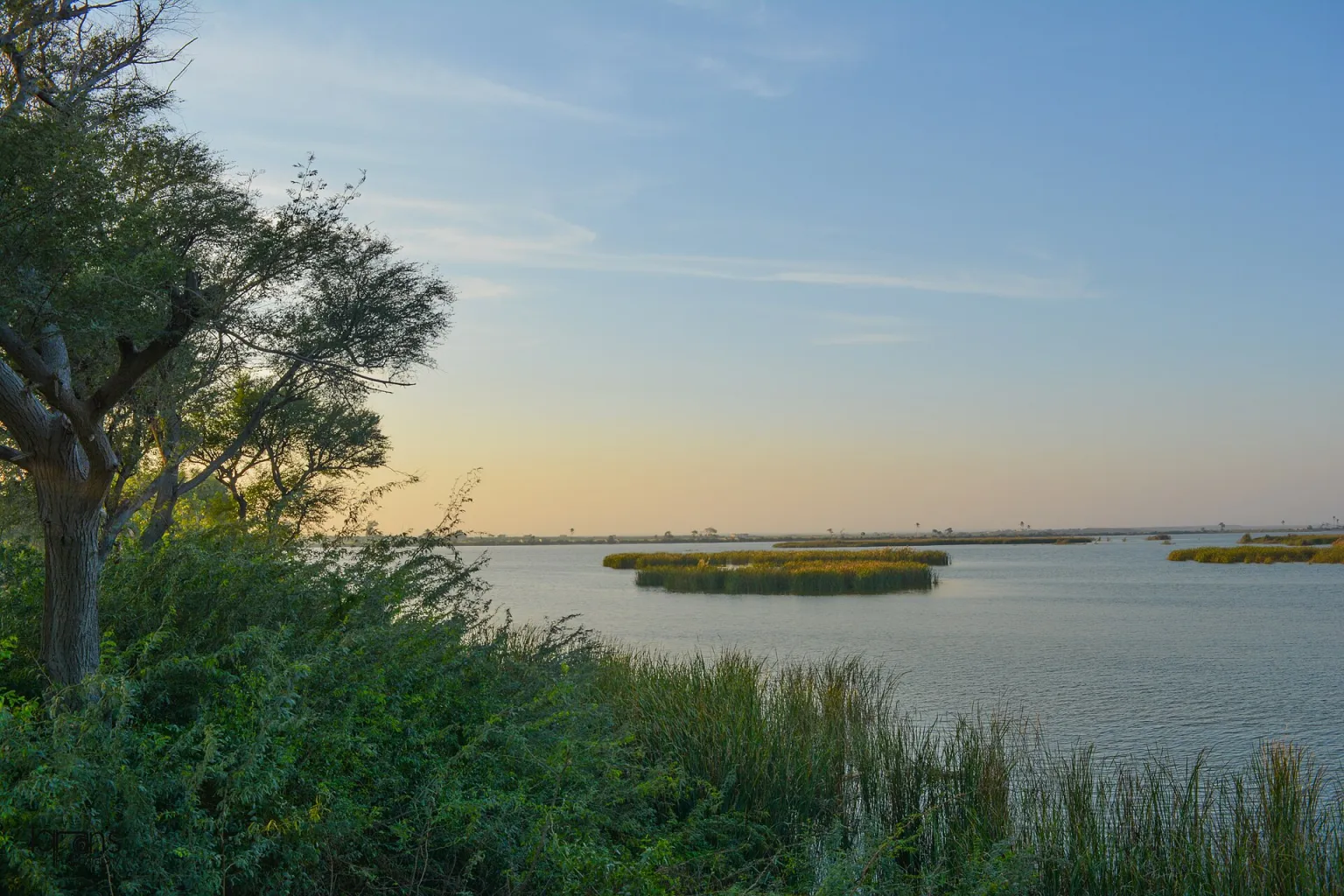
Haleji Lake, a Ramsar wetland near Thatta, Sindh
A Crossroads for Birds
Pakistan's bird list reflects its extraordinary range of habitats. The Avibase checklist, following the Clements 2025 taxonomy, records 806 species for the country, including 52 that are globally threatened. Within a single country you can find Himalayan pheasants in conifer forests, lammergeiers and golden eagles riding thermals above Karakoram valleys, sandgrouse and larks in the deserts of Cholistan and Thar, and pelicans, flamingos and thousands of ducks on the lakes and lagoons of Sindh.
Much of this diversity is seasonal. Pakistan lies on the Central Asian Flyway, a migration route used by waterbirds that breed in Central Asia and Siberia and spend the winter in South Asia. The Indus and its wetlands, barrages, lakes, lagoons and the delta, form a chain of resting and feeding sites, sometimes called the Indus Flyway. Other migrants, including cranes, pass through in spring and autumn.
For visitors, this means the season matters as much as the place: winter for waterbirds on the plains and coast, spring and summer for breeding birds in the mountains and forests.
Signature Birds
Species every birdwatcher in Pakistan hopes to see.
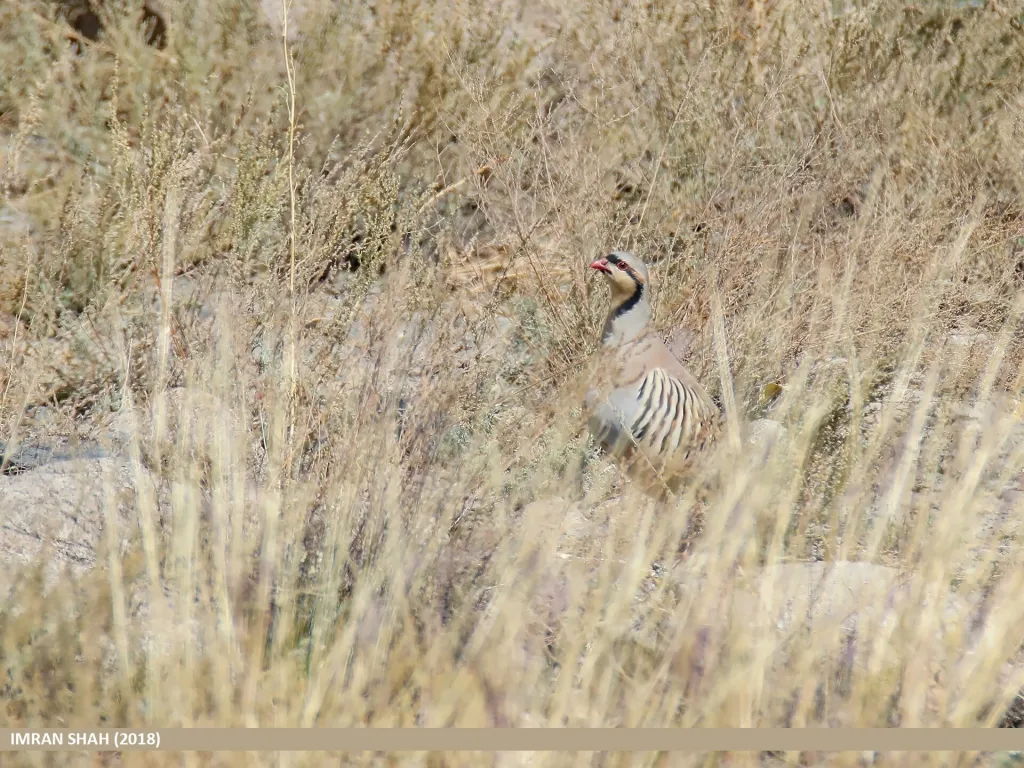
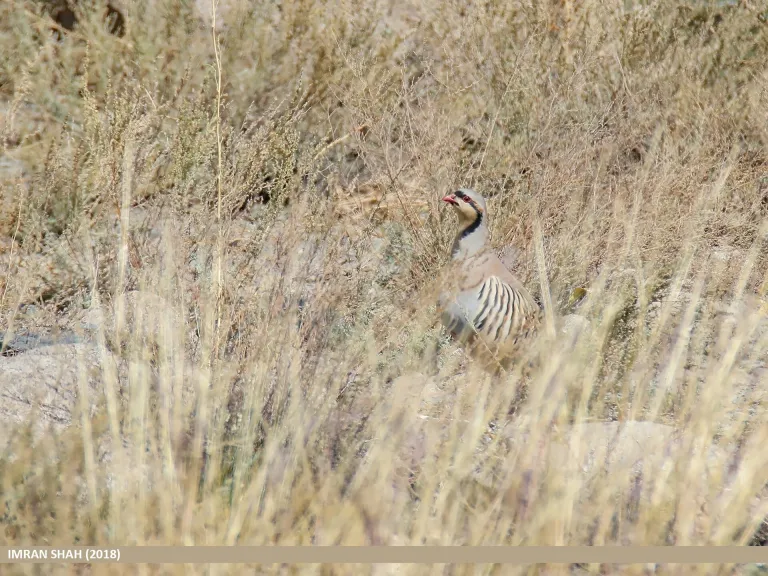 Chukar: national birdA plump grey-brown partridge with a red bill, black necklace and boldly barred flanks. Common on dry, rocky hillsides across much of Pakistan, from the lowland hills to high mountain slopes.
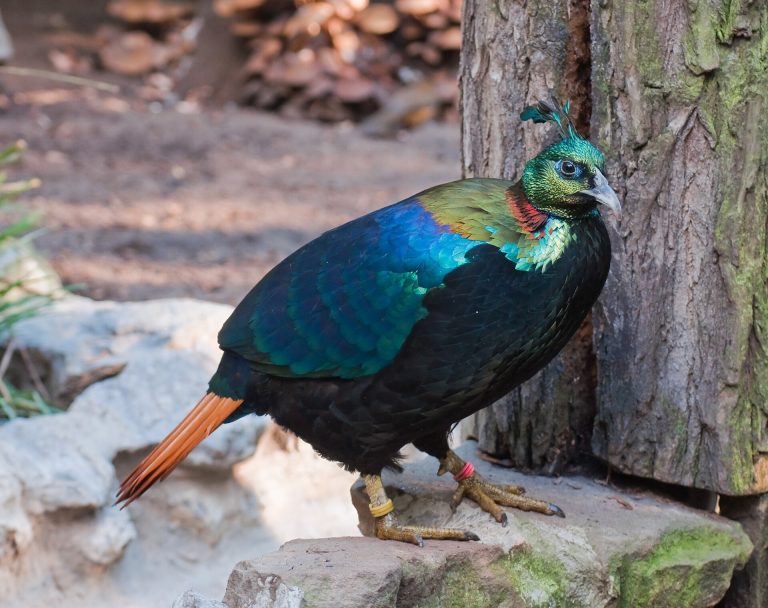 Himalayan monalA spectacular iridescent pheasant of high Himalayan forests and meadows, recorded in Central Karakoram National Park and in the forested mountains of Khyber Pakhtunkhwa and Kashmir.
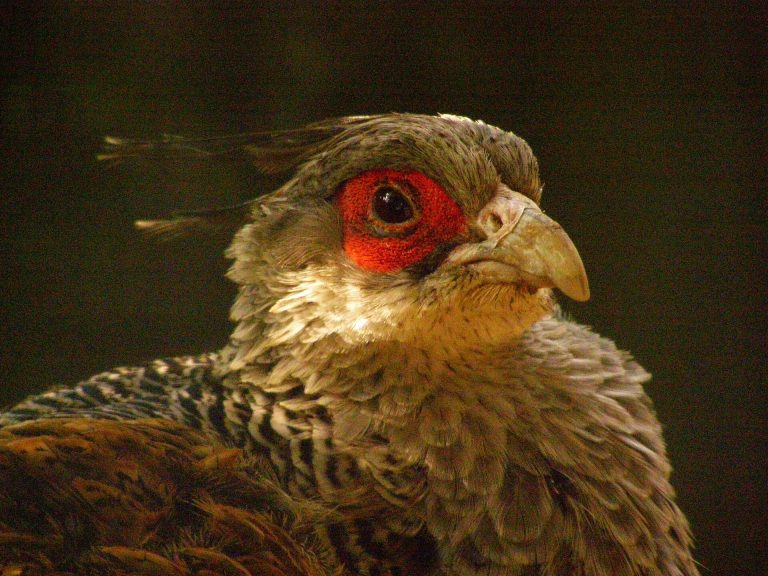 Cheer pheasantA long-tailed, rather plain pheasant of steep grassy slopes in the western Himalaya, vulnerable to habitat loss and hunting.
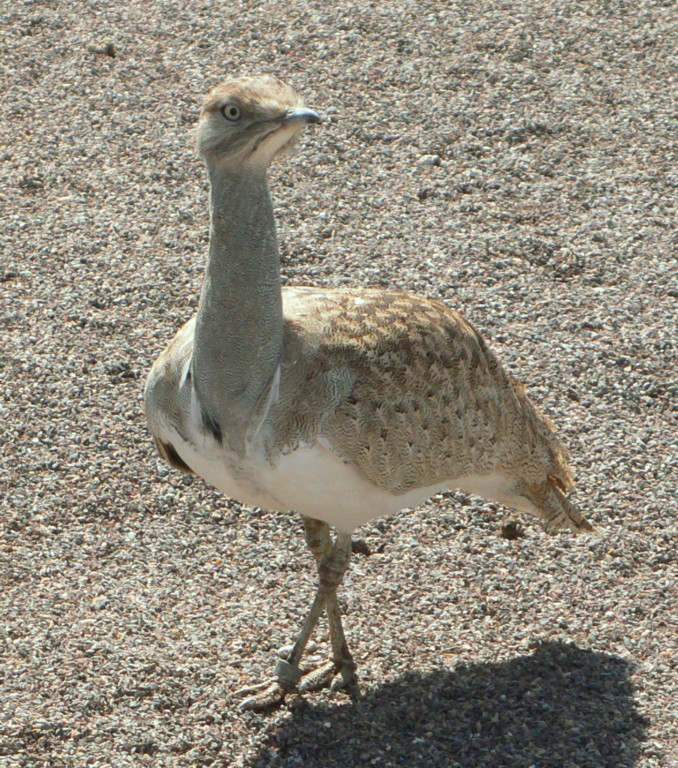 Houbara bustardA well-camouflaged desert bustard that winters in Pakistan's arid plains, including the Runn of Kutch Ramsar site in Sindh. It has long been the focus of debate over falconry and hunting permits.
 Waterbirds of SindhLakes such as Haleji support tens of thousands of wintering ducks, coots, herons and Dalmatian pelicans, while coastal lagoons such as Jubho host greater and lesser flamingos.
Top Birding Wetlands
| Wetland | Province | Highlights (Ramsar data) |
|---|---|---|
| Keenjhar Lake | Sindh | Up to 140,000 birds, including Eurasian wigeon, common coot and common pochard |
| Haleji Lake | Sindh | 50,000–100,000 waterbirds a year, Dalmatian pelican, large night-heron roost |
| Chashma Barrage | Punjab | Up to 200,000 waterbirds; key spring and autumn stopover for cranes |
| Uchhali Complex | Punjab (Salt Range) | Wintering white-headed duck, ferruginous duck, greylag goose and flamingos |
| Jubho Lagoon | Sindh | Wintering greater and lesser flamingos and Dalmatian pelicans |
| Runn of Kutch | Sindh | Houbara bustard, sarus crane and significant flamingo numbers |
| Indus Delta | Sindh | Dalmatian pelican; extensive mangroves |
Source: Ramsar Sites Information Service annotated summary for Pakistan (accessed October 2026). Counts are those recorded in the Ramsar site descriptions and vary from year to year.
The Winter Arrivals
As autumn cools the steppes of Central Asia, waterbirds begin moving south across the Hindu Kush and Karakoram. Many follow the Indus, stopping at barrage reservoirs such as Chashma and Taunsa before dispersing to the lakes of the Salt Range and Sindh and to the coastal lagoons. Pakistan's Ramsar wetlands were designated largely because of these concentrations: Keenjhar, Haleji and Drigh in 1976, the Indus barrages and Salt Range lakes in 1996, and coastal and delta sites in 2001 and 2002.
Spring brings a reverse flow, with cranes, ducks and waders heading north. Migratory birds face hunting and trapping, disturbance and the degradation of wetlands through pollution, reduced river flows and drainage. Lake Manchar in Sindh, once among the country's most important bird lakes, has been badly affected by saline and polluted inflows.
Raptors and High-Mountain Birds
The northern parks are a showcase for birds of prey. Species lists published by the Gilgit-Baltistan Forest, Wildlife & Environment Department for Deosai, Central Karakoram and Shandur–Handrap national parks include the golden eagle, the lammergeier or bearded vulture, the Himalayan griffon, the booted eagle, peregrine and laggar falcons, the Eurasian kestrel and the Eurasian sparrowhawk. On a clear summer day on the Deosai plateau, it is not unusual to watch several large raptors quartering the grassland for marmots.
The same lists record the mountain game birds that give the high country its sounds: the chukar's rolling call on rocky slopes, the whistles of the Himalayan snowcock above the snowline, and the snow partridge on alpine scree. Central Karakoram National Park alone has about 90 recorded bird species, including the Himalayan monal, common quail and greylag geese passing through on migration.
Birding at altitude rewards early starts and patience. Many species are most active in the first hours after dawn, before the valley winds pick up, and a local guide who knows where birds feed and roost will greatly improve your chances.
Planning a Birding Trip
Winter
Roughly November to February
Peak season for waterbirds on the Sindh lakes, Indus barrages and coast.
Spring
Migration and breeding
Cranes and waders on passage; forest birds begin to sing in the Galiyat and Swat.
Summer
Mountain specialists
The best time for high-altitude species in Gilgit-Baltistan, Deosai and the northern valleys.
Guides
Local knowledge helps
Wildlife department staff, local guides and birding clubs can point you to the best sites and current access rules.
Access
Check before visiting
Some wetlands are within wildlife sanctuaries or restricted areas. Check current advisories and local authority guidance.
Birdwatching Etiquette
- Keep well back from roosting and nesting birds; if birds flush, you are too close.
- Do not use playback calls on threatened species or during the breeding season.
- Never buy caged wild birds, falcons or parakeets taken from the wild.
- Stay on paths and bunds around wetlands and avoid trampling reed beds.
- Share sightings responsibly; do not publicise nest locations of rare species.
Frequently Asked Questions
What is the national bird of Pakistan?
The chukar partridge (Alectoris chukar), a hardy game bird of dry, rocky hills found across much of the country.
How many bird species are there in Pakistan?
The Avibase checklist lists 806 species for Pakistan (Clements 2025 taxonomy), including vagrants and 52 globally threatened species. Totals vary between checklists depending on taxonomy and which rare records are accepted.
When is the best time for birdwatching in Pakistan?
Winter, roughly November to February, for migratory waterbirds on the lakes of Sindh and Punjab; spring and summer for breeding birds in the northern forests and mountains.
Where can I see flamingos in Pakistan?
Coastal and wetland sites in Sindh, such as Jubho Lagoon and the Runn of Kutch, and the Uchhali lakes in Punjab's Salt Range host flamingos in winter, according to Ramsar site descriptions.
Is bird hunting allowed in Pakistan?
Hunting is regulated by provincial and territorial wildlife laws, with protected species, closed seasons and permit requirements. Rules change, so check with the relevant wildlife department.
Keep Exploring
Related places and stories on DailyLife.pk
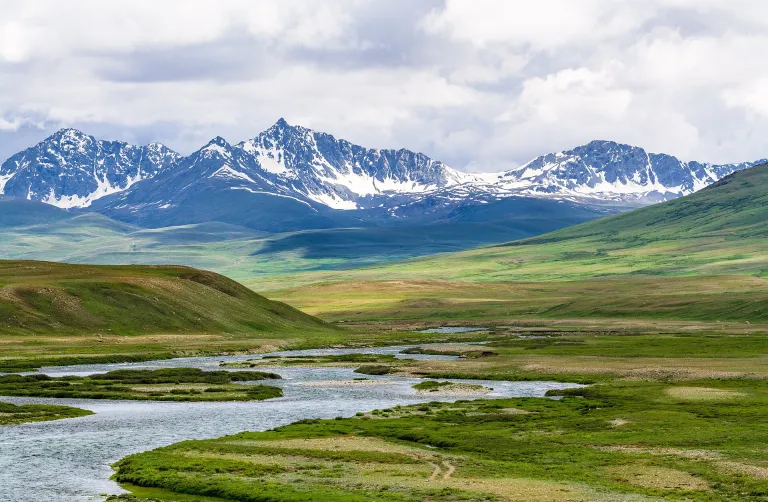 Deosai National ParkDeosai National Park guide: Himalayan brown bears, Sheosar Lake, Bara Pani, routes from Skardu and Astore
 Cholistan DesertCholistan Desert guide: Derawar Fort and the desert forts, the Cholistan Desert Rally, Channan Pir
 Hunza ValleyPlan a Hunza Valley trip: Baltit and Altit forts, Attabad Lake, Passu Cones, Hussaini bridge
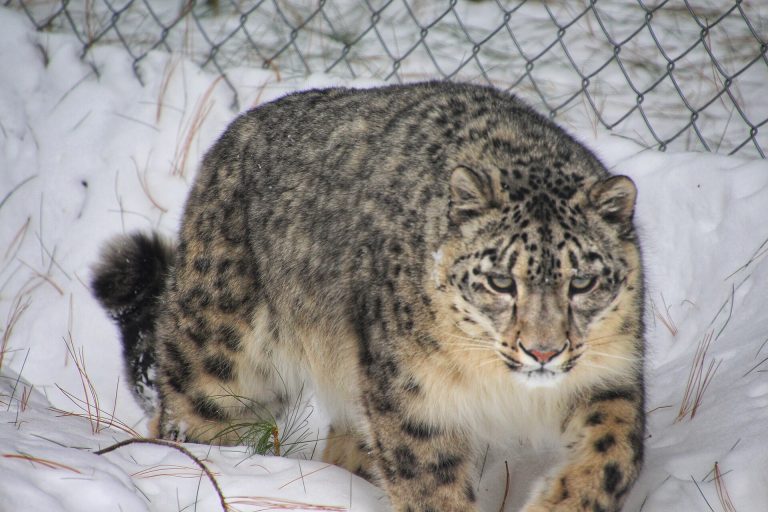 Wildlife of PakistanPakistan's wildlife: markhor (national animal), snow leopard, Indus river dolphin, Himalayan brown bear, ibex
 Rivers and Lakes of PakistanPakistan's rivers and lakes: the Indus and its tributaries, the Indus Waters Treaty, Attabad, Saiful Muluk
 National Parks of PakistanGuide to Pakistan's national parks: Central Karakoram, Deosai, Khunjerab, Hingol, Margalla Hills, Lal Suhanra and more
How we know this
- Type Explainer
- Sources 9 (4 official/academic)
- Reviewed October 2026
- Disputed points None
9 sources
- Avibase – Bird checklist of Pakistan, Avibase (Bird Studies Canada)
- Ramsar Sites annotated summary – Pakistan, Ramsar Sites Information Service
- National Symbols of Pakistan, Ministry of Foreign Affairs, Pakistan
- Flora and fauna: Symbols of our national pride, Dawn
- Wetlands: Pakistan's silent shield against floods, water stress, climate extremes, Associated Press of Pakistan
- Central Karakoram National Park, Forest, Wildlife & Environment Department, Gilgit-Baltistan
- Deosai National Park, Forest, Wildlife & Environment Department, Gilgit-Baltistan
- Lake Manchar (used to locate primary sources), Wikipedia
- Handrap (Shandur) National Park, Forest, Wildlife & Environment Department, Gilgit-Baltistan
Photo credits (8)
- Halaji Lake.jpg, Iqran Rasheed, CC BY-SA 4.0, via Wikimedia Commons
- Chukar Partridge (Alectoris chukar) (31634643457).jpg, Imran Shah from Islamabad, Pakistan, CC BY-SA 2.0, via Wikimedia Commons
- Lophophorus impejanus Zoo DU 2.jpg, H005, Public domain, via Wikimedia Commons
- Antwerp Zoo - Catreus wallichii (1370825559).jpg, belgianchocolate from antwerpen, belgium , België , Belgique, CC BY 2.0, via Wikimedia Commons
- Houbara035.JPG, Jimfbleak, CC BY-SA 3.0, via Wikimedia Commons
- Indus River Skardu Pakistan.jpg, Akhtar Bashir Nigyaal, CC BY-SA 4.0, via Wikimedia Commons
- Snow Leopard In Naltar Gilgit.jpg, Nazir Baig, CC BY-SA 4.0, via Wikimedia Commons
- Lukpe Lao or popularly known as Snow Lake , is a glacial basin which located at the confluence of Biafo and Hispar glacier in Central Karakoram National Park.jpg, Vasiq Eqbal, CC BY-SA 4.0, via Wikimedia Commons
