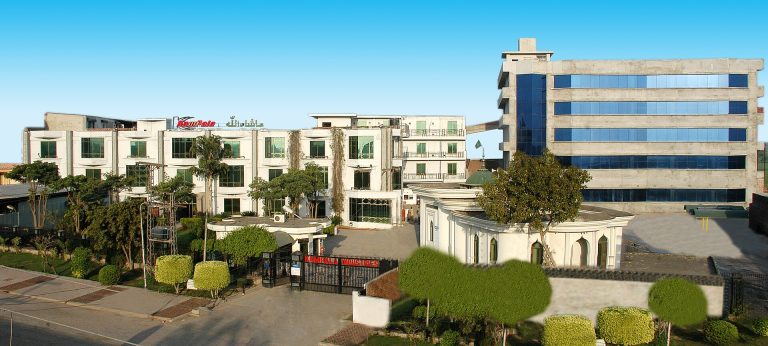
Pakistan's industrial base grew out of its farms. Cotton from the canal-irrigated plains of Punjab and Sindh fed ginning factories, then spinning and weaving mills, and textiles became, and remain, the country's largest manufacturing industry and its biggest export. Around that core sit food processing (sugar, rice, edible oil, flour), cement, fertiliser, automobiles, pharmaceuticals, chemicals, steel and leather, plus clusters of small and medium firms that make everything from surgical scissors to ceiling fans.
According to the Pakistan Economic Survey 2025-26, published by the Finance Division, manufacturing and mining together contribute 13.5% of GDP. Large-scale manufacturing (LSM), which the Pakistan Bureau of Statistics tracks through a monthly index of big factories, makes up 67.4% of manufacturing and 8.2% of GDP; the Survey reports LSM growth of 6.1% in FY2025-26 after a contraction the year before. Small-scale manufacturing grew 8.5% and accounts for about 2.5% of GDP on its own.
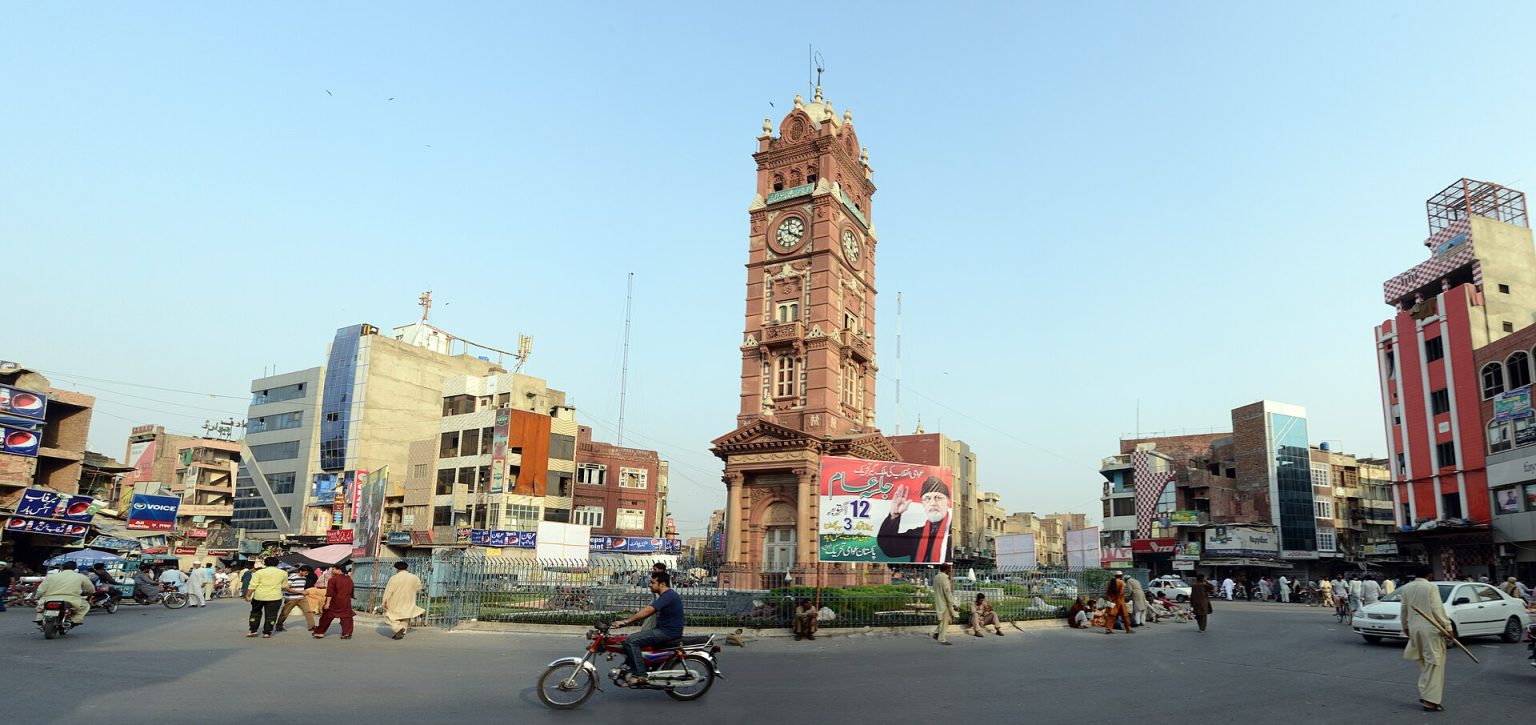
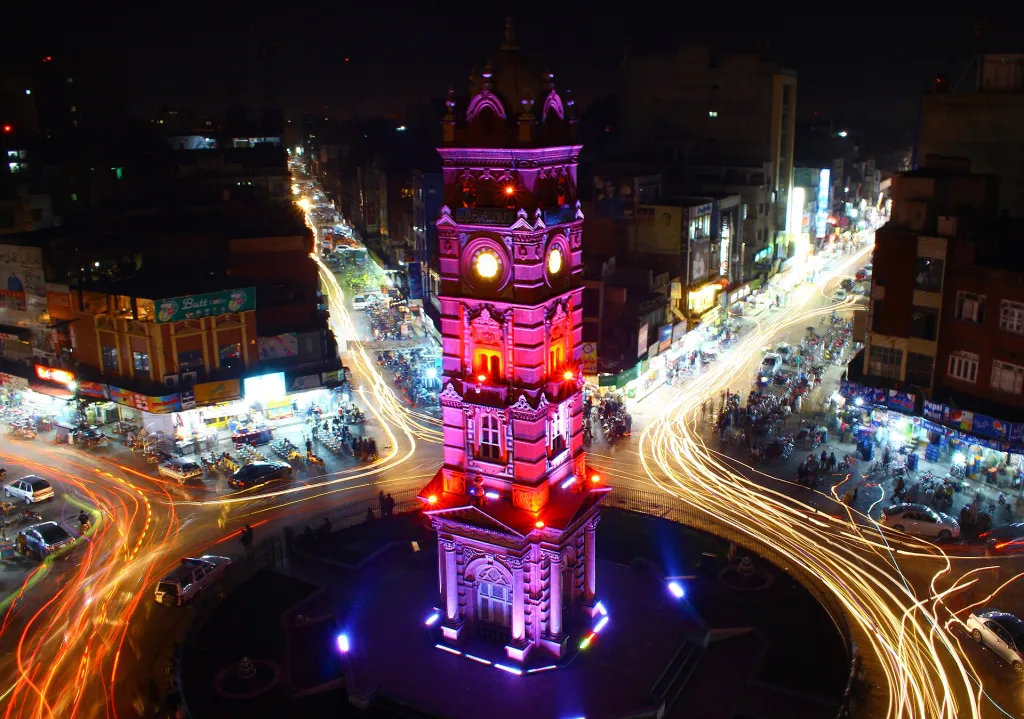
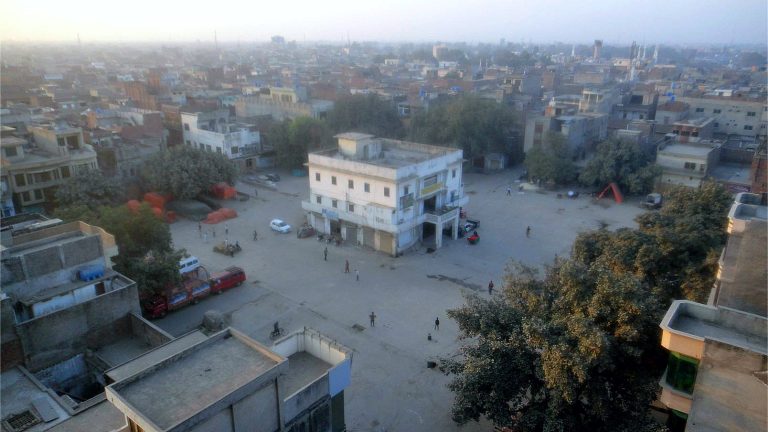
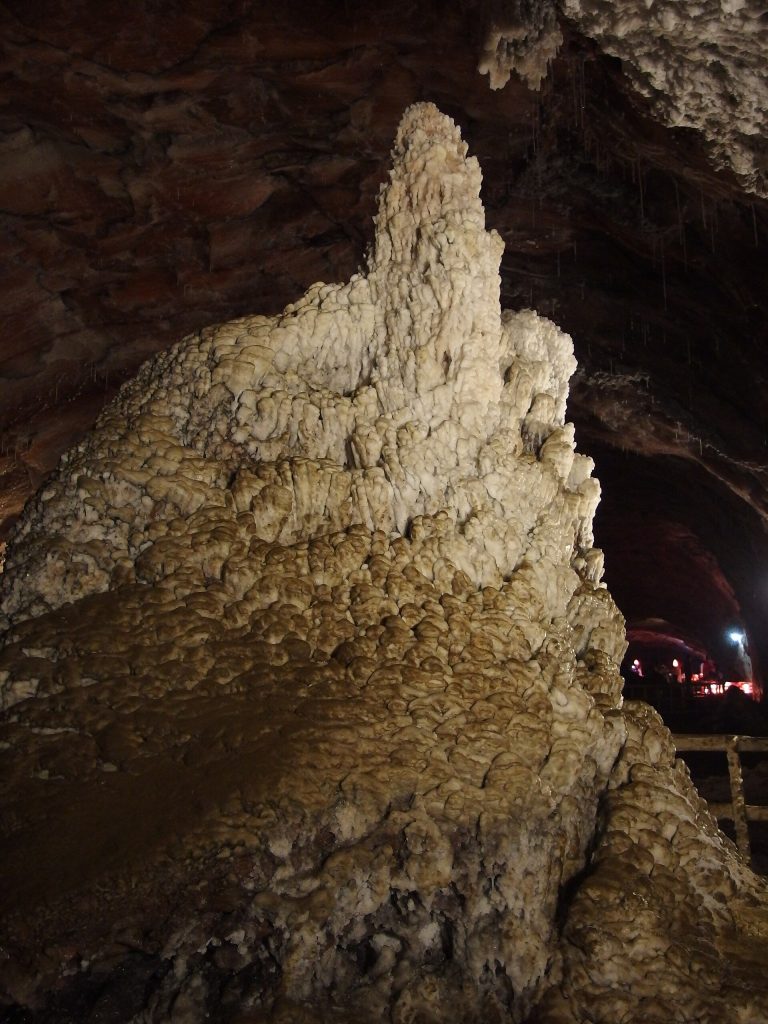
Geography shapes the map. Karachi, with the country's main ports, is the largest industrial city; Lahore, Faisalabad, Gujranwala and Sialkot form a manufacturing belt across central Punjab; and Khyber Pakhtunkhwa, Balochistan and the Salt Range supply much of the minerals. This guide walks through the main sectors and the cities behind them.
A note on the numbers: the Pakistan Bureau of Statistics publishes the monthly LSM index and trade data, while the Economic Survey, released each June, usually covers only July–March of the fiscal year (1 July–30 June). Provisional figures are revised later, so always check the period you are quoting.