
Heritage Travel
Bahawalpur Travel Guide: Noor Mahal, Derawar Fort, Cholistan and Local Food
The old princely capital on the edge of the Cholistan Desert, with its Nawabi palaces, desert forts and a national park nearby.
Quick Answer: Why Visit Bahawalpur?
Bahawalpur is a city in southern Punjab, on the edge of the Cholistan Desert. Founded in 1748 by Nawab Bahawal Khan I of the Daudpotra family, it was the capital of a princely state that the Abbasi Nawabs ruled until 1955, and it acceded to Pakistan in October 1947. That history left the city with a set of palaces, a zoo, a university founded in 1925 and a cluster of historic buildings that most travellers skip on the way between Lahore, Multan and Sindh.
The three main reasons to visit are the Nawabi palaces, especially Noor Mahal, the desert forts of Cholistan including Derawar, and the Lal Suhanra National Park about 35 km east of the city. It is a good stop on a heritage route, and our heritage route through Punjab and Sindh shows how to fit it between other cities.
Plan around the heat. Bahawalpur has a dry, semi-arid climate with about 289 mm of rain a year and an average annual temperature of 25.7 C, so summer afternoons are very hot. Winter, from roughly November to February, is the more comfortable time to visit, and desert trips are generally easier then.
A Short History of the City of Palaces
Bahawalpur was the seat of the Abbasi Nawabs, who built a number of European-influenced buildings in the late nineteenth and early twentieth centuries. Noor Mahal was completed in 1875, and Queen Victoria's Golden Jubilee was celebrated there in 1887. The Darbar Mahal dates from around 1905, and Sadiq Garh Palace was built between 1882 and 1891, according to reporting by the Associated Press of Pakistan. The Bahawalpur Zoo, established in 1942, covers 25 acres and is described as the fourth largest in Pakistan.
The city's position at the edge of Cholistan also shaped its crafts. Many handicrafts of the region are made using the desert's materials and traditions, and cotton is one of the area's main crops. For wider craft context see our craft trails of Pakistan guide. Population figures differ slightly between sources, with Wikipedia giving 815,202 for the Metropolitan Corporation and 903,795 for the city from the 2023 census, so treat any figure as approximate.
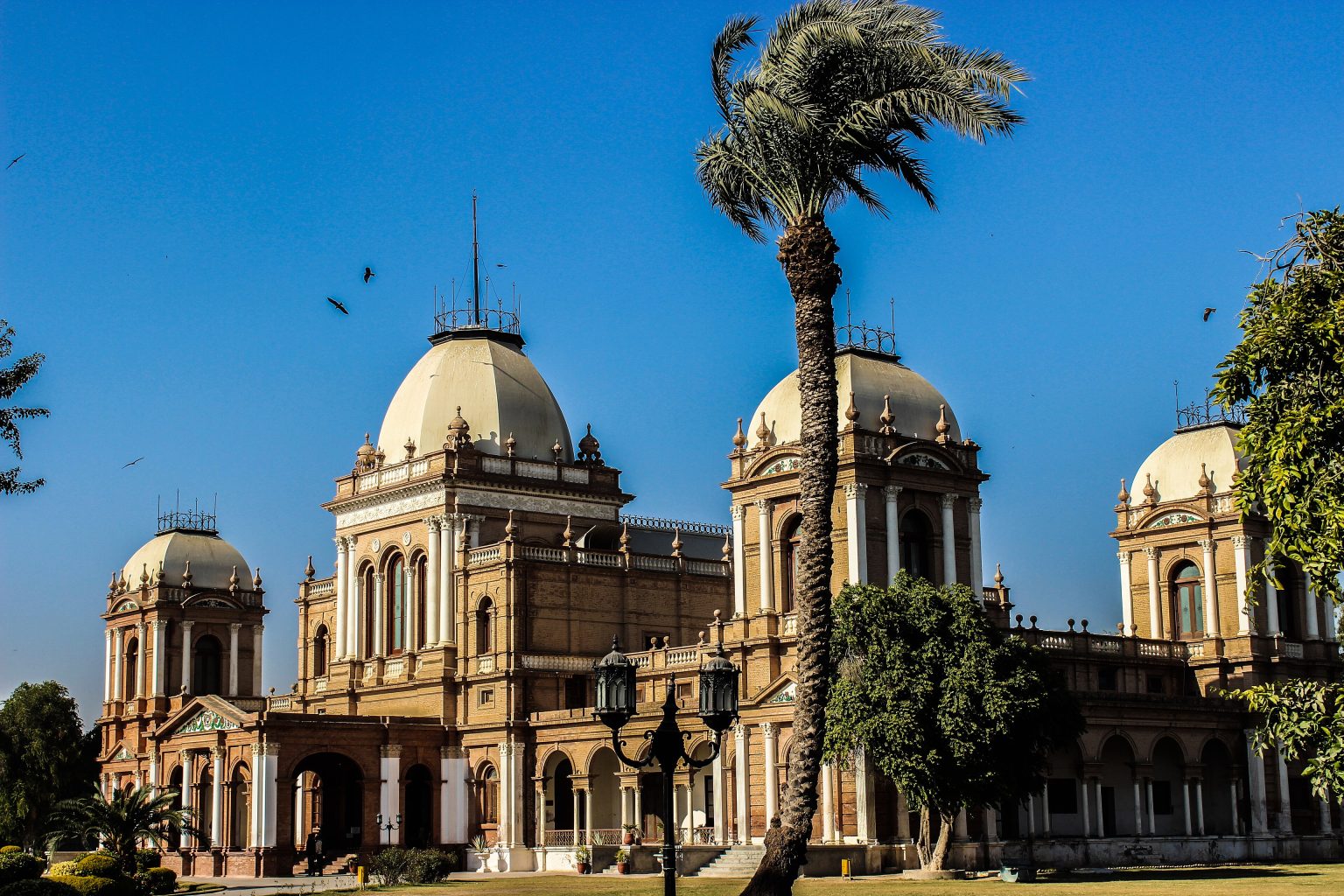
Noor Mahal and the Bahawalpur Palaces
Noor Mahal. Construction began in 1872 and finished in 1875. Wikipedia names the architect as Mr Heennan, an Englishman who was state engineer, and gives the original cost as Rs 1.2 million. The building is described as an Italian chateau on neoclassical lines, with Corinthian and Islamic elements. It is owned by the Ministry of Defence and managed through the Army Secretariat, and the same source says the site is open to visitors, school groups and other interested people. We could not find an official ticket price or opening hours, so check locally before you go, and bring your CNIC or passport in case of security checks. See our Noor Mahal and Bahawalpur palaces page for more detail.
Darbar Mahal. Built around 1905, it was used by the rulers for petitions and ceremonies. It currently houses offices and the armed forces, so public access is limited.
Sadiq Garh Palace. Part of the Bahawalpur area's palace heritage, built between 1882 and 1891 on a grander scale than some of the other palaces. The AP report gives no visiting details, and we could not verify access, so ask locally before planning a visit.
Photography around military-owned property can be restricted. Read our photography rules and ask staff before you take pictures.
Derawar Fort and the Cholistan Desert
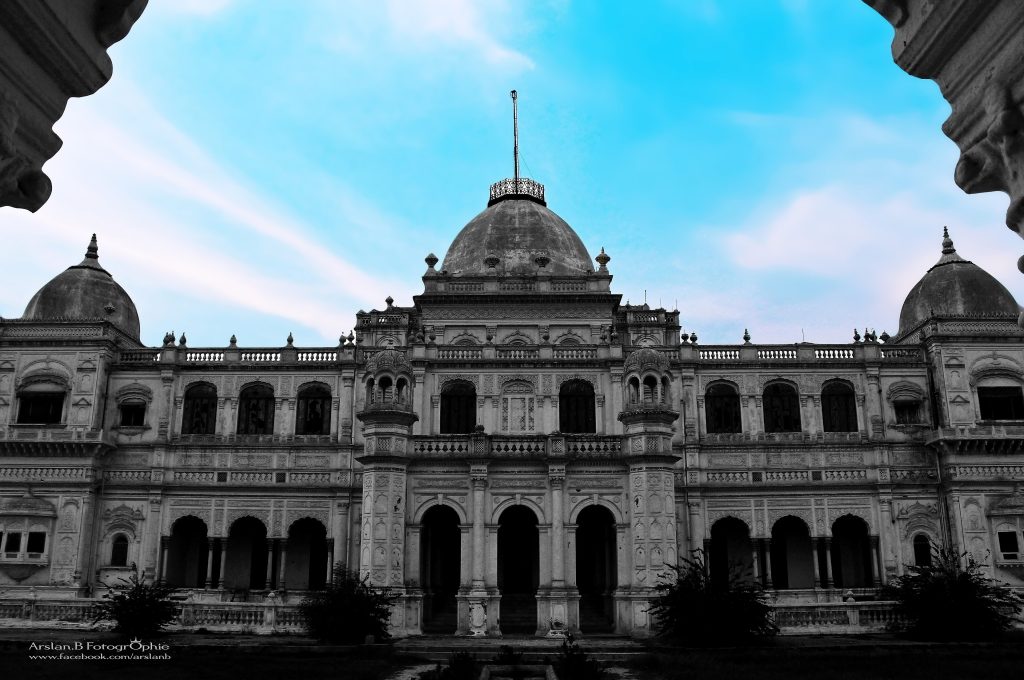
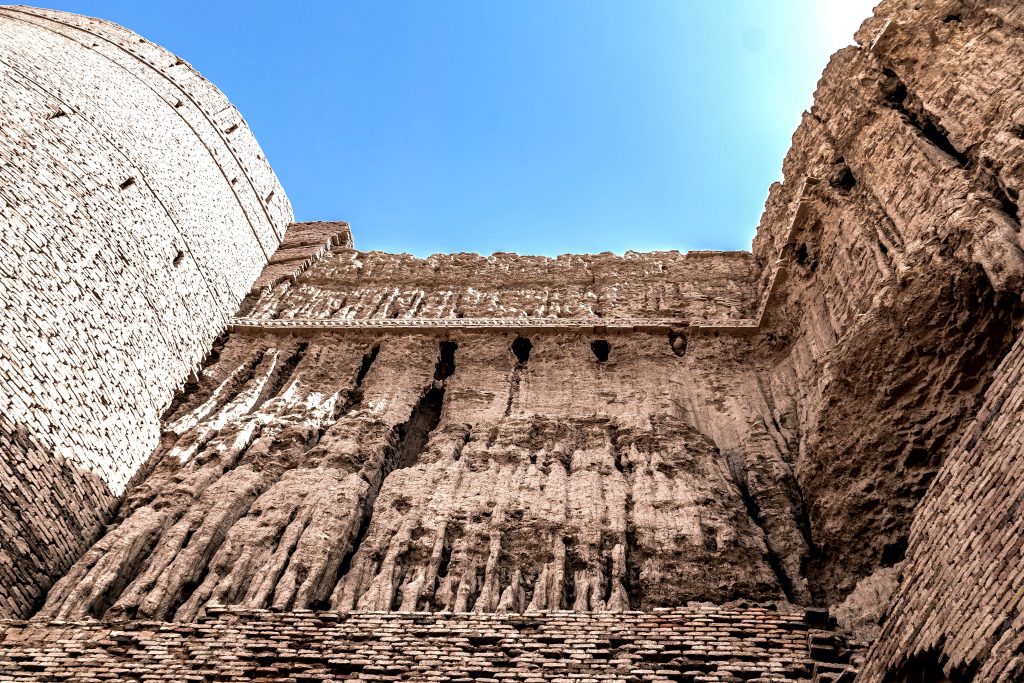
Derawar Fort stands in the Cholistan Desert in Yazman tehsil of Bahawalpur District, about 20 km south of Ahmedpur East. The walls are square, built of clay brick, about 1,500 m in total length and up to 30 m high, with forty round bastions, ten on each side. Wikipedia says the fort was founded in 858 under Rai Jajja Bhati and was renovated in its present form in 1732 by Nawab Sadeq Muhammad, while the UNESCO tentative list entry dates it to the ninth century. Next to it is the white Abbasi Mosque, built for the Nawab's religious adviser.
Visiting needs planning. Wikipedia describes the journey as a three to four hour four-wheel-drive trip with local guides, and says the fort is private land still held by the family of the Bahawalpur rulers, so entry requires special permission. Pakistan submitted "Derawar and the Desert Forts of Cholistan" for the UNESCO tentative list in 2016. The fort's interior is described as deteriorating, so look but do not climb on fragile walls or take anything away.
Derawar is part of a chain of forts across the desert, including Mojgarh, Islamgarh and Marot, many of them ruined and hard to reach. Our Derawar Fort guide and Cholistan Desert guide give more detail. The annual Cholistan Desert Jeep Rally is promoted by Punjab tourism officials. The 19th edition in February 2024 covered a route of about 500 km, with over 150 racing enthusiasts from Pakistan and abroad, according to Arab News.
More background is on our pages for Derawar Fort and the Cholistan Desert.
Lal Suhanra National Park and Uch Sharif
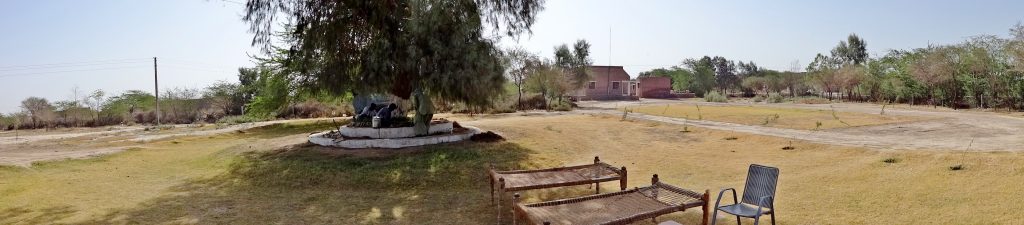
Lal Suhanra National Park lies about 35 km east of Bahawalpur and is described as a UNESCO Biosphere Reserve. It is a semi-desert landscape and a good option if you want a short nature trip rather than a full desert expedition. Read our Lal Suhanra National Park guide before you go, and check whether entry fees or permits apply.
Uch Sharif, outside the city, was a regional centre from the twelfth to the seventeenth centuries and is known for its Sufi shrines. It fits well with our Sufi shrine trail, and Multan is the other main stop on that route. See also the historic streets of Multan.
Main Sights at a Glance
Details come from reference sources. Check access before travelling.
| Place | What it is | Planning note |
|---|---|---|
| Noor Mahal | Palace, completed 1875 | Army-managed, open to visitors. Check hours locally |
| Darbar Mahal | Palace, around 1905 | Houses offices and armed forces, so limited access |
| Sadiq Garh Palace | Palace, built 1882 to 1891 | Visiting details not verified |
| Bahawalpur Zoo | Established 1942, 25 acres | Check opening times |
| Derawar Fort | Desert fort in Cholistan | Four-wheel drive and permission needed |
| Lal Suhanra National Park | National park and biosphere reserve, about 35 km east | Short trip from the city |
| Uch Sharif | Sufi shrines, twelfth to seventeenth centuries | Combine with a Multan visit |
Getting There and Getting Around
Bahawalpur is on the road and rail routes in southern Punjab, between Multan and the Sindh border. Many travellers combine it with Multan, Uch Sharif and Lahore. Check airline schedules and Pakistan Railways for the current services, as we could not verify timetables from an official page. Our trains in Pakistan and motorways and highways guides explain how to plan the journey.
Within the city, rickshaws, taxis and ride-hailing cars are the easiest way to move between the palaces. For desert trips, hire a four-wheel-drive vehicle with a local driver who knows the tracks, because mobile coverage can be patchy and tracks shift with the sand.
Official travel advice for Punjab from the UK FCDO currently lists all but essential travel only for Dera Ghazi Khan, and Bahawalpur is not named. Conditions still change, so check the latest advice. Our safety tips for travellers page has general precautions.
Bahawalpur lies south of Multan, so many visitors combine the two: read our guide to the historic streets of Multan and the Multan city page first. For routes and trains see trains in Pakistan and motorways and highways of Pakistan.
Planning a Two Day Trip: A Step by Step Outline
- Pick a cool-season date between roughly November and February, when desert trips are comfortable.
- Book accommodation in the city in advance. We do not have verified hotel names or prices, so use current listings and reviews.
- Day one, in the city: visit Noor Mahal early, then other palaces from the outside where access is limited, then spend the afternoon on markets and food.
- Arrange the desert day early. Ask a local tour operator or the Tourism Development Corporation of Punjab about Derawar access and permissions well before you travel.
- Day two, Cholistan or Lal Suhanra: leave at dawn, carry water, food and sun protection, and return before dark.
- Keep spare time in case of heat, vehicle trouble or a permission delay.
What to Eat in Bahawalpur
The cooking is broadly Punjabi, and local food lists include sajji, nihari, haleem, karahi, dahi bhallay and chaat, along with sweets such as rabri, kheer and halwa. One travel site lists many of these as typical of the city, though it does not tie most of them specifically to Bahawalpur, so treat them as a guide rather than a set menu. Ask your hotel or local hosts which kebab houses and sweet shops are currently popular.
Street food is part of the pleasure but needs care. Choose busy stalls with fresh turnover, and avoid raw salads and ice if you have a sensitive stomach. Our food and water safety guide and Pakistani street food page give more advice. Mango is one of the fruits the district exports, so summer visitors may see fresh mangoes. See mangoes of Pakistan.
If you are travelling on towards Sindh, our guide to Sindhi food and the Hyderabad city guide are a natural next read, and the Sialkot and Faisalabad guide covers two more Punjab cities.
Tips, Risks and Common Problems
Heat. Summer temperatures are very high. Plan outdoor visits for early morning and late afternoon and carry plenty of water.
Desert travel. Do not enter Cholistan alone or in a car without four-wheel drive. Tell someone your route and expected return time.
Permissions. Derawar is private land and access needs permission. Do not turn up without arranging it. Our restricted areas and permits page explains the wider picture.
Conservation. The interior of Derawar Fort is deteriorating, partly from damage by visitors. Leave no graffiti and take no souvenirs.
Unclear sources. Many blogs give different construction dates for the same building. We have used the dates given by reference sources and noted where they differ.
Before You Plan Derawar: Permission and Access
Derawar Fort is private land still held by the family of the former Bahawalpur rulers, and Wikipedia says entry requires special permission. The journey is a three to four hour four-wheel-drive trip with local guides. Arrange permission and transport before you travel, and do not rely on a single blog post for access details, because arrangements can change.
Official Sources and Where to Get Help
For tourism information, the Tourism Development Corporation of Punjab and the Punjab Tourism department are the main official bodies, and the district administration can help with local permissions. For Noor Mahal, enquire through the Army Secretariat or on site. For safety, check the UK FCDO and US State Department advisories for Pakistan.
Our visiting Pakistan official information page lists wider resources, and the districts of Punjab guide places Bahawalpur on the map.
Checked October 2026. Palace access, Derawar permissions and rally dates can change at short notice, so confirm locally before travelling.
Frequently Asked Questions
When was Bahawalpur founded?
Bahawalpur was founded in 1748 by Nawab Bahawal Khan I of the Daudpotra family. It was the capital of the princely state until 1955.
When was Noor Mahal built?
Construction began in 1872 and the palace was completed in 1875, in an Italian-influenced neoclassical style.
Can tourists visit Noor Mahal?
Wikipedia says the site is open to general visitors and student trips. It is owned by the Ministry of Defence, so check access and hours locally before going.
How do I visit Derawar Fort?
It lies in the Cholistan Desert and needs a three to four hour four-wheel-drive trip with local guides. The fort is private land, so entry requires special permission.
How big is Derawar Fort?
The walls are about 1,500 m long and up to 30 m high, with forty round bastions, ten on each side.
What is Lal Suhanra?
Lal Suhanra is a national park about 35 km east of Bahawalpur, described as a UNESCO Biosphere Reserve.
What is the best time to visit Bahawalpur?
Roughly November to February, when it is cooler. Summers are very hot in this dry, semi-arid area.
What is the Cholistan Desert Jeep Rally?
It is an annual desert race. The 19th edition in February 2024 covered a route of about 500 km and drew over 150 racers from Pakistan and abroad, according to Arab News.
Is Noor Mahal open to the public?
Noor Mahal is owned by the Pakistan Army and is described as open to visitors, but we could not find official opening hours or ticket prices. Check locally before you go and carry your CNIC or passport.
How we know this
- Type Practical guide
- Sources 7 (1 official/academic)
- Reviewed October 2026
- Disputed points None
Rules and fees change, confirm with the official links below before you act.
7 sources
- Bahawalpur, Wikipedia (used to locate primary sources)
- Noor Mahal, Wikipedia (used to locate primary sources)
- Derawar Fort, Wikipedia (used to locate primary sources)
- City Tours, Department of Tourism, Islamia University of Bahawalpur
- Bahawalpur: Where the Sands preserve a kingdom of palaces and forts, Associated Press of Pakistan
- International drivers from Saudi Arabia, Iran, US, rev up for Pakistan Cholistan Desert Rally, Arab News
- Pakistan travel advice, Foreign, Commonwealth and Development Office, UK Government
