
Travel in Balochistan
Quetta Travel Guide: Hanna Lake, Hazarganji, Markets, Food and Practical Tips
The high-altitude capital of Balochistan, its lakes, orchards, bazaars and sajji, and what the official advisories say.
Quick Answer: What Is Quetta Like for Visitors?
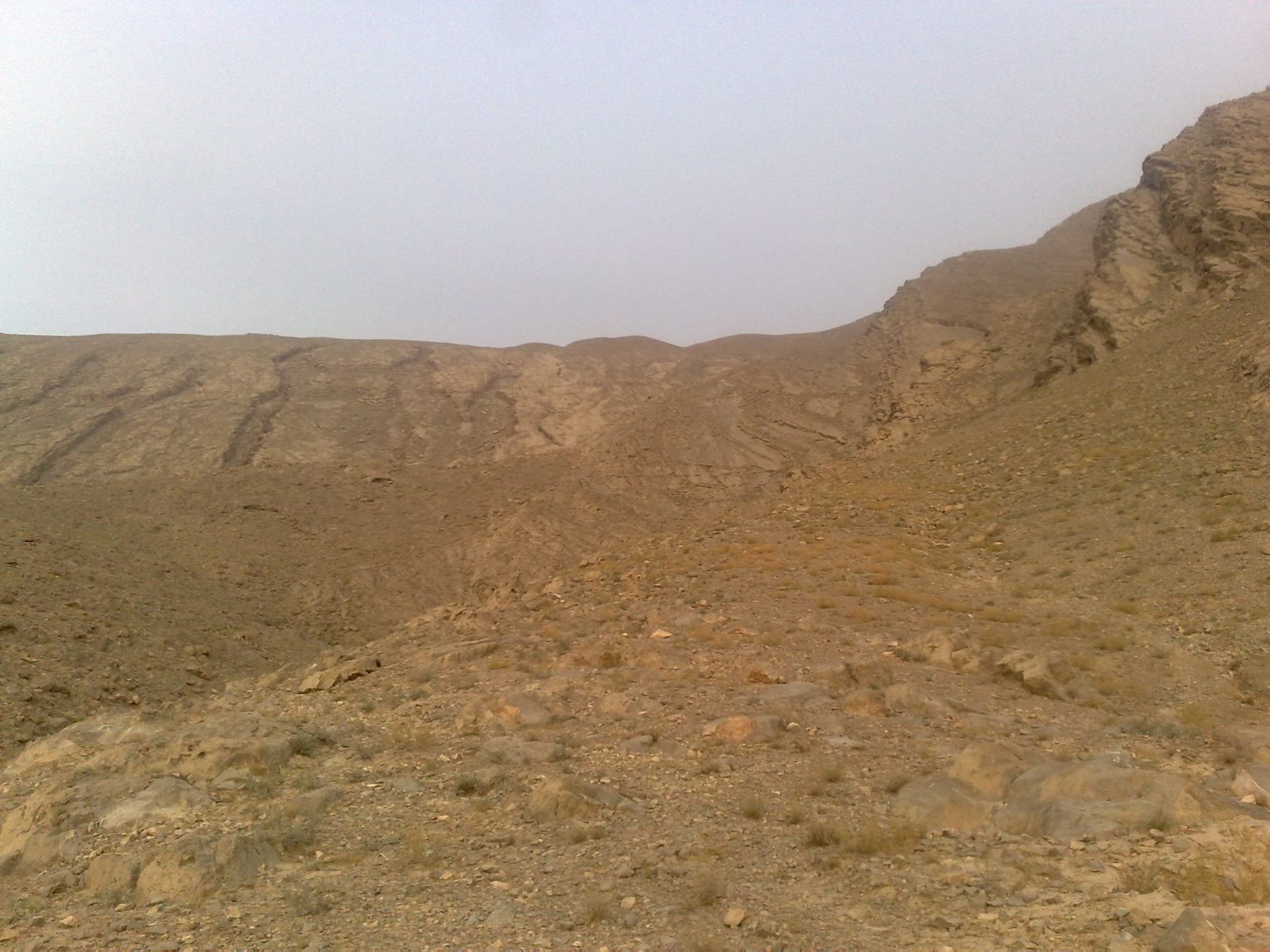
Quetta is the capital of Balochistan and, at an average elevation of about 1,680 m, Pakistan's highest-altitude major city. It sits in a valley surrounded by bare mountains, with orchards in the nearby valleys, cold winters and relatively cool summers. It is known for Hanna Lake, the Hazarganji Chiltan National Park, fruit orchards, busy bazaars and a food culture built around sajji and strong milky tea.
Before planning a trip, read the official advice. The UK Foreign, Commonwealth and Development Office (FCDO) advises against all travel to Balochistan Province, and warns that your travel insurance could be invalidated if you go against that advice. The US State Department also tells Americans not to travel to Balochistan. This guide describes the city and what it offers, but it does not recommend travel against official advice.
The city has a long history as a trade and communication link with Kandahar, across the Afghan border, and sits near the Bolan Pass, a historic gateway from Central Asia to South Asia.
Related reading: the Gwadar travel guide, sajji, the Balochistan roast, dry fruits and nuts of Pakistan and Murree in winter.
Security Advisory: What the Governments Say
The FCDO page for Pakistan (last updated 27 October 2026, and still current when checked on 30 October 2026) says "FCDO advises against all travel to Balochistan Province", and Quetta is in that province. The US State Department page we could access says "Do not travel to Balochistan province" and names Quetta among the places where attacks have occurred, though the page we read carries a 2018 issue date, so check its latest version.
If you live in Pakistan or have family in Quetta, you will have local knowledge that outsiders lack. Even so, check current conditions, avoid crowded gatherings where possible, follow guidance from local authorities, and keep relatives informed of your movements. Our safety tips for travellers and restricted areas and permits guides explain general precautions and permits across Pakistan.
A Short History of Quetta
Quetta has long been a stop on trade routes between Afghanistan and the plains of the Indus. Its position near the Bolan Pass made it strategically important for centuries, and under British rule it became a major military and administrative centre.
The 1935 Quetta earthquake nearly destroyed the city. It was rebuilt under British supervision with revised town planning and building rules, which is why much of the central city has a more regular layout than older towns in the region. Today Quetta is the largest city in Balochistan and the ninth largest in Pakistan, with 1,565,546 residents in the 2023 census. The city is also home to the Pakistan Command and Staff College. To place Quetta within the province, see our districts of Balochistan guide and the Quetta city page.
Places to See In and Around Quetta
Quetta's best-known sights are outside the city centre, in the surrounding valleys.
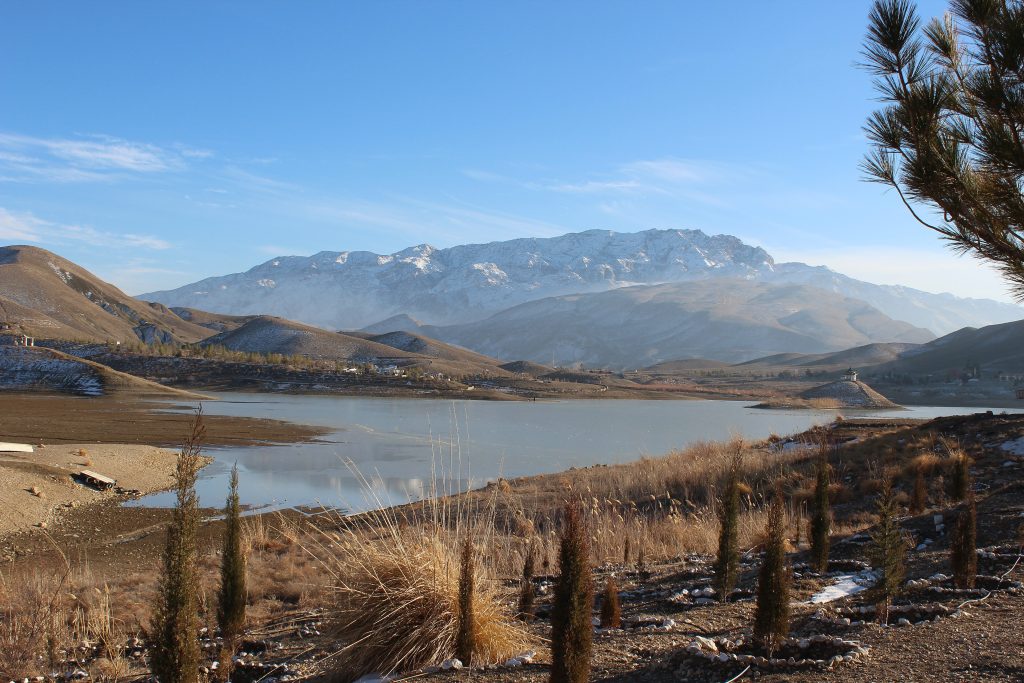
- Hanna Lake: about 17 km east of the city in the Urak Valley. It was built in 1894 in the British period as a water reservoir. Wikipedia reports that the lake was fully dry from August 2016 and that local desilting in February 2019 raised water levels, so conditions vary and you should check before you go. The Hayat Durrani Water Sports Academy at the lake offers rowing, canoeing, kayaking and sailing to young people.
- Urak Valley: a green valley of orchards, with apples, peaches and pomegranates described in travel writing. It starts near Hanna Lake.
- Hazarganji Chiltan National Park: about 20 km south-west of Quetta, in Mastung District. It was established in 1980 and protects the Chiltan ibex and Sulaiman markhor, among other wildlife. Wikipedia gives conflicting figures for its area, so check the Balochistan Wildlife Department for current visitor rules.
- Pishin Valley: roughly 50 km from Quetta, with orchards and the man-made Bund Khushdil Khan, according to a travel guide published in 2020.
- Ziarat: a hill town known for its juniper forests, about 125 km from Quetta according to the same guide. See our Ziarat guide for details.
Bazaars and Shopping
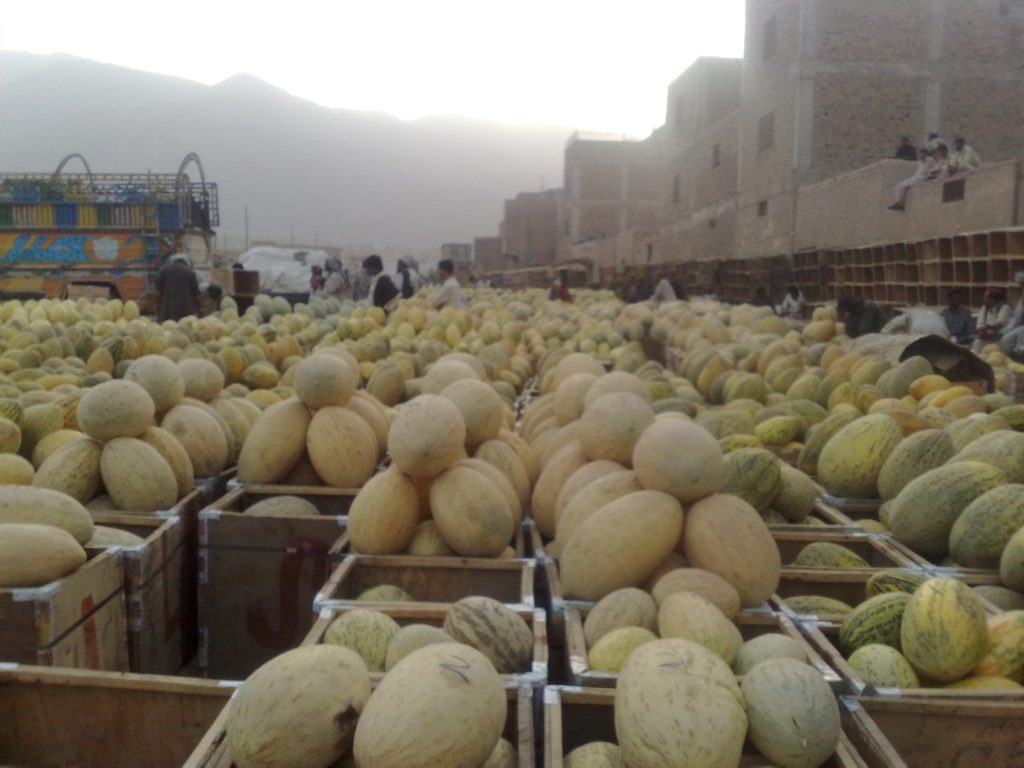
Quetta's main bazaars include Liaquat Bazaar, Suraj Gang Bazaar and Kandahari Bazaar. A 2020 travel guide links Kandahari Bazaar in particular with Baloch mirrorwork embroidery, though stock and prices vary. Bargaining is normal in bazaars, but not in fixed-price shops.
Shopping is a good way to see everyday Quetta, but it also means crowds. Go in daylight, keep valuables close and consider going with a local friend or guide. Prices at tourist-facing stalls are often higher than in neighbourhood shops, so compare a few before you buy. Our shopping and souvenirs guide and the textiles and clothing by region page explain what to look for and how to bargain politely.
What to Eat in Quetta
Sajji is the dish most people associate with Balochistan. Traditionally it is lamb marinated only in salt and a few spices, cooked slowly and served with rice cooked inside the animal. In Balochistan it is traditionally eaten with kaak bread, while in Karachi, Islamabad and Lahore chicken often replaces lamb and rice is served alongside. Food writers describe the traditional version as cooked to a rare stage, so ask how your portion is cooked if you prefer well done meat.
Quetta tea is milky and cardamom-heavy. A 2024 Global Voices article notes that Quetta-style tea stalls have spread across Pakistani cities, run largely by Pashtun men who migrated from Balochistan. In Quetta itself, a cup of tea in the evening is a good way to relax after the bazaars.
We could not verify specific restaurant names and prices from an official source for this guide, so ask your hotel or local hosts for current recommendations. For general food hygiene, read our food and water safety guide, and for other regional dishes see regional cuisines and food customs.
Climate and When to Go
Quetta's altitude gives it a very different climate from the Punjab and Sindh plains.
| Season | What to expect | Planning note |
|---|---|---|
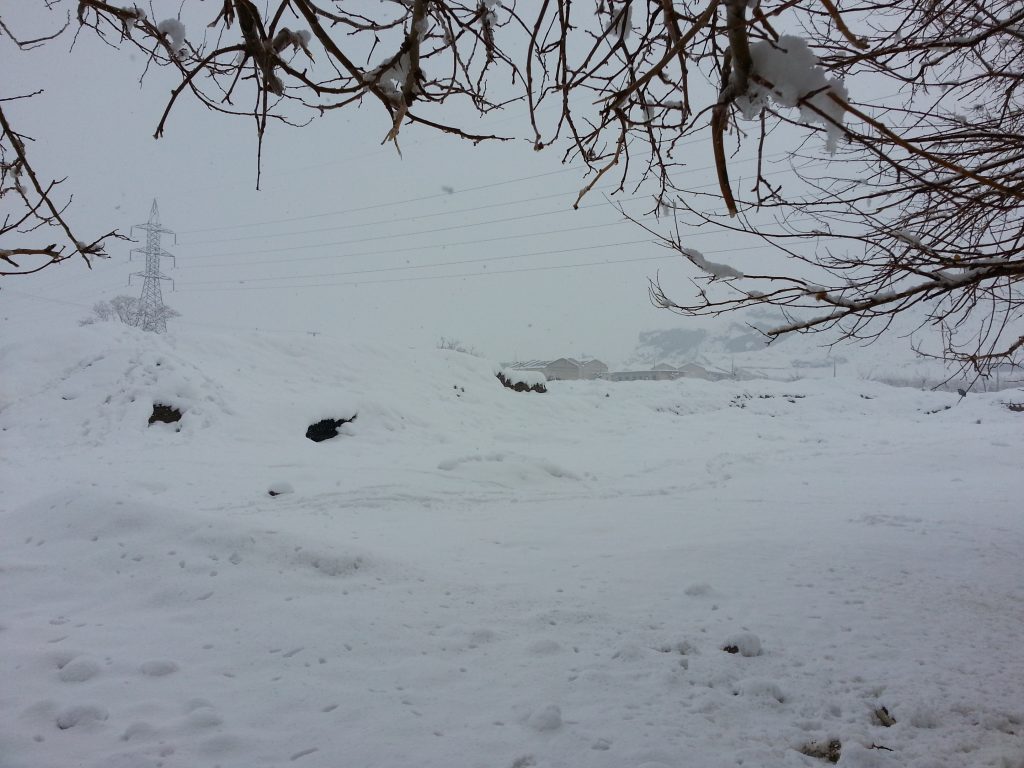
| Winter | Average around 4 to 5 C. The record low is minus 18.3 C, set in January 1970 | Pack heavy layers. Snow is irregular. The heaviest fall in a decade was 25.4 cm in 10 hours on 2 February 2008 |
| Summer | Late May to early September, with averages around 24 to 26 C | Pleasant compared with the plains. The record high is 42 C |
| Best time | A 2020 travel guide suggests March to November | Check the forecast, as mountain weather changes quickly |
How to Get to Quetta
By air. Quetta International Airport is at about 1,605 m, the second-highest airport in Pakistan. PIA has flown to Quetta from Islamabad, Gwadar, Karachi, Lahore and Peshawar, according to Wikipedia. Schedules change, so check the airlines directly. See our flights and airports guide.
By rail. Quetta Railway Station, at 1,676 m, is one of the highest in Pakistan. Rail lines run to Karachi (863 km), Lahore (1,170 km) and Peshawar (1,587 km). Services and security arrangements change, so check Pakistan Railways. Our trains in Pakistan guide covers booking and classes.
By road. Long bus and road journeys pass through areas where the advisories are especially strict. Do not travel at night, and check current road and security conditions.
Train services in Balochistan have been suspended and restored on security grounds before, according to press reports, so confirm with Pakistan Railways that a service is running before you plan around it. Fares and timetables are not quoted here because they change.
Planning a Trip: A Step by Step Checklist
- Check the advisories. Read your government's advice and your insurer's terms.
- Check permits. Some visitors, especially foreign nationals, may need registration or approvals for certain areas. See permits and registration, then confirm with the authorities.
- Choose your season. Book winter clothing and heating for the cold months, or sun protection for summer days.
- Book a hotel in advance and ask the hotel about safe transport, rather than arranging rides from strangers.
- Keep documents ready. Carry original identity documents for checkpoints.
- Plan short days. Do not stay out late, and keep your plans flexible.
Practical Tips, Risks and Common Problems
Altitude and cold. At 1,680 m, most visitors feel little altitude effect, but cold nights can surprise people who arrive from the plains. Pack warm layers even outside winter.
Dress and behaviour. Quetta is conservative. Modest clothing is expected for men and women, and you should ask before photographing people. See etiquette for visitors and women travellers in Pakistan.
Languages. The population is mixed, including Pashtun, Baloch and Hazara communities, according to the Global Voices article. Urdu is widely understood.
Outdated information. Many online guides date from before 2020. Hanna Lake's water level, opening times and entry rules change, so confirm before you travel.
A sensible day. Many visitors spend a morning in the Urak Valley and at Hanna Lake, which are closer to the city, then return for lunch and an afternoon in the bazaars before dark. Longer trips such as Ziarat are better as a separate day or an overnight stay, because the distance is about 125 km each way according to a 2020 guide, and mountain roads can be slow in winter.
Health. Cold dry air can bring colds and sore throats. Bring any regular medication, because supplies in smaller towns may be limited, and drink plenty of water even when it is cool.
Money. Carry enough cash for bazaars and small restaurants. See the Pakistani rupee and money guide.
Official Sources and Where to Get Help
For safety, use the FCDO and US State Department advisories and the Balochistan government's announcements. For wildlife areas, the Balochistan Wildlife Department governs Hazarganji Chiltan National Park. For flights and trains, use the airlines and Pakistan Railways. If you are a foreign national, register with your embassy before travelling and share your plans with someone you trust.
For wider planning, our visiting Pakistan official information page lists government resources.
Safety wording is from the UK FCDO and US State Department pages in our sources. Altitude, snowfall and rail distances are from Wikipedia and should be treated as background figures.
Frequently Asked Questions
How high is Quetta above sea level?
Quetta has an average elevation of about 1,680 m, which makes it Pakistan's highest-altitude major city.
Is Quetta safe for tourists?
The UK FCDO advises against all travel to Balochistan Province, which includes Quetta, and the US State Department also advises against travel to the province. Check current advice and your insurance before planning.
Does it snow in Quetta?
Snowfall in winter is irregular. The heaviest in a decade came on 2 February 2008, when 25.4 cm fell in 10 hours, and the lowest recorded temperature is minus 18.3 C.
How far is Hanna Lake from Quetta?
Hanna Lake is about 17 km east of Quetta in the Urak Valley. It was built in 1894 and its water level has varied, including a fully dry period from August 2016.
What is Hazarganji Chiltan National Park known for?
It lies about 20 km south-west of Quetta and was established in 1980. It protects wildlife including the Chiltan ibex and Sulaiman markhor.
What is sajji?
Sajji is a dish from Balochistan made from lamb or chicken, marinated simply and slow cooked. It is served with rice, and traditionally with kaak bread in Balochistan.
How do I get to Quetta?
You can fly to Quetta International Airport or take the train to Quetta Railway Station. Check airline and railway schedules and security advice before you travel.
What is the best time to visit Quetta?
A 2020 travel guide suggests March to November. Winters are cold, with averages around 4 to 5 C, while summers are mild at around 24 to 26 C.
How we know this
- Type Practical guide
- Sources 6 (1 official/academic)
- Reviewed October 2026
- Disputed points None
Rules and fees change, confirm with the official links below before you act.
6 sources
- https://www.gov.uk/foreign-travel-advice/pakistan/warnings-and-insurance, UK Foreign, Commonwealth and Development Office
- https://travel.state.gov/content/travel/en/traveladvisories/traveladvisories/pakistan-travel-advisory.html, U.S. Department of State
- https://en.wikipedia.org/wiki/Quetta, Wikipedia (used to locate primary sources)
- https://en.wikipedia.org/wiki/Hanna_Lake, Wikipedia (used to locate primary sources)
- https://en.wikipedia.org/wiki/Hazarganji-Chiltan_National_Park, Wikipedia (used to locate primary sources)
- https://globalvoices.org/2024/06/09/quetta-tea-yes-please/, Global Voices
