
Culture
Regional Cuisines and Food Customs: How Pakistan Eats Together
From Baloch sajji and Pashtun sobat to Sindhi sai bhaji, Punjabi breakfasts and Hunza khamali bread: a map of regional kitchens and the customs of sharing, hosting and festive eating.
- Seven regional cuisines
- Hospitality is part of the menu
- Dishes vary by season and community
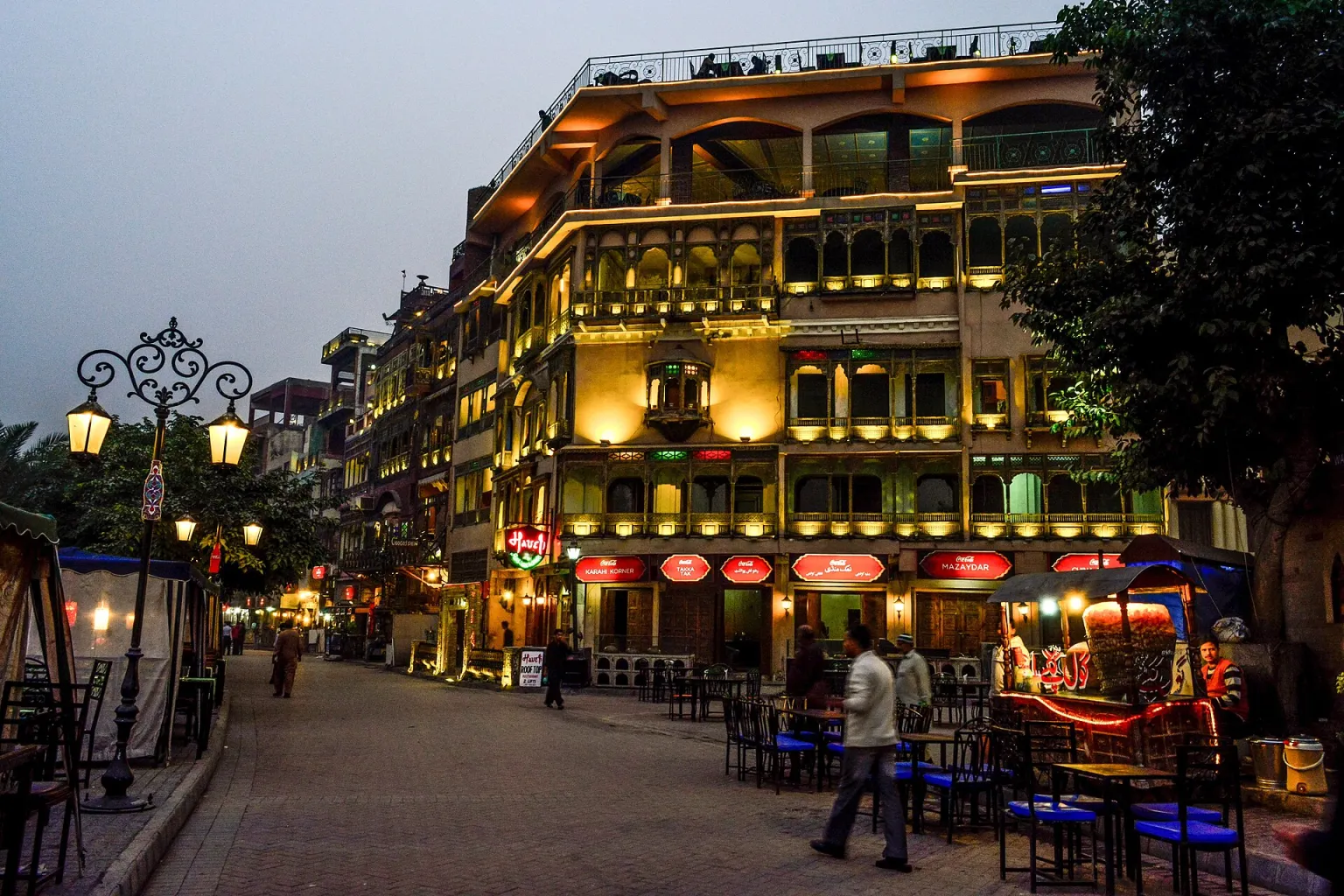
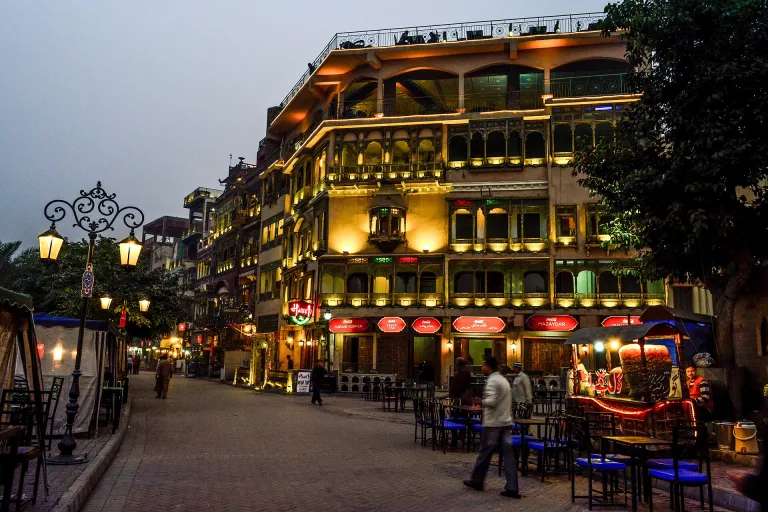
Fort Road Food Street, Lahore
One Country, Many Kitchens
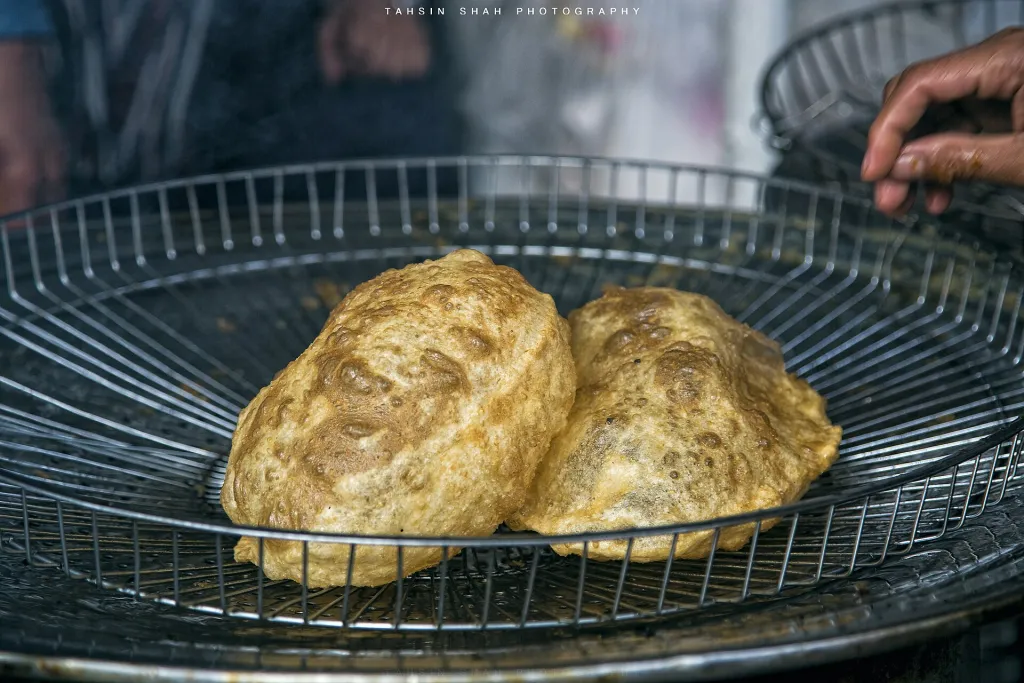
There is no single 'Pakistani food', and the people who cook it would be the first to say so. A mutton roast cooked beside an open fire in Balochistan, a bowl of sai bhaji and rice in Sindh, a copper platter of wazwan in Kashmir, a plate of mantu in Gilgit, a heap of sobat in Dera Ismail Khan and a breakfast of halwa puri in Lahore sit on very different tables. What they share is a way of eating: from a common dish, with bread to scoop, tea to follow, and a host who urges one more helping.
This guide is a map of those regional kitchens and the customs around them. It links to our full pages on Punjabi, Sindhi, Pashtun, Balochi, Saraiki, Kashmiri and Gilgit-Baltistani cuisine, and complements the city-focused street food guide and the chai culture page.
A caution for readers. Regional food is shaped by landscape and history, not by one community alone; Dawn's account of Lahore's Gawalmandi food street shows how families arriving from Amritsar after Partition, wrestling families and Kashmiri families each brought dishes that are now simply 'Lahori'. Within a single region, households differ by income, sect, season and taste. The pages below describe widely documented dishes and customs, not rules.
Regional Kitchens at a Glance
 PunjabWheat bread, dairy and slow-cooked meat dominate. Winter brings sarson ka saag with makai roti; mornings bring halwa puri; Lahore's food streets, such as Gawalmandi and Fort Road, show how migration shaped the city's tastes. Multan's sohan halwa is among the most famous sweets, made in several south Punjab towns.
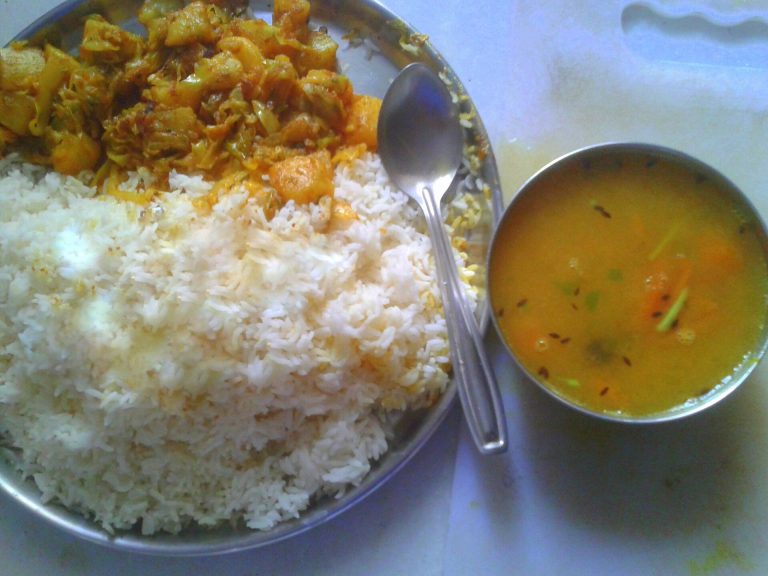
 SindhAn everyday Sindhi plate pairs a gravy dish and a dry dish with phulka and rice, plus curd or pickle. Specialities include sai bhaji, Sindhi biryani, kadhi and the prized pallo (hilsa) fish, whose roe is a delicacy. Mitho lolo, a sweet flatbread, is offered after illness and on religious occasions.
 Khyber Pakhtunkhwa and Pashtun beltMeat is cooked with little more than salt, as in namkeen gosht; chapli kebab, whose name comes from the Pashto word for flat, is associated with Takht Bhai in Mardan and Peshawar. Sobat, also called painda, is bread soaked in meat broth and eaten from one shared dish as an expression of melmastia, Pashtun hospitality.
 BalochistanSajji, a whole meat roast cooked beside an open fire, is the best-known dish; the cooking is done over wood fires. On the Makran coast, Gwadari halwa has several varieties, including banoor, made with sesame, and dahrmaan, whose Balochi name means medicine.
 Saraiki beltSohan halwa is the signature sweet, with Multan's version the most famous and others from Dera Ghazi Khan, Uch Sharif, Mailsi, Bahawalpur and Makhdoom Aali. Dawn records two origin stories, one naming a milk seller called Sohan Ram and one linking the name to trade with Iran.
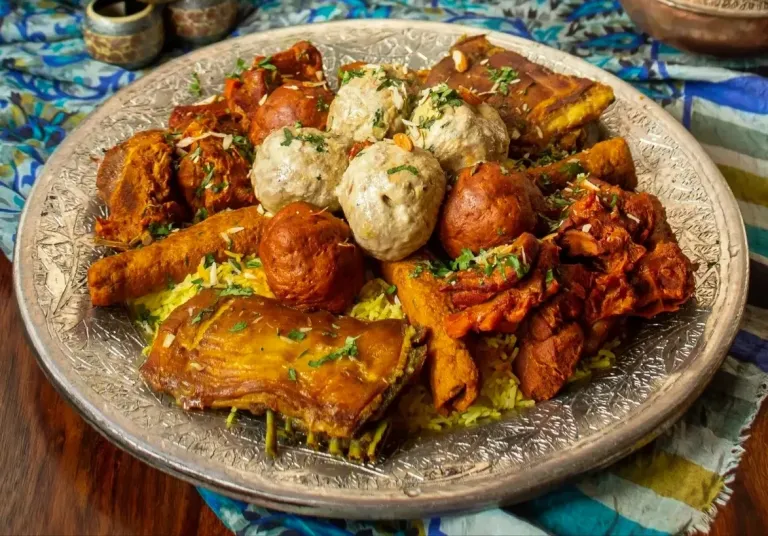 Azad Jammu and KashmirWazwan, a multicourse feast of mutton dishes served on a copper trami, is central to Kashmiri weddings. Al Jazeera reports that it is traditionally said to have arrived from Central Asia in the 14th century and that it has grown from seven mutton dishes to around twenty. Kashmir is disputed territory; AJK is administered by Pakistan.
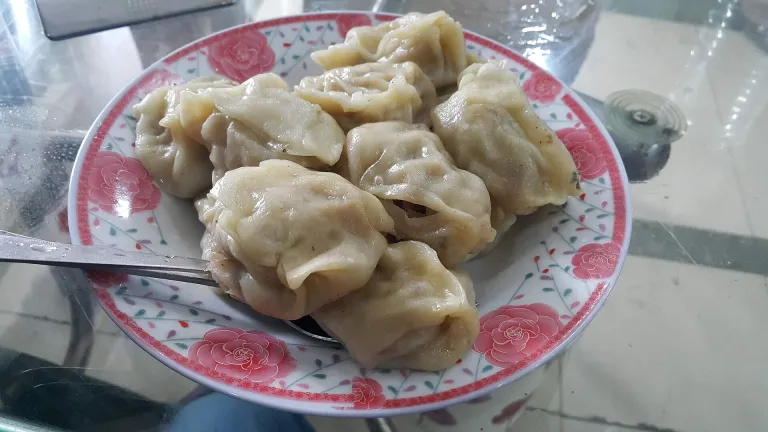 Gilgit-Baltistan and ChitralRice does not grow at Hunza's altitude, so wheat breads such as phitti, baked overnight in embers, and the thin khamali are staples. Dried apricots, apricot kernel oil, buckwheat, walnuts and preserved butter and cheese carry people through winter. Mantu dumplings are widely eaten in Gilgit.
 Karachi and the coastKarachi's food reflects its population: biryani, nihari and haleem are associated with the city's Muhajir culture, Wikipedia notes, alongside Sindhi, Balochi, Pashtun and Gujarati kitchens.
Festive and Occasion Foods
| Occasion | What is eaten | Where it is described |
|---|---|---|
| Eid ul-Fitr | Sweet vermicelli (seviyan), milk-based kheer and, in Sindh, a date-and-milk dish called kheer kharkun | Sindh Tourism Development Corporation |
| Eid ul-Adha | Meat from the sacrifice shared with family, neighbours and people in need | Our Eid ul-Adha guide |
| Weddings | Wazwan in Kashmir; large pots of biryani and sweets elsewhere | Al Jazeera; regional cuisine pages |
| Winter | Sarson ka saag with makai roti in Punjab | Our Punjabi cuisine page |
| Diwali (Sindhi Hindus) | Chiti-Kuni, a dish of seven vegetables | Sindh Tourism Development Corporation |
| Religious occasions | Mitho lolo, a sweet cardamom flatbread given to the poor, in Sindh | Sindh Tourism Development Corporation |
Ramadan eating habits are described in our Ramadan guide. Menus differ by family and community; these are examples, not a calendar.
Eating Well and Respectfully
- Meat is central to many celebratory meals, but vegetarian dishes such as daal, sai bhaji, saag and Sindhi bhee (lotus root) are everywhere; see our halal, vegetarian and special diets guide.
- Pork is not eaten by Muslims, and halal rules apply in most restaurants.
- If you are invited to a home, bring sweets, fruit or flowers rather than alcohol.
- Spice levels differ by region, family and dish; ask your host or cook if you prefer something mild.
- Food and water safety advice for visitors is covered in our food and water safety guide.
- Street food, dhabas and food streets are where regional dishes are easiest to try; see our street food guide for cities.

Frequently Asked Questions
What is the national dish of Pakistan?
Pakistan does not have one officially recognised dish. Biryani, nihari, karahi and kebabs are widely loved, but each region has its own signature foods, such as sajji in Balochistan, sai bhaji in Sindh and mantu in Gilgit.
Is all Pakistani food spicy?
No. Many dishes, including namkeen gosht in the Pashtun belt, are cooked with little more than salt, while others are rich in spice. Spice levels vary by region, family and dish.
Why do people eat from one shared dish?
Sharing expresses hospitality and equality. The Friday Times describes how sobat served on one platter in Pashtun households signals respect and sets aside differences of status.
Which hand should I eat with?
Use the right hand to eat, pass food and receive items. The left hand is generally kept for holding the plate or helping to serve.
Where can I try regional dishes?
Food streets such as Gawalmandi and Fort Road in Lahore are well-known places to sample many dishes, according to Dawn; see our regional cuisine pages and street food guide for more, and check hygiene as you would anywhere.
Keep Exploring
Related places and stories on DailyLife.pk
 Pakistani Street FoodPakistani street food city by city: Lahore, Karachi, Peshawar, Quetta and Multan's signature dishes
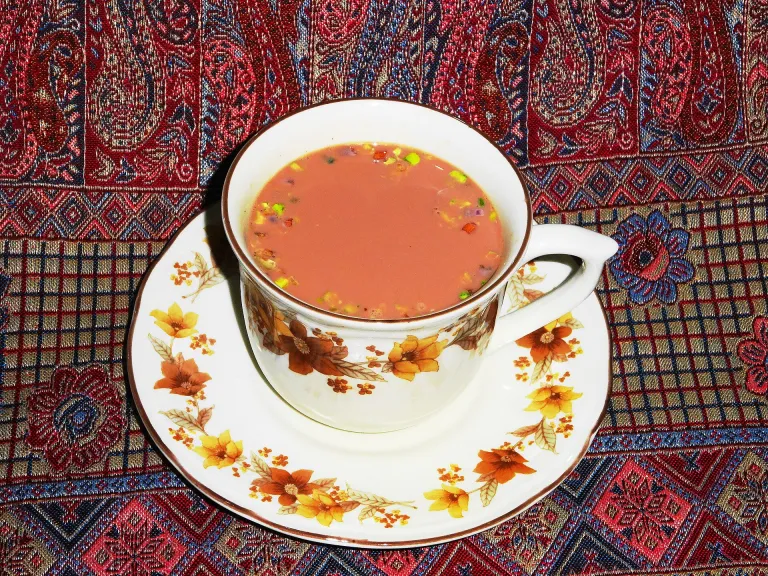
 Chai Culture in PakistanChai in Pakistan: doodh patti, qehwa, Kashmiri pink chai, dhabas and tea houses, regional styles
 Halal, Vegetarian and Special Diets in PakistanHalal, vegetarian, vegan, gluten-free and allergy-friendly eating in Pakistan, the alcohol rules for non-Muslims
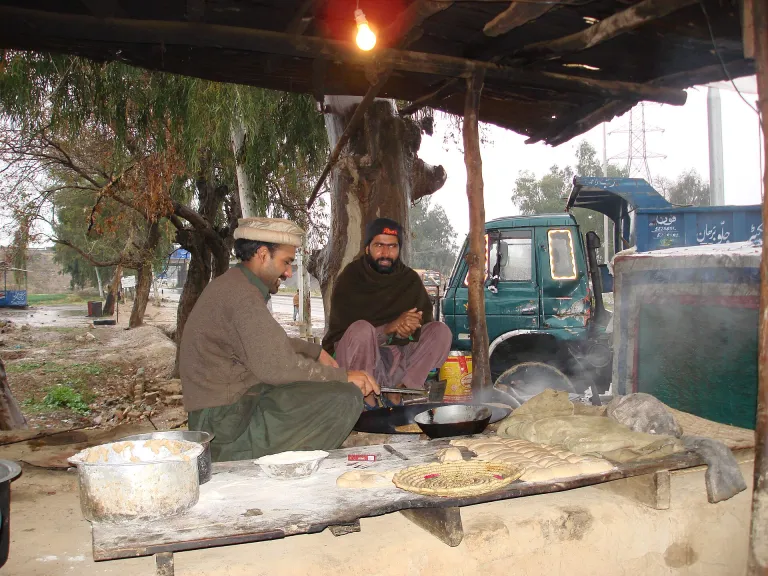 Breads of PakistanA guide to Pakistani breads: roti and chapati, naan, tandoori roti, paratha, puri, sheermal, taftan, kulcha
 Peoples of PakistanA guide to the main ethnolinguistic communities of Pakistan, from Punjabis and Pashtuns to Burusho
 Eid-ul-Adha and QurbaniEid-ul-Adha in Pakistan: qurbani customs and rules, cattle mandis, sharing the meat, Eid dishes
How we know this
- Type Historical & cultural research
- Sources 10
- Reviewed October 2026
- Disputed points None
10 sources
- Gawalmandi food street and Lahore's food culture, Dawn
- Chapli kebab: Peshawar and Mardan, Dawn
- The gift of Gwadar: the fascinating tale of Gwadari halwa, The Friday Times
- Cooking in Hunza, Saudi Aramco World
- Sohan halwa: a gift of the saints' city, Dawn
- Breaking bread, building bonds: D.I. Khan's prized sobat, The Friday Times
- Kashmir's 600-year-old wazwan wedding feast adapts to modern life, Al Jazeera
- Sindhi cuisine, Sindh Tourism Development Corporation
- Pakistani culture: etiquette, Cultural Atlas
- Muhajir people, Wikipedia
Photo credits (11)
- Karachi Beef Biryani.jpg, Miansari66, CC0, via Wikimedia Commons
- Peshawari Chapli Kabab by Chef Nina.jpg, Sholokov, CC BY-SA 4.0, via Wikimedia Commons
- Night View of Lahore Fort Food Street.JPG, Muhammad Ashar, CC BY-SA 3.0, via Wikimedia Commons
- Halwa Puri, a traditional food made in Walled City of Lahore.jpg, Tahsin Shah, CC BY-SA 4.0, via Wikimedia Commons
- Kashmiri Chai.JPG, Miansari66, CC0, via Wikimedia Commons
- Dumplings of Gilgit.jpg, Kskhh, CC BY-SA 4.0, via Wikimedia Commons
- Punjabi Sarsoon Ka Saag.JPG, Miansari66, Public domain, via Wikimedia Commons
- Sajji.JPG, Miansari66, CC0, via Wikimedia Commons
- Sindhi Biryani.JPG, Miansari66, Public domain, via Wikimedia Commons
- Sohan Halwa.JPG, Miansari66, Public domain, via Wikimedia Commons
- Wazwan trami full.jpg, wazwanksa.com, CC BY-SA 4.0, via Wikimedia Commons
