
Heritage
Pakistan on the World Heritage List
Six inscribed cultural properties, from the Indus city of Mohenjo-daro to Rohtas Fort, plus a Tentative List of 37 candidates, with inscription years, criteria and dates as UNESCO records them.
- 6 inscribed properties, all cultural
- 37 entries on the Tentative List (October 2026)
- Inscribed 1980, 1981 and 1997
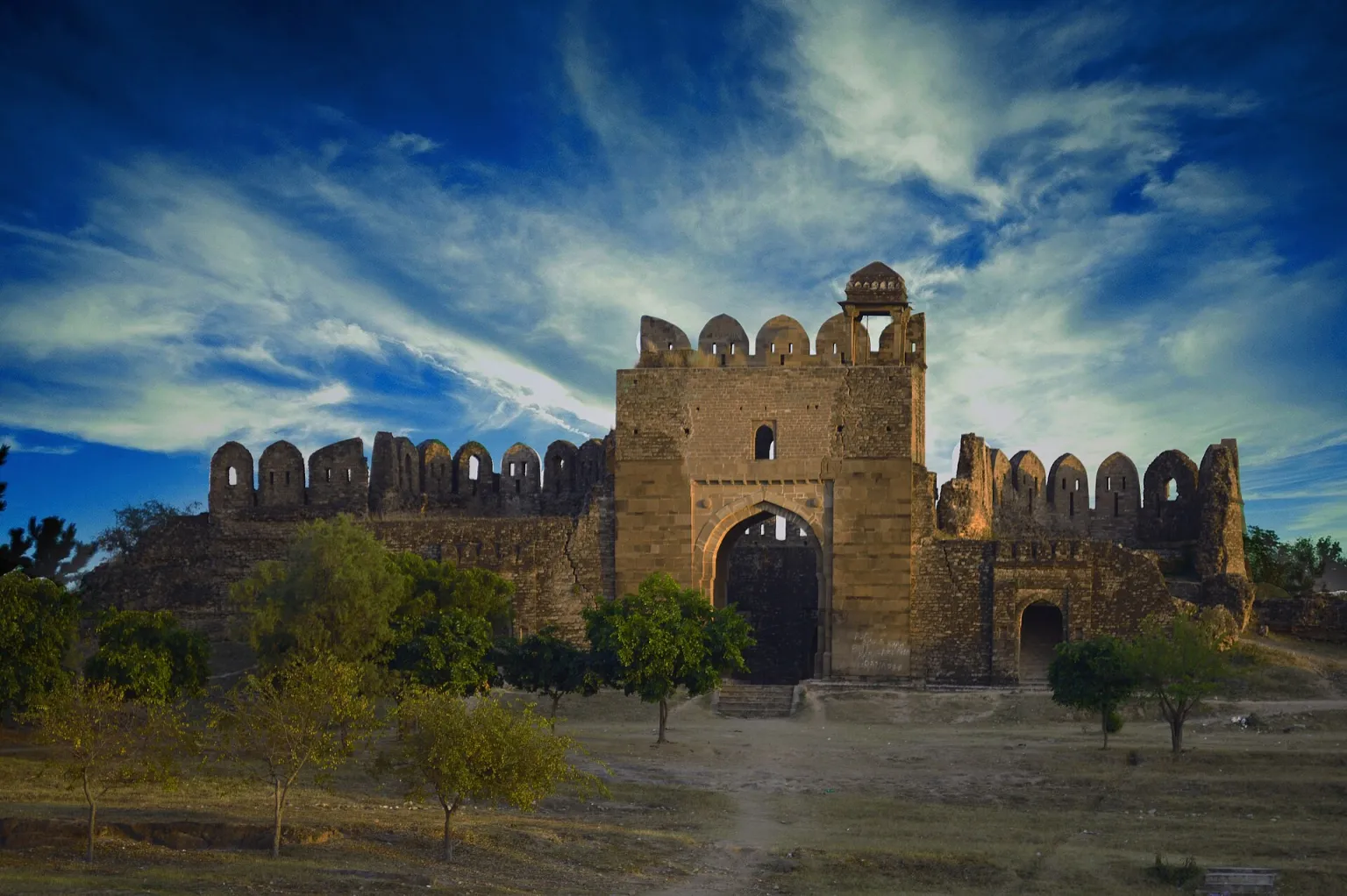
Sohail Gate, Rohtas Fort, Punjab
About Pakistan's World Heritage Sites
UNESCO's World Heritage List currently records six properties in Pakistan, and all six are cultural sites. Together they trace more than four thousand years: a planned Indus city, a Buddhist monastery and a ring of Gandharan cities, two sets of Mughal royal monuments, a necropolis of the Sindh sultanates and a 16th-century fortress. None is a natural or mixed property, although several natural landscapes, among them Deosai National Park and the Central Karakorum National Park, wait on the Tentative List.
Three sites were inscribed in 1980 (Moenjodaro, Taxila, and Takht-i-Bahi with Sahr-i-Bahlol), two in 1981 (the Fort and Shalamar Gardens in Lahore, and the monuments at Makli, Thatta) and one in 1997 (Rohtas Fort). In the years since, Pakistan has built a long reserve list. The State Party page on the UNESCO website showed 37 Tentative List entries in October 2026, including a batch of twelve added during 2026.
Inscription is a recognition of outstanding universal value, not a guarantee of tickets, opening hours or easy access. Some properties are major day trips; others are remote or need local arrangements. Use this page as a reference, then follow the links to each destination page and confirm opening and access locally before you travel.
The six inscribed sites
Year of inscription and criteria as listed by the UNESCO World Heritage Centre.
| Property | Inscribed | Criteria | Where |
|---|---|---|---|
| Archaeological Ruins at Moenjodaro | 1980 | (ii), (iii) | Sindh |
| Taxila | 1980 | (iii), (vi) | Punjab |
| Buddhist Ruins of Takht-i-Bahi and Neighbouring City Remains at Sahr-i-Bahlol | 1980 | (iv) | Mardan area, Khyber Pakhtunkhwa |
| Fort and Shalamar Gardens in Lahore | 1981 | (i), (ii), (iii) | Lahore, Punjab |
| Historical Monuments at Makli, Thatta | 1981 | (iii) | Thatta, Sindh |
| Rohtas Fort | 1997 | (ii), (iv) | Near Jhelum, Punjab |
Source: UNESCO World Heritage Centre property pages and the State Party page for Pakistan, accessed 24 October 2026. Property names follow UNESCO's spelling.
What UNESCO says about each site
A short reading of the justification UNESCO gives for each property.
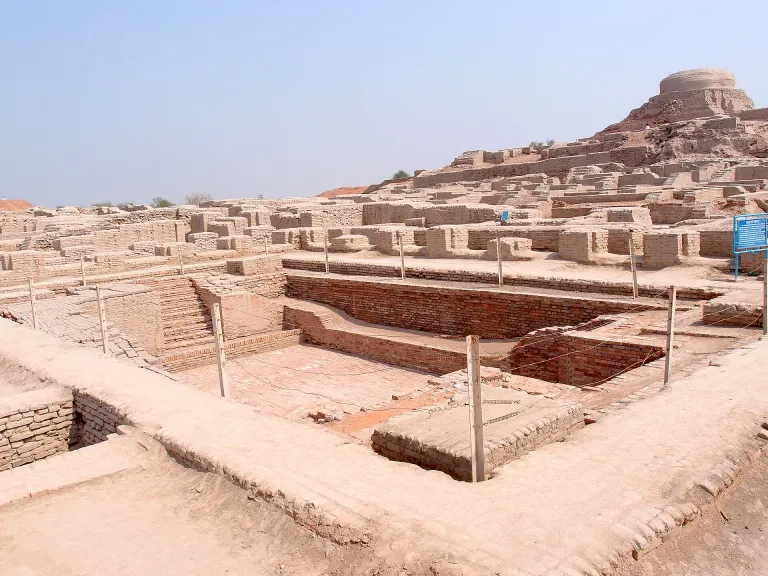 MoenjodaroCriteria (ii) and (iii). UNESCO describes a large city built mostly of unfired brick in the 3rd millennium BCE, with an acropolis, ramparts and a grid-planned lower town, and presents it as the oldest and best-preserved urban ruin of the Indus Valley and an early example of town planning on the subcontinent.
 TaxilaCriteria (iii) and (vi). A serial property whose settlement sites show how urban life developed over more than five centuries, with a Mesolithic cave, Buddhist monasteries and stupas and a medieval mosque. UNESCO links the Bhir mound to Alexander the Great's entry into Taxila in 326 BCE.
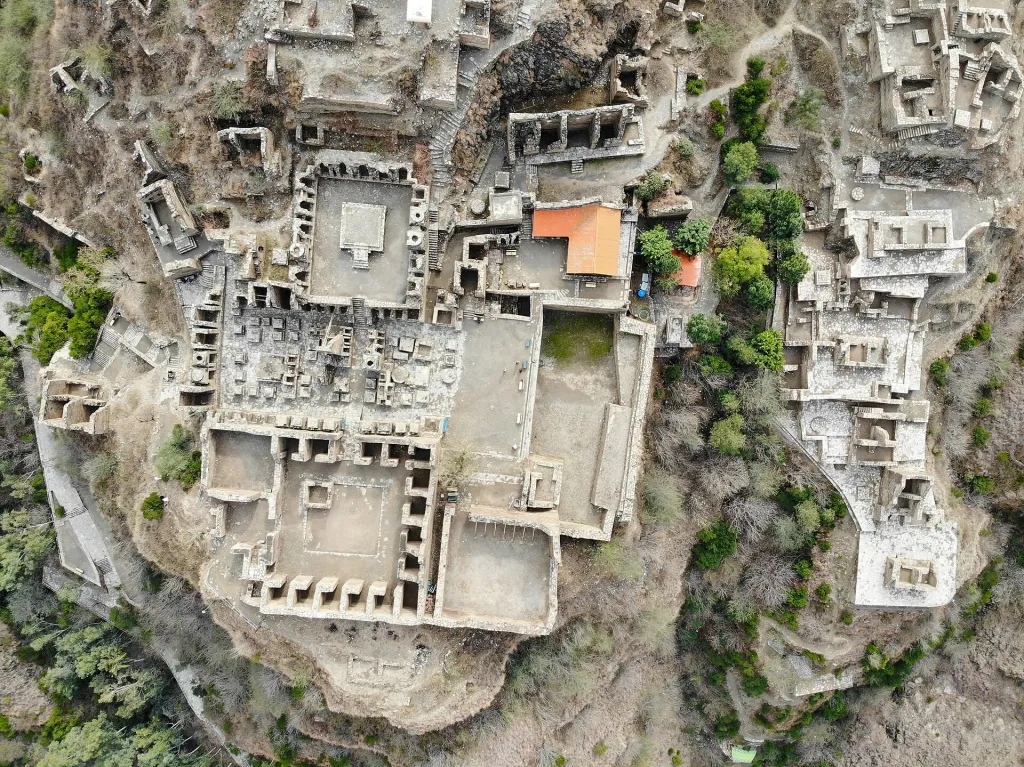
 Takht-i-Bahi and Sahr-i-BahlolCriterion (iv). A hilltop Buddhist monastery in use from the early 1st century CE to the 7th, covering about 33 hectares, with the remains of a small fortified Kushan-period town about 5 km away on the plain.
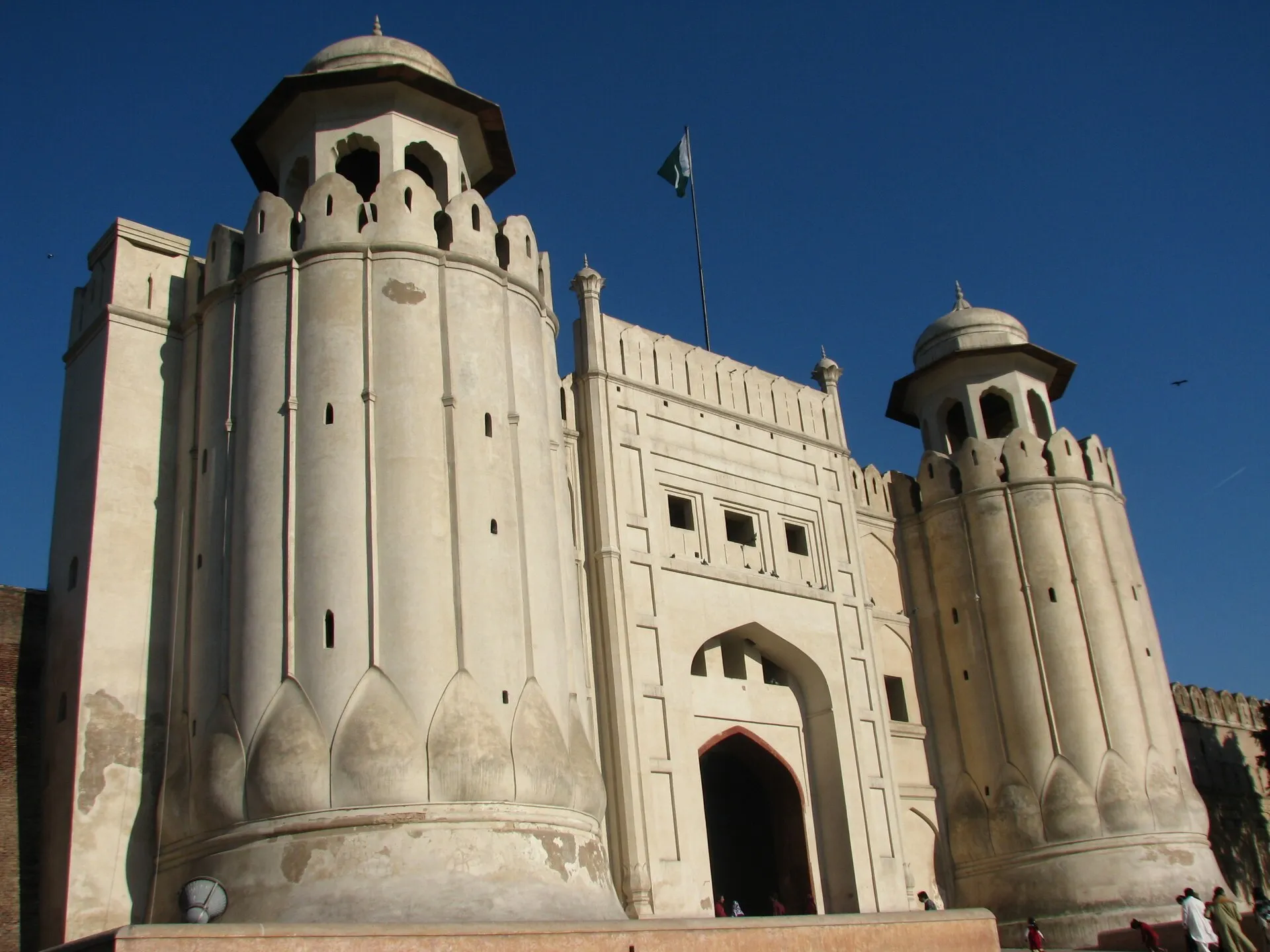
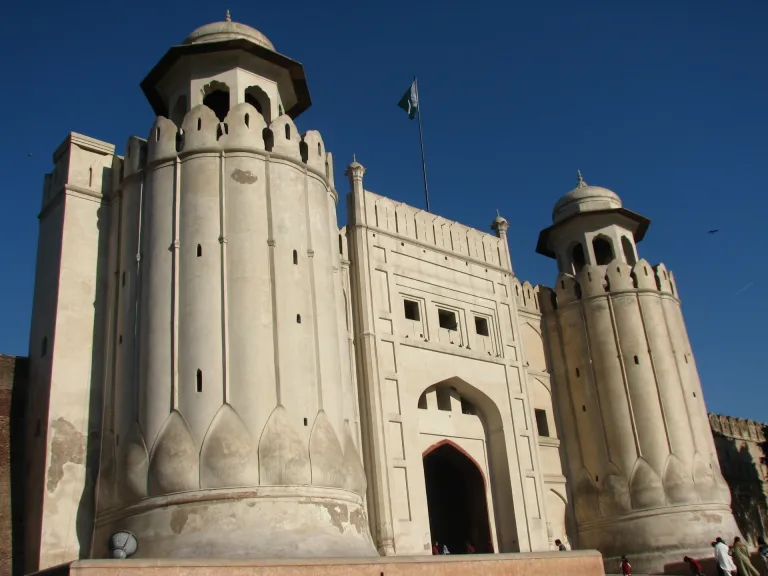 Fort and Shalamar Gardens, LahoreCriteria (i), (ii) and (iii). Two royal Mughal complexes about 7 km apart: the Lahore Fort, with marble palaces and mosques, and the terraced water gardens of Shalamar. UNESCO treats them as a testimony to Mughal civilisation at its height in the 16th and 17th centuries.
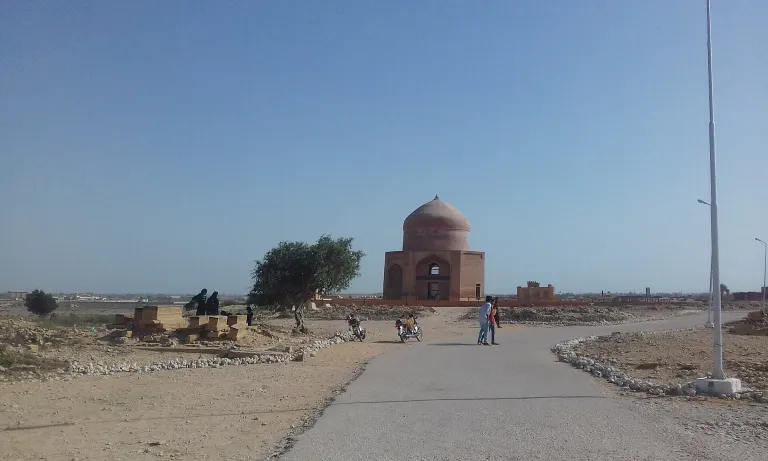 Makli, ThattaCriterion (iii). A necropolis of about 10 square km holding, by UNESCO's account, roughly half a million tombs and graves from the 14th to the 18th centuries, with local, Gujarati and Mughal influences. UNESCO notes threats from climate, a shifting riverbed and vandalism.
 Rohtas FortCriteria (ii) and (iv). Begun by Sher Shah Suri in 1541, the fort has walls more than 4 km long, 68 bastions and 12 monumental gates around a garrison of about 70 hectares. UNESCO says it was never taken by storm and survives largely intact.
How Pakistan's list grew
1980
Three sites inscribed
Moenjodaro, Taxila, and the Buddhist ruins of Takht-i-Bahi with Sahr-i-Bahlol join the World Heritage List.
1981
Lahore and Makli
The Fort and Shalamar Gardens in Lahore and the Historical Monuments at Makli, Thatta, are inscribed.
1993
First Tentative List entries
Seven properties are added, among them the Badshahi Mosque, Wazir Khan's Mosque, the Tomb of Jahangir complex and the Chaukhandi Tombs.
1997
Rohtas Fort
The most recent inscription so far.
2004
Ten more candidates
Entries include Mehrgarh, Harappa, Baltit Fort, Ranigat and the Tomb of Shah Rukn-e-Alam.
2016
Landscapes and forts
Eight entries, including Derawar and the desert forts of Cholistan, Deosai National Park and the Salt Range and Khewra Salt Mine.
2026
Twelve new entries
Added between March and May 2026, including Kalasha Valley, Kot Diji Fort, Bhamala and Bazira-Barikot.
Tentative List: entered 1993
| Property | Place | Date entered |
|---|---|---|
| Badshahi Mosque | Lahore | 1993 |
| Wazir Khan's Mosque | Lahore | 1993 |
| Tombs of Jahangir, Asif Khan and Akbari Sarai | Shahdara, Lahore | 1993 |
| Hiran Minar and Tank | Sheikhupura | 1993 |
| Rani Kot Fort | Dadu, Sindh | 14 December 1993 |
| Shah Jahan Mosque | Thatta, Sindh | 1993 |
| Chaukhandi Tombs | Karachi | 1993 |
Names as given by UNESCO. Only the Rani Kot Fort entry was opened individually; for the others UNESCO's State Party page gives the year.
Tentative List: entered 2004
| Property | Place | Date entered |
|---|---|---|
| Archaeological Site of Mehrgarh | Balochistan | 2004 |
| Archaeological Site of Rehman Dheri | Khyber Pakhtunkhwa | 2004 |
| Archaeological Site of Harappa | Punjab | 2004 |
| Archaeological Site of Ranigat | Buner, Khyber Pakhtunkhwa | 30 January 2004 |
| Shahbazgarhi Rock Edicts | Khyber Pakhtunkhwa | 2004 |
| Mansehra Rock Edicts | Khyber Pakhtunkhwa | 2004 |
| Baltit Fort | Hunza, Gilgit-Baltistan | 30 January 2004 |
| Tomb of Bibi Jawindi, Baha'al-Halim and Ustead and the Tomb and Mosque of Jalaluddin Bukhari | Uch Sharif, Punjab | 30 January 2004 |
| Tomb of Shah Rukn-e-Alam | Multan, Punjab | 30 January 2004 |
| Port of Banbhore | Sindh | 2004 |
Dates are those shown on the individual UNESCO entries where opened; otherwise the year only. Gilgit-Baltistan is administered by Pakistan.
Tentative List: entered 2016
| Property | Place | Date entered |
|---|---|---|
| Derawar and the Desert Forts of Cholistan | Cholistan, Punjab | 12 April 2016 |
| Hingol Cultural Landscape | Balochistan | 2016 |
| Karez System Cultural Landscape | Balochistan | 2016 |
| Nagarparkar Cultural Landscape | Tharparkar, Sindh | 2016 |
| Central Karakorum National Park | Gilgit-Baltistan | 2016 |
| Deosai National Park | Gilgit-Baltistan | 2016 |
| Ziarat Juniper Forest | Balochistan | 2016 |
| The Salt Range and Khewra Salt Mine | Punjab | 12 April 2016 |
Dates as on UNESCO's individual entries where opened; otherwise the year only.
Tentative List: entered 2026
Twelve entries added in 2026. UNESCO's own pages confirm 11 May 2026 for Bhamala and Bazira-Barikot; other dates below follow Pakistani press reports and should be checked against UNESCO.
| Property | Place | Date entered |
|---|---|---|
| Kalasha Valley Cultural Landscape | Chitral, Khyber Pakhtunkhwa | Reported 9 March 2026 |
| Kot Diji Fort | Khairpur, Sindh | Reported 18 March 2026 |
| Naukot Fort | Tharparkar, Sindh | Reported 18 March 2026 |
| Umerkot Fort | Umerkot, Sindh | Reported 18 March 2026 |
| Bhamala Buddhist Complex | Haripur, Khyber Pakhtunkhwa | 11 May 2026 |
| Bazira-Barikot | Swat, Khyber Pakhtunkhwa | 11 May 2026 |
| Archaeological Complex of Gor Khatri | Peshawar, Khyber Pakhtunkhwa | Reported 11 May 2026 |
| Sethi House | Peshawar, Khyber Pakhtunkhwa | Reported 11 May 2026 |
| Pharwala Fort | Near Islamabad | Reported 11 May 2026 |
| Mai Qamro Mosque | Near Pharwala | Reported 11 May 2026 |
| Tomb of Sultan Muqarrab Khan | Near Pharwala | Reported 11 May 2026 |
| Rewat (Rawat) Fort | Near Rawalpindi | Reported 11 May 2026 |
Sources: UNESCO Tentative List entries 7037 (Bhamala) and 7034 (Bazira-Barikot); ProPakistani, 19 August 2026, for the other dates.
Visiting World Heritage Sites
Confirm opening and access
Hours change
Official websites sometimes list different hours for the same site. Check the managing department, such as Federal or provincial archaeology, and local advice before travelling.
Season
Usually October to March
The plains sites are far more comfortable outside summer. Monsoon rain can damage roads and make hill paths slippery.
Advisories
Check before you go
Check current advisories and local authority guidance for the district, especially for remote sites in Khyber Pakhtunkhwa, Balochistan and interior Sindh.
Respect the site
Do not touch or climb
Stay on paths, do not climb walls or stupas, and never buy antiquities offered near a site. Several properties are active places of worship or burial grounds.
Frequently Asked Questions
How many UNESCO World Heritage Sites does Pakistan have?
Six, all cultural: Moenjodaro (1980), Taxila (1980), Takht-i-Bahi and Sahr-i-Bahlol (1980), the Fort and Shalamar Gardens in Lahore (1981), Makli at Thatta (1981) and Rohtas Fort (1997). This is according to the UNESCO World Heritage Centre in October 2026.
Is the Badshahi Mosque a World Heritage Site?
Not on its own. UNESCO inscribed the Fort and Shalamar Gardens in Lahore in 1981. The Badshahi Mosque has been on Pakistan's Tentative List since 1993.
Is Hunza's Baltit Fort a World Heritage Site?
No. It is on the Tentative List, entered on 30 January 2004. Its restoration was recognised with a UNESCO Asia-Pacific heritage award, which is a different programme.
What is the Tentative List?
It is each country's inventory of properties it may nominate for World Heritage status. A property must appear there before a nomination can be made, but being on the list does not mean inscription will follow.
Which sites were added to the Tentative List in 2026?
UNESCO's State Party page shows twelve: Kalasha Valley Cultural Landscape, Kot Diji Fort, Naukot Fort, Umerkot Fort, Bhamala Buddhist Complex, Bazira-Barikot, Gor Khatri, Sethi House, Pharwala Fort, Mai Qamro Mosque, the Tomb of Sultan Muqarrab Khan and Rewat Fort.
Keep Exploring
Related places and stories on DailyLife.pk
 Mohenjo-daroPlan a visit to Mohenjo-daro, Sindh: the Great Bath, citadel stupa, lower town and museumTaxilaVisit Taxila: Dharmarajika stupa, Jaulian monastery, Sirkap and Taxila Museum.Takht-i-BahiVisit Takht-i-Bahi near Mardan: the UNESCO-listed Gandhara monastery, stupa courts, monks' cells, Sahr-i-Bahlol, history, best season
 Lahore Fort and Badshahi MosqueLahore Fort and Badshahi Mosque guide: Sheesh Mahal, Picture Wall, Alamgiri Gate
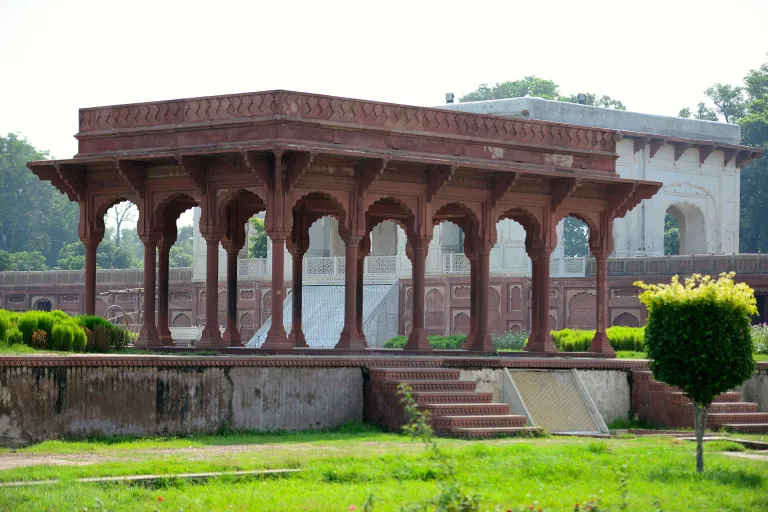 Shalimar Gardens, LahoreVisit the Shalimar Gardens in Lahore: Mughal terraces and cascades, UNESCO listing, history, Mela Chiraghan
 Makli NecropolisVisit Makli Necropolis near Thatta, Sindh: Jam Nizamuddin II
How we know this
- Type Historical & cultural research
- Sources 18 (17 official/academic)
- Reviewed October 2026
- Disputed points None
18 sources
- Pakistan: State Party page, UNESCO World Heritage Centre
- Archaeological Ruins at Moenjodaro, UNESCO World Heritage Centre
- Taxila, UNESCO World Heritage Centre
- Buddhist Ruins of Takht-i-Bahi and Neighbouring City Remains at Sahr-i-Bahlol, UNESCO World Heritage Centre
- Fort and Shalamar Gardens in Lahore, UNESCO World Heritage Centre
- Historical Monuments at Makli, Thatta, UNESCO World Heritage Centre
- Rohtas Fort, UNESCO World Heritage Centre
- Rani Kot Fort, Dadu (Tentative List), UNESCO World Heritage Centre
- Baltit Fort (Tentative List), UNESCO World Heritage Centre
- Archaeological Site of Ranigat (Tentative List), UNESCO World Heritage Centre
- Tomb of Shah Rukn-e-Alam (Tentative List), UNESCO World Heritage Centre
- Tomb of Bibi Jawindi and related monuments, Uch Sharif (Tentative List), UNESCO World Heritage Centre
- Derawar and the Desert Forts of Cholistan (Tentative List), UNESCO World Heritage Centre
- The Salt Range and Khewra Salt Mine (Tentative List), UNESCO World Heritage Centre
- Bhamala Buddhist Complex (Tentative List), UNESCO World Heritage Centre
- Bazira-Barikot (Tentative List), UNESCO World Heritage Centre
- 12 New Pakistani Sites Added to UNESCO World Heritage Tentative List, ProPakistani
- Conservation and development in Gilgit-Baltistan, Aga Khan Development Network
Photo credits (7)
- Sohail Gate - Rohtas Fort by Hassan.jpg, Hassantahir6009, CC BY-SA 4.0, via Wikimedia Commons
- Mohenjo-daro.jpg, Saqib Qayyum, CC BY-SA 3.0, via Wikimedia Commons
- Dharmarajika stupa,Taxila.jpg, Sasha Isachenko, CC BY-SA 3.0, via Wikimedia Commons
- Takht-i-Bahi Buddhist Monastery.jpg, Muzamil Hassain Toori, CC BY-SA 4.0, via Wikimedia Commons
- Alamgiri Gate - Main entrance to Lahore Fort.jpg, S.hassanjawad, CC BY-SA 3.0, via Wikimedia Commons
- Makli Necropolis near Thatta province of sindh pakistan.jpg, Nadirkhanbrahui, CC BY-SA 4.0, via Wikimedia Commons
- Rohtas Fort (Jhelum, Pakistan) - World Heritage Site.jpeg, Hussain Khalid, CC BY-SA 4.0, via Wikimedia Commons
