
Travel destination
Jaulian and Mohra Moradu: Two Monasteries of the Taxila Valley
Two Kushan-period Buddhist monasteries in the hills around Taxila, known for their courts of votive stupas, monks' cells and the stucco sculpture now displayed in the Taxila Museum.
- Taxila valley, Punjab
- Part of the Taxila World Heritage Site (1980)
- Best October to April
Jaulian, Taxila, Punjab
About Jaulian and Mohra Moradu
The Taxila valley holds more than one kind of ruin. Sirkap and the Bhir mound are cities; Dharmarajika is an ancient pilgrimage stupa; and a handful of hillside monasteries show how Buddhist communities lived and worshipped there in the Kushan centuries. Jaulian and Mohra Moradu are the two best known of these, and both belong to the Taxila property that UNESCO inscribed in 1980.
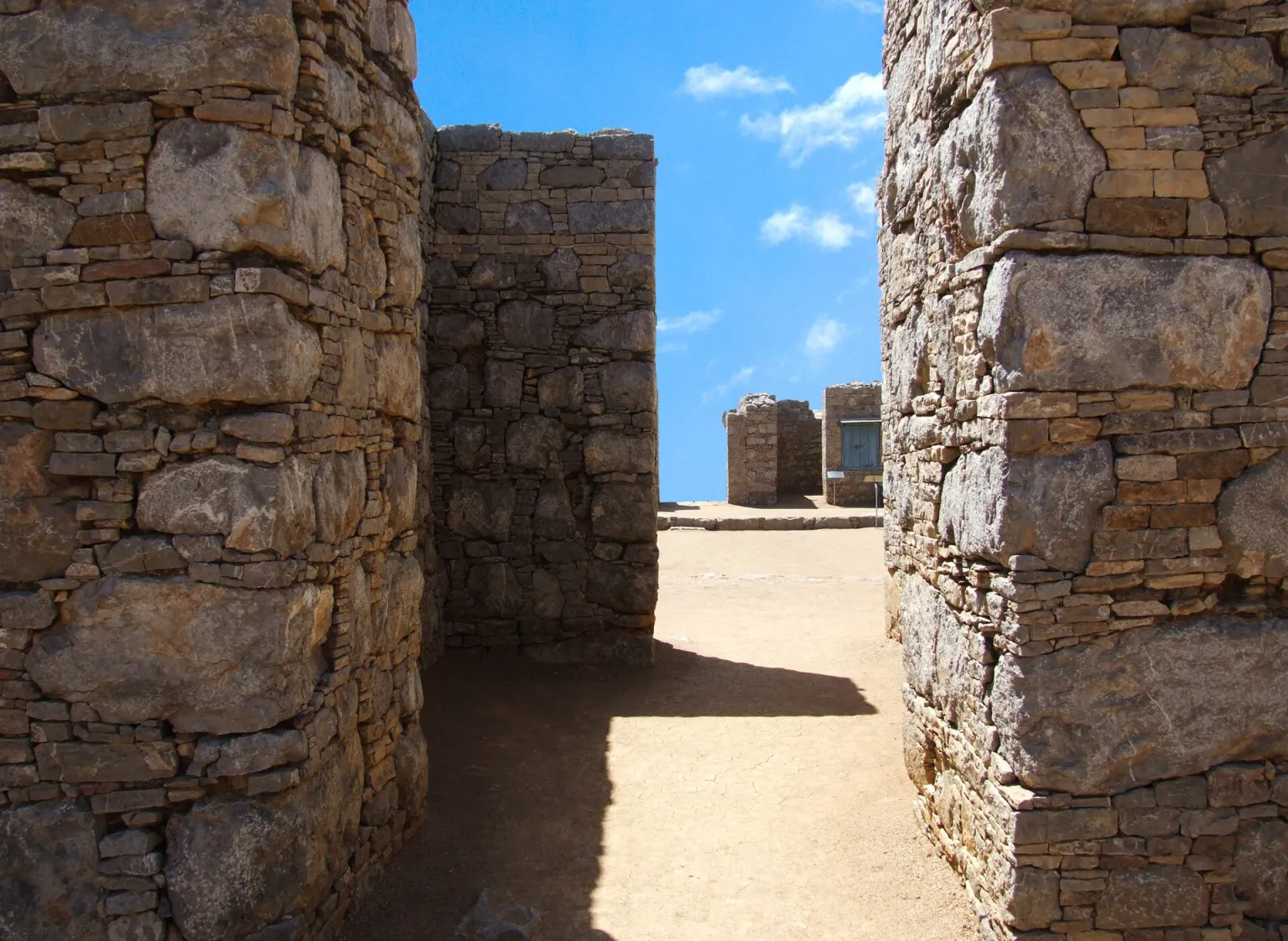
Jaulian stands on a hill. According to the Taxila Museum, which is run by the Government of the Punjab, the monastery was founded in the Kushan period in the 2nd century CE, and it had been abandoned by the end of the 5th century, like other Buddhist sites in the valley. The excavation was carried out in 1916 and 1917 by Natesa Aiyar under Sir John Marshall. The ruins have a main sacred area with a central stupa and 27 smaller votive stupas, and a monastery with two courtyards, rows of monks' cells and numerous chapels. The monuments are richly ornamented and better preserved than many in the region.
Mohra Moradu sits in a quiet side valley behind the village of the same name. The Taxila Museum dates it to the 2nd century, with extensive renovation in the 4th and 5th centuries CE, and says it was excavated in 1914 and 1915 under Marshall's supervision. A stupa and a monastery stand side by side on an oblong terrace. The monastery is a rectangular court with about 27 cells and a central bath, entered from the north through a portico with a niche holding a high-relief Buddha flanked by worshippers.
What to see
 Jaulian's stupa courtThe main stupa surrounded by 27 smaller votive stupas; the Taxila Museum describes the monuments as highly ornamented.
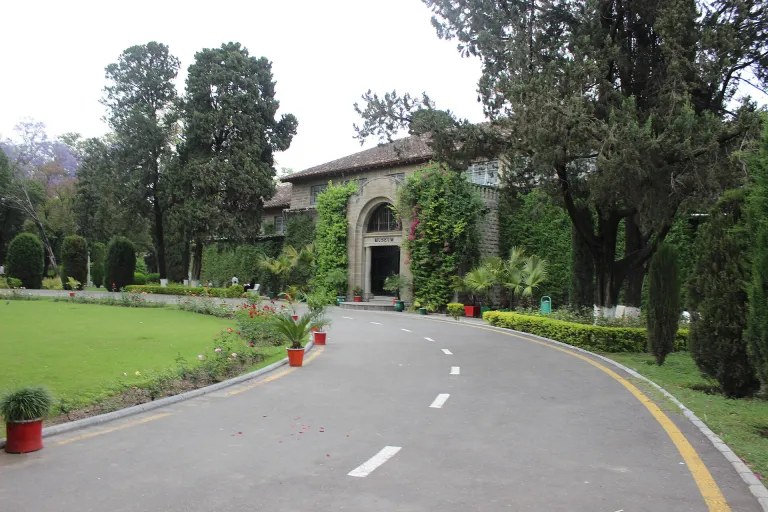 Stucco heads and figuresMany stucco Buddhas and Bodhisattvas from both sites are now in the Taxila Museum, among them detached heads with red-painted lips and eyelids from Mohra Moradu.
Evidence and tradition
The Taxila Museum's page on Jaulian describes the monastery as home to one of the world's oldest universities until its destruction in the 5th century. Treat this as a popular tradition rather than an archaeological finding: the excavated remains show a monastery with cells, chapels and stupas, and the debate about how far Taxila functioned as a "university" is unresolved.
Plan your visit
Best time
October to April
Spring and autumn suit hill climbs. Summers on the Potohar plateau are hot and monsoon rain can make steps slippery.
How to reach
Day trip from Islamabad
Taxila is reached by road or rail from Rawalpindi and Islamabad. The Taxila Museum site puts Jaulian roughly 7 km from the museum, on a hill about 92 m high. A car or taxi is the practical way to link the sites.
Museum hours
As of October 2026
The Taxila Museum website lists winter hours of 9 am to 4 pm and summer hours of 8:30 am to 5 pm, closed on the first Monday of each month and on Islamic holidays. Its header also reads Saturday to Thursday, so confirm before travelling. Hours and tickets for the monasteries themselves are not published on that page.
Time needed
A morning or afternoon
Allow time for the climb at Jaulian and for the museum, where the stucco sculpture is displayed.
Advisories
Check locally
Check current advisories and local authority guidance and confirm the sites are open on the day you plan to go.
Photography
Ask first
Photography is generally allowed outdoors, but follow signs and staff instructions, and ask before photographing people.
A half-day idea
- 1
Start at the museum
See the stucco sculpture first so the ruins make sense. Check the opening times in advance.
- 2
Climb to Jaulian
Walk the stupa court and the monastery quadrangle, and look out over the valley from the hilltop.
- 3
Drive to Mohra Moradu
Visit the paired stupa and monastery in their quiet side valley, then see the portico niche and the bath.
- 4
Return via Dharmarajika
If time allows, stop at the Dharmarajika Stupa, the oldest and largest Buddhist complex in Taxila according to the Museum.
Responsible travel
- These are Buddhist religious sites as well as archaeological ones. Keep voices low and dress modestly.
- Do not touch stucco, climb on stupas or lean on walls.
- Never buy antiquities offered near the sites. It is illegal and many items are fake.
- Carry out your litter; there are few bins on the hilltop.
- Hire local guides or buy from local stalls to support the community.
Nearby
 TaxilaThe wider World Heritage site, with the museum, Sirkap and Dharmarajika.
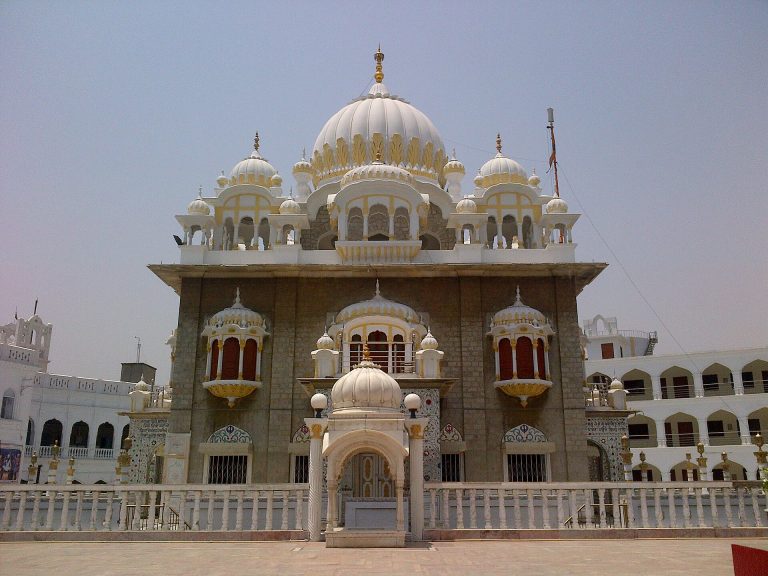 Hasan AbdalHome to Gurdwara Panja Sahib and close to the Wah Gardens.
 Gandhara Buddhist Heritage TrailConnect Taxila with Bhamala, Takht-i-Bahi and Swat.
 IslamabadThe usual base for a Taxila day trip.Takht-i-BahiAnother UNESCO-listed Buddhist monastery, in Mardan.GandharaHistory and art of the region.
Frequently Asked Questions
How old are Jaulian and Mohra Moradu?
The Taxila Museum dates both to the Kushan period in the 2nd century CE. Mohra Moradu was extensively renovated in the 4th and 5th centuries, and Jaulian had been abandoned by the end of the 5th century.
Where is the sculpture from these sites?
Much of the stucco is in the Taxila Museum. Other Gandharan sculpture is in museums such as Peshawar and Lahore.
Are they part of the World Heritage Site?
Yes. They are components of Taxila, which UNESCO inscribed in 1980.
Can I visit both in a day?
Usually, together with the museum, if you start early. Confirm opening and access locally, since hours are not published for the monasteries.
Keep Exploring
Related places and stories on DailyLife.pk
TaxilaVisit Taxila: Dharmarajika stupa, Jaulian monastery, Sirkap and Taxila Museum.Takht-i-BahiVisit Takht-i-Bahi near Mardan: the UNESCO-listed Gandhara monastery, stupa courts, monks' cells, Sahr-i-Bahlol, history, best seasonIslamabadIslamabad travel guide: Faisal Mosque, Pakistan Monument, Margalla Hills trails, Saidpur, markets, sectors, Metrobus RawalpindiRawalpindi guide: Raja Bazaar, Saddar, the Army Museum, history from the Gakhars to 1959, foodHasan AbdalHasan Abdal guide: Gurdwara Panja Sahib, Wah Mughal Gardens, Lala Rukh's tomb, Cadet College, Taxila nearbyGandharaGandhara in Pakistan: Taxila, Takht-i-Bahi, the Kushans, Greco-Buddhist art in schist and stucco, key museum pieces
How we know this
- Type Travel guide
- Sources 5 (5 official/academic)
- Reviewed October 2026
- Disputed points None
Rules and fees change, confirm with the official links below before you act.
5 sources
- Jaulian Monastery, Taxila Museum, Punjab Government
- Mohra Moradu, Taxila Museum, Punjab Government
- Dharmarajika Stupa, Taxila Museum, Punjab Government
- Taxila Museum: history, collection and timings, Taxila Museum, Punjab Government
- Taxila, UNESCO World Heritage Centre
Photo credits (6)
- Jaulian taxila.jpg, Amjad Sheikh, CC BY-SA 3.0, via Wikimedia Commons
- Museum taxila front.jpg, Junaidgondal0, CC BY-SA 4.0, via Wikimedia Commons
- Dharmarajika stupa,Taxila.jpg, Sasha Isachenko, CC BY-SA 3.0, via Wikimedia Commons
- PanjaSahibHasanAbdal.jpg, Muhammad Imran Saeed, CC BY 2.0, via Wikimedia Commons
- Takht-i-Bahi Buddhist Monastery.jpg, Muzamil Hassain Toori, CC BY-SA 4.0, via Wikimedia Commons
- Faisal Mosque, Islamabad III.jpg, Fassifarooq, CC BY-SA 4.0, via Wikimedia Commons
