
History · Timeline
How Pakistan Was Made: 1857 to 1947Year by Year
Ninety years from the uprising of 1857 to independence on 14 August 1947: the reforms, pacts, speeches, elections and failed talks that turned a minority's search for safeguards into a new country.
- 1857 → 1947
- Lahore Resolution, 23 March 1940
- Independence, 14 August 1947
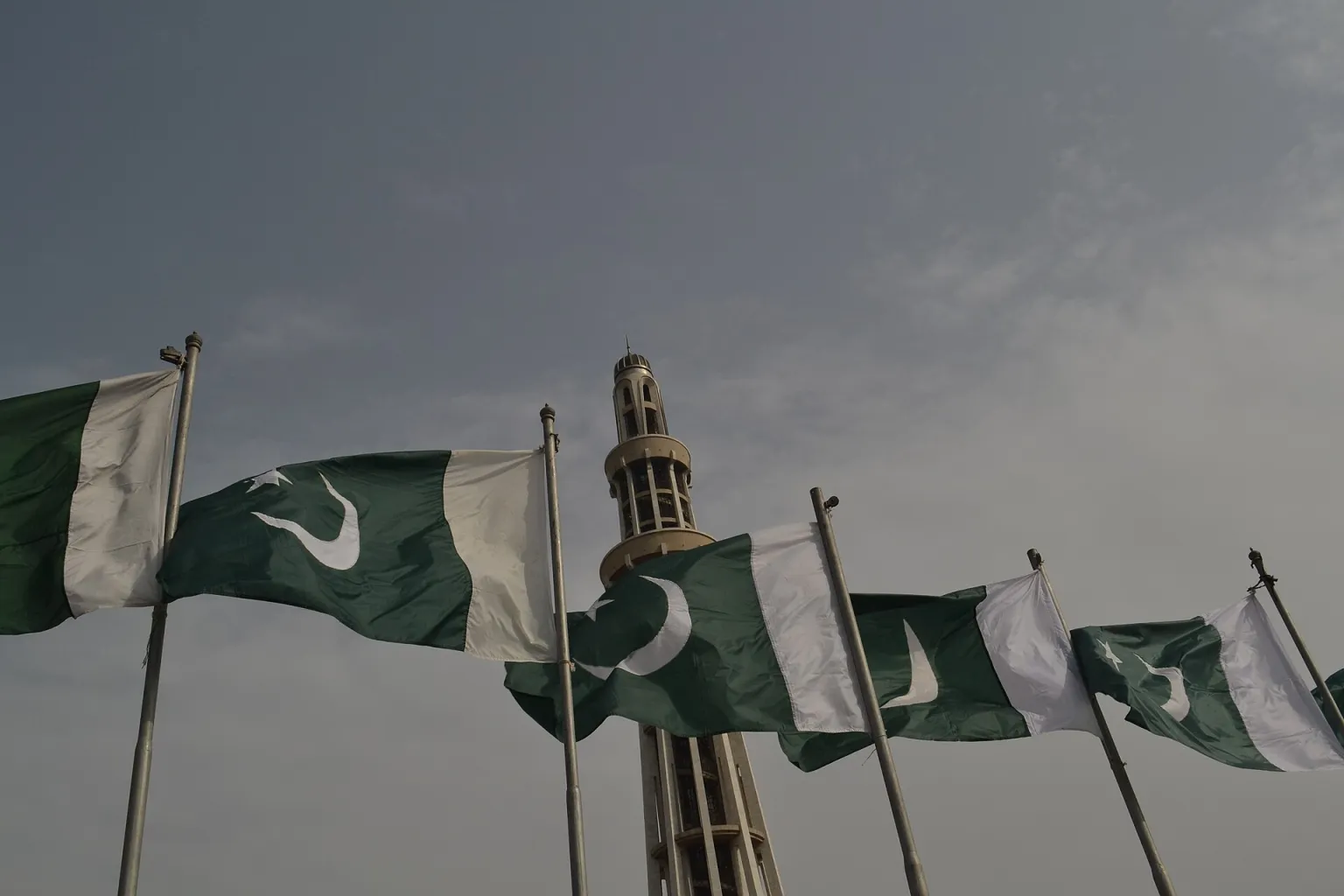
Minar-e-Pakistan, Lahore
Ninety Years in One Page
Pakistan did not appear overnight. Between the failed uprising of 1857 and independence in August 1947, Muslims in British India moved through several distinct political phases: a drive for modern education, a demand for separate representation in the new elected councils, years of bargaining for safeguards inside a united India, and finally, from 1940, the demand for independent Muslim-majority states in the north-west and east.
This page sets out that journey date by date. It is designed as a quick reference that sits alongside our longer accounts of the Pakistan Movement, the Partition of 1947 and the British colonial era. Where historians disagree, about motives, about responsibility for the breakdown of negotiations, or about the numbers who died in 1946–47, we say so and give ranges rather than a single figure.
Four eras structure the story: awakening and organisation (1857–1929), the idea takes shape (1930–1939), the demand for Pakistan (1940–1946) and independence and its aftermath (1947–1948). At the end you will find the people who shaped those decades and the places in Pakistan where you can still stand where history happened.
The Four Eras at a Glance
Each era has its own timeline below.
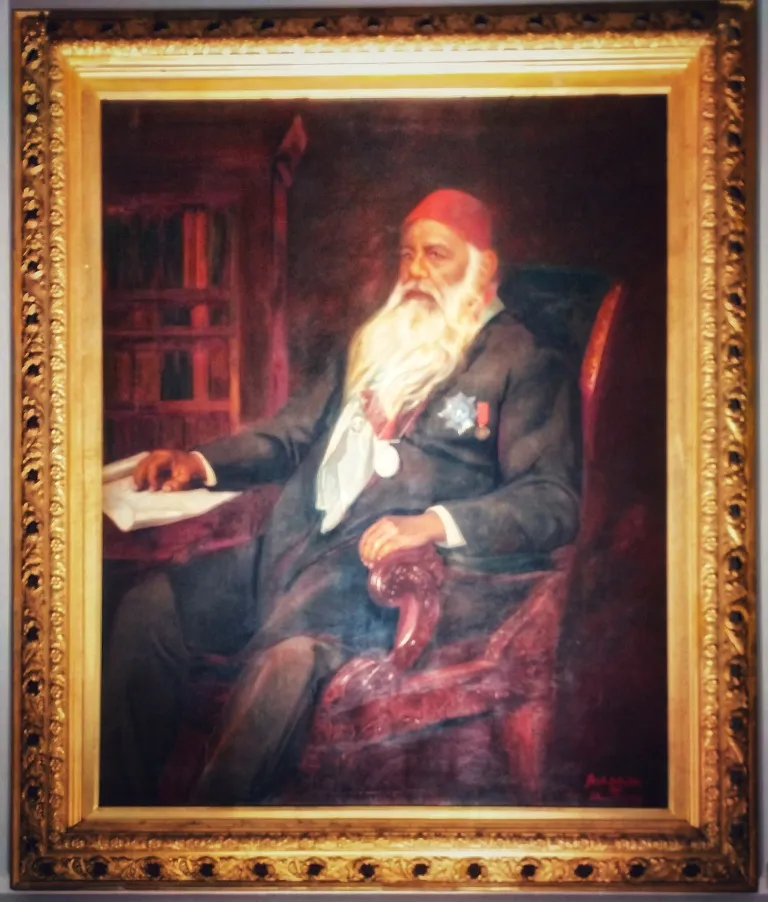 1857–1929: Awakening and organisationAfter 1857, Sir Syed Ahmad Khan's Aligarh college trains a new Muslim elite; the Muslim League is founded in 1906 and wins separate electorates in 1909.
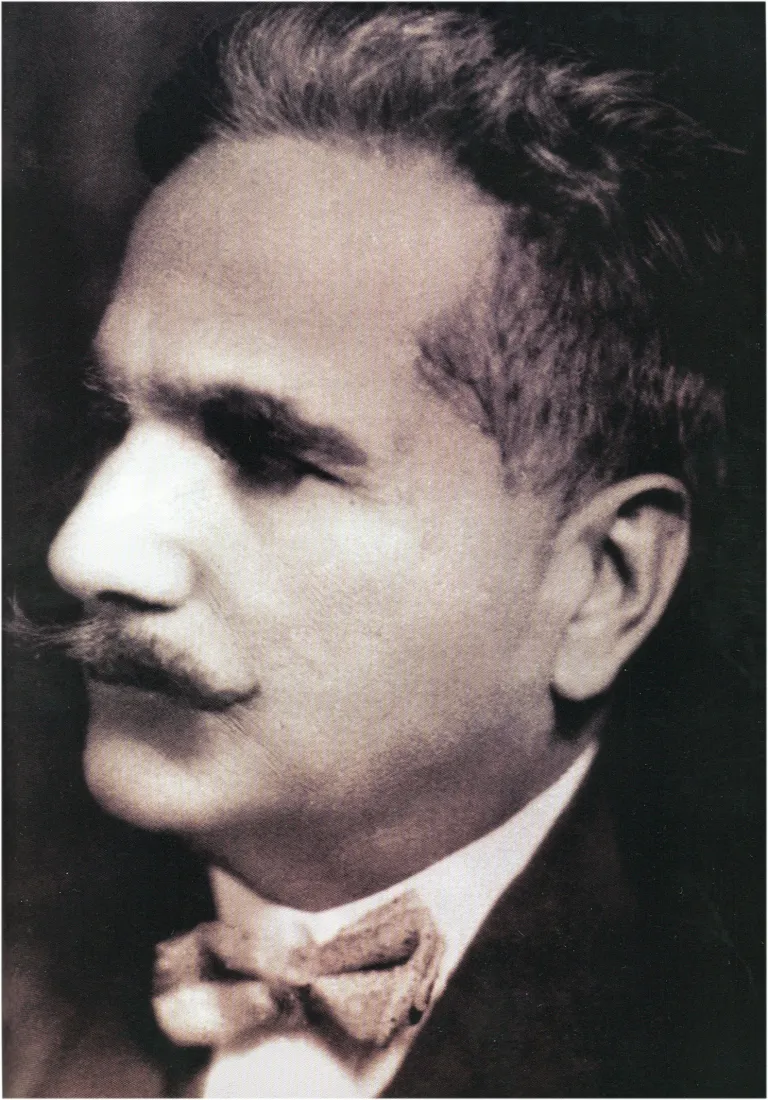 1930–1939: The idea takes shapeIqbal proposes a north-western Muslim state, Rahmat Ali coins the name 'Pakistan', and Jinnah rebuilds the League after the 1937 elections.
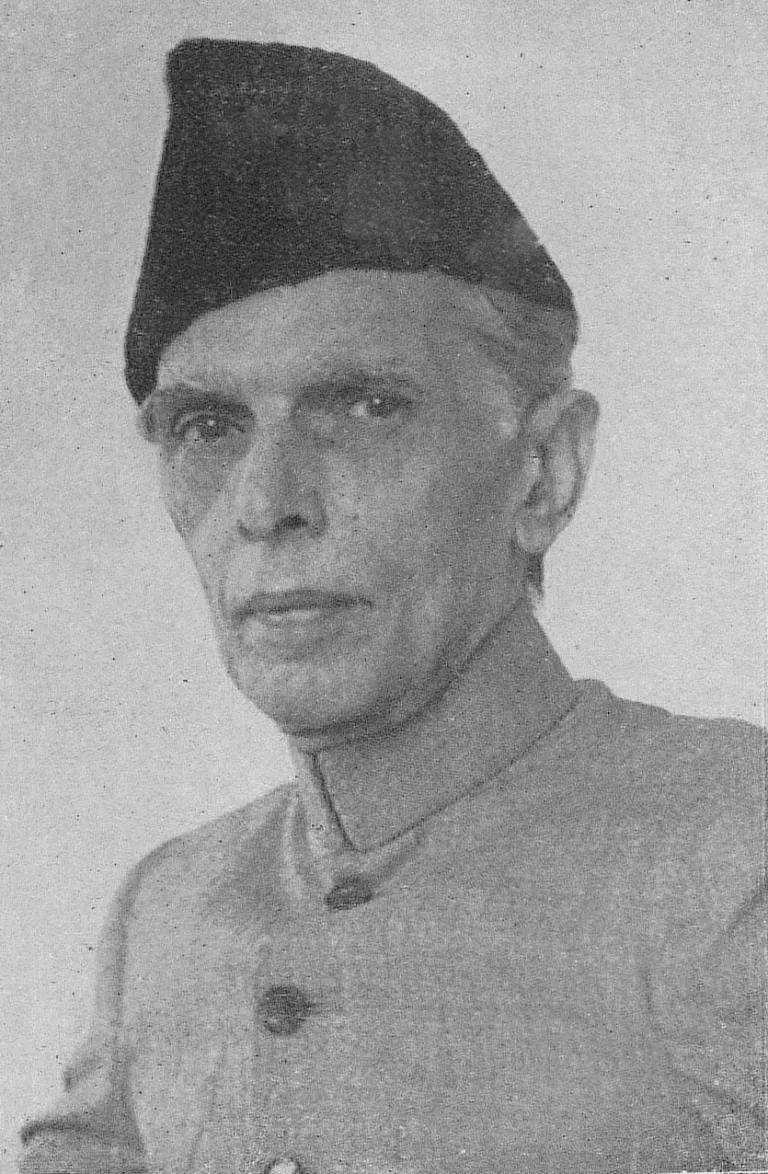 1940–1946: The demandThe Lahore Resolution makes independent Muslim-majority states the League's goal; one round of talks after another fails to find a compromise.
 1947–1948: IndependenceThe 3 June Plan, the Indian Independence Act and 14 August, followed by the Radcliffe Award, mass migration and a new state built from scratch.
Era 1: Awakening and Organisation, 1857–1929
1857–1858
The War of 1857 and Crown rule
The great uprising against the East India Company, remembered in Pakistan as the War of Independence, is crushed. The last Mughal emperor is exiled and the British Crown takes over direct rule. Many Muslims emerge from the aftermath politically and economically weakened.
1875
Aligarh: Sir Syed's college
Sir Syed Ahmad Khan founds the Muhammadan Anglo-Oriental College at Aligarh to give Muslims modern, English-language education. The 'Aligarh Movement' produces many of the lawyers, officials and politicians who later lead Muslim politics.
1885
Indian National Congress
The Indian National Congress holds its first session in Bombay. It becomes the main all-India nationalist body and the League's chief rival and partner over the next six decades.
16 October 1905
Partition of Bengal
Viceroy Lord Curzon divides Bengal, creating a Muslim-majority eastern province with Dacca (Dhaka) as its capital. Most Muslims in the east welcome it; Hindu-led protests follow. The partition is reversed in 1911, to the deep disappointment of Bengali Muslims.
1 October 1906
The Simla Deputation
A deputation of Muslim notables led by Aga Khan III meets Viceroy Lord Minto at Simla to ask for separate electorates and representation reflecting Muslims' political importance.
30 December 1906
All-India Muslim League founded
Meeting in Dhaka, Muslim leaders found the All-India Muslim League to represent Muslim political interests. At first it is loyal to British rule; in 1913 it adopts self-government for India as its aim.
25 May 1909
Morley–Minto Reforms
The Indian Councils Act enlarges the legislative councils and, for the first time, gives Muslims separate electorates, Muslim seats chosen only by Muslim voters. Congress sees this as divide-and-rule; the League sees it as a vital safeguard.
December 1916
Lucknow Pact
Congress (29 December) and the League (31 December) adopt a joint scheme of reforms. Congress accepts separate electorates and extra Muslim representation in most provinces. Jinnah, then a member of both bodies, is hailed as an ambassador of Hindu–Muslim unity.
1919–1924
The Khilafat Movement
Led by the Ali brothers, Indian Muslims campaign to protect the Ottoman caliphate, allied with Gandhi's non-cooperation movement. In 1920 around 18,000 peasants migrate to Afghanistan in the Hijrat. The movement collapses when the caliphate is abolished in 1924.
1928–1929
Nehru Report and the Fourteen Points
The Nehru Report (1928) proposes dominion status with joint electorates and a strong centre, dropping the safeguards of 1916. League leaders reject it; in 1929 Jinnah answers with his Fourteen Points, restating the safeguards Muslims wanted, including separate electorates and residuary powers for the provinces.
Era 2: The Idea Takes Shape, 1930–1939
29 December 1930
Iqbal's Allahabad Address
Presiding over the League's session at Allahabad, Allama Muhammad Iqbal argues that Punjab, the North-West Frontier Province, Sindh and Balochistan should one day be amalgamated into a single self-governing Muslim state, within or outside the British Empire.
1930–1932
Round Table Conferences
Three conferences in London (November 1930–January 1931, autumn 1931 and November–December 1932) discuss India's future constitution. Muslim delegates take part; the second session ends without agreement on communal representation.
January 1933
'Now or Never' names Pakistan
At Cambridge, Choudhry Rahmat Ali and three fellow students publish the pamphlet <em>Now or Never</em>, coining 'Pakistan' for a Muslim homeland in the north-west, a name built from the regions it would join, and meaning 'land of the pure' in Persian and Urdu.
1934
Jinnah returns to lead the League
After several years in London, Jinnah comes back to India and is elected the League's permanent president, beginning the task of turning a loose body of notables into a disciplined party.
1935
Government of India Act
The Round Table process produces the 1935 Act, which grants provincial autonomy, widens the vote to about 14% of the population and plans an all-India federation that is never implemented. It later serves as Pakistan's interim constitution after 1947.
1937
Provincial elections
Congress sweeps the general seats and forms governments in most provinces. The League fares poorly, even in Muslim-majority Punjab and Bengal. Jinnah responds by reorganising the League as a mass movement, and grievances about Congress ministries (1937–39) harden Muslim opinion.
Era 3: The Demand for Pakistan, 1940–1946
22–24 March 1940
The Lahore Resolution
At the League's session in Lahore, a resolution moved by A. K. Fazlul Huq and adopted on 23 March calls for the Muslim-majority areas of the north-west and east to be grouped into 'independent states'. The press soon dubs it the Pakistan Resolution; 23 March is now Pakistan Day.
March–April 1942
The Cripps Mission
Sir Stafford Cripps offers dominion status after the war, with the right of any province to stay out of a future Indian union. Congress rejects it for offering too little now; the League rejects it for not clearly accepting Pakistan.
September 1944
Gandhi–Jinnah talks
Gandhi and Jinnah meet repeatedly at Jinnah's house on Malabar Hill, Bombay, from 9 September, and exchange letters. They cannot agree on whether, and how, Muslim-majority areas would separate.
25 June–14 July 1945
Simla Conference
Viceroy Wavell proposes an all-Indian executive council with equal numbers of caste Hindus and Muslims. Talks collapse when the League insists on nominating all the Muslim members, claiming to be Muslims' sole representative.
Dec 1945–Jan 1946
Elections settle the question of support
In the central and provincial elections the League wins all the Muslim seats in the central assembly and about 429 of 492 Muslim seats in the provinces, a mandate for Pakistan among Muslim voters. Congress dominates the general seats.
March–July 1946
The Cabinet Mission
Three British ministers arrive on 24 March. Their plan of mid-May proposes a loose union with provinces grouped into three sections. The League accepts on 6 June, but withdraws its acceptance on 29 July after Congress statements on the grouping scheme.
16 August 1946
Direct Action Day
The League calls a day of protest for Pakistan. In Calcutta it turns into communal killing: more than 4,000 people die within three days, by the official report's count, with some estimates far higher. Violence spreads to Noakhali, Bihar and later Punjab.
Era 4: Independence and Its Aftermath, 1947–1948
February–March 1947
A deadline to leave
Britain announces it will quit India by June 1948 and sends Lord Mountbatten as the last Viceroy. Violence breaks out in Rawalpindi district and elsewhere in Punjab in March.
3 June 1947
The 3 June Plan
Mountbatten announces, with Nehru and Jinnah, that power will pass to two dominions, India and Pakistan, and that Punjab and Bengal will be divided. The handover is brought forward to August.
July 1947
Referendums and the Independence Act
Referendums take the North-West Frontier Province and Sylhet district into Pakistan. The Indian Independence Act receives Royal Assent on 18 July, creating the two dominions from 15 August.
14 August 1947
Pakistan is born
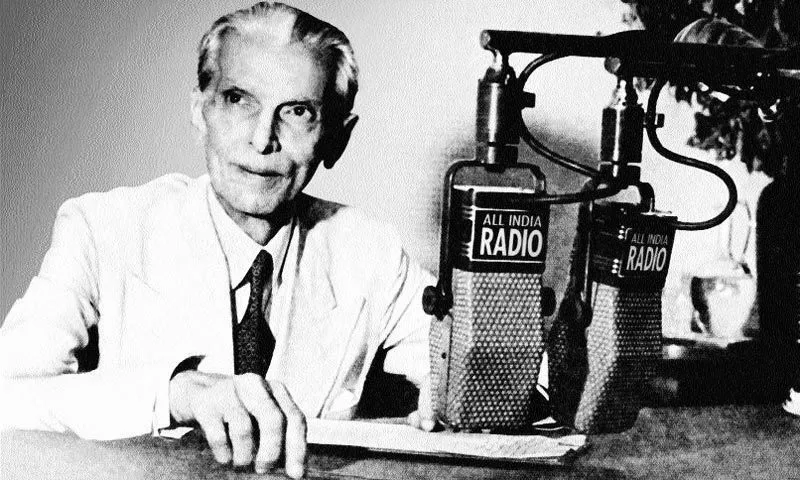
Pakistan becomes independent, with two wings a thousand miles apart. Jinnah is its first Governor-General and Liaquat Ali Khan its first Prime Minister; Karachi is the capital. Three days earlier, Jinnah told the Constituent Assembly that citizens of every faith would be equal.
17 August 1947
The Radcliffe Award
The boundaries through Punjab and Bengal, drawn by commissions under Sir Cyril Radcliffe, are published two days after independence. Decisions such as the allocation of parts of Gurdaspur district remain disputed.
August–November 1947
Migration and massacre
Muslims move into Pakistan and Hindus and Sikhs into India. Estimates of those displaced run from over 10 million to over 15 million; estimates of the dead range from a few hundred thousand to one or two million. All communities suffered and all committed violence.
October 1947–March 1948
Princely states accede
Bahawalpur and Khairpur accede in October 1947, followed by Chitral, Swat, Dir, Hunza, Nagar and Amb; Kalat, Las Bela, Kharan and Makran join in March 1948. Junagadh's accession to Pakistan is overtaken by Indian control and a 1948 plebiscite.
October 1947–January 1949
War over Kashmir
The Muslim-majority princely state of Jammu and Kashmir, with a Hindu ruler, accedes to India amid conflict in October 1947. The first India–Pakistan war ends with a UN-brokered ceasefire on 1 January 1949, and Kashmir remains a disputed territory.
11 September 1948
Death of the Quaid
Seriously ill, Jinnah spends his last summer at the Residency in Ziarat, moves to Quetta and is flown to Karachi, where he dies aged 71. He is buried in the city of his birth.
Key People
A handful of the many men and women who shaped the road to 1947.
Sir Syed Ahmad Khan (1817–1898)Reformer and educator whose Aligarh college gave Muslims a modern education and a political voice after 1857.Allama Muhammad Iqbal (1877–1938)Sialkot-born poet-philosopher whose 1930 Allahabad Address gave the idea of a Muslim state in the north-west its philosophical form.Muhammad Ali Jinnah (1876–1948)Karachi-born barrister who moved from Hindu–Muslim unity to leading the demand for Pakistan, and became its first Governor-General.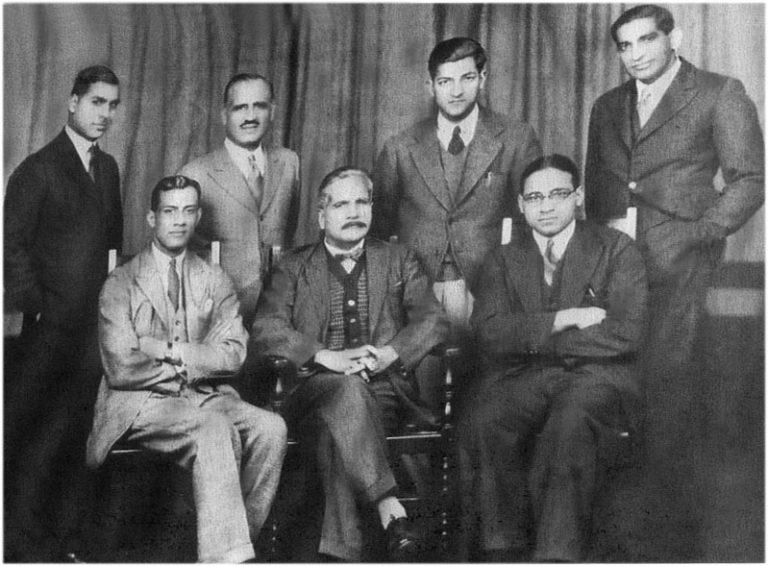 Choudhry Rahmat AliCambridge law student from Punjab whose 1933 pamphlet <em>Now or Never</em> coined the name 'Pakistan'.
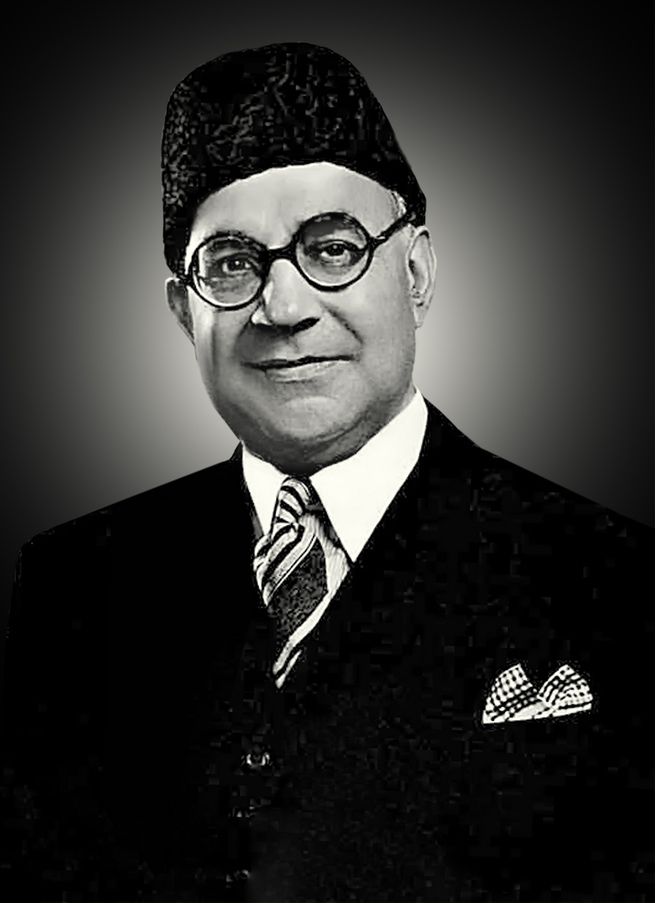 Liaquat Ali Khan (1895–1951)Jinnah's right hand in the League, the League's member in the 1946 interim government and Pakistan's first Prime Minister.
Places You Can Visit Today
Where the story of 1857–1947 is still written in stone, brick and timber.
 Minar-e-Pakistan, LahoreBuilt between 1960 and 1968 in today's Greater Iqbal Park, on the ground where the Lahore Resolution was adopted. Marble plaques at its base carry the resolution's text.
 Allama Iqbal's tomb, LahoreIqbal is buried in a red sandstone tomb beside the steps of the Badshahi Mosque, a short walk across the park from the Minar.Mazar-e-Quaid, KarachiJinnah's white marble mausoleum, inaugurated in 1971. Liaquat Ali Khan and Fatima Jinnah are buried in the same complex.
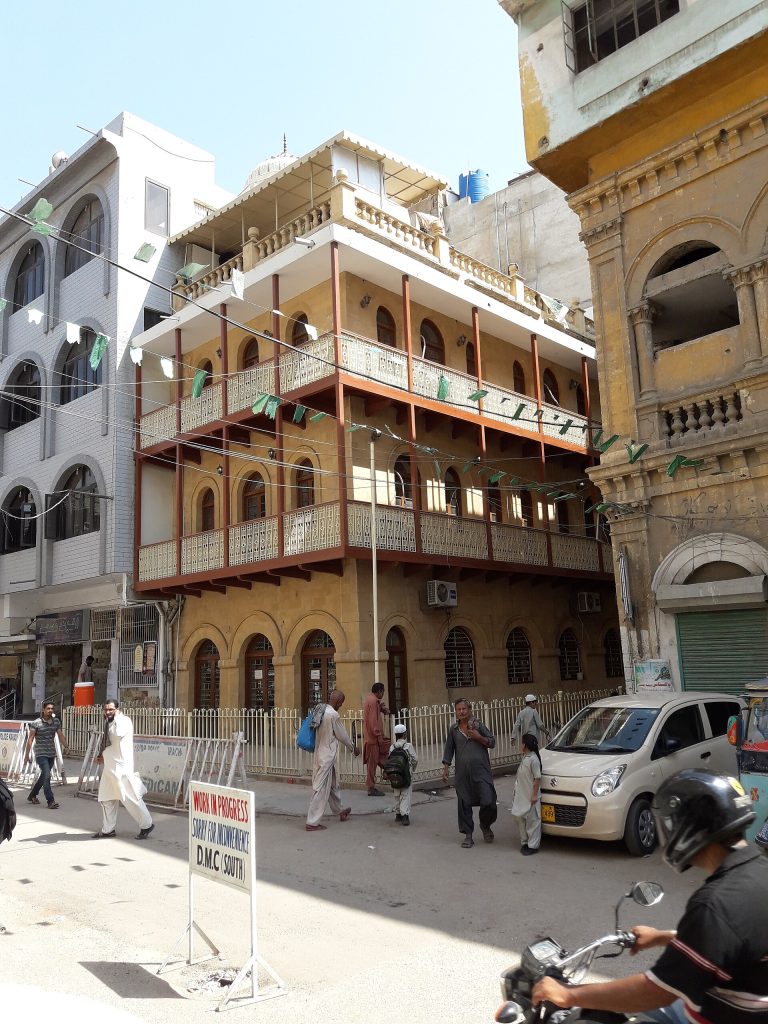 Wazir Mansion, KarachiThe house in Kharadar where Jinnah was born in 1876, now a protected monument and museum with his furniture and a library.
 Quaid-e-Azam Residency, ZiaratThe wooden British-era house (1892) where Jinnah spent his last summer in 1948. Burnt in a 2013 attack, it was rebuilt and reopened in 2014.
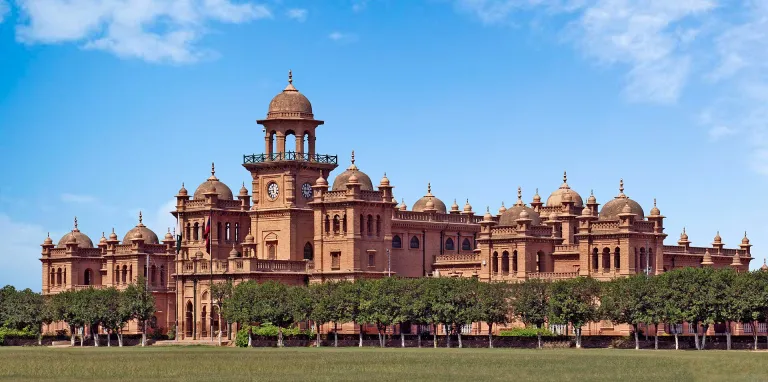 Islamia College, PeshawarFounded in 1913, the college became a centre of Muslim education in the frontier province. Jinnah visited in 1936, 1945 and 1948 and left it a share of his estate.
Reading the Timeline Fairly
Well established: the dates of the League's founding, the 1909 and 1935 reforms, the Lahore Resolution, the 1945–46 election results, the 3 June Plan, the Independence Act and the boundary award.
Still debated: whether Pakistan was inevitable or the product of wartime politics and failed talks; whether Jinnah's 1940 demand was a fixed goal or partly a bargaining position (a view associated with historian Ayesha Jalal); who bears most responsibility for the collapse of the Cabinet Mission plan; and how many people died in 1946–47. Pakistani, Indian and British accounts often differ, and reading them side by side gives the fullest picture.
Frequently Asked Questions
When did the Pakistan Movement start?
Historians trace its roots to Sir Syed Ahmad Khan's educational movement after 1857 and the founding of the All-India Muslim League in Dhaka on 30 December 1906. The demand for a separate state was formally adopted only with the Lahore Resolution of 23 March 1940.
Who first proposed a separate Muslim state?
Allama Muhammad Iqbal proposed a self-governing Muslim state in the north-west of India in his Allahabad Address on 29 December 1930. Choudhry Rahmat Ali coined the name 'Pakistan' in 1933, and the Muslim League adopted the demand in 1940.
What was the 3 June Plan?
The plan announced by Lord Mountbatten on 3 June 1947, with the agreement of Congress and League leaders, to transfer power to two dominions, India and Pakistan, and to divide Punjab and Bengal. It led to the Indian Independence Act of 18 July 1947.
Why does Pakistan celebrate independence on 14 August and India on 15 August?
Under the Indian Independence Act both dominions were created from 15 August 1947. Pakistan marks 14 August, the day power was formally handed over in Karachi, as its Independence Day.
How did the 1945–46 elections matter?
They showed that most Muslim voters backed the League's demand for Pakistan: it won all Muslim seats in the central assembly and roughly 429 of 492 Muslim seats in the provincial assemblies. That result made a settlement without the League impossible.
Which princely states joined Pakistan?
Bahawalpur and Khairpur acceded in October 1947, followed by Chitral, Swat, Dir, Hunza, Nagar and Amb; the Balochistan states of Kalat, Las Bela, Kharan and Makran joined in March 1948. The status of Jammu and Kashmir remains disputed.
Keep Exploring
Related places and stories on DailyLife.pk
 ZiaratZiarat travel guide: Quaid-e-Azam Residency, the UNESCO juniper forest biosphere reserve, Prospect Point, tangis, best season
 Lahore Fort and Badshahi MosqueLahore Fort and Badshahi Mosque guide: Sheesh Mahal, Picture Wall, Alamgiri Gate
 LahoreLahore travel guide: Badshahi Mosque, Lahore Fort, Shalimar Gardens, the Walled City, food streets, neighbourhoods, metro
 KarachiKarachi travel guide: Mazar-e-Quaid, Mohatta Palace, Clifton, Burns Road, bazaars, neighbourhoods, Green Line BRT
 PeshawarPeshawar city guide: Qissa Khwani Bazaar, Mahabat Khan Mosque, Sethi House, Peshawar Museum, Pashtun food
 SialkotSialkot city guide: Iqbal Manzil, Holy Trinity Cathedral, Sialkot Fort, sports goods and football industry, history
How we know this
- Type Historical & cultural research
- Sources 12 (8 official/academic)
- Reviewed October 2026
- Disputed points None
12 sources
- Muslim League, Encyclopaedia Britannica
- Partition of Bengal, Encyclopaedia Britannica
- Lucknow Pact, Encyclopaedia Britannica
- Khilafat movement, Encyclopaedia Britannica
- Round Table Conference, Encyclopaedia Britannica
- Government of India Act (1935), Encyclopaedia Britannica
- Pakistan: History, Encyclopaedia Britannica
- Mohammed Ali Jinnah, Encyclopaedia Britannica
- Allahabad Address (1930), Iqbal Academy Pakistan
- Partition of British India (education resource), The National Archives (UK)
- Simla Deputation; Indian Councils Act 1909; Cripps Mission; Simla Conference; Cabinet Mission; 1946 provincial elections; Direct Action Day; Princely states of Pakistan: cross-references, Wikipedia
- Islamia College University and Minar-e-Pakistan: cross-references, Wikipedia
Photo credits (13)
- Minar-e-Pakistan with waving national flags.JPG, Susmanhamza, CC BY-SA 3.0, via Wikimedia Commons
- Minar e Pakistan night image.jpg, Holosoft, CC BY-SA 4.0, via Wikimedia Commons
- Jinnah announces the creation of Pakistan over All India Radio.jpg, Unknown authorUnknown author, Public domain, via Wikimedia Commons
- Sir Syed Ahmad Khan.jpg, Sufe, CC BY-SA 4.0, via Wikimedia Commons
- Allama Iqbal.jpg, Iqbal Academy Pakistan, Public domain, via Wikimedia Commons
- Jinnah1945a.jpg, Photographer not known, Public domain, via Wikimedia Commons
- Mazar-e-Quaid Karachi.jpg, Furqanlw, CC BY-SA 4.0, via Wikimedia Commons
- Allama Iqbal Tomb side view, adjacent to the Badshahi Mosque's gateway.jpg, Rohaan Bhatti, CC BY-SA 3.0, via Wikimedia Commons
- Quaid e Azam Residency Ziarat.jpg, Hamzaniazii, CC BY-SA 4.0, via Wikimedia Commons
- Islamia College Peshawar (Public Sector University), Khyber Pakhtunkhwa, Pakistan cropped.jpg, Zafarmaini, CC BY-SA 4.0, via Wikimedia Commons
- Wazir Mansion, Kharadar 05.jpg, Ghazala Shah, CC BY-SA 4.0, via Wikimedia Commons
- Choudhry Rehmat Ali (seated first from left) with Muhammad Iqbal (center), Khawaja Abdul Rahim (right) and a group of other young activists during Iqbal visit to England in 1932..jpg, Iqbal Academy Pakistan, Public domain, via Wikimedia Commons
- Liaquat Ali Khan 1945.jpg, Unknown authorUnknown author - but due to age, image in public domain, Public domain, via Wikimedia Commons
