
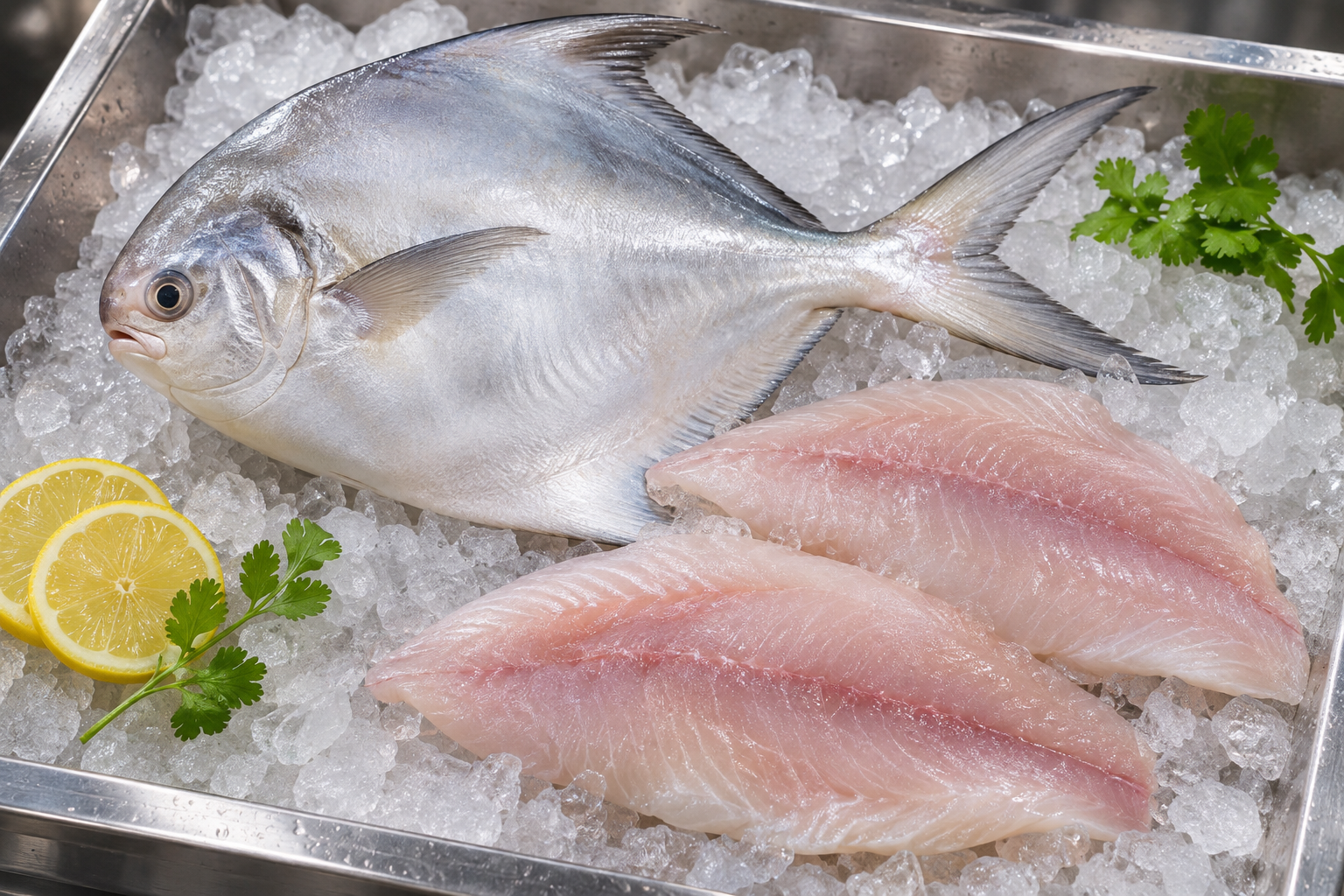
Meat kitchen • Pakistan
Fish and Seafood in Pakistan: FormsBenefits, Buying and Cooking
Recognise whole fish, steaks, fillets, heads, frames and prawns; choose the right form for your dish and keep seafood safely chilled.
DailyLife.pk meat kitchen
Know the fish, shellfish and form you are buying
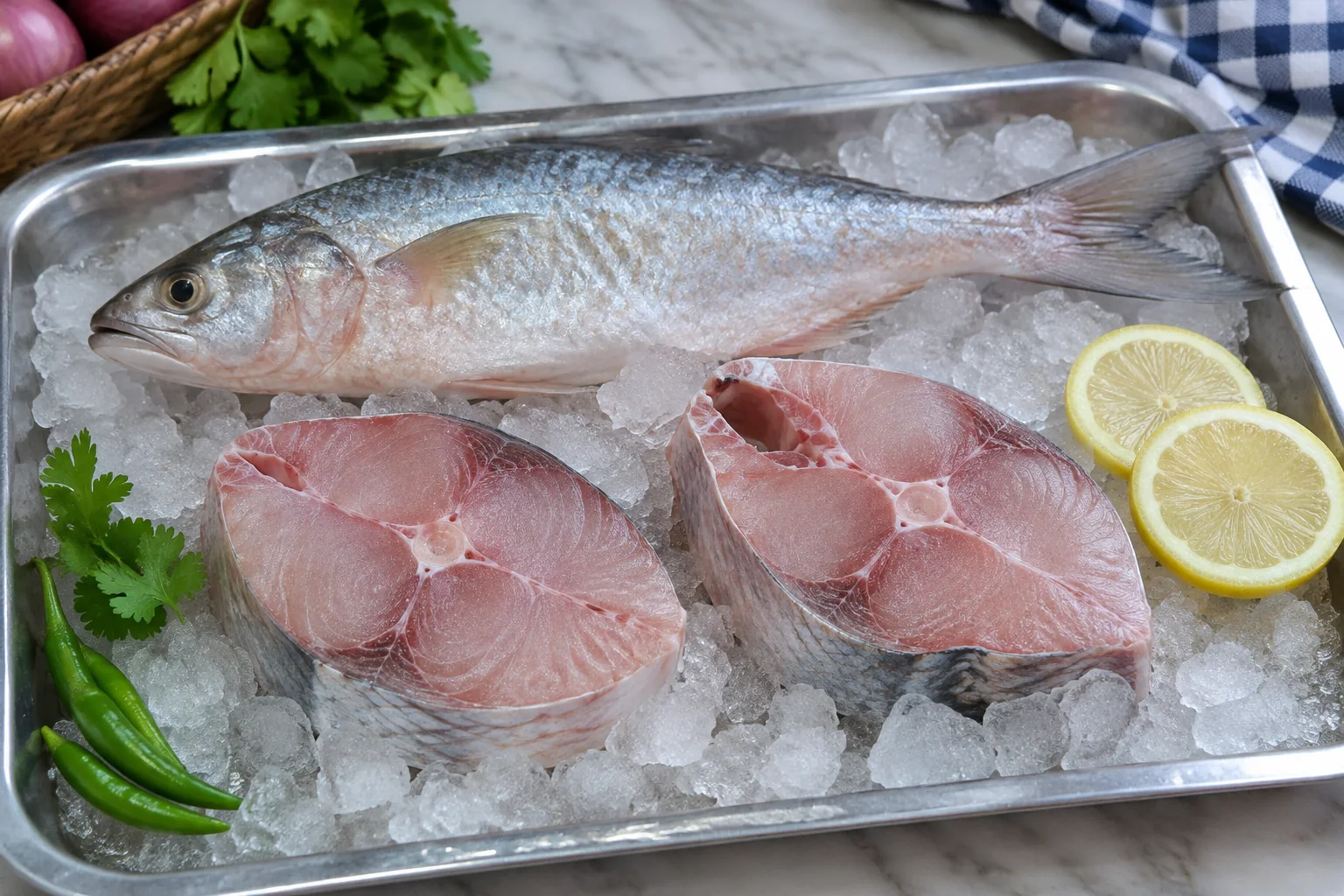
Machhli is a broad food word, not a single ingredient with one texture or one set of bones. Pakistani fish counters may offer river or farmed fish, marine fish, frozen imported portions and prawns. Ask the fishmonger for the actual species, origin, whether it was previously frozen and the form being weighed. Local trade names such as surmai and paplet can vary between sellers. A familiar name alone cannot establish mercury content or identify an exact species on an overseas health chart.
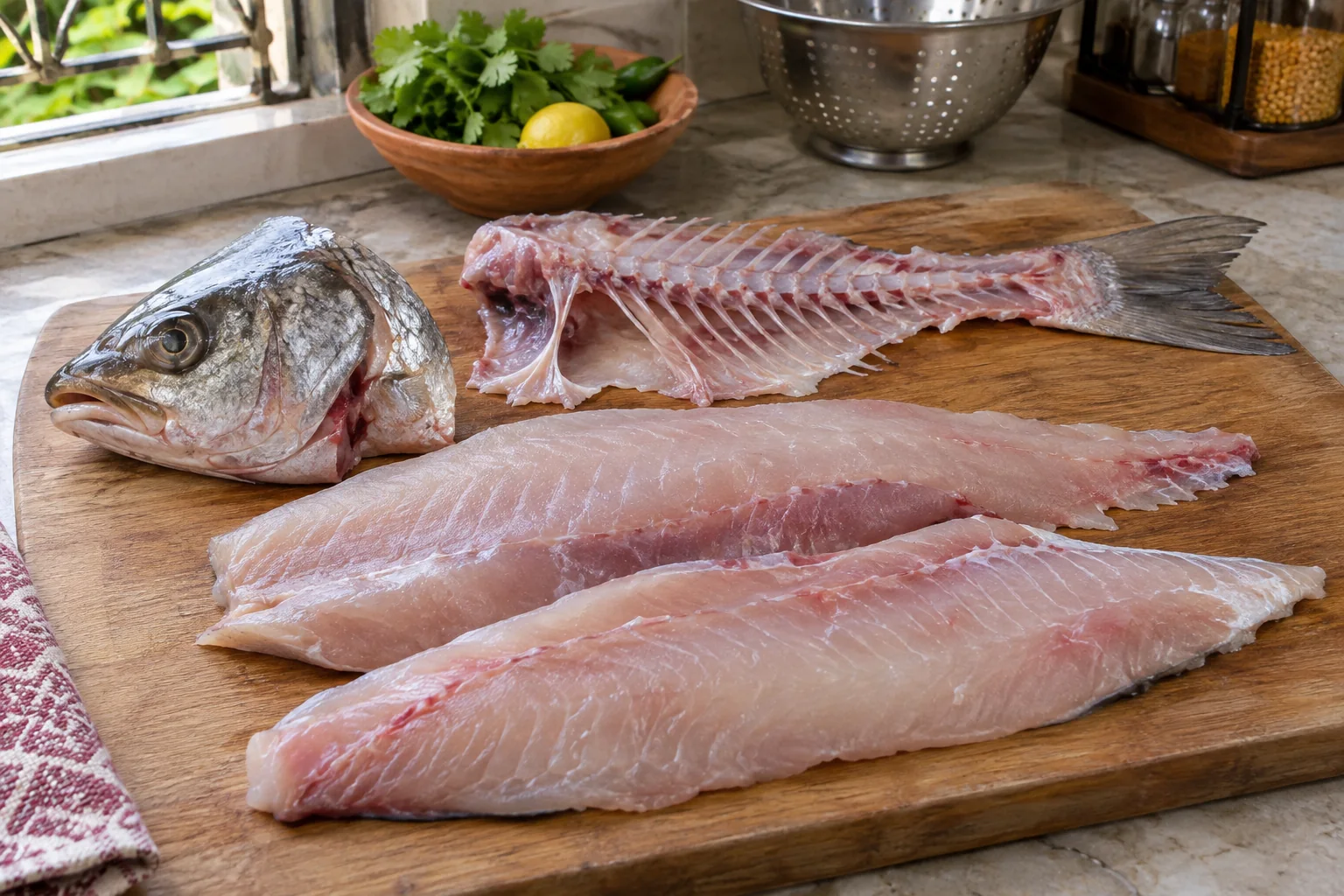
A whole fish retains the head, backbone, skin and usually the tail; it may arrive gutted and scaled or require both jobs. Cross-cut steaks are slices across the body, generally with central bone and sometimes smaller bones. Fillets are flesh taken lengthways from the frame, with skin left on or removed. A fillet still needs a careful pin-bone check. The head and frame are separate kitchen ingredients for a suitably sourced stock, not boneless servings. Choose the form that suits your equipment and the people eating.
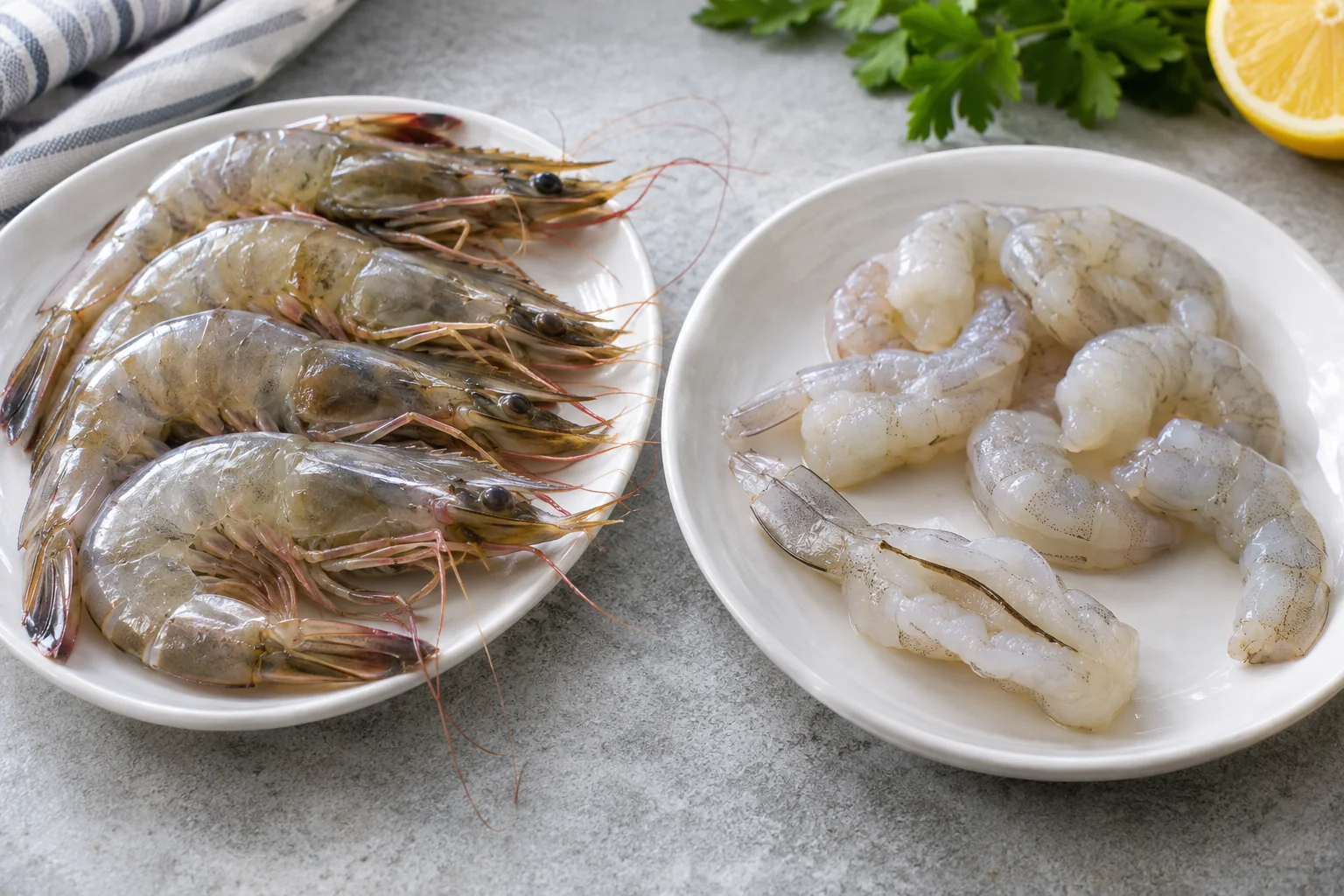
Prawns, or jhinga, are crustacean shellfish. Check whether they are raw, cooked, whole, headless, shell-on or peeled; ask separately about deveining. These descriptions are not interchangeable. Whole raw prawns need preparation and cooking, while ready-to-eat cooked prawns need protection from raw food and the package's storage instructions. Compare these forms in the prawn guide and cooked-prawn guide.
Match whole fish, steaks, fillets and frames to a dish
Decide on the dish before asking the seller to cut the fish. Similar-thickness steaks work well for spiced pan-fried fish because the pieces cook at comparable rates. A large thick steak needs a different approach from a thin tail-end piece. Firm portions can sit in a gently simmering curry; delicate fillets need a finished gravy so they do not spend a long time being stirred while onions and tomatoes reduce. Put the fish in last and move it with a broad spatula.
Whole fish suits roasting, grilling or frying when its width fits the pan and its length fits the oven or grill. Ask for appropriate gutting, scaling and trimming. Make sure you can reach and check the thick flesh near the backbone. Whole presentation brings bones to the table, so portion it carefully. For children and anyone who cannot manage bones reliably, inspect flesh in good light rather than relying on a menu description saying boneless.
Skin-on fillets can be useful for crisp pan cooking; skinless fillets are convenient in a light curry or baked dish. Heads and frames can become fish stock, provided they were food-quality ingredients kept cold from the start. Ask whether the price is based on the whole uncleaned fish or cleaned edible weight. Cheap whole-fish kilograms and expensive fillet kilograms describe different yields. Keep suitable trimmings cold promptly instead of leaving them on the counter while preparing the main dish.
Check cold handling before colour or smell

Start with the display: fish should be refrigerated or surrounded by plenty of clean ice with drainage. A warm pile of seafood is not improved by a handful of ice added just before purchase. Ask when the batch arrived and how it travelled. Inland delivery can be sound when the cold chain works, while a coastal market can handle fish poorly. Choose a supplier who answers questions clearly and keeps raw seafood apart from cooked food.
Whole-fish eyes, gills, flesh firmness and smell offer quality clues, but they are not laboratory tests. Reject sour or ammonia-like odours, obvious deterioration and damaged packaging. Frozen packages should be intact and the product properly frozen; check the date and label instructions. A reputable frozen product is a useful choice when chilled handling is uncertain. Do not assume every thawed item is unsafe, but ask when and how it was thawed and plan its use accordingly. FDA seafood buying advice explains the limits of appearance checks.
Take seafood home in an insulated container with cold packs and refrigerate promptly. Purchase it near the end of the shopping trip. For fresh raw seafood, FDA advice is use within two days in a refrigerator at 4°C or colder, or freeze; obey a shorter label deadline. A strong smell is a reason to reject food, but a mild smell does not prove safety. Certain fish can develop histamine during temperature abuse, and ordinary cooking cannot remove it once formed. FDA explains this histamine hazard.
Choose a seller and compare the real cost
An established fishmonger, supermarket counter or delivery specialist can all be reasonable options. Look for clear species information, clean handling, sound refrigeration and a way to resolve an unsuitable delivery. Ask an online seller about transport temperature, delivery window and what happens if the order arrives warm or partly thawed. Product photography cannot establish the condition of the batch arriving at your door. Check the delivery before cooking or freezing it.
For a starting point, METRO Pakistan lists a fresh fish department, and FishMart lists sea-fish products. Availability and service areas change. These links are places to investigate rather than guarantees of handling or endorsements of every item. Confirm the actual species, stock and terms directly. Choose an alternative if the seller cannot explain what is being sold.
Compare usable weight as well as the ticket price. Whole prawns include heads and shells; peeled prawns provide more edible flesh per kilogram but may cost more and offer fewer shells for stock. Fish steaks contain bone; whole fish includes additional trim. Ask for a separate bag for suitable frames if you intend to use them, keeping it cold just like the fillets. A smaller purchase that fits your cooking and freezer plan can be better value than a large bargain that spends too long in the refrigerator.
Benefits, species limits and seasonal choices
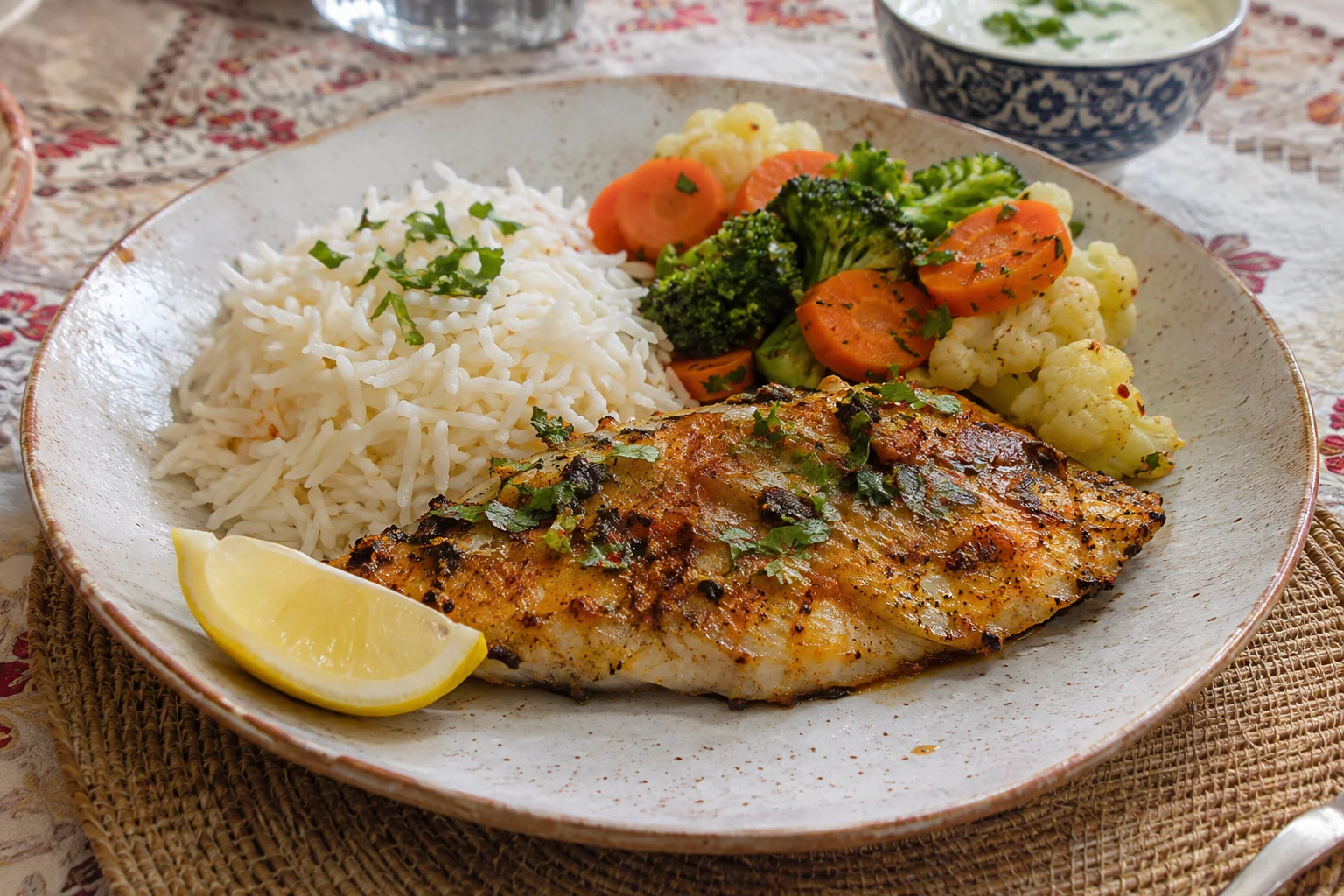
Fish and prawns provide protein and a range of vitamins and minerals. The quantities depend on species, portion and preparation. Oily fish such as sardines and salmon are useful sources of long-chain omega-3 fats; a pale white-fish fillet should not automatically be described as equally rich in omega-3. Deep frying, salty sauces and large amounts of ghee change the overall meal. Serve seafood with vegetables and a suitable portion of rice or roti rather than treating one ingredient as a health cure.
Mercury advice is species-specific. The US FDA/EPA advises people who are or may become pregnant or are breastfeeding to choose 8–12 ounces weekly from varied lower-mercury choices, generally two to three four-ounce servings from its Best Choices list. Its separate Good Choices and Avoid categories carry different limits. King mackerel, shark, swordfish, marlin, orange roughy, bigeye tuna and Gulf of Mexico tilefish are named Avoid choices. Do not classify an unidentified local fish from its nickname. Use the FDA/EPA species chart and seek advice where identity is uncertain. UK oily-fish limits address a separate question and should not be presented as Pakistan law.
There is no universal best month for every fish sold across Pakistan. Weather, farming, landings, transport and legal restrictions affect different supplies. Check current provincial fisheries notices before relying on a closed-season date; do not infer that all available frozen or farmed stock is illegal during a marine restriction. A cold winter day also does not replace refrigeration.
For comparison, UK NHS guidance limits oily fish to two portions weekly for girls and women who may become pregnant, are pregnant or breastfeeding, because of pollutants. This is UK guidance, separate from the US mercury chart; it is not a blanket limit on all white fish or prawns. Read the NHS fish and shellfish advice.
Prepare, cook and store seafood with care
Thaw seafood in the refrigerator in a covered container that catches drips. For a quicker method use a sealed bag in cold water, then cook promptly; microwave defrosting also needs immediate cooking. Follow special package directions, including instructions for vacuum-packed fish. Do not leave it thawing on a warm counter. Keep the raw board, knife and hands away from salad, bread and cooked food. Lemon juice, salt and masala add flavour but do not reliably make raw fish safe.
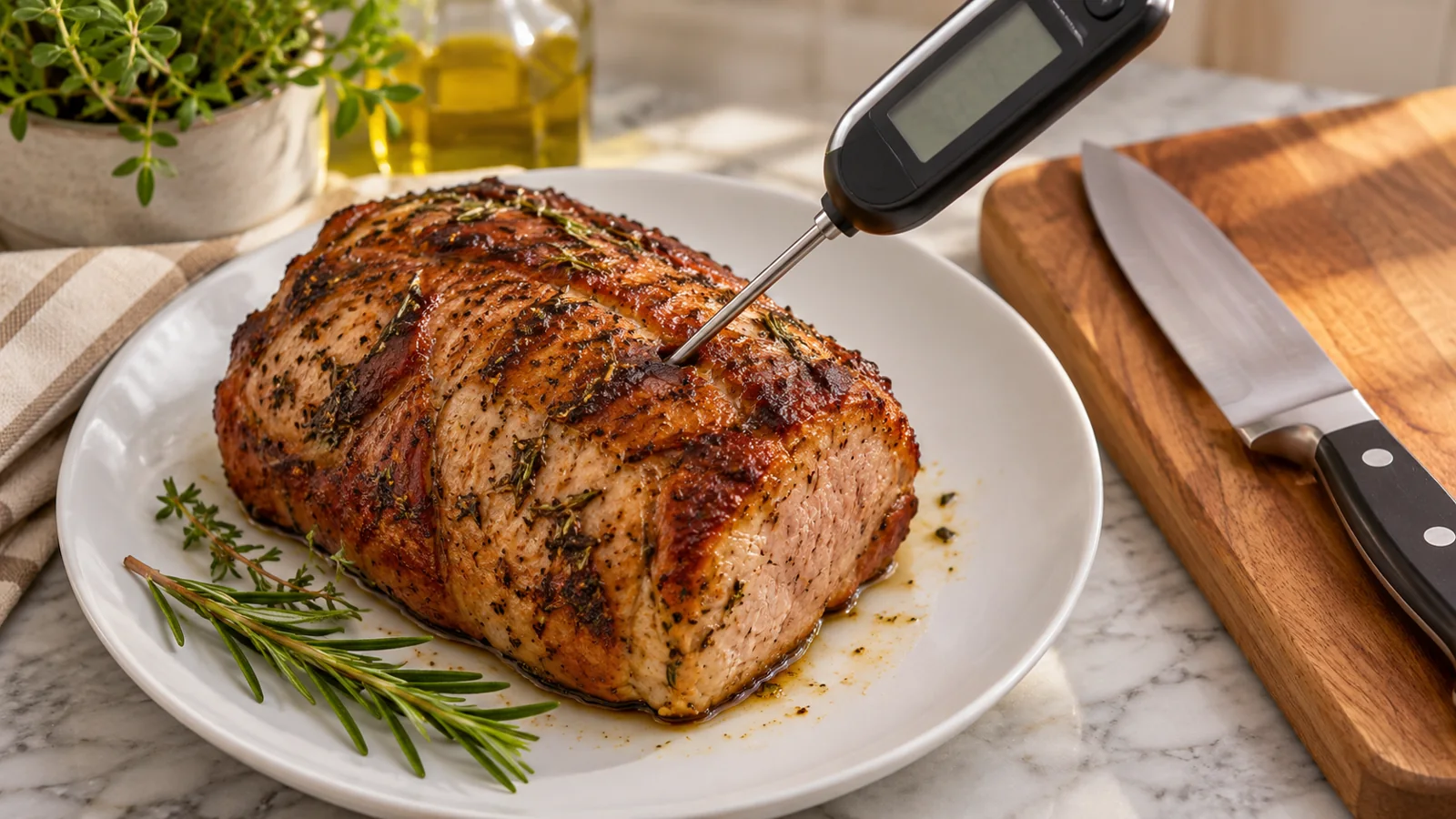
Pat fish dry before applying a light coating. Preheat the pan, leave space between pieces and let a crust form before turning. For curry, finish the sauce first and simmer the fish gently. Finfish should reach 63°C at the thickest part using a food thermometer. FDA describes cooked shrimp and prawns as firm, pearly and opaque; assess the thickest flesh and follow the product's cooking directions. Pink colour alone is not a universal raw-versus-cooked test. FDA safe food handling guidance distinguishes fish from crustaceans.
Refrigerate cooked food promptly in shallow containers, within two hours or within one hour when conditions exceed 32°C. Properly refrigerated leftovers generally keep three to four days under USDA leftovers guidance; use a shorter product deadline where given. Reheat leftovers to 74°C throughout. Fish and crustacean shellfish can trigger serious allergies; cooking does not make an allergen safe. Pregnant people, young children, older adults and people with weakened immunity should avoid raw or undercooked seafood.
Plan the next seafood meal
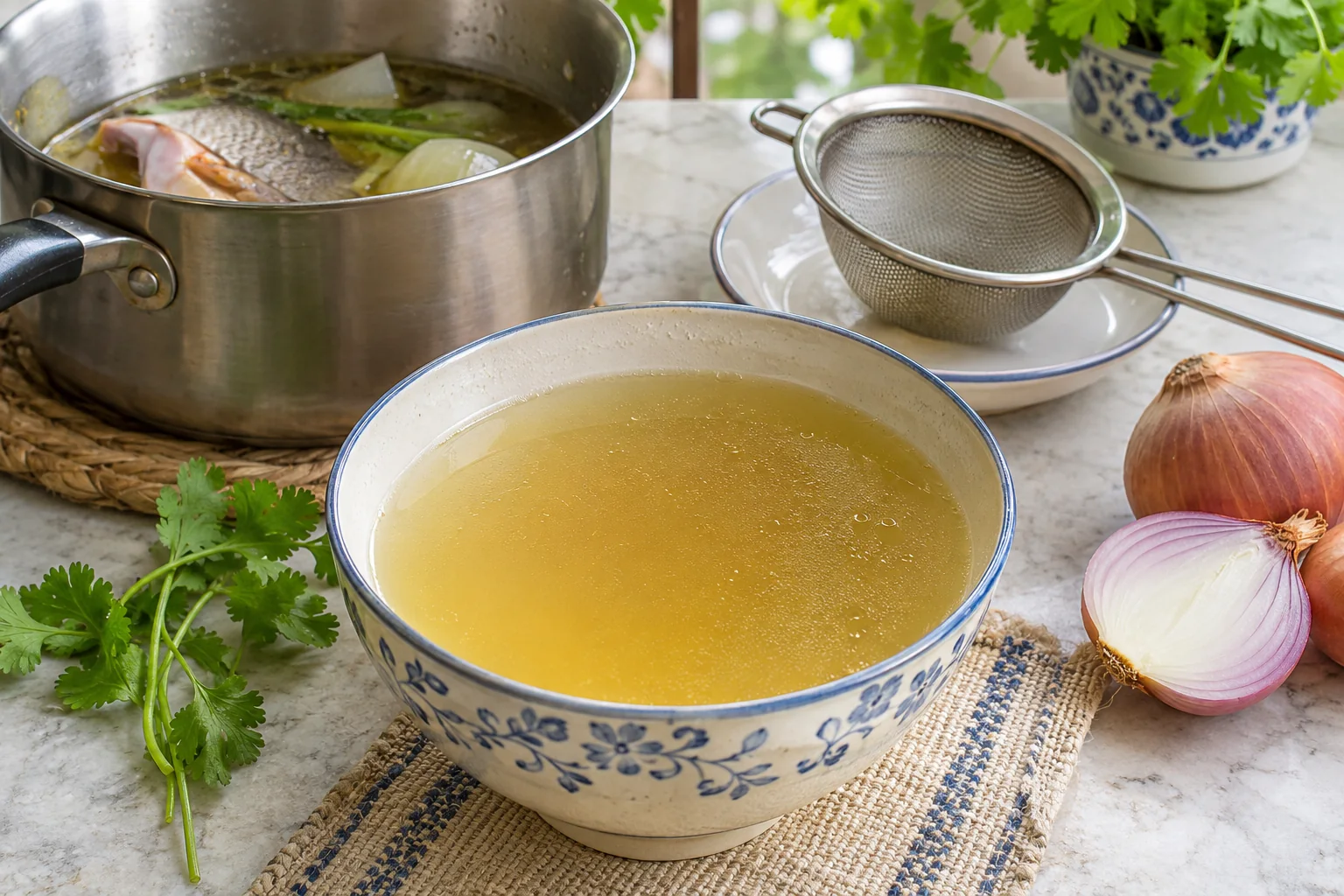
Use the white-fish guide to choose between steaks, fillets and whole fish. Follow the separate raw and cooked prawn guides when substituting prawns in a recipe. A cooked product cannot simply take the place of raw prawns for the full cooking time. For soup or rice, use properly strained stock as a flavour ingredient and add an appropriate protein portion if the recipe needs one.
Keep a simple shopping note: species, form, usable amount, cooking day and freezing plan. If buying several forms, portion them before freezing so the entire supply need not thaw for one meal. Label packets clearly and rotate older stock first. Consider the eater as well as the recipe: small children need careful bone checks; an allergic guest needs suitable food and utensils free from the relevant seafood contact. A separate serving spoon matters when dishes share a table.
Explore the meat and cut guides or the recipe collection, and use the buying, storage and cooking guide for household handling. Match the recipe to the ingredient you can buy reliably, rather than stretching a poor-quality purchase into a complicated dish. Fresh herbs, vegetables and spices improve a good meal; they cannot repair an unsafe cold chain.
Frequently Asked Questions
Is frozen fish worse than fresh?
No. Reliable freezing and transport can preserve good quality. Compare the actual species, packaging, label directions and handling history. Fish sold as fresh is not automatically safer, and thawed fish needs a clear cooking plan.
Is all fish in Pakistan seasonal in the same way?
No. Marine catch, freshwater farming, weather and provincial restrictions differ. Check current official notices and the actual source; there is no single permanent calendar for all seafood sold nationwide.
How we know this
- Type Explainer
- Sources 5 (2 official/academic)
- Reviewed November 2026
- Disputed points None
5 sources
- Fish and seafood department, METRO Pakistan
- Sea fish catalogue, FishMart
- Sindh closed-season information, Provincial Assembly of Sindh
- 2026 fishing restriction statement, Associated Press of Pakistan
- Safe minimum cooking temperatures, FoodSafety.gov
