
Ingredients & Spices · The complete guide
Beef Chuck: BuyingBraising and Storage
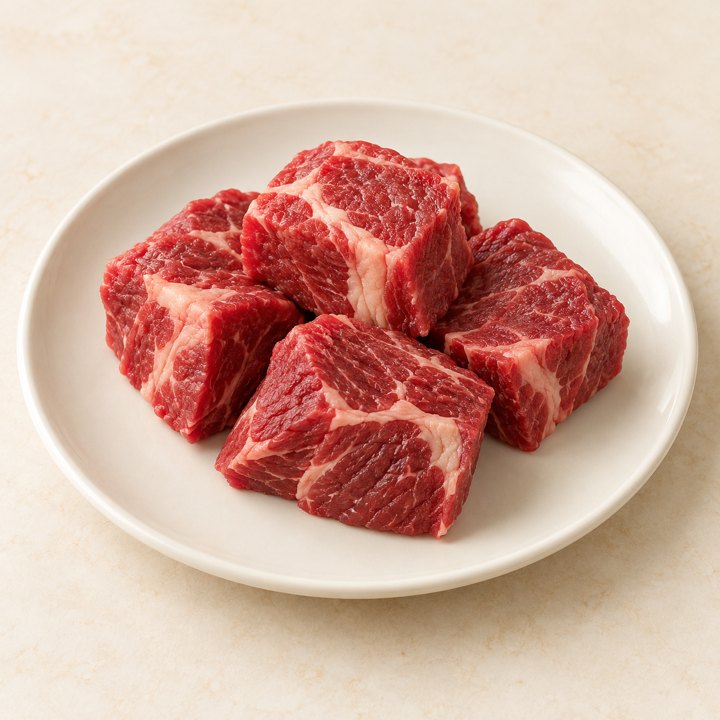
Chuck broadly describes cattle shoulder-region meat and includes several muscles with different grain, seams and amounts of connective tissue. A well-chosen piece is useful for qorma, stew, shredded fillings and some mince mixtures.
Chuck is a shoulder family, not one identical piece
Chuck broadly describes cattle shoulder-region meat and includes several muscles with different grain, seams and amounts of connective tissue. A well-chosen piece is useful for qorma, stew, shredded fillings and some mince mixtures. Generic boneless cubes tell you less than a named shoulder portion shown before cutting. Confirm cattle beef if species matters to your order.
The usual household pathway is a covered moist cook that lets connective tissue soften while protecting the pieces from drying. A chuck label does not guarantee steak tenderness. Some individual shoulder muscles are used differently; ask what the butcher has actually supplied before deciding on a quick grill.
Order evenly sized meat and compare edible yield
For a family qorma, ask for a named shoulder piece, even cubes and removal of heavy outer membrane. Say how you will cook it and whether you want a long braise or shreddable meat. Ask to see the piece before dicing, because mixing very lean pieces with tougher shoulder seams produces uneven results. For mince, agree on selected meat and added fat before grinding.
Ask whether the billed quantity is before trimming and how much bone, fat or membrane is included. Compare a boneless usable portion with another boneless usable portion. You may find shoulder economical for a slow dish without needing the premium associated with tender quick-cooking meat. Prices and terminology vary locally, so get current quotes and a clear specification.
Choose chilled stock from a clean seller and arrange an insulated journey home. Do not buy a very large discounted order without refrigerator or freezer capacity. Reserve a specific piece for a gathering rather than relying on mixed remaining cubes.
Braise gently before finishing the sauce
Use a tested qorma or stew recipe for the ingredients and liquid. Dry the surface with disposable paper if necessary, brown in manageable batches when directed, and keep cooked-off juices and browned flavours within the recipe. Crowding a pan produces more steaming; turn down the heat if the spice base is scorching before the meat is ready.
Add the specified liquid, cover and maintain a gentle simmer. Check a thick piece before reducing the sauce. If it is firm and connective tissue still resists, continue with enough moisture. Piece size, animal and pot influence cooking time. Avoid topping up with large amounts of water that will later demand aggressive boiling.
For shredded meat, cook until the pieces separate easily, then remove them with clean utensils, shred and return as the recipe directs. For a stew with tidy pieces, stop the tenderness stage before they completely collapse. A pressure cooker needs its own fill, minimum-liquid and release instructions; never trade away those requirements for a thicker sauce.
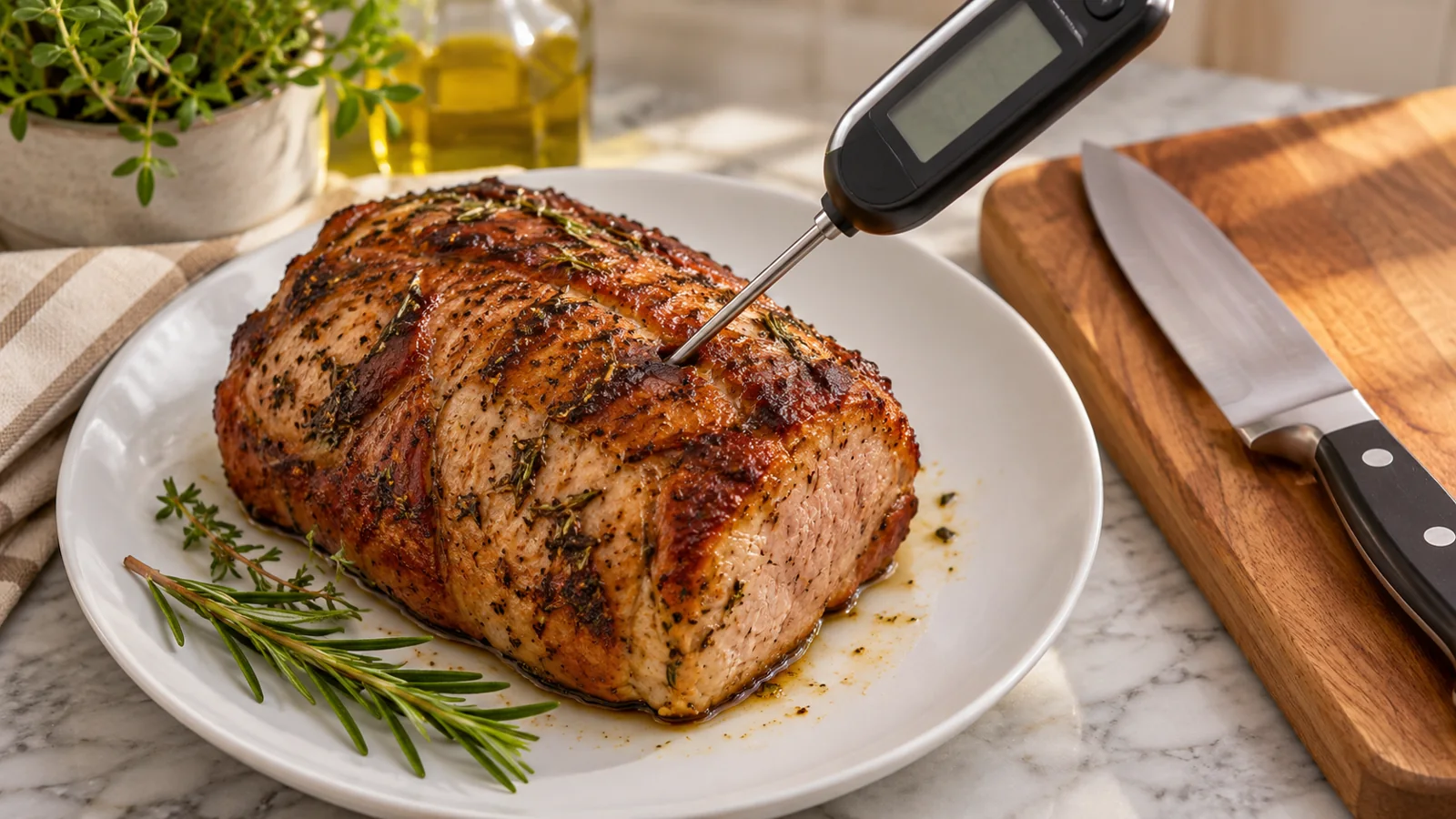
For cattle beef, USDA specifies at least 63°C in the centre of whole steaks and roasts, followed by at least a three-minute rest; ground beef must reach 71°C. Beef organs, including tongue, liver, heart and kidneys, also need 71°C. Place the thermometer in the thickest meat, away from bone and large pockets of fat. For thin pieces, insert sideways. Check several pieces in a mixed batch. A browned outside and a clear-looking juice are not reliable tests. USDA beef temperature guidance.
Shank, chuck, brisket and tail usually need further moist cooking for a pleasant texture after reaching a minimum safety temperature. Safety and tenderness answer different questions. Use a tested recipe and check the meat rather than promising a universal number of minutes. Follow a pressure cooker’s minimum-liquid, fill and release instructions; never force its lid open.
A thick chuck braise will commonly continue beyond a steak’s minimum temperature to soften connective tissue. That does not make a tough piece unsafe by definition or a tender piece safe by definition. Check the actual cooking process and maintain clean handling. A dark outside is particularly unhelpful when meat is coated with browned onion and spices.
If the curry is chewy, extend the moist stage before reducing. If it is dry and stringy, identify whether lean pieces have overcooked or been cut along the grain. Slice thinly across the fibres and serve with sauce; extra hard boiling cannot restore juices. If the sauce is too fatty, skim deliberately rather than adding more thickener to hide it.
Useful nutrition with realistic limits
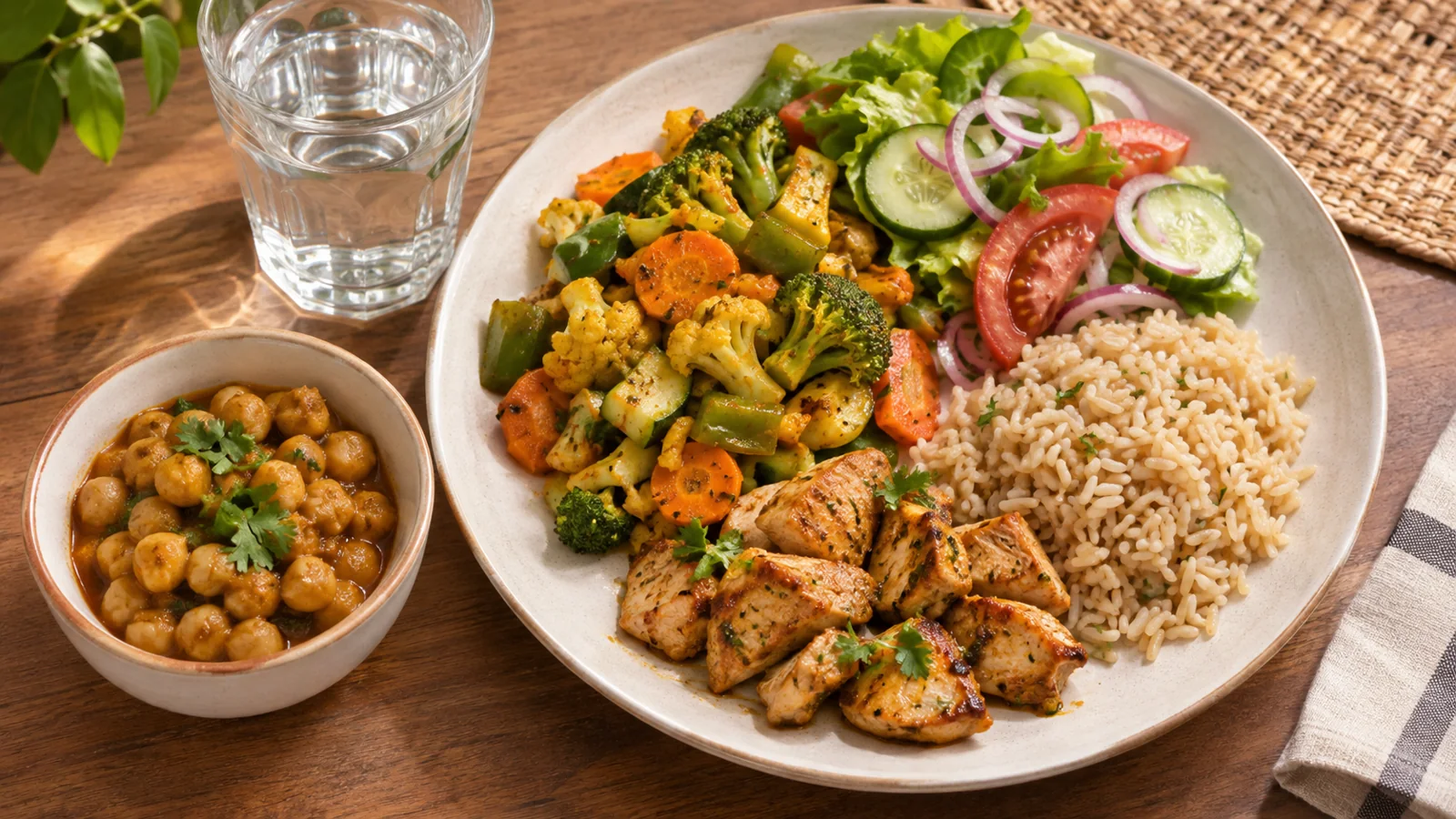
Beef muscle meat can contribute protein, iron, zinc and vitamin B12. Its value is as part of a varied meal: add vegetables, pulses or whole grains, and choose the amount of added oil deliberately. Fat content depends on the actual cut, trimming and recipe; a species name or a dark red colour cannot establish that a portion is lean. A dish with a large layer of ghee is different from a modest serving of trimmed meat. World Cancer Research Fund describes both these nutrients and the limits of red meat.
All mammalian muscle meat counts as red meat, so cattle, buffalo, camel, goat and lamb share the same weekly allowance. WCRF recommends that people who eat red meat limit it to about 350–500 g cooked weight per week and eat little, if any, processed meat. This is an international cancer-prevention recommendation, not a Pakistani recommended daily allowance or an individual treatment plan. Plain fresh mince is not automatically processed meat; curing, smoking and preservation change the category. Meat is optional in a balanced diet, and extra servings are not a treatment for tiredness, anaemia or any other illness.
Chuck can carry seams of fat as well as connective tissue. Trim excess surface fat if desired and agree on how much the butcher leaves. Trimming is different from removing all the collagen-rich tissue that helps a braise develop body. A rich gravy can be enjoyable in a modest portion, but neither gelatin nor a long cook makes unlimited servings a health benefit.
Choose a replacement by cooking method
Shank can replace shoulder in some long stews when you allow for its connective tissue and optional bone. A suitable brisket piece can also suit a braise. Do not substitute an unknown packet of boneless cubes and promise the same timing.
Chill, freeze and reuse with a plan

Refrigerate promptly at 4°C or below, in a covered leakproof container on the lowest shelf. Under a reliable cold chain, US guidance allows raw beef steaks and roasts 3–5 days, raw mince and variety meats 1–2 days, and cooked meat 3–4 days. These are upper handling guides, not a promise for meat bought warm or close to its labelled use-by date. Follow the earlier deadline and freeze what you will not use. FoodSafety.gov cold-storage chart.
Freeze in meal-sized flat packs at −18°C or below; write the species, cut and date before packing. Thaw in the refrigerator on a tray. Cold-water thawing needs a sealed bag and frequently changed cold water; cook immediately afterwards. Microwave-thawed meat also needs immediate cooking. Never thaw on the kitchen counter. Cool leftover curry in shallow containers and refrigerate promptly instead of leaving a large pot out overnight.
Wash hands and equipment after raw meat and keep salad preparation separate. Do not wash chuck under the tap. Refrigerate perishables within two hours, or one hour above 32°C, following the shorter product deadline. FDA home handling advice.
A cooled braise can become a later measured meal with vegetables or pulses, provided it was chilled and stored safely. Read the shank guide for another connective-tissue-rich cut, the sirloin guide for a different quick-cooking pathway, and the recipe collection for a dish matched to the actual purchase.
Reheat leftovers to 74°C throughout, as specified by FoodSafety.gov.
Plan portions and serving
Decide how many cooked meat portions the order should provide and how they fit the week’s red-meat total. Prepare vegetables and side dishes before raw-meat work. Portion leftovers deliberately and chill them promptly for a later meal rather than repeatedly warming a whole pot.
Recipes and useful next steps
Use the recipe collection after identifying the cut and quantity. Read the whole method before shopping, including equipment, required chilling and how the final dish is served. A recipe name alone does not identify the meat in an unlabelled packet.
Names and preparation formats
Chuck and shoulder describe a region with several muscles. Boneless, diced and minced describe preparation formats. Ask for the actual piece before it is cut, then agree on cube size, trimming and any fat retained.
Related recipe: Shami Kebab.
Related recipe: Bihari Kebab.
Related recipe: Haleem.
Related recipe: Nihari.
Related recipe: Arvi Gosht.
Related recipe: Beef Biryani.
Related recipe: Bong Paye.
Related recipe: Beef Karahi.
Related recipe: Bong Nihari.
Related recipe: Maghaz Nihari.
Related recipe: Beef Qorma.
Related recipe: Beef Pasanda.
Related recipe: Iranian Chelow Kebab.
Frequently Asked Questions
Is chuck suitable for a quick steak?
Chuck includes several shoulder muscles. Do not assume generic shoulder cubes are quick-cooking steak. Ask for the actual piece and intended use; many household chuck orders suit a moist braise.
Should I boil chewy chuck harder?
Usually a controlled gentle moist stage is more useful than aggressive boiling. Maintain liquid and test tenderness before sauce reduction. A lean piece that has already dried will not regain its juices through more boiling.
How long can I keep this beef in the refrigerator?
Keep it at 4°C or below and follow an earlier label deadline. US guidance gives whole beef steaks and roasts 3–5 days, mince and organs 1–2 days, and cooked meat 3–4 days under a reliable cold chain. Buy only what you can chill promptly, and freeze planned portions rather than stretching a deadline.
Keep Exploring
Related places and stories on DailyLife.pk

How we know this
- Type Explainer
- Sources 6 (4 official/academic)
- Reviewed November 2026
- Disputed points None
