
Travel destination
Harappa: The City That Named a Civilisation
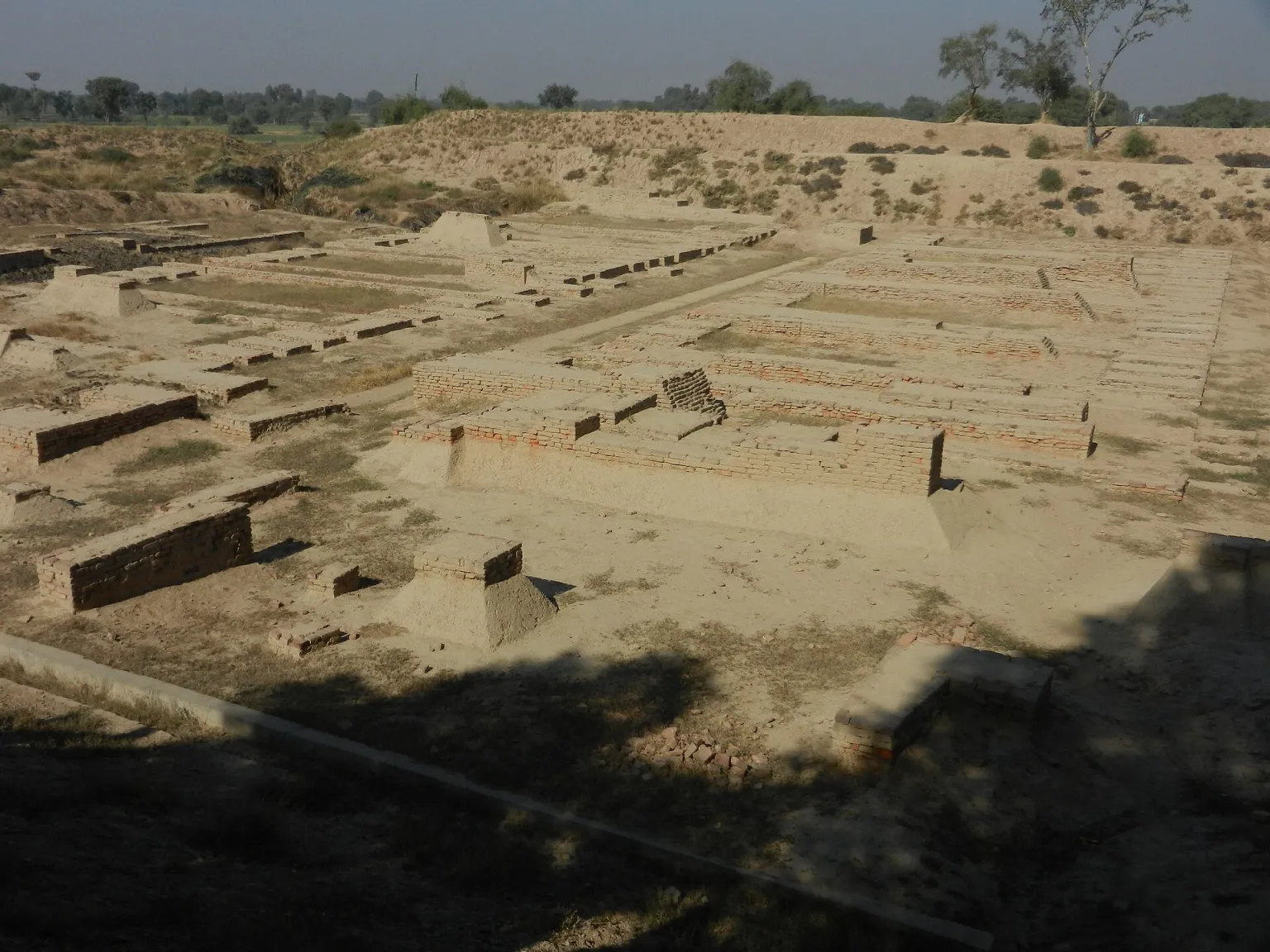
Brick mounds beside a dry bed of the Ravi in Sahiwal District, where in 1921 archaeologists first recognised the Bronze Age Indus civilisation.
- Sahiwal District, Punjab
- UNESCO Tentative List (2004)
- Best season November to March
Mound F, Harappa, Sahiwal District, Punjab
About Harappa
The low, eroded mounds outside the village of Harappa do not look like much from the road. Yet this is where the world first learned of the Indus, or Harappan, civilisation, one of the earliest urban cultures on earth, contemporary with ancient Egypt and Mesopotamia. The site lies on the old left bank of the Ravi, whose former channel is now dry, about 27 km south-west of Sahiwal in Punjab.
People settled here before 3000 BCE. By the mature Harappan period, roughly 2600 to 1900 BCE, the settlement had grown into a planned city of more than 100 hectares with walled mounds, brick houses, drains, workshops and cemeteries. UNESCO's tentative-list entry describes a layered sequence over 13 metres deep, running from early village phases through the great city to its gradual decline, with later Gupta, Mughal and colonial remains on top.
Harappa's modern story is partly a cautionary tale. In the 1850s railway contractors carted away bricks from the mounds for ballast, destroying many of the upper layers. Excavation proper began in January 1921 under Rai Bahadur Daya Ram Sahni of the Archaeological Survey of India, and his finds, together with those at Mohenjo-daro soon after, revealed a whole civilisation. Later work by Mortimer Wheeler in the 1940s and, since the 1980s, the Harappa Archaeological Research Project has refined the picture. Today the site is protected by the federal Department of Archaeology and Museums and has a small museum displaying seals, pottery, ornaments and tools.
Bring your imagination: the bricks are humble, but the city they outline was among the most advanced of its age.
What to See
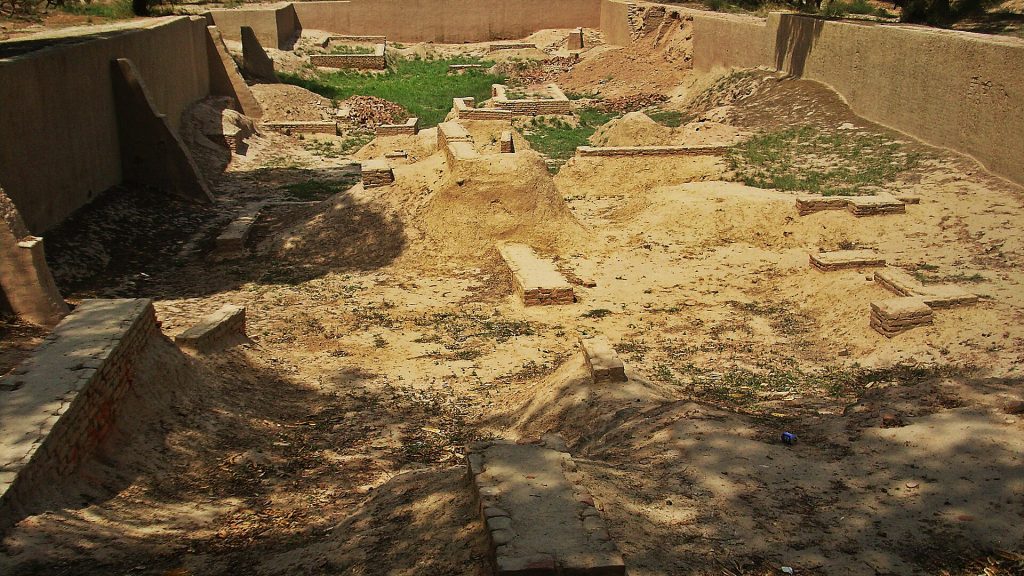
 Mound AB (the 'citadel')A high, walled mound on the western side, once fortified with a mud-brick rampart. Climb it for the best overview of the site.
 Mound F and the 'granary'North of the citadel, a large brick platform long interpreted as a granary or great hall, with rows of working floors and workers' quarters nearby.
Plan Your Trip
Best Time to Visit
November to March
Winter days are mild and clear. From May to September central Punjab is extremely hot and the site has little shade.
How to Reach
Via Sahiwal
Harappa lies about 27 km south-west of Sahiwal and roughly 160 km south-west of Lahore. Drive or take a bus or train to Sahiwal, then a taxi or rickshaw to the site; allow most of a day for a return trip from Lahore.
Where to Stay
Sahiwal or Lahore
Most visitors come on a day trip. Sahiwal has mid-range hotels; Lahore and Multan offer far more choice.
Food & Water
Bring supplies
Facilities at the site are limited. Eat in Sahiwal or at roadside dhabas on the main road, and carry water.
Culture
A farming village
The site is surrounded by fields and a working village. Dress modestly and ask before photographing people.
Practical tips
Sun and footing
Wear a hat and sturdy shoes; brick surfaces are fragile and some slopes are loose.
Suggested Visit Plan
- 1
Check opening and fees
Harappa is a protected site of the federal Department of Archaeology and Museums; confirm opening days, museum hours and ticket prices before travelling. Regional travel information is available from TDCP.
- 2
Early start from Lahore
Leave early along the road to Sahiwal so that you reach the site in the cool of the morning.
- 3
Museum first
Begin at the museum to see seals, ornaments and pottery; it makes the mounds far easier to read.
- 4
Walk the mounds
Climb Mound AB, then walk to Mound F and the 'granary' area, and on to the southern mounds and gateways.
- 5
Lunch and return
Eat in Sahiwal and head back, or continue south-west towards Multan to make a longer trip.
Visit Responsibly
- Stay on paths and do not climb on excavated walls; salt damage has already weakened many bricks.
- Never pick up or pocket potsherds, beads or bricks; surface finds belong to the site's record.
- Do not use metal detectors or dig.
- Carry out all litter, including plastic bottles.
- Hire local guides and buy from local vendors.
Nearby Places
SahiwalThe district town, known for its breed of dairy cattle and as the base for Harappa.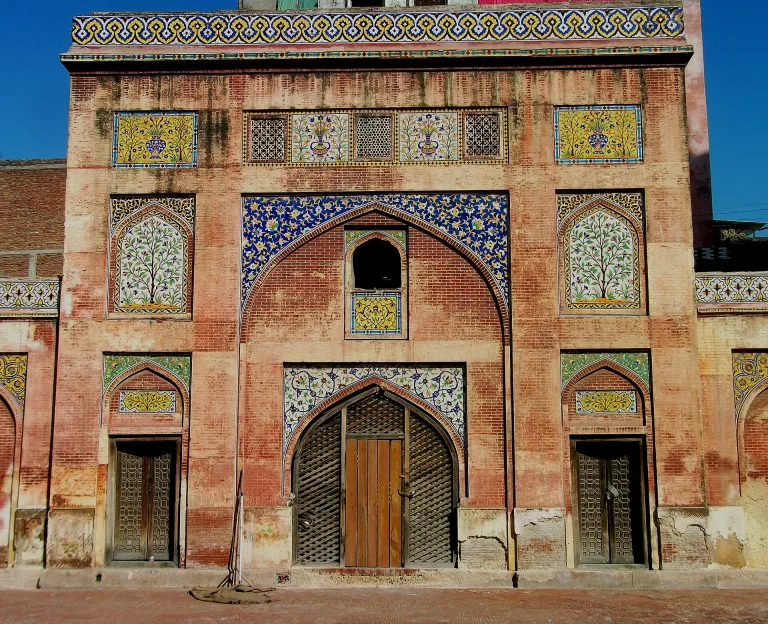 Walled City of LahoreMughal mosques, gateways and food streets around the Lahore Fort.
 Mohenjo-daroHarappa's great sister city on the Indus in Sindh, a UNESCO World Heritage Site.Indus Valley CivilisationOur guide to the cities, crafts and mysteries of the Bronze Age Indus world.
Harappa Through Time
Every dated moment our guides record about Harappa, from its own history and from national events that touched it. Each entry links to its source page.
- c. 3300–1300 BCE
Harappa flourishes
A settlement on the old course of the Ravi grows into one of the largest cities of the Indus Civilisation, covering more than 100 hectares at its height.
- c. 2600–1900 BCE
The Indus cities
Mohenjo-daro in Sindh and Harappa in Punjab flourish as planned cities with drains, standard bricks and weights, and a still-undeciphered script.
- c. 2600 BCE
Harappa
The nearby Indus city of Harappa flourishes.
- c. 2600–1900 BCE
Indus cities
Mohenjo-daro and Harappa reach their peak: grid-like streets, brick houses, covered drains and the Great Bath.
- c. 2600–1900 BCE
The Indus city at its height
Mohenjo-daro flourishes as one of the main centres of the Indus Civilisation, alongside Harappa, some 590 km to the north, trading in beads, shell, metal and stamped seals.
- c. 2600 BCE
Rise of the cities
A complex urban civilization centred on Mohenjo-daro and Harappa emerges, with planned streets, drains, standard bricks and weights.
- 3rd millennium BCE
Indus Valley Civilization
Planned cities such as Mohenjo-daro and Harappa flourished along the Indus; Mohenjo-daro became a UNESCO World Heritage Site in 1980.
- 1856
Ruins dug for ballast
Bricks from Harappa's mounds are removed for railway ballast during construction of the Lahore–Multan line, destroying many later layers.
- May 1857 – 1858
The War of 1857 in Punjab, Sindh and the Frontier
The uprising of 1857 against the East India Company reached the lands that are now Pakistan through mutinies and disarmings in Peshawar, Mardan, Jhelum, Sialkot and Karachi, and through rural risings in the Ravi country around Gogera and in the hills near Murree. The Company…
- 1921
Harappa excavated
Systematic excavations begin, revealing the scale of the Bronze Age city.
- 1921–1922
Rediscovery
Excavations at Harappa (1921) and Mohenjo-daro (1922) reveal that both belong to the same forgotten civilization.
- 1922–1931 (announced 20 September 1924)
Discovery of Mohenjo-daro
Excavations that began at Mohenjo-daro in Sindh in 1922 revealed a planned Bronze Age city of the Indus Civilization. Announced to the world in 1924, the finds pushed the known history of the region back by thousands of years.
- 1922
Identification
R. D. Banerji of the Archaeological Survey of India recognises the mound's significance, two years after excavation began at Harappa.
- 20 September 1924
Announcement
John Marshall announces the discovery of a new civilization at Harappa and Mohenjo-daro in the Illustrated London News.
- 2004
Ten more candidates
Entries include Mehrgarh, Harappa, Baltit Fort, Ranigat and the Tomb of Shah Rukn-e-Alam.
Do you remember Harappa as it used to be? Share a memory or an old photo, our editors review every story before it appears.
Frequently Asked Questions
Why is Harappa important?
It was the first site where the Bronze Age Indus civilisation was recognised, after excavations began in 1921, which is why the civilisation is often called 'Harappan'.
How old is Harappa?
The federal archaeology department gives a relative chronology of about 3500 to 1800 BCE, with the great city flourishing roughly 2600 to 1900 BCE.
Is Harappa a UNESCO World Heritage Site?
Not yet. It has been on Pakistan's UNESCO Tentative List since 2004.
How do I get to Harappa from Lahore?
Travel to Sahiwal by road or rail, then take a taxi or rickshaw about 27 km to the site. A return trip from Lahore takes most of a day.
Is there a museum at Harappa?
Yes, a small site museum displays finds such as seals, beads, pottery and figurines. Check opening days with the Department of Archaeology and Museums.
Keep Exploring
Related places and stories on DailyLife.pk
Mohenjo-daroPlan a visit to Mohenjo-daro, Sindh: the Great Bath, citadel stupa, lower town and museum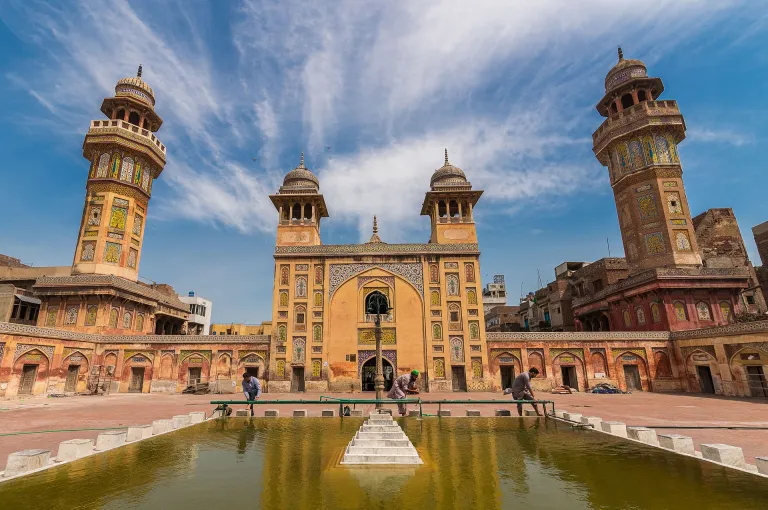 Walled City of LahoreExplore the Walled City of Lahore: Delhi Gate, the Royal Trail, Wazir Khan Mosque, Shahi Hammam
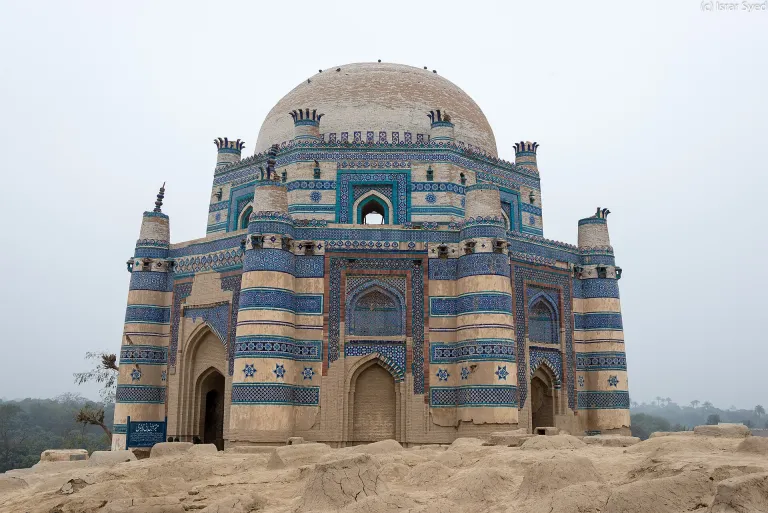 Uch SharifVisit Uch Sharif in Bahawalpur District: Bibi Jawindi's tomb, the Bukhari shrines, Sufi historySahiwalSahiwal city guide: Harappa's Indus Valley ruins, the Montgomery-era railway town, Sahiwal cattle, food, historyChichawatniChichawatni city guide: the Chichawatni plantation forest, cattle market, kabaddi, Harappa nearby, 1857 history
 LahoreLahore travel guide: Badshahi Mosque, Lahore Fort, Shalimar Gardens, the Walled City, food streets, neighbourhoods, metro
How we know this
- Type Travel guide
- Sources 6 (5 official/academic)
- Reviewed October 2026
- Disputed points None
Rules and fees change, confirm with the official links below before you act.
6 sources
- Archaeological Site of Harappa (Tentative List), UNESCO World Heritage Centre
- Harappa: protected site, Department of Archaeology and Museums, Government of Pakistan
- First excavations at Harappa, Harappa.com
- Harappa, Encyclopaedia Britannica
- Indus civilization, Encyclopaedia Britannica
- Archaeological Ruins at Moenjodaro, UNESCO World Heritage Centre
Photo credits (4)
- View of Granary and Great Hall on Mound F - Archaeological site of Harappa.jpg, Muhammad Bin Naveed, CC BY-SA 3.0, via Wikimedia Commons
- Harappa Ruins - IV.jpg, Hassan Nasir, CC BY-SA 3.0, via Wikimedia Commons
- Courtyard of Wazir Khan Mosque, Lahore.jpg, Muhammad Umair Mirza, CC BY-SA 4.0, via Wikimedia Commons
- Mohenjodaro - view of the stupa mound.JPG, Saqib Qayyum, CC BY-SA 3.0, via Wikimedia Commons
