
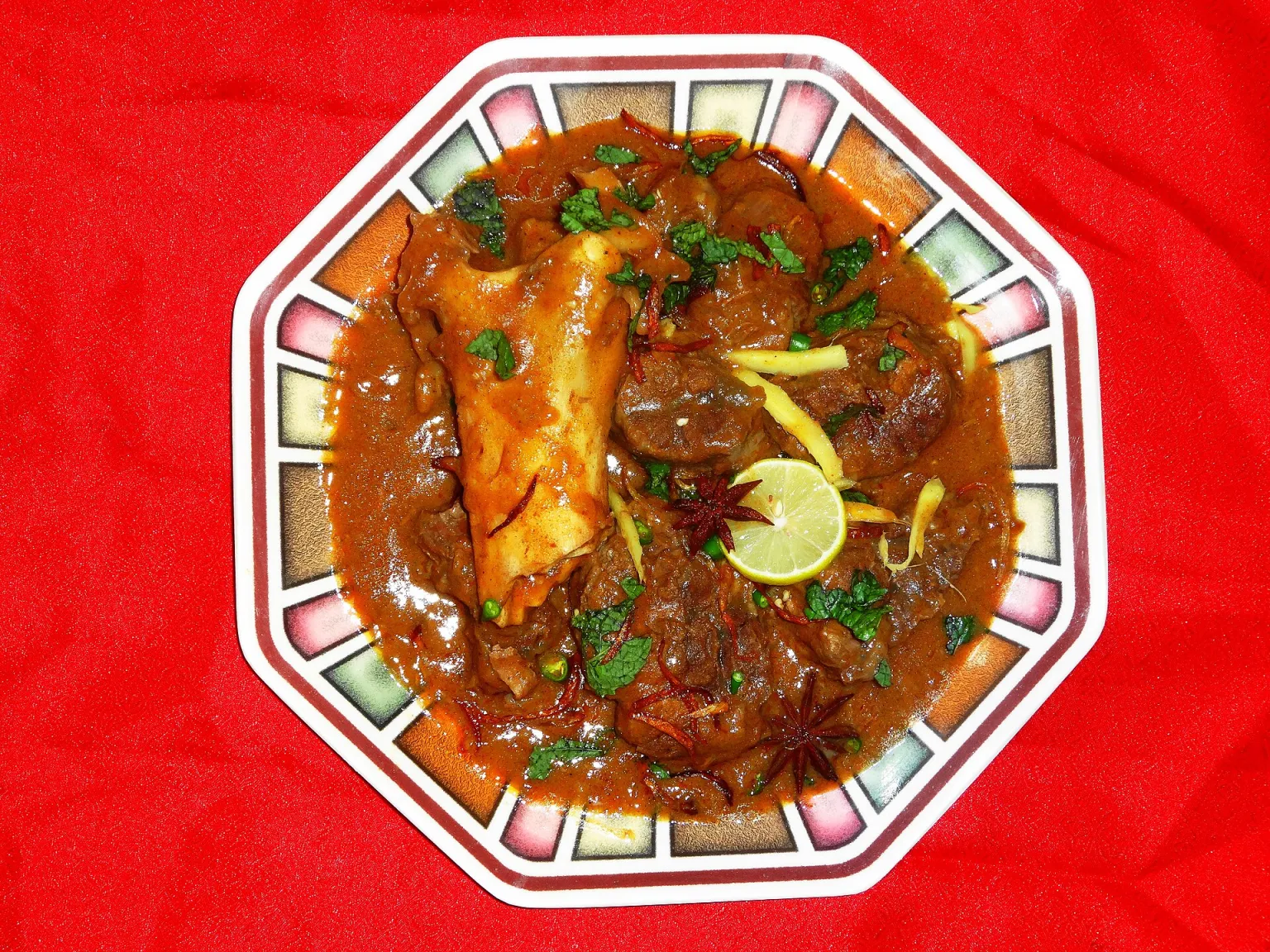
Cooking guide
The Pressure Cooker: Pakistan's Kitchen Workhorse
How to use a pressure cooker safely for daal, chana, beef, mutton, nihari and paye, why 'whistles' are not a unit of time, and rough timings to start from.
- Fill no more than ⅔ (½ for pulses)
- Timings vary by model
- Never force the lid open
Pakistan
Why Pakistan Cooks Under Pressure
In many Pakistani homes the stovetop pressure cooker, with its rocking weight and shrill seeti (whistle), is used almost daily. Tough, flavourful cuts of beef and mutton, bony paye, chana daal and dried beans all need long, wet cooking, and a pressure cooker raises the boiling point of the water inside so they soften in a fraction of the time. That saves time and fuel, and makes a weekday daal gosht possible.
The principle is the same whether you use a traditional aluminium or steel stovetop cooker or an electric multi-cooker: a sealed pot traps steam, pressure builds, and the temperature inside climbs above the normal boiling point. The details are not the same. Pressure levels, valve designs and heating speeds vary between brands and models, so the timings on this page are rough starting points, not tested recipes. Your cooker's manual always comes first.
A pressure cooker is a finishing tool for the long simmer. Do the bhunai first, or after: many cooks fry the masala, add the meat and water, pressure-cook until tender, then open the pot and fry the masala down again until the oil separates.

Pressure Cooker Safety
- Read the manual for your model and follow its fill lines, liquid minimums and release instructions.
- Never fill above two-thirds; for dry beans, peas, grains and soups that foam and expand, no more than half (Presto's guidance; many manufacturers set the same limits).
- Always add enough liquid to make steam; a dry pressure cooker can scorch and overheat.
- Before each use, look through the vent pipe to check it is clear, and check that the rubber gasket is soft, clean and seated properly. Replace a cracked or stretched gasket.
- Skim the foam off daal and beans before closing the lid; foam can block the vent. Adding a spoonful of oil helps, as Presto suggests for dry beans.
- Do not pressure-cook very foamy foods such as split peas, porridge-type cereals or pasta unless your manual says you can.
- Point the valve away from you and from cupboards, and keep children away during cooking and release.
- Never force the lid open. Wait until all pressure has dropped and the lid turns freely.
- For pulses and foamy dishes, let the pressure release naturally rather than lifting the weight.
- Do not use a pressure cooker for home canning unless it is specifically designed and approved for that.
Whistles vs Minutes
Pakistani recipes often say 'cook for three whistles'. A whistle is the weight lifting to release excess steam, and how often that happens depends on the cooker, the flame, the amount of food and liquid, and whether you lower the heat after the first one. Three whistles on a big flame can come in ten minutes; on a low flame the same three can take far longer. That is why whistles are a habit, not a measurement.
A more repeatable method: bring the cooker up to full pressure (the first whistle, or the indicator rising on modern cookers), turn the heat down to low so it stays just at pressure, and then time it in minutes. Note what worked in your own cooker and use that next time. Electric cookers work in minutes already.
Rough Timings to Start From
| Food | Minutes at full pressure (rough) | Whistles (very rough, stovetop) | Release |
|---|---|---|---|
| Split masoor or moong daal | Often not needed; about 2–5 | 1–2 | Natural |
| Mash daal (soaked) | About 5–10 | 1–3 | Natural |
| Chana daal (soaked) | About 8–15 | 2–4 | Natural |
| Whole masoor (sabut) | About 5–12 | 2–4 | Natural |
| Lobia (black-eyed peas, soaked) | About 5–8 (USA Pulses) | 1–3 | Natural |
| White chickpeas (soaked) | About 7–12 (USA Pulses); longer for very soft cholay | 3–6 | Natural |
| Rajma (soaked) | About 7–12 (USA Pulses); cook until completely soft | 3–6 | Natural |
| Chicken, bone-in pieces | About 5–10; often easier without pressure | 1–2 | Quick or natural |
| Mutton or goat, bone-in curry cut | About 15–25 | 4–6 | Natural |
| Beef, bone-in curry cut | About 25–40 | 5–8 | Natural |
| Beef shank for nihari | About 40–60 | Not advised; time it | Natural |
| Paye (trotters) | About 45–90, often in two stages | Not advised; time it | Natural |
Pulse times for soaked beans at high pressure from USA Pulses; other figures are rough kitchen ranges, not tested recipes. Pressure levels and heating speed vary by brand and model; age of meat and pulses, piece size and altitude also change times. Always check tenderness and follow your manual.
Cooking in the mountains? Water boils at a lower temperature at altitude, so everything takes longer, which is exactly why pressure cookers are so popular in Gilgit-Baltistan, Chitral and the hill stations. Colorado State University Extension suggests increasing bean cooking time in an electric pressure cooker by about 5% for every 1,000 feet (about 300 m) above 2,000 feet (about 600 m). Check tenderness before serving.
A Basic Method for Meat Curries
- 1
Fry the base in the open cooker
Brown onions, add ginger-garlic and the meat, and fry until the meat changes colour and its juices dry off.
- 2
Add tomatoes, spices and water
Add enough water to cover the meat partway, keeping well below the two-thirds line. Scrape the base so nothing is stuck, as stuck bits can scorch under pressure.
- 3
Close and bring to pressure
Lock the lid, put the weight on and heat until full pressure is reached.
- 4
Lower the heat and time it
Turn to low and time according to the cut (see table).
- 5
Release and check
Let pressure drop naturally, open carefully away from you, and check the meat. If it's not tender, close and cook a few minutes more.
- 6
Bhuno to finish
Cook uncovered on medium-high heat to reduce the gravy and fry the masala until the oil separates.
Pressure Cooker Troubleshooting
| Problem | Likely cause | Fix |
|---|---|---|
| Steam leaking from the lid rim | Worn or dirty gasket, lid not seated | Clean or replace the gasket; check the rim for dents. |
| No whistle after a long time | Too little liquid, gasket leak, flame too low | Turn off, let it cool, open and check liquid and gasket. |
| Froth spraying from the vent | Overfilled with pulses, foam not skimmed | Turn off, let it release naturally; next time fill to half and skim. |
| Burnt smell | Masala stuck to base, too little water | Turn off, release, and transfer unburnt food to a clean pot without scraping the base. |
| Meat still tough | Older animal, large pieces, not enough time | Cook a few more minutes at pressure; cut pieces evenly. |
| Daal turned to mush | Overcooked | Use fewer minutes or cook quick daals in an open pot. |
| Watery gravy | Pressure cooking adds no evaporation | Simmer uncovered after opening to reduce. |
Recipes Made Easier Under Pressure
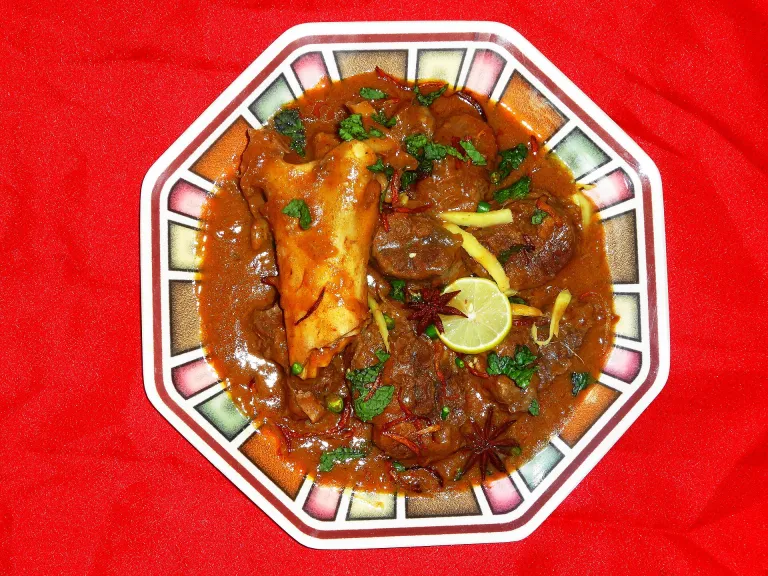 NihariBeef shank and spiced gravy: hours shortened.
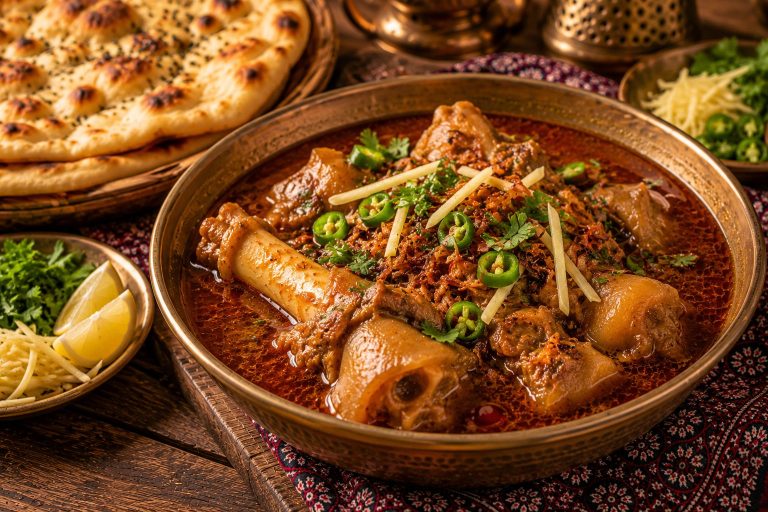 PayaTrotters in a rich, gelatinous broth.
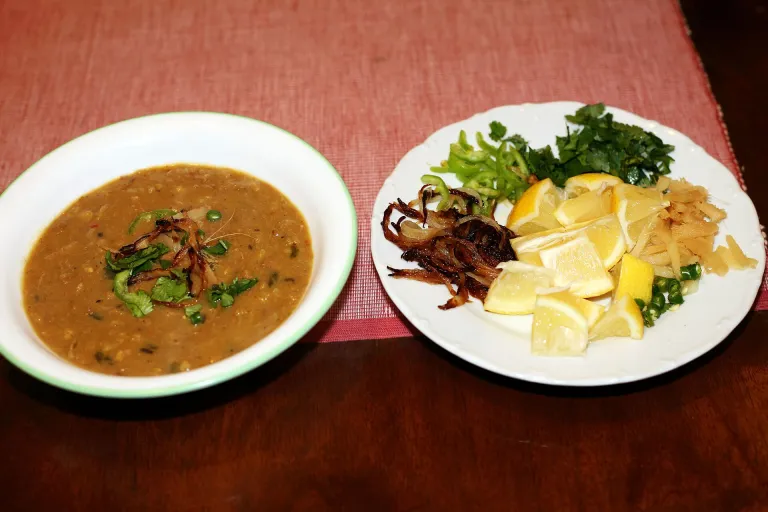 HaleemMeat and grains cooked soft before the long final stir.
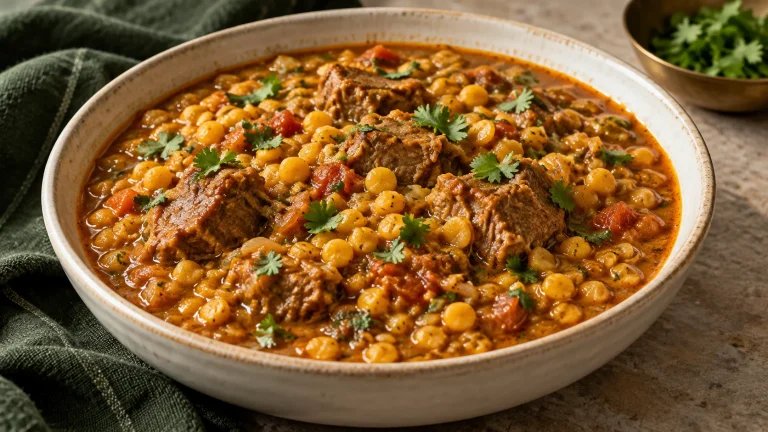 Daal GoshtChana daal and meat cooked together.
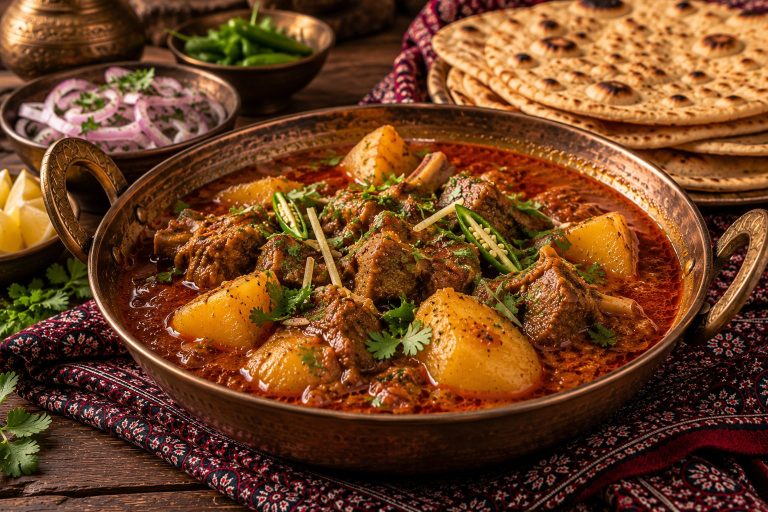 Aloo GoshtMeat pressure-cooked, potatoes added after.
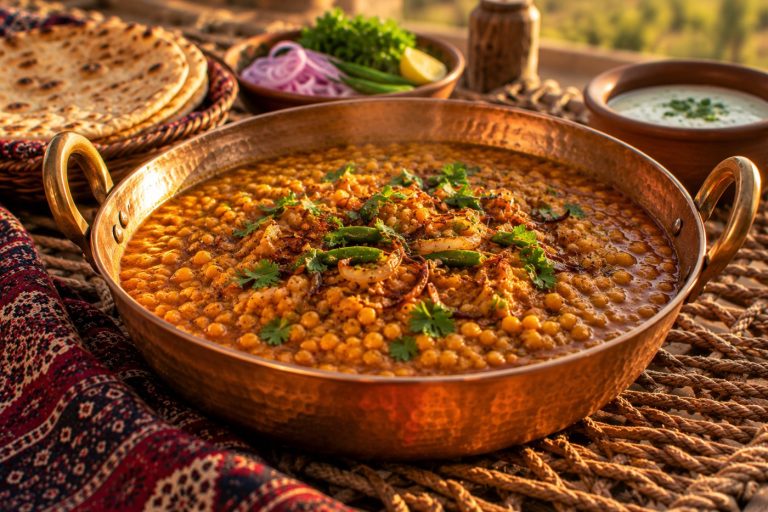 Chana DaalSplit chickpeas in minutes rather than an hour.
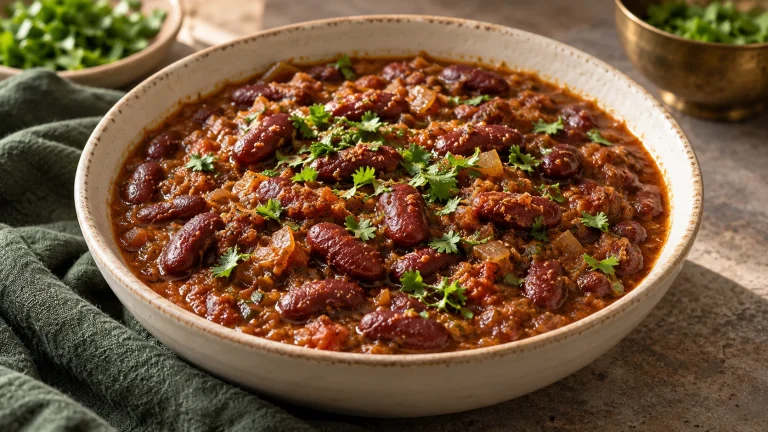 Rajma CurryKidney beans, soaked and cooked until fully soft.
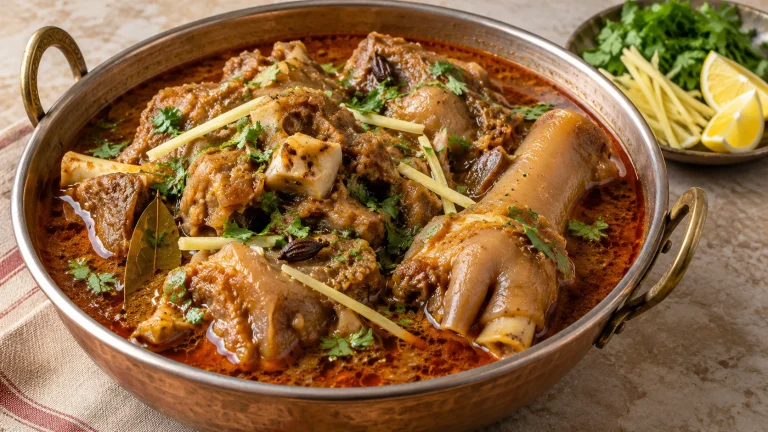 Siri PayeHead and trotters, a winter breakfast favourite.
Frequently Asked Questions
How long is one whistle?
There is no fixed answer. It depends on the cooker, the flame, the quantity and the liquid. For repeatable results, bring the cooker to full pressure, lower the heat and time it in minutes.
How full can I fill a pressure cooker?
Generally no more than two-thirds, and no more than half for dry beans, pulses, grains and soups that foam and expand. Check your manual, which may set different limits.
Is it safe to cook rajma in a pressure cooker?
Yes, as long as the soaked beans are cooked until completely soft. Raw or undercooked kidney beans contain a lectin that causes illness; the FDA advises soaking and then boiling in fresh water for at least 30 minutes.
Should I use natural or quick release?
Natural release (letting pressure drop on its own) is safer for daal, beans and anything that foams. Quick release can be used for some meat and vegetables if your manual allows, keeping the valve pointed away from you.
Can I cook rice in a Pakistani pressure cooker?
You can, but the result is softer and less separate. It suits khichdi; for pulao and biryani an open pot and dum give better grains.
Keep Exploring
Related places and stories on DailyLife.pk
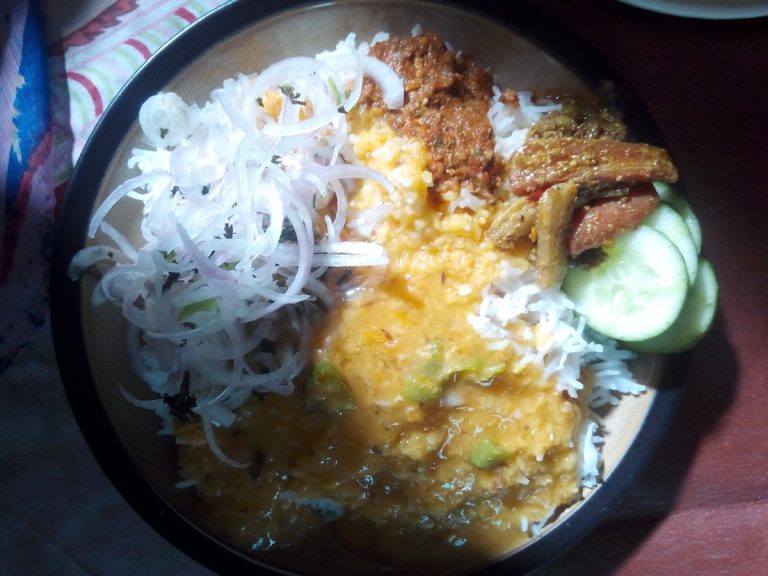 Cooking Daal and BeansCook Pakistani daal and beans: soaking times, pot vs pressure cooker, the tarka
 Bhunai: The Art of Browning MasalaHow to do bhunai: onion stages, when the oil separates, adding spices and meat
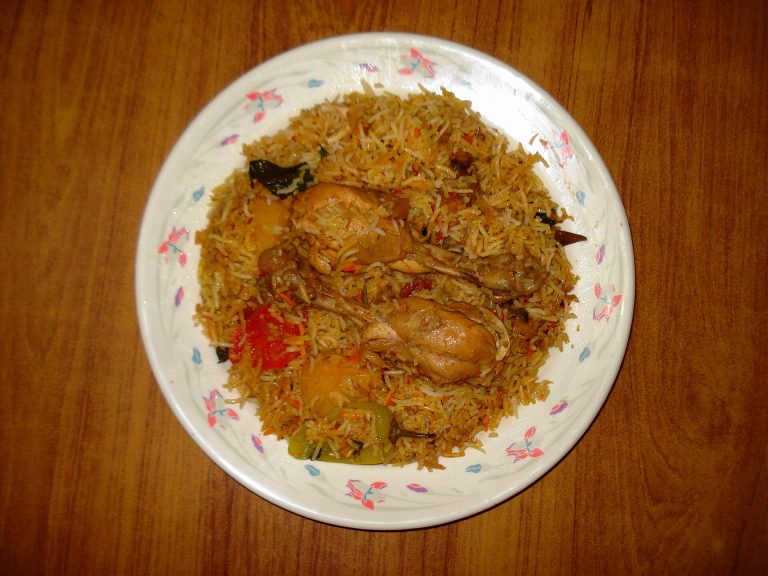 Dum CookingHow to cook on dum: sealing a pot with dough or foil
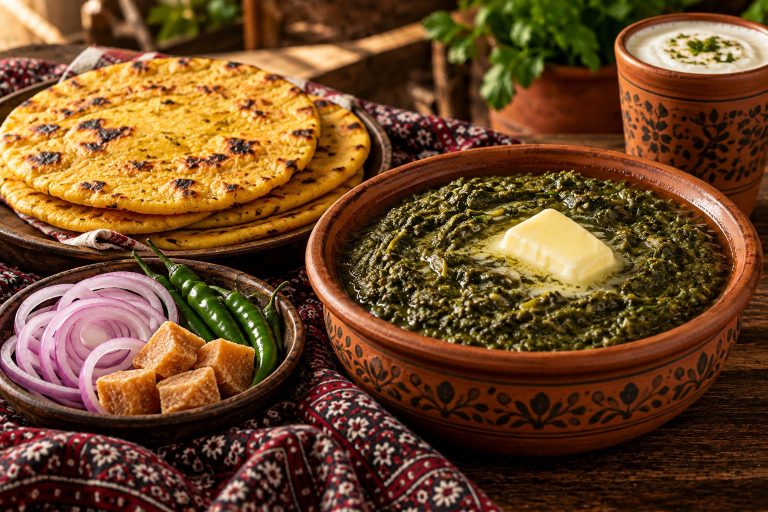 Punjabi CuisinePunjabi food guide: saag and makai roti, halwa puri, paye, Lahori fried fish, sohan halwa, lassi
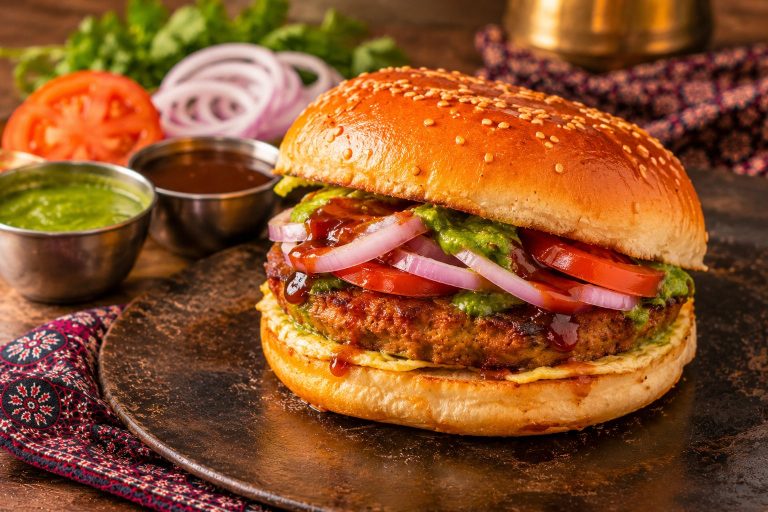 Karachi Street FoodKarachi street food guide: Burns Road nihari and rabri, bun kebab, haleem, biryani, chaat
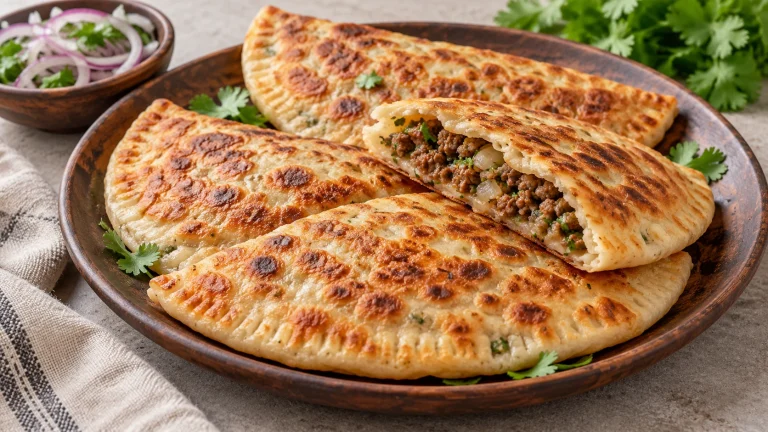 Gilgit-Baltistani CuisineGilgit-Baltistan food guide: chapshuro, mantu, phitti bread, giyaling, prapu, apricots and apricot oil
How we know this
- Type Explainer
- Sources 5 (3 official/academic)
- Reviewed October 2026
- Disputed points None
5 sources
- Pressure cooker instructions and recipe book (fill limits, foods not to pressure cook, timetables), National Presto Industries
- Under Pressure: electric pressure cooker basics (Knowledge @ Noon), K-State Research and Extension, Marais des Cygnes District
- How to make pulses, USA Dry Pea & Lentil Council (USA Pulses)
- Cooking dry beans, Colorado State University Extension
- Natural Toxins in Food (phytohaemagglutinin in kidney beans), U.S. Food and Drug Administration
Photo credits (5)
- Pakistani Haleem served with garnish.jpg, Halt123halt, CC BY-SA 3.0, via Wikimedia Commons
- Beef Nihari.JPG, Miansari66, CC0, via Wikimedia Commons
- Aloo Gosht (illustration), DailyLife.pk, Illustrative image
- Paya (illustration), DailyLife.pk, Illustrative image
- Chana Daal (illustration), DailyLife.pk, Illustrative image
