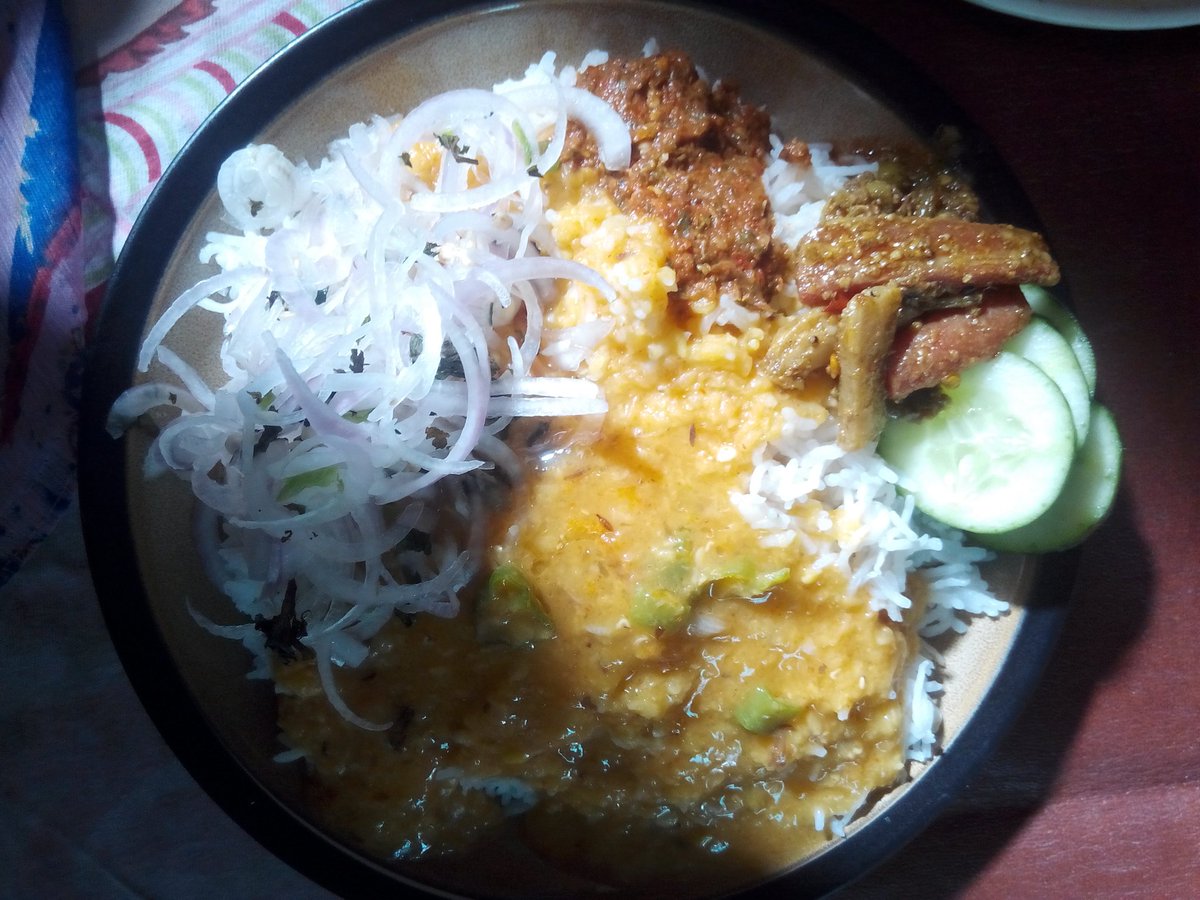
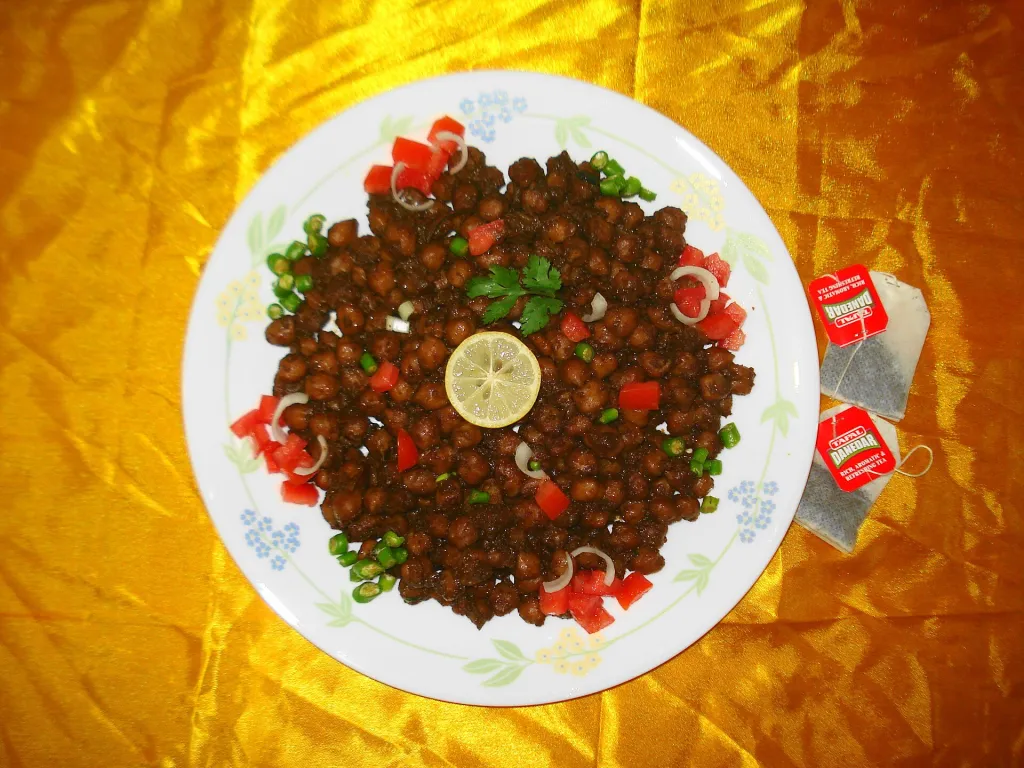
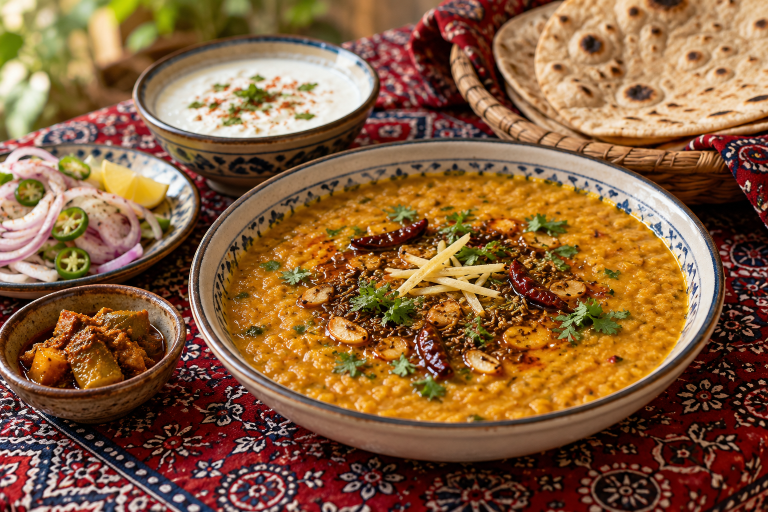
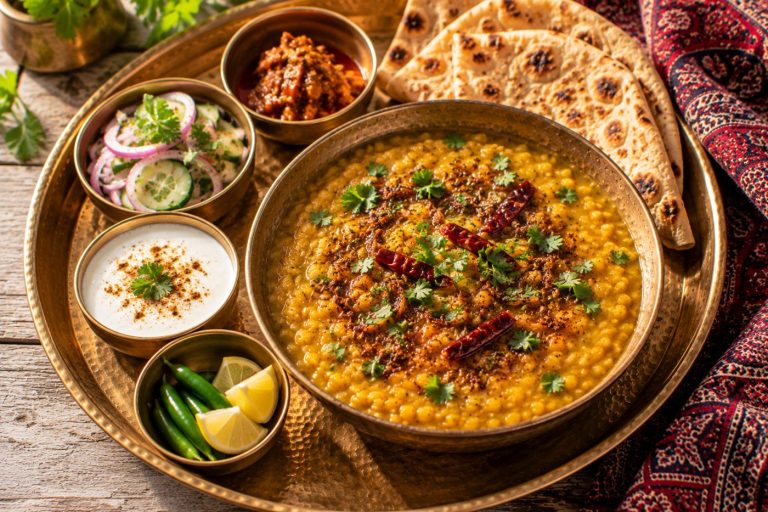
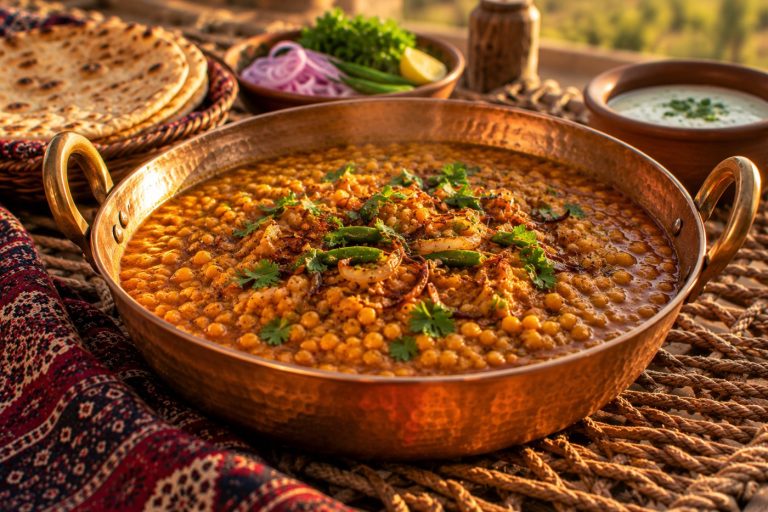
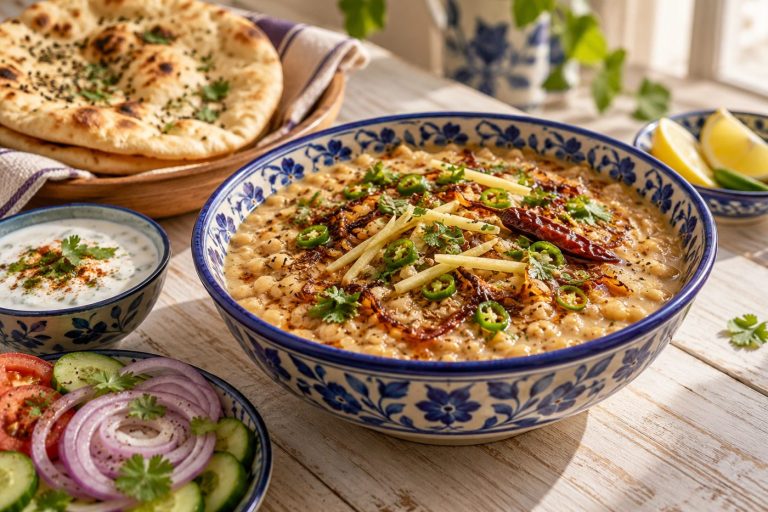
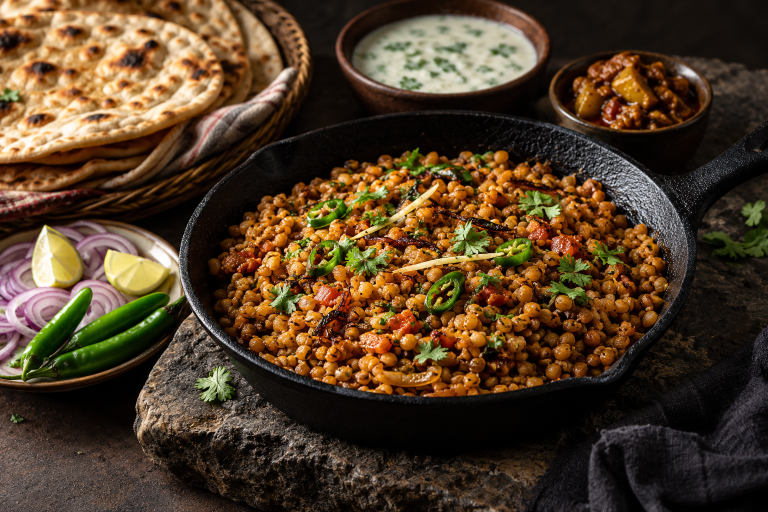
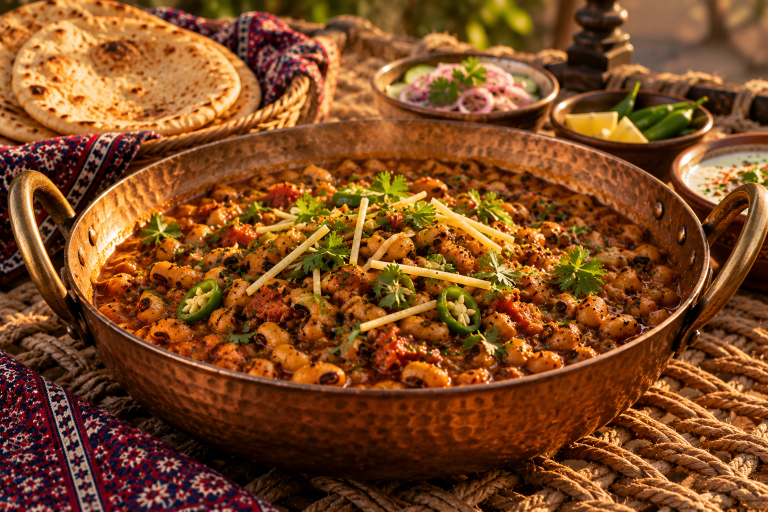
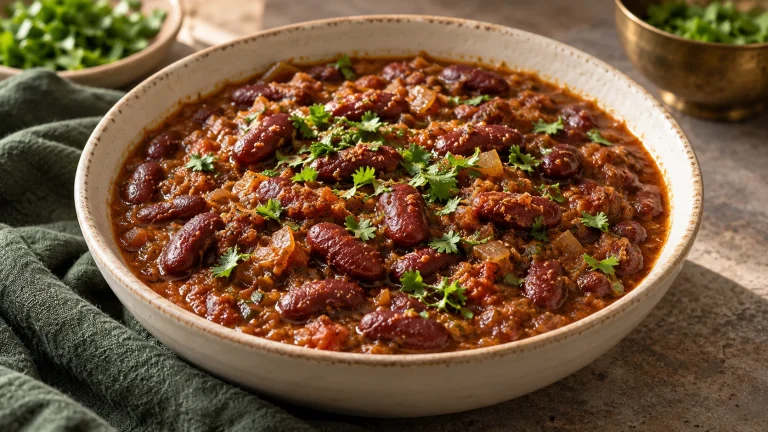
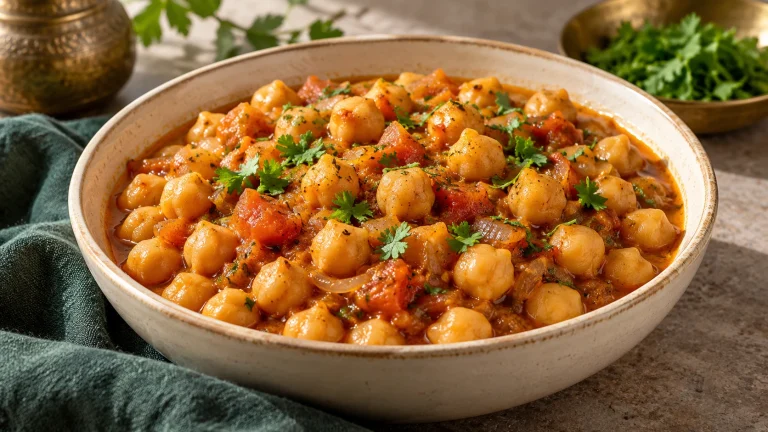
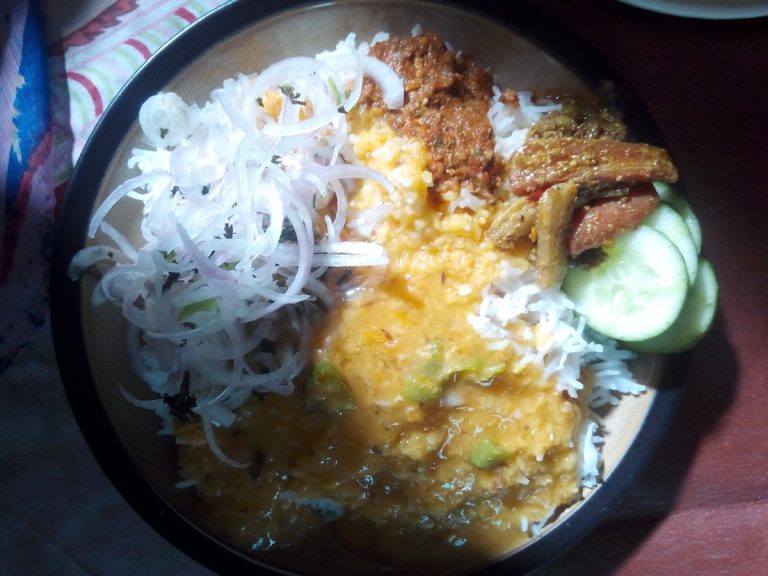
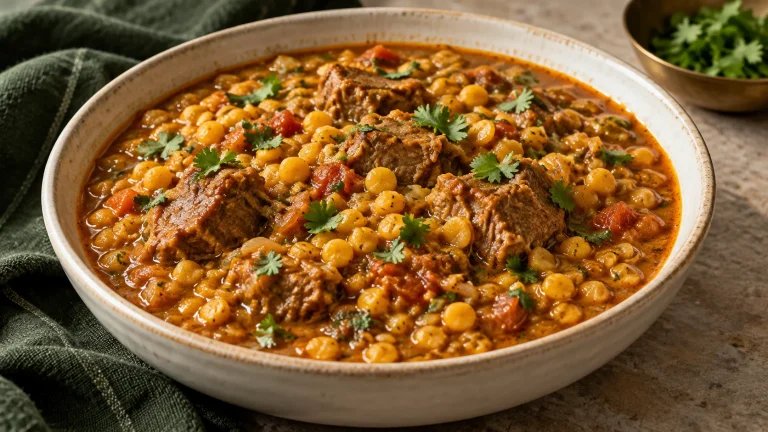
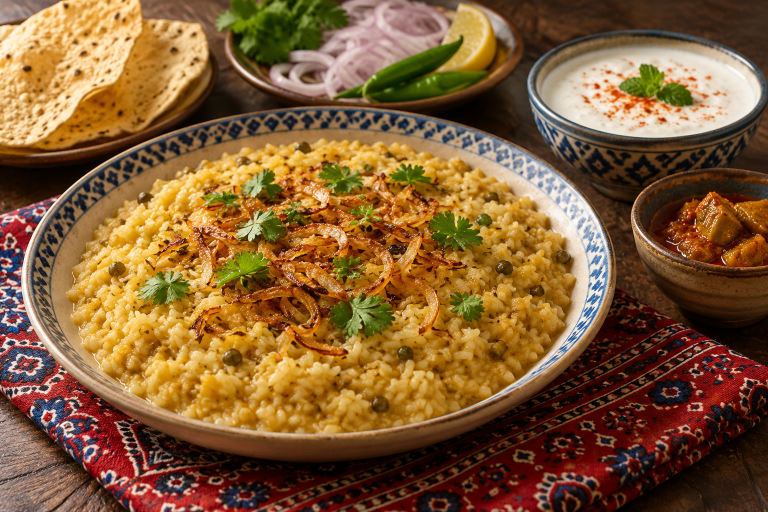
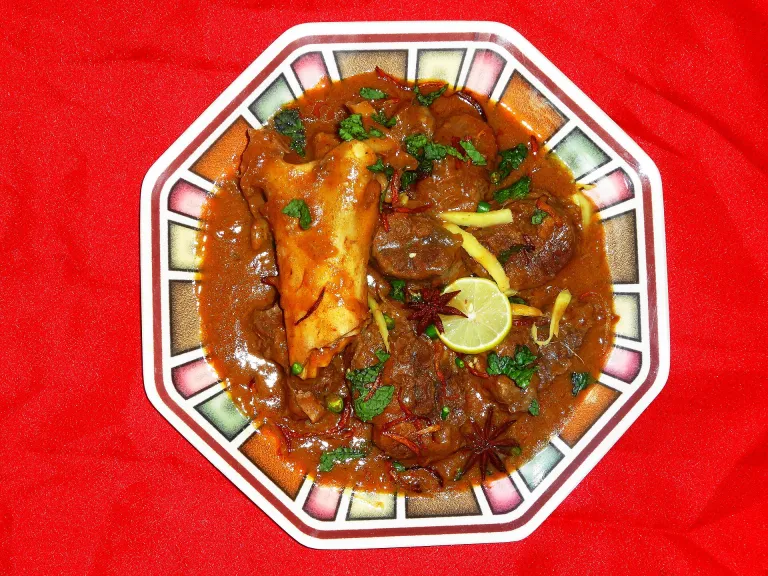
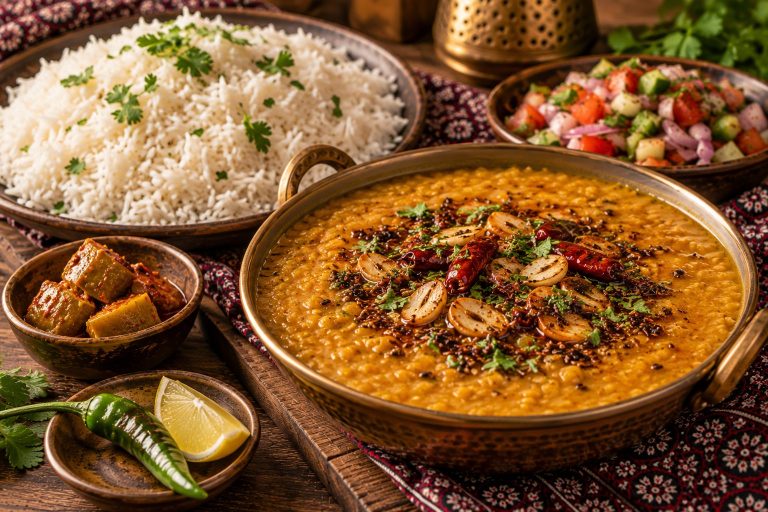
A pot of daal is the most ordinary and most comforting food in Pakistan: on the dhaba table with roti, poured over rice as daal chawal, cooked with meat as daal gosht, or thickened with rice as khichdi. Pakistani kitchens use a small family of split lentils and peas (daal usually means the split, often husked, form) and a few whole beans and peas such as chickpeas, black-eyed peas (lobia) and red kidney beans (rajma).
The cooking is simple, but the pulses behave very differently. Split red lentils collapse into a purée in minutes. Chana daal and mash daal hold their shape and need longer. Whole beans need soaking and, in the case of kidney beans, thorough boiling to be safe. Almost all of them are finished the same way, with a tarka (also called baghar or tadka): spices and onion or garlic sizzled in hot ghee or oil and poured over the pot at the last moment.
Cooking times always vary: older pulses, hard water and high altitude (Colorado State University Extension notes that cooking time increases with elevation) can all slow things down. Use the times below as a guide and taste.