Paya
پائے
Trotters simmered low and slow until the broth turns silky and sticks to your lips.
Goat or lamb trotters slow-cooked in a spiced onion and yoghurt shorba until meltingly soft and gelatin-rich, finished with ginger, green chilli and lemon.

Timings are for goat or lamb trotters. Beef trotters need much longer: plan on most of a day, or an overnight simmer on the lowest heat. Simmering time varies with the age of the animal; go by the doneness cues. One tablespoon = 15 ml; one teaspoon = 5 ml.
About Paya
Paya (often said and written paye) means trotters, and the dish is exactly that: the cleaned feet of goats, sheep or cattle, stewed for hours until the skin and tendons melt into a glossy, gelatin-rich shorba. It is a winter favourite across Pakistan, particularly in Punjab and Sindh, and in Lahore it is a celebrated breakfast, ideally cooked overnight and eaten first thing with hot kulcha or naan. Siri paye adds the head meat for an even richer, more festive version.
The flavour is deep and meaty rather than fiery. Most cooks build a simple masala of fried onion, garlic, ginger and warming spices, often loosened with yoghurt, then let time do the rest. As the trotters cook, collagen dissolves into the liquid, so a good paya is noticeably sticky: it coats a spoon and sets to a jelly when cold.
This version uses goat or lamb trotters, which are widely available after Eid al-Adha and from halal butchers year round, and cooks them on the stovetop. The most important work happens before the pot goes on: a thorough cleaning and a quick blanch give a clean-tasting broth.
Personally cooked and tested by Zohair Fakhar for DailyLife.pk. Cooking times can vary with your stove, cookware and batch size; follow the texture and doneness cues in the method.
Make it work for your kitchen
Also known as paye, paya curry, siri paye, bakray ke paye, goat trotters curry, paaye.
Original quantities serve 5. Cooking times, pan size and frying-oil depth do not scale, cook in extra batches instead.
Before you start
Inspect and scrub
Check each trotter for remaining hair or hard hoof pieces; ask your butcher to singe and trim them if needed. Rub the trotters all over with the flour and a little water, leave for 15 minutes, then scrub well under running water. The flour lifts grime and odour.
Heat off · 20 minBlanch
Put the trotters in a large pan, cover with cold water and bring to the boil. Boil for 10 minutes while grey scum rises, then drain, discard the water and rinse the trotters and pan. This gives a clean, clear-tasting broth.
High heat · 15 minPrep the masala
Blend the onions to a smooth paste. Measure the whole spices into one bowl and the turmeric, chilli powders, coriander and cumin into another. Whisk the yoghurt. Cut the ginger matchsticks and prepare the garnishes.
Heat off · 10 minSet up the equipment
Have the following tools ready before starting: Large heavy-based pot (at least 5 litres) with a lid; second large pan for blanching; colander; blender or grater for the onion paste; slotted spoon or ladle for skimming.
Clean workspace
Step-by-step cooking method
1 Bloom the whole spices
Heat the oil and ghee in the large pot. Add the bay leaves, black and green cardamom, cloves, cinnamon and peppercorns and stir until they sizzle and smell fragrant, without letting them blacken.
2 Fry the onion paste
Add the onion paste carefully, as it will spit. Stir often as the water cooks out, then keep going until the paste turns light golden and starts to leave the base of the pot.
3 Add garlic, ginger and spices
Stir in the garlic and ginger pastes and cook until the raw smell has gone. Add the turmeric, both chilli powders, coriander, cumin and salt with 2–3 tbsp water and stir for a minute so the spices cook without catching.
4 Bhuno the trotters
Add the blanched trotters and turn them in the masala until coated. Lower the heat slightly and stir in the yoghurt a spoonful at a time. Keep stirring and scraping until the yoghurt has been absorbed and oil begins to separate at the edges.
5 Add water and skim
Pour in the 2.5 litres of water and bring to the boil. Skim off any foam that rises in the first few minutes.
6 Slow simmer
Turn the heat to its lowest setting so the liquid just trembles. Cover with the lid slightly ajar and simmer, checking every 45 minutes or so. If the liquid drops below the trotters, top up with boiling water. Paya is ready when the skin and tendons are soft, translucent and wobbly, the small bones come away easily, and the broth feels sticky between your fingertips. Start checking at 3 hours; older animals can take longer.
7 Adjust the consistency
Uncover. If the broth is thin, simmer uncovered for a while to reduce; if it is too thick, add boiling water. It should be soupy but coat the back of a spoon. Taste and adjust the salt, and skim off some surface oil if you prefer it lighter.
8 Finish and rest
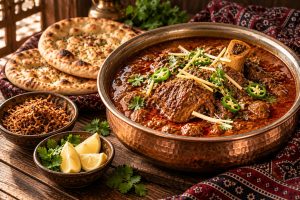
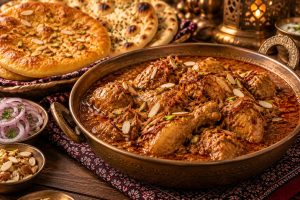
Stir in the garam masala, turn off the heat and leave covered for 10 minutes. Serve hot in deep bowls, topped with ginger matchsticks, green chillies and coriander, with lemon wedges to squeeze over.
Chef’s tips
- Buy trotters already de-haired and split. It saves a lot of work and they cook more evenly.
- Don't skip the blanch. It is the simplest way to a clean-tasting, less gamey broth.
- Paya tastes even better the next day once the flavours settle; it will set to a jelly in the fridge and loosen again when reheated.
- Lemon is essential at the table. A good squeeze cuts the richness.
- If you top up the water, always use boiling water so the simmer doesn't stall.
Common mistakes & quick fixes
- Broth smells or tastes gamey
- The trotters weren't cleaned and blanched enough. Scrub with flour, blanch and discard the water next time; extra ginger and lemon help mask it now.
- Trotters still tough after 4 hours
- Keep simmering and check every 30 minutes. Older animals simply take longer; don't turn the heat up, which only reduces the liquid.
- Broth is greasy and cloudy
- It boiled too hard. Lower the heat and skim the fat; chilling leftovers lets you lift the solid fat off before reheating.
- Masala catches on the bottom
- Not enough liquid. Top up with boiling water and stir from the base; if it tastes burnt, transfer to a clean pot without scraping.
Variations & serving ideas
Beef paya: Use about 1.5 kg split beef trotters with the same masala and extra water. They need a much longer, very gentle simmer, often most of a day or overnight on the lowest heat, topping up with boiling water as needed. Cook until the skin and tendons are completely soft.
Siri paye: Add cleaned goat head meat (siri) from your butcher with the trotters for a richer, more festive pot. Cooking time and water increase; check the head meat is completely tender.
Lighter, broth-first method: Simmer the blanched trotters in water with fennel and coriander seeds, garlic and salt until tender, then make a fried-onion and yoghurt masala separately and add the strained stock to it. This gives a clearer broth with more control over spice.
Fewer spices: Many Lahori cooks keep paya simple so the meaty broth leads. Halve the ground spices and lean on garlic, ginger and black pepper.
Perfect result check
| Trotters | Skin and tendons translucent and gelatinous; meat slips off the small bones. |
|---|---|
| Broth | Glossy broth that coats the back of a spoon and may set when chilled. Check a cooled sample for texture; do not touch boiling broth. |
| Oil | A layer of red-tinged oil floats on top. |
| Flavour | Deep and meaty, warmly spiced, with no gamey or raw spice notes. |
Storage & reheating
| Fridge | 3–4 days | Divide into shallow containers and refrigerate within 2 hours of cooking, or within 1 hour above 32°C. Keep at 4°C or colder and use within 3–4 days. A jelly-like set does not replace these handling limits. |
|---|---|---|
| Freezer | Best within 2–3 months | Freeze in airtight containers, leaving room for expansion. Thaw overnight in the fridge. |
| Reheating | Until steaming hot | Reheat gently in a pan with a splash of water, stirring to break up the gel and distribute heat. Check it reaches 74°C/165°F throughout, then serve. Reheat only the portion needed. |
Know when to change the heat
| Stage | Heat | What to look for |
|---|---|---|
| Blanching | High, rolling boil | Grey scum rises; discard water after 10 min |
| Onion paste | Medium heat | Water cooked out; paste light golden and leaving the base |
| Bhuno with yoghurt | Medium heat | Yoghurt absorbed; oil separates at the edges |
| Slow simmer | Lowest, lid ajar | Lazy bubbles only; skin turns translucent and wobbly |
| Finishing | Medium-low, uncovered | Broth coats a spoon and feels sticky |
Helpful answers before you cook
How do I clean paya properly?
Buy trotters with the hair removed and ask the butcher to split them. At home, scrub them with flour and water, rinse well, then blanch in boiling water for 10 minutes and discard that water. Look over each piece for stray hair or hoof fragments before cooking.
Can I make paya in a pressure cooker?
Many Pakistani home cooks do, and it saves hours. This recipe is written for the stovetop. If you use a pressure cooker, follow your manufacturer's instructions for maximum fill level, liquid amounts and pressure release, as gelatin-rich liquids can foam, and keep cooking until the trotters reach the same soft, gelatinous doneness described here.
Why does my paya set like jelly in the fridge?
Gelatin released during cooking can make the chilled broth set, then melt again on reheating. This texture is normal, but it does not prove the paya was cooled or stored safely; follow the refrigeration and reheating guidance below.
Which trotters are best: goat, lamb or beef?
This recipe uses goat or lamb trotters. Beef trotters differ in size and cooking needs, so treat them as a separate variant and adjust liquid and tenderness checks rather than following the same fixed timer.
Can I make it ahead?
Yes, and many cooks prefer it that way. Cool it quickly, refrigerate within 2 hours, and reheat until steaming hot the next morning, which suits paya's role as a breakfast dish.