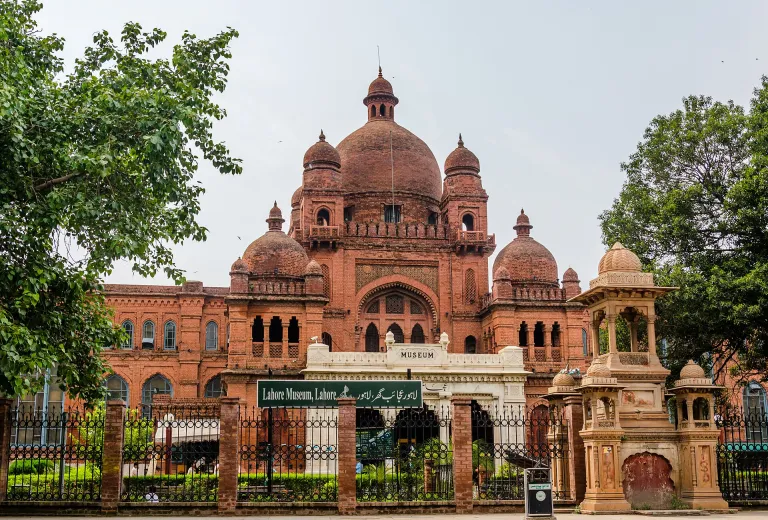
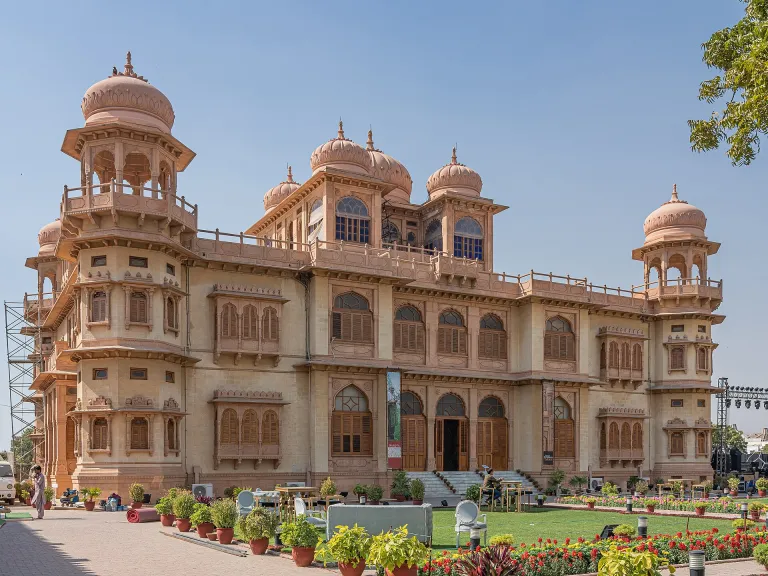
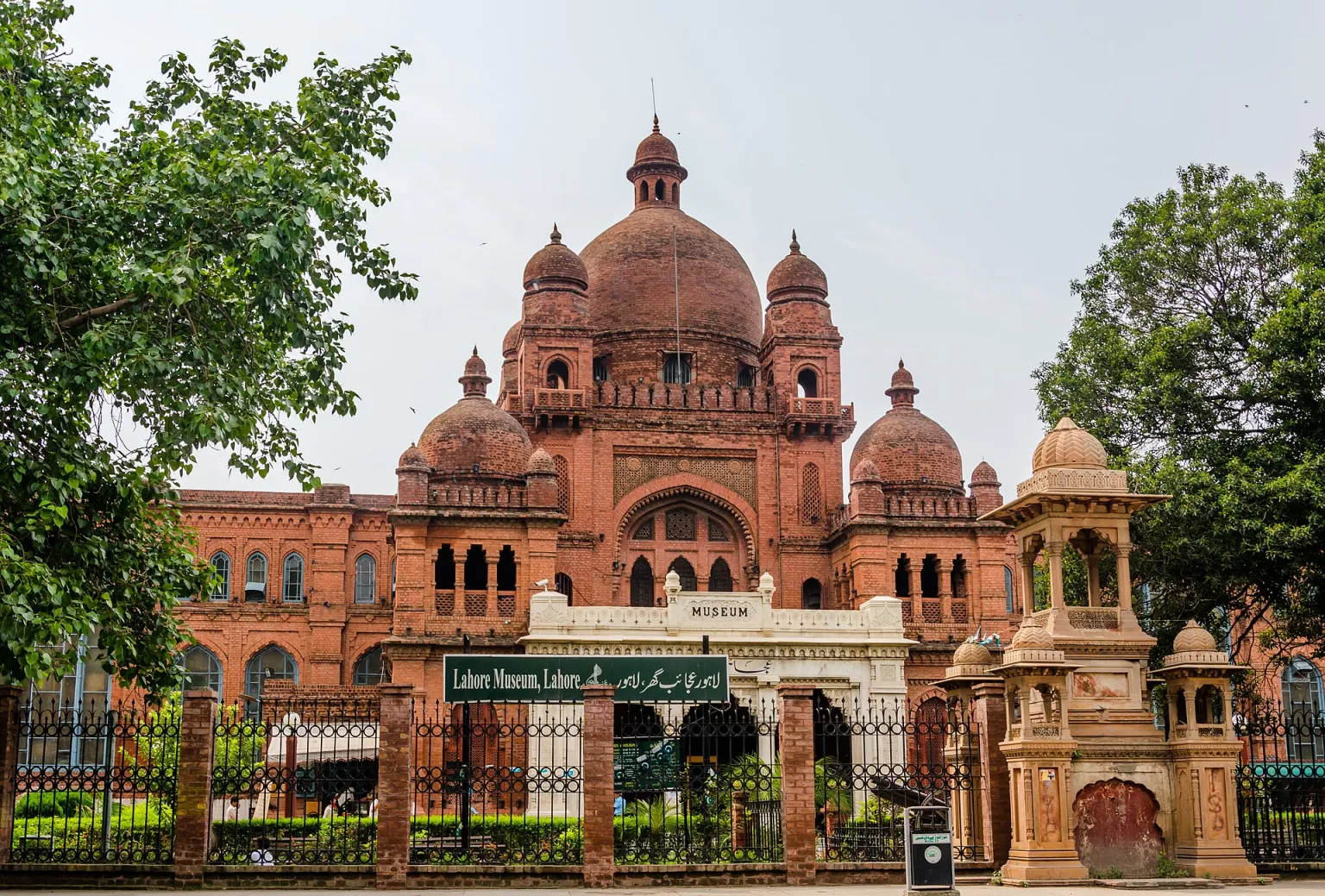
The red-brick façade of the Lahore Museum on The Mall, Lahore

Culture

Museums of Pakistan: From Indus Seals to Gandharan Buddhas

Where to see the Priest-King's land, the Fasting Buddha, Mughal miniatures, folk heritage and the forts of the north: a guide to Pakistan's great museums and site museums.

  • National, provincial and site museums
  • Check opening days before you go
  • Photography rules vary by museum

Lahore Museum, The Mall, Lahore

1865Lahore Museum founded; present building opened 1894Lahore Museum / Britannica
1907Peshawar Museum founded in Victoria HallPeshawar Museum
1918Foundation stone of the Taxila Museum laidTaxila Museum, Govt of Punjab
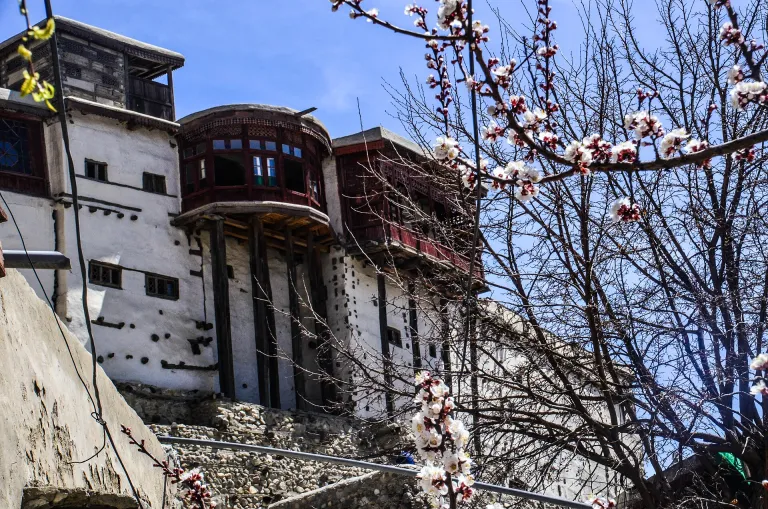
1996Restoration of Baltit Fort completed; now a museumAga Khan Trust for Culture project

Pakistan's Treasure Houses

Pakistan sits on some of the oldest and most layered history in Asia. There are the planned cities of the Indus Valley Civilisation, the Buddhist monasteries and sculpture of Gandhara, the tombs and tilework of the Sultanates and Mughals, and the forts and palaces of the Sikh and princely states. Its museums hold the best of what has survived, much of it excavated within a few hours' drive of where it is now displayed.

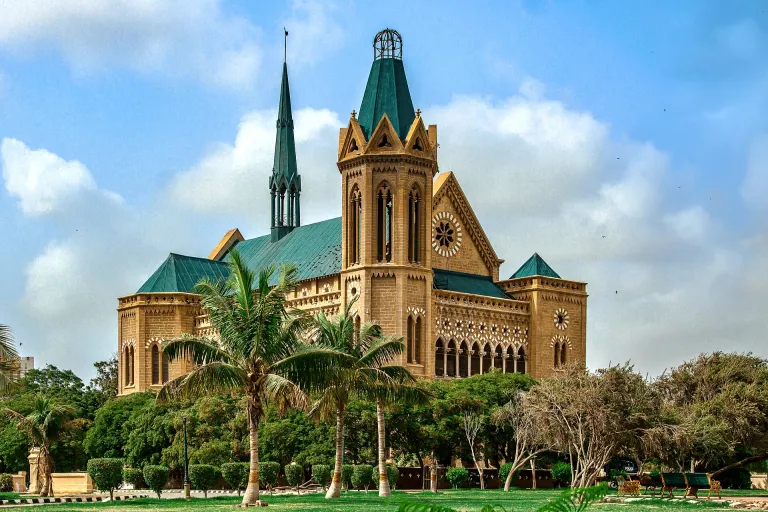
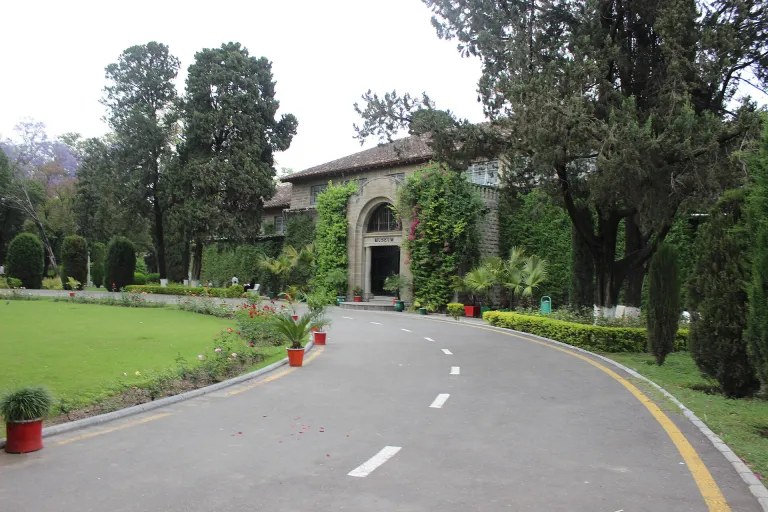
The big general museums are in Lahore, Karachi and Peshawar. Alongside them are site museums at Mohenjo-daro, Harappa and Taxila, regional museums such as those in Swat, Mardan, Chitral and Hyderabad, and specialist collections covering folk heritage, the armed forces, banking and the life of Muhammad Ali Jinnah. Museums are run by different bodies, including the federal Department of Archaeology and Museums, the provinces, the armed forces, trusts and universities, so facilities, opening days and fees vary a great deal.

This page gives a highlights tour. Opening hours, weekly closing days and ticket prices change and are often adjusted during Ramadan and public holidays, so always check with the museum or the relevant provincial department before you visit.

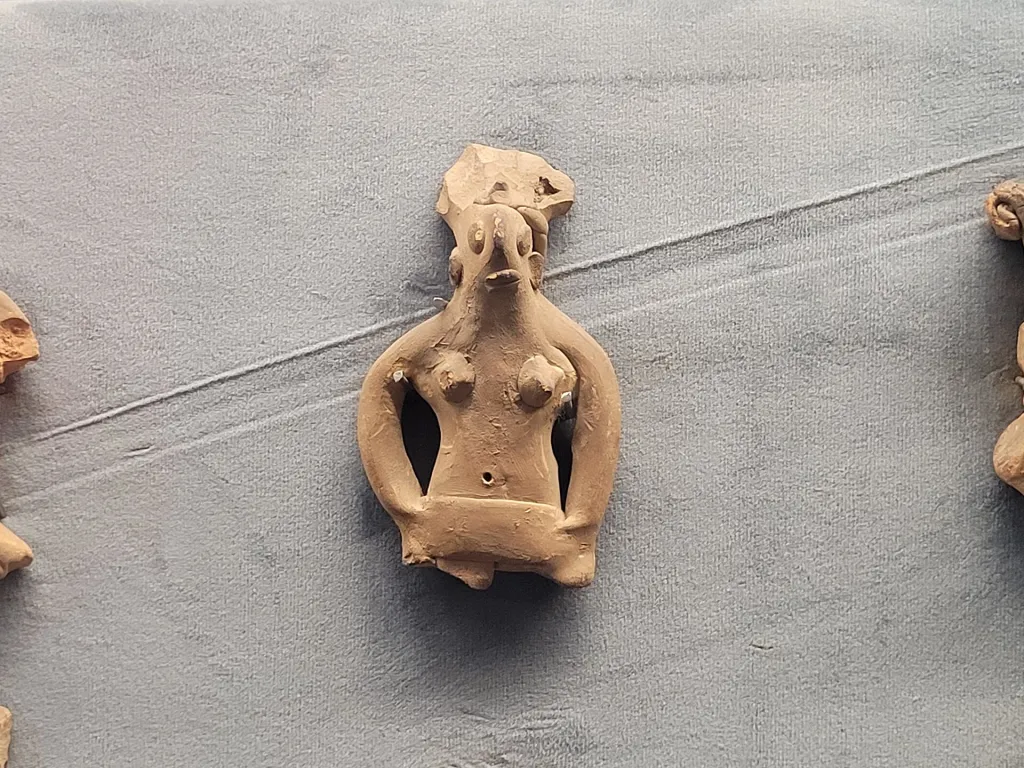
Terracotta female figurine from the Indus Valley Civilization in the Lahore Museum
An Indus Valley terracotta figurine in the Lahore Museum

Gandhara Up Close

Taxila Museum

Sir John Marshall, who led the excavations at Taxila from 1913 to 1934, laid the museum's foundation stone in 1918. The building was completed in 1928. According to the museum, about 7,000 objects are on display and some 30,000 more are held in reserve. They include stone and stucco sculpture, relic caskets, coins, jewellery and household objects from Bhir Mound, Sirkap, Dharmarajika and Jaulian. Visit the museum before the ruins and the sites make far more sense.

Explore
Front facade of the Taxila Museum with its garden

Swat Museum

Built in 1958–59 by the Wali of Swat with an Italian archaeological mission, and inaugurated in 1963. The museum was damaged and closed in 2008, then rebuilt with the Italian mission and reopened in 2014. Its Gandharan galleries tell the Buddha's life story through sculptures excavated in the valley. An ethnographic section shows Swati embroidery, carved wood and jewellery. The museum holds more than 3,000 objects.

Explore
The Swat Museum building on the road between Mingora and Saidu Sharif

Site and Regional Museums

Smaller museums beside the monuments, often with a remarkable piece or two.

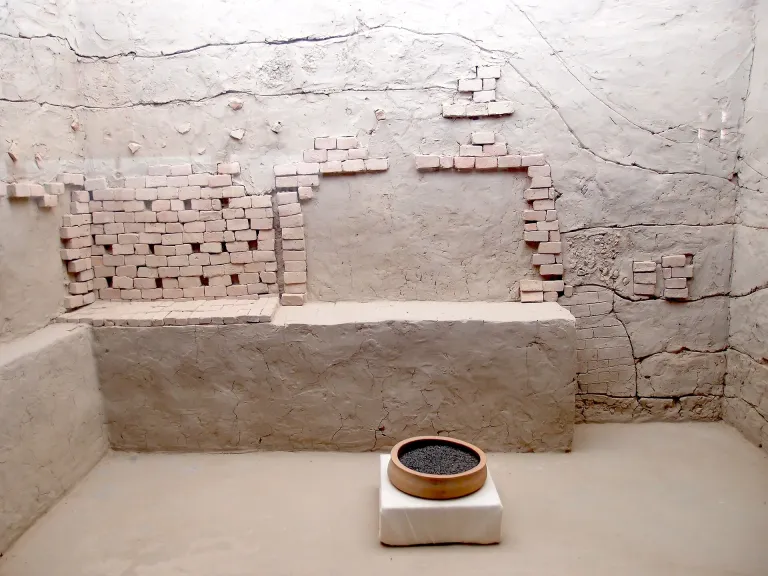
Display case of excavated artefacts in the Mohenjo-daro site museumMohenjo-daro MuseumLarkana District, SindhSeals, pottery, tools and figurines from the excavations, beside the UNESCO-listed city. Some of the most famous finds are now in Karachi and abroad, so expect a modest display.IndusExcavated brick foundations on Mound F at HarappaHarappa MuseumSahiwal District, PunjabA small museum at the type-site of the Indus civilisation, with pottery, beads, seals and figurines from the mounds outside.IndusSindhi Culture Day celebrations at the Sindh Museum, HyderabadSindh MuseumHyderabad, SindhA provincial museum of Sindhi history, archaeology and ethnography, and a focus for Sindhi Culture Day celebrations each December.EthnographyRuins of the Takht-i-Bahi Buddhist monastery on a hilltopMardan MuseumMardan, Khyber PakhtunkhwaRun by the Khyber Pakhtunkhwa archaeology directorate, near the Gandharan sites of Takht-i-Bahi and Jamal Garhi.GandharaThe Kalasha Dur cultural centre and museum building in Brun, Bumburet valleyChitral and Bumburet museumsChitral DistrictThe Chitral Museum and the Kalasha Dur museum in the Bumburet valley introduce the history, crafts and culture of Chitral and the Kalasha people.EthnographySethi House, a historic merchant mansion in old PeshawarSethi HousePeshawarA merchant family's late-19th-century mansion in old Peshawar, with carved wood and painted interiors, now run as a museum by the provincial directorate.ArchitectureBaltit Fort, a whitewashed timber-and-stone fort above Karimabad in HunzaBaltit FortKarimabad, HunzaThe old seat of the Mirs of Hunza, abandoned in 1945. It was restored with support from the Aga Khan Trust for Culture, a project completed in 1996, and is now a museum run by the Baltit Heritage Trust. It is on Pakistan's UNESCO Tentative List.FortUNESCO Tentative ListLake Saiful Muluk surrounded by snow-streaked mountains in the Kaghan ValleyKhyber Pakhtunkhwa networkKhyber PakhtunkhwaThe provincial directorate also lists museums in Bannu, Dir, Hund, Abbottabad and Charsadda (Pushkalavati), plus Peshawar's City Museum and Town Hall museum.Regional

Objects Worth the Journey

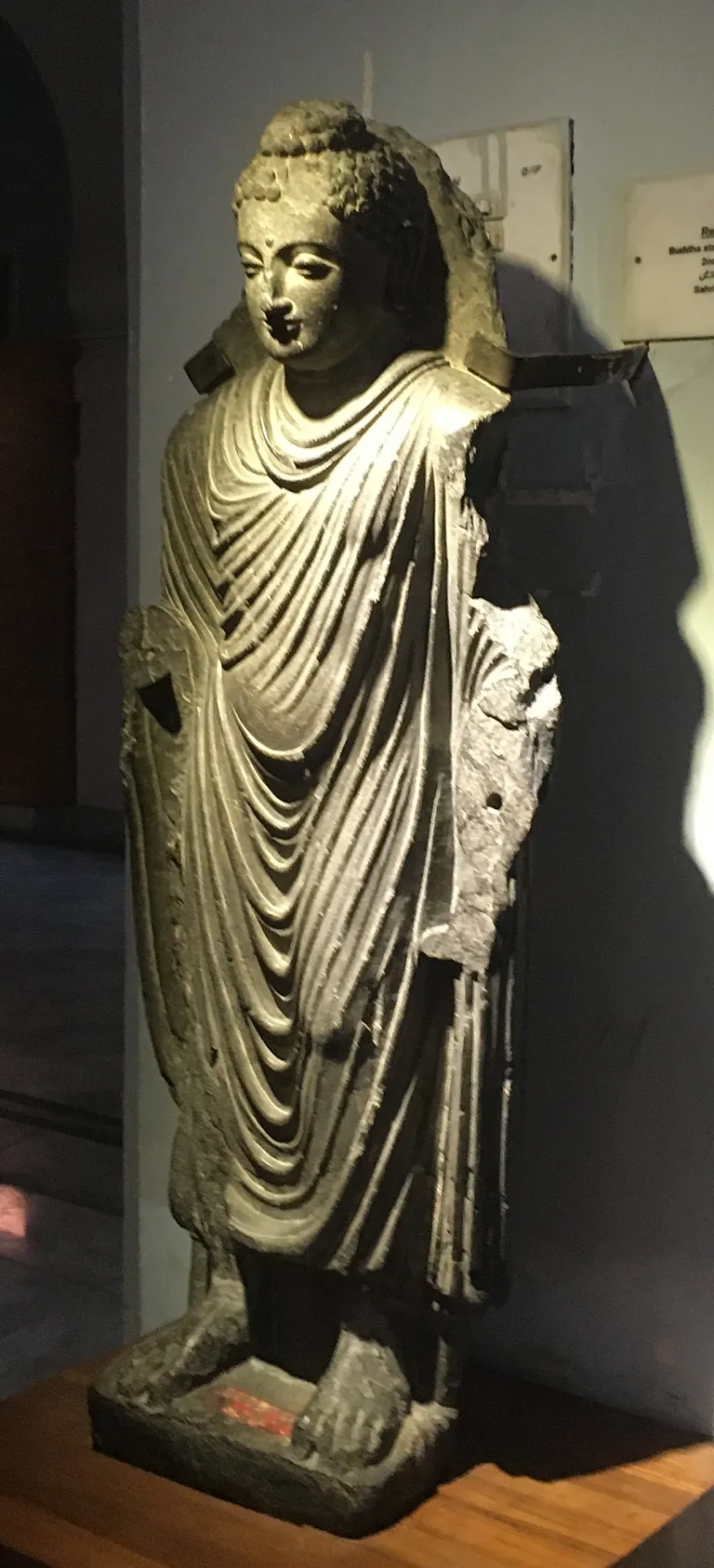
  • The Fasting Buddha, Lahore Museum: Gandharan art at its most intense, with every rib and vein carved in schist.
  • The Sikri stupa drum, Lahore Museum: scenes from the Buddha's life carved around a stupa base.
  • The Sahri Bahlol Buddhas, Peshawar Museum: monumental standing figures from a site near Mardan.
  • Indus seals and figurines, National Museum Karachi and the Lahore Museum: tiny carved seals with animals and a still-undeciphered script.
  • Relic caskets and jewellery, Taxila Museum: finds from the monasteries and the city of Sirkap.
  • Mughal and Pahari miniatures, Lahore Museum: one of the subcontinent's important painting collections.
  • Rare Quran manuscripts, National Museum Karachi: a dedicated gallery of calligraphy and illumination.

Plan Your Visit

Opening hours

Check before visiting

Hours and weekly closing days differ between museums and change during Ramadan, summer and public holidays. Confirm on the official page or by phone on the day.

Tickets

Usually modest

Most state museums charge an entry fee, and some have separate rates for foreign visitors or extra charges for cameras. Check current fees locally.

Photography

Ask first

Some galleries allow phone photos without flash, while others ban photography. Follow the signs and the staff's instructions.

Bring ID

Security checks

Bag searches are normal, and some military and federal sites may ask for a CNIC or passport.

Best time

Weekday mornings

Weekends and school trips can make galleries busy. Most big museums need two to three hours, and Lahore and Peshawar deserve longer.

Guides

Worth it at sites

At Taxila, Mohenjo-daro and Harappa, an official or local guide helps you link the museum to the ruins outside.

A note on collections abroad

Many famous objects from what is now Pakistan were taken abroad during the colonial era or shared between India and Pakistan after 1947. That is why some Indus and Gandharan icons are in museums in New Delhi, London and elsewhere. Pakistan's museums still hold world-class collections, and some of the finest Gandharan sculpture anywhere is in Lahore, Peshawar, Taxila and Swat.

Frequently Asked Questions

What is the best museum in Pakistan?

It depends on your interests, but the Lahore Museum, the Peshawar Museum and the National Museum in Karachi have the broadest collections. For Gandharan sculpture, Peshawar, Lahore and Taxila are outstanding, and Lok Virsa in Islamabad is the best introduction to folk culture.

What are the opening hours of Pakistani museums?

They vary by museum and change during Ramadan, summer and public holidays, and many museums close one day a week. We do not list hours because they change. Check the museum's official page or the provincial archaeology department before visiting.

Where can I see the Fasting Buddha?

The famous Gandharan Fasting Buddha is in the Lahore Museum on The Mall in Lahore.

Can I take photographs inside museums?

Rules differ. Some galleries allow photographs without flash and others do not, and some sites charge a camera fee. Follow the signs and ask staff.

Is there a museum at Mohenjo-daro?

Yes. A site museum next to the ruins displays seals, pottery, tools and figurines from the excavations. Several of the most famous objects are in the National Museum in Karachi and in museums abroad.

How we know this

  • Type Historical & cultural research
  • Sources 12 (5 official/academic)
  • Reviewed October 2026
  • Disputed points None
12 sources
  1. Lahore Museum, Encyclopaedia Britannica
  2. Lahore Museum (official website), Government of the Punjab
  3. Lahore Museum, Wikipedia (used to locate sources)
  4. National Museum of Pakistan, Wikipedia (used to locate sources)
  5. Taxila Museum: History, Taxila Museum, Government of the Punjab
  6. Peshawar Museum, Wikipedia (used to locate sources)
  7. Swat Museum, Directorate of Archaeology & Museums, Khyber Pakhtunkhwa
  8. Museums of Khyber Pakhtunkhwa, Directorate of Archaeology & Museums, Khyber Pakhtunkhwa
  9. Baltit Fort: Tentative List, UNESCO World Heritage Centre
  10. Baltit Fort, Wikipedia (used to locate sources)
  11. Quaid-e-Azam House Museum, Karachi, Department of Antiquities, Government of Sindh
  12. History of Lok Virsa, Lok Virsa
Photo credits (21)
Suggest a correction

Stay updated

Stay Connected with DailyLife.pk

Get new travel guides, recipes and stories from across Pakistan, no spam, unsubscribe any time.

Your Pakistan journey starts here

From majestic mountains to vibrant cities, rich cuisine to timeless traditions — discover the real Pakistan with DailyLife.pk.