
City guide
Mardan: Heart of the Yusufzai Plain
A busy farming and trading city on the Yusufzai plain, with the UNESCO-listed monastery of Takht-i-Bahi, Ashoka's rock edicts at Shahbazgarhi and the old home of the Corps of Guides close at hand.
- Khyber Pakhtunkhwa (Mardan Division)
- Takht-i-Bahi: UNESCO World Heritage Site
- Best season: October–March
- Sugarcane, tobacco and wheat country
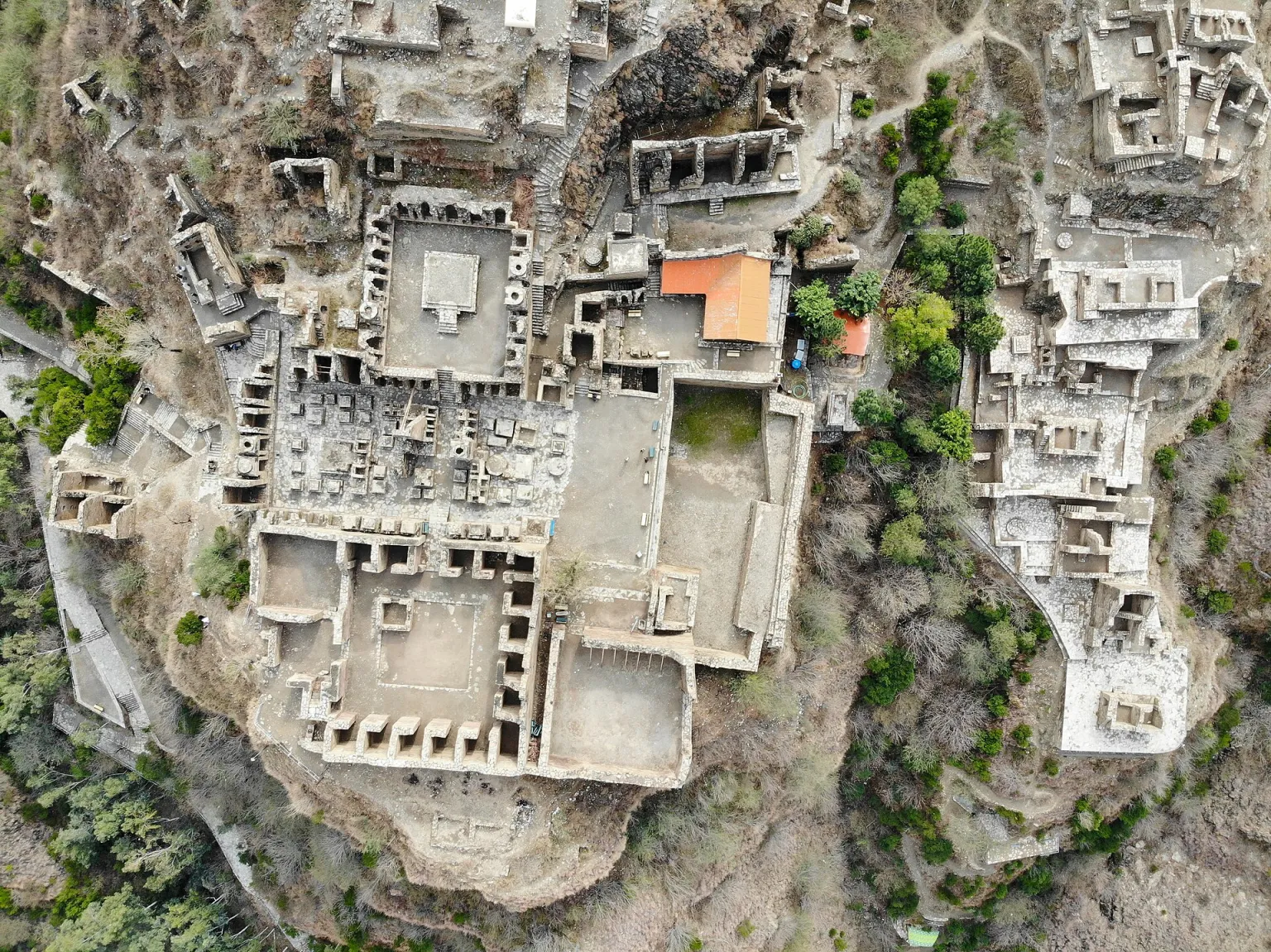
Takht-i-Bahi, Mardan District, Khyber Pakhtunkhwa
Mardan at a Glance
About Mardan
Mardan is one of the largest cities of the Peshawar Valley and the headquarters of Mardan District and Division. It lies about 50 km north-east of Peshawar on the broad, well-watered Yusufzai plain, between the Kabul River to the south and the hills of Malakand and Buner to the north. Canals from the Swat River irrigate the district, and its fields of sugarcane, tobacco, wheat and maize feed sugar mills and markets across the province.
The 2023 Census counted 363,788 people in the city's municipal area and 4,514 in Mardan Cantonment, 368,302 in all, and 2,744,898 in the district as a whole. The population is overwhelmingly Pashto-speaking, and the Yusufzai Pashtuns have been the dominant tribe of the plain for centuries. Urdu and English are widely used in offices, universities and shops.
For travellers, Mardan's great draw lies just outside town. The Buddhist monastery of Takht-i-Bahi, on a rocky ridge to the north-west, is a UNESCO World Heritage Site and, in UNESCO's words, the most complete Buddhist monastery in the country. Ashoka's rock inscriptions at Shahbazgarhi, the ruined hill-town of Sahr-i-Bahlol and the monastery of Jamal Garhi make the district one of the richest corners of ancient Gandhara.
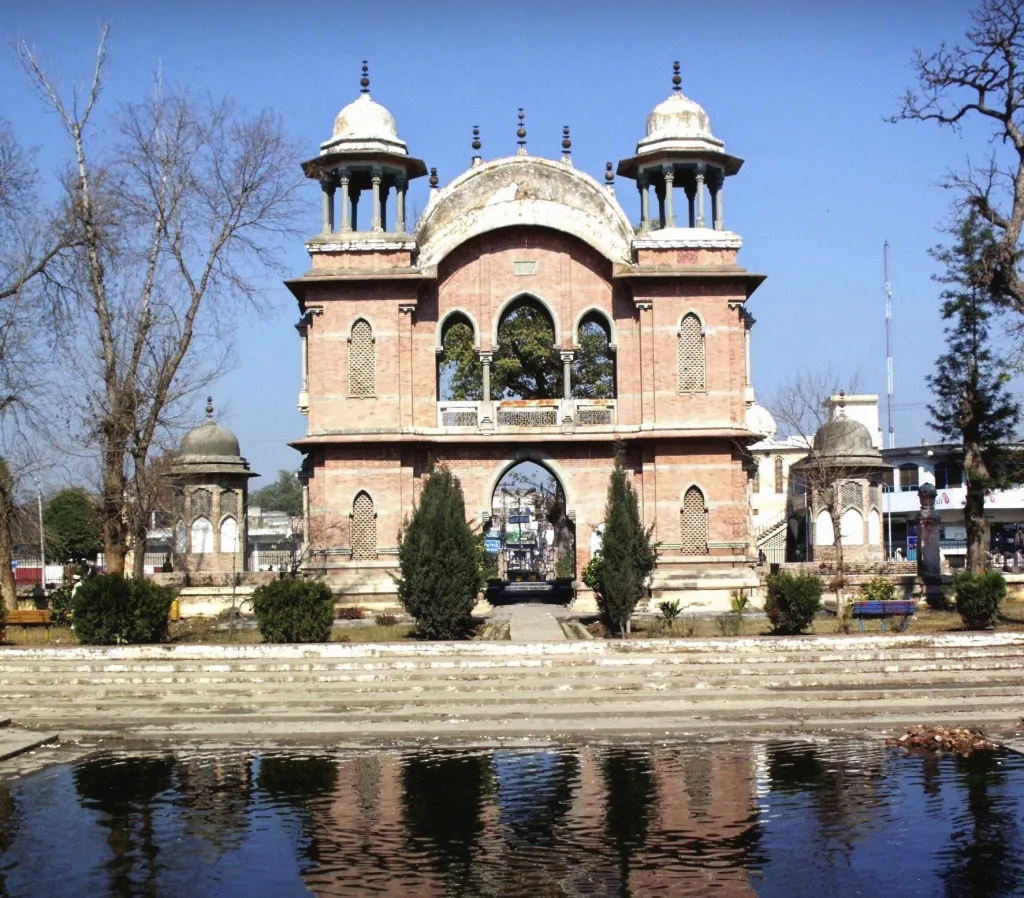
In the city itself, the red-brick Guides Memorial recalls Mardan's long years as home of the Corps of Guides, one of the best-known regiments of British India. Today Mardan is a university and medical town, a centre of Pashto music and poetry, and a convenient base for a day of Gandharan sightseeing on the way to Swat.
Few Pakistani cities sit so close to so much Gandharan history, and so few visitors linger to see it.
Things to See in and Around Mardan
Buddhist monasteries, Mauryan inscriptions and the old cantonment.
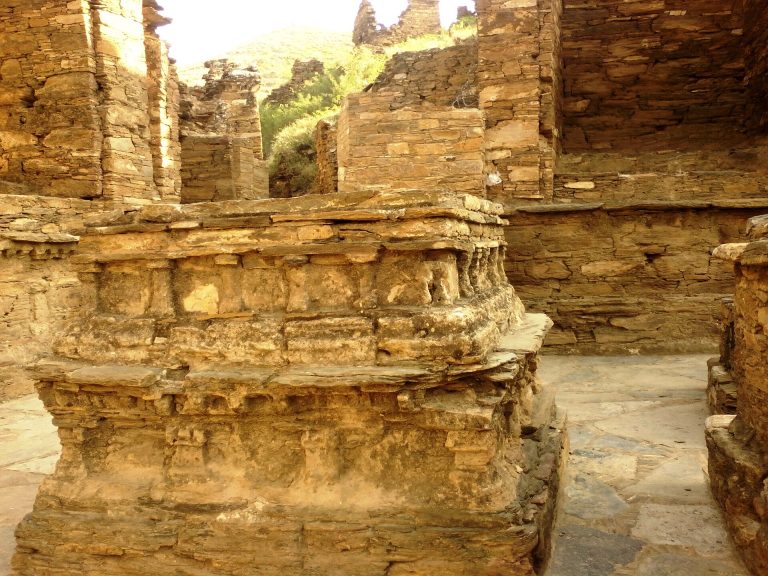 Takht-i-BahiA Buddhist monastery founded in the early 1st century CE and used until the 7th, spread across hilltop terraces with stupa courts, meditation cells and an assembly hall. Its height protected it from later invaders, which is why it survives so completely.
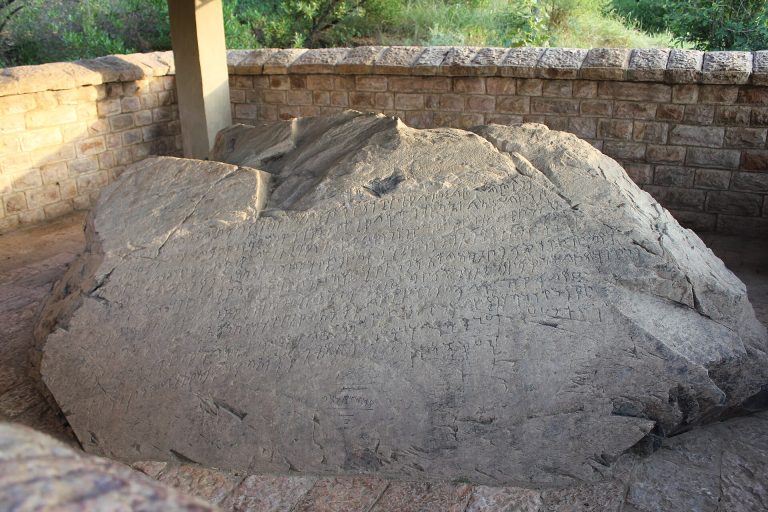 Shahbazgarhi Rock EdictsTwo great boulders carry fourteen edicts of the Mauryan emperor Ashoka, carved in the 3rd century BCE in the Kharosthi script. They are on UNESCO's Tentative List and are among the oldest written texts in South Asia.
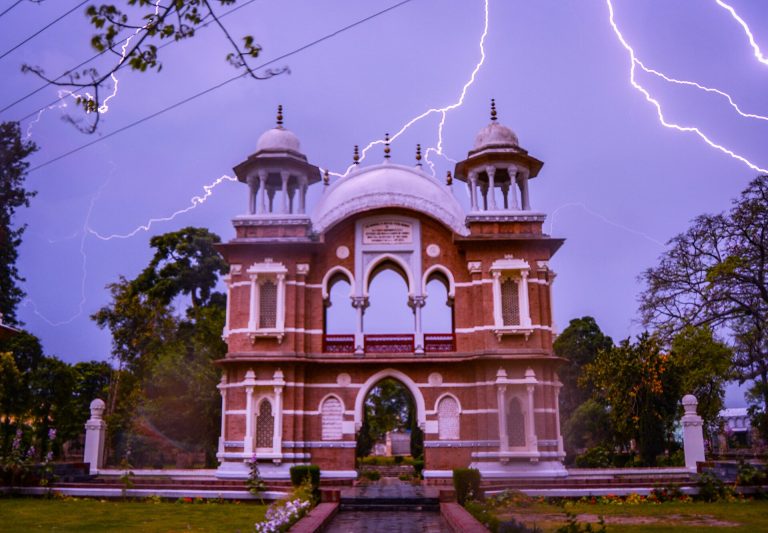 Guides MemorialBuilt in 1892 in the cantonment to honour the Guides killed defending the British Residency in Kabul in 1879. The cantonment is military land, so ask before photographing.
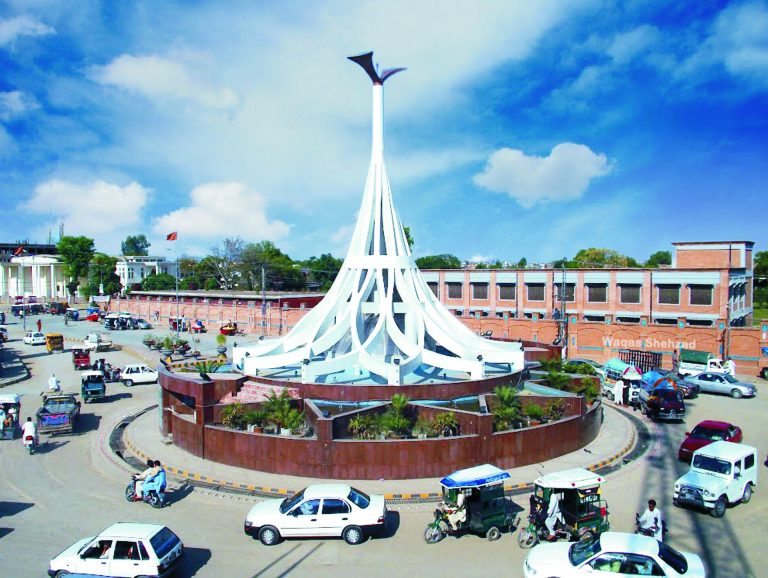 Bacha Khan ChowkThe city's best-known roundabout, with a monument to Abdul Ghaffar Khan (Bacha Khan), the Pashtun leader of the non-violent Khudai Khidmatgar movement.
A Short History of Mardan
3rd century BCE
Ashoka's edicts
The Mauryan emperor Ashoka has his fourteen major edicts carved on boulders at Shahbazgarhi, on a route through Gandhara.
1st–7th century CE
Takht-i-Bahi monastery
A monastery is founded on the ridge at Takht-i-Bahi and grows over centuries; the walled town of Sahr-i-Bahlol flourishes below in the Kushan era.
16th century onwards
Yusufzai plain
Yusufzai Pashtuns settle the plain north of the Kabul River, which comes to bear their name.
1846
Corps of Guides
Harry Lumsden raises the Corps of Guides; the regiment later makes its home at Mardan, which grows as a cantonment town.
1892
Guides Memorial
A memorial is built in Mardan to the Guides who died defending the British Residency in Kabul in 1879.
1937
A separate district
Mardan, until then part of Peshawar District, becomes a district in its own right.
1980
World Heritage
UNESCO inscribes the Buddhist ruins of Takht-i-Bahi and the neighbouring remains at Sahr-i-Bahlol on the World Heritage List.
2009–2010
University city
Abdul Wali Khan University Mardan opens in 2009, followed by Bacha Khan Medical College in 2010.
Getting There and Around
By road
M-1 and the Swat Motorway
Mardan lies just north of the Islamabad–Peshawar motorway (M-1). Mardan is reached from the motorway interchanges and from Nowshera and Charsadda by road; the Swat Motorway passes nearby on its way to Chakdara.
By air
Via Peshawar or Islamabad
The nearest international airport is Bacha Khan International Airport, Peshawar; Islamabad International Airport is also within reach by motorway.
By rail
Historic branch line
Mardan has a railway station on a historic branch line from Nowshera, but regular passenger services are limited or suspended. Travel by road.
Around town
Rickshaws, wagons, taxis
Rickshaws and Qingqi motorbike-rickshaws handle short hops; wagons and minibuses run to Takht Bhai, Shahbazgarhi, Swabi and Peshawar. Hire a car and driver for a full Gandhara day.
Plan Your Visit
Best time to visit
October to March
Autumn, winter and early spring are pleasant for climbing to Takht-i-Bahi. Summers on the plain are very hot; if you visit in June or July, go at opening time.
At Takht-i-Bahi
A steep climb
The monastery is reached by a stepped path up the ridge. Wear good shoes, carry water and allow two to three hours to explore and enjoy the view.
Where to stay
Mardan or Peshawar
Mardan has local hotels and guest houses; many visitors base themselves in Peshawar or Islamabad and visit Mardan as a day trip, or stop on the way to Swat.
Etiquette
Conservative and hospitable
Dress modestly, ask before photographing people, especially women, and accept tea graciously. Avoid photographing military areas in the cantonment.
Advisories
Check before you go
Mardan is a busy, well-connected city. As anywhere in Khyber Pakhtunkhwa, check current travel advisories and local authority guidance, and foreign visitors should confirm any NOC requirements for onward travel.
Day Trips from Mardan
 Swat ValleyHead north over the Malakand Pass or on the Swat Motorway to Mingora, the Swat Museum and the Buddhist sites of lower Swat.
 PeshawarThe old city, Qissa Khwani Bazaar and the Gandharan galleries of the Peshawar Museum, where many sculptures from Takht-i-Bahi are kept.
 CharsaddaThe great mound of Bala Hisar marks ancient Pushkalavati, an early capital of Gandhara, just west of Mardan.
 Swabi and HundDrive east to Hund on the Indus, where Alexander's army crossed the river and a site museum tells the story.
Mardan Through Time
Every dated moment our guides record about Mardan, from its own history and from national events that touched it. Each entry links to its source page.
- 1st–7th centuries CE
Takht-i-Bahi
The hilltop monastery near Mardan is founded and remains in use for six centuries.
- May 1857 – 1858
The War of 1857 in Punjab, Sindh and the Frontier
The uprising of 1857 against the East India Company reached the lands that are now Pakistan through mutinies and disarmings in Peshawar, Mardan, Jhelum, Sialkot and Karachi, and through rural risings in the Ravi country around Gogera and in the hills near Murree. The Company…
- 18–19 May 1857
Unrest at Nowshera and Mardan
Officers report discontent in the 55th Bengal Native Infantry at Nowshera and Mardan; British troops are ordered to garrison Attock (Becher's report, 1858).
- 1988
A new district
Swabi, previously a tehsil of Mardan District, becomes a district.
Do you remember Mardan as it used to be? Share a memory or an old photo, our editors review every story before it appears.
Frequently Asked Questions
How far is Takht-i-Bahi from Mardan?
The monastery stands on a ridge about 16 km north-west of Mardan, above the town of Takht Bhai. Allow a half-day including the climb.
What is the population of Mardan?
The 2023 Census counted 368,302 people in Mardan city including its cantonment (363,788 in the municipal area) and 2,744,898 in Mardan District (Pakistan Bureau of Statistics).
What is Mardan known for?
Takht-i-Bahi and the other Gandharan sites of the district, Ashoka's edicts at Shahbazgarhi, the Corps of Guides and its memorial, sugarcane and tobacco farming, and its universities.
What language is spoken in Mardan?
Pashto is the first language of nearly everyone in the district; Urdu and English are widely understood in the city.
When is the best time to visit Mardan?
October to March, when the plain is cool enough to climb to Takht-i-Bahi in comfort. Summer days are very hot.
Keep Exploring
Related places and stories on DailyLife.pk
 Swat ValleyPlan a trip to Swat Valley: Kalam, Mahodand Lake, Malam Jabba
 TaxilaVisit Taxila: Dharmarajika stupa, Jaulian monastery, Sirkap and Taxila Museum.PeshawarPeshawar city guide: Qissa Khwani Bazaar, Mahabat Khan Mosque, Sethi House, Peshawar Museum, Pashtun foodCharsaddaCharsadda city guide: the Bala Hisar mound of ancient Pushkalavati, Bacha Khan and Utmanzai, Rajjar sweetsSwabiSwabi city guide: Hund and its museum on the Indus, GIK Institute at Topi
 NowsheraNowshera city guide: the Kabul River, Akora Khattak and Khushal Khan Khattak's tomb, Risalpur
How we know this
- Type Place guide
- Sources 7 (4 official/academic)
- Reviewed October 2026
- Disputed points None
7 sources
- Pakistan: Khyber Pakhtunkhwa – cities, towns and districts (Census 2017 and 2023), City Population (Thomas Brinkhoff), citing Pakistan Bureau of Statistics
- Census 2023 – Table 2: Population of urban localities, Khyber Pakhtunkhwa, Pakistan Bureau of Statistics
- Buddhist Ruins of Takht-i-Bahi and Neighbouring City Remains at Sahr-i-Bahlol, UNESCO World Heritage Centre
- Mardan (Pakistan), Encyclopaedia Britannica
- The Memorial to the Queen's Own Corps of Guides at Mardan, Pakistan, The Victorian Web
- Shahbazgarhi Rock Edicts (Tentative List), UNESCO World Heritage Centre
- Mardan, Wikipedia (used to locate primary sources)
Photo credits (11)
- Takht-i-Bahi Buddhist Monastery.jpg, Muzamil Hassain Toori, CC BY-SA 4.0, via Wikimedia Commons
- Takht-i-Bahi stupa.jpg, Shahabuddin648, CC BY-SA 3.0, via Wikimedia Commons
- A closer view of the rock - Ashoka Major Rock Edict.jpg, Raza Shah Khan, CC BY-SA 3.0, via Wikimedia Commons
- Guides Memmorial.JPG, Adil Shah of Mardan at English Wikipedia, CC0, via Wikimedia Commons
- Guides Memorial Lightning Mardan.jpg, Asimali740, CC BY-SA 4.0, via Wikimedia Commons
- Mardan College Chowk.jpg, Haseeb290, CC BY-SA 4.0, via Wikimedia Commons
- Sunset over the Mingora City, Swat Valley, Pakistan.jpg, Imranrashid26, CC BY-SA 3.0, via Wikimedia Commons
- Chapli Kebab (illustration), DailyLife.pk, Illustrative image
- Sethial street - Sethi House Complex, Peshawar.jpg, Teseum, CC BY-SA 4.0, via Wikimedia Commons
- Charsadda sunset Pakistan MG 6982-Edit.jpg, Rakonline, CC BY-SA 3.0, via Wikimedia Commons
- Swabi Irrigation well and feilds.jpg, Asimali740, CC BY-SA 4.0, via Wikimedia Commons
