
Travel destination
Hiran Minar: Jahangir's Deer Tower
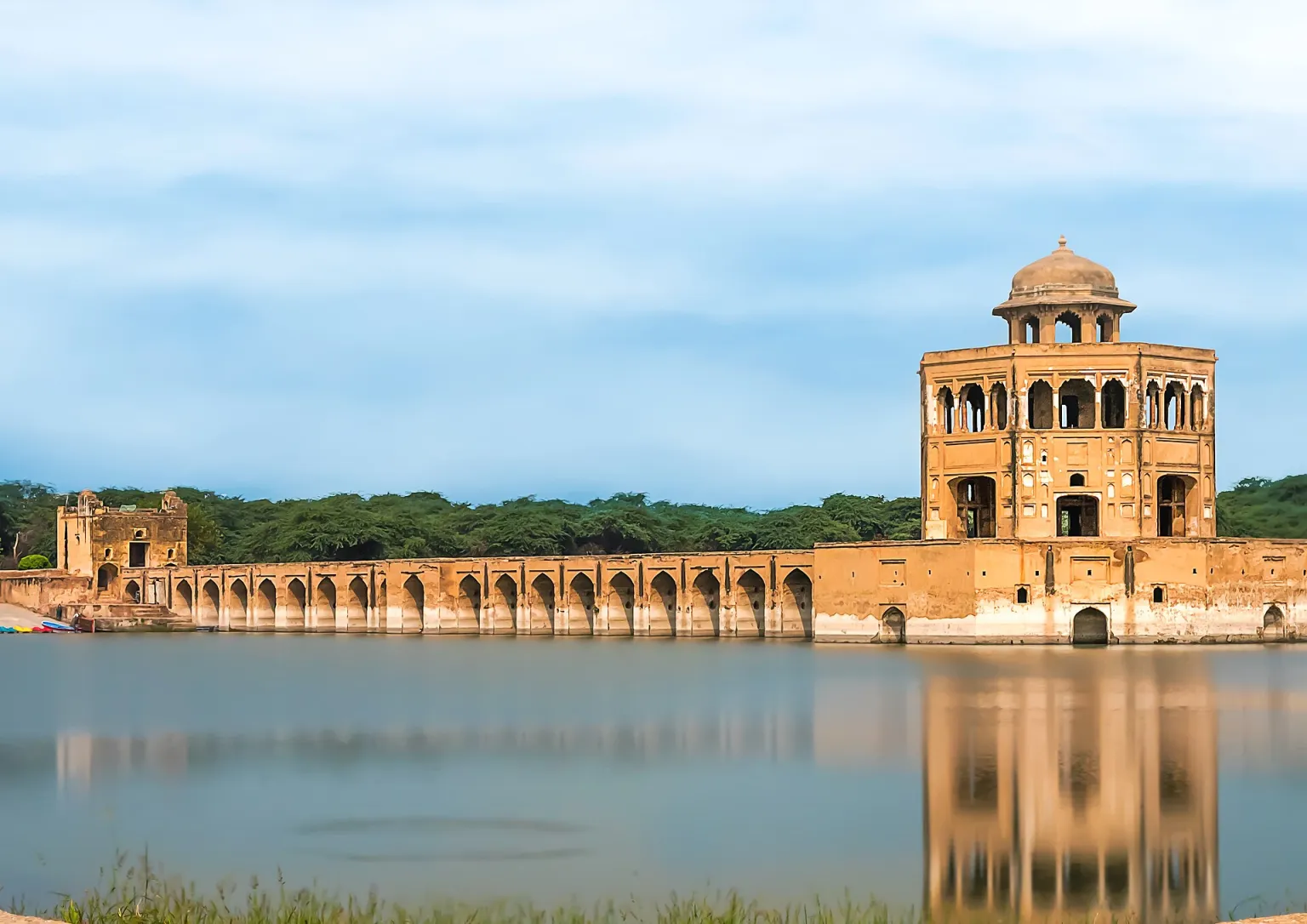
A tapering tower, a vast rectangular tank and an octagonal pavilion recall a Mughal emperor's hunting reserve and, according to tradition, his favourite antelope.
- Sheikhupura, Punjab
- Mughal, early 17th century
- Best season October to March
Hiran Minar, Sheikhupura, Punjab
About Hiran Minar
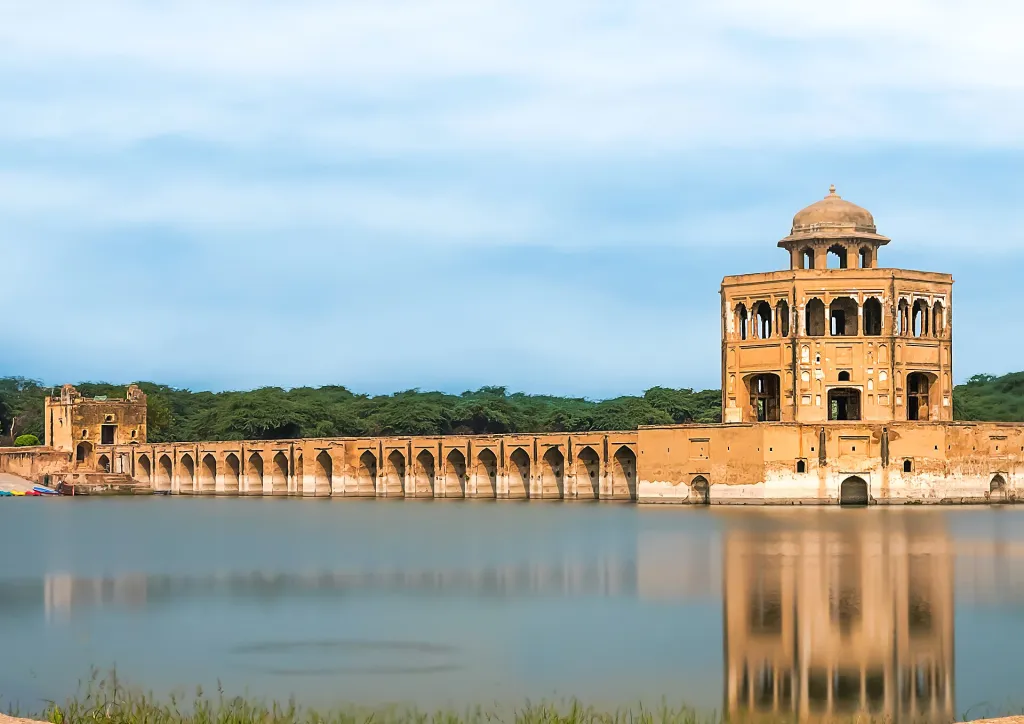
Sheikhupura takes its name, tradition says, from "Sheikhu", the childhood nickname of the emperor Jahangir. A short drive from the city stands the complex he built in what was then scrub forest used as a Mughal hunting reserve: the Hiran Minar, or Deer Tower. A tapering circular minaret about 30 metres tall rises beside a huge rectangular tank, with an octagonal pavilion in the middle of the water joined to the shore by a causeway on pointed arches.
Accounts differ on dates. One puts the minaret in 1606 and the complex in 1607–1620; another places the tower around 1607 and adds that the pavilion dates to 1620, with alterations under Shah Jahan in 1638. The tower is said to commemorate Mansraj, a deer Jahangir had tamed. Two versions of the story circulate: that Mansraj died during a hunt, and that the emperor killed him by mistake. Treat the details as legend. What is better documented is the layout: brick ramps let wild animals reach the water, and an inscription records the deer's capture and taming.
The minaret is built of lime-plastered brick, with a spiral staircase inside; one visitor's report counts 1,018 steps. The site has been on Pakistan's UNESCO tentative list since 1993. Today it is a park for outings, with a canteen, washrooms and boating on the tank, but the tower has at times been closed to the public as structurally unsafe, and the bridge to the pavilion has also been closed. Check the current state before travelling.
What to See
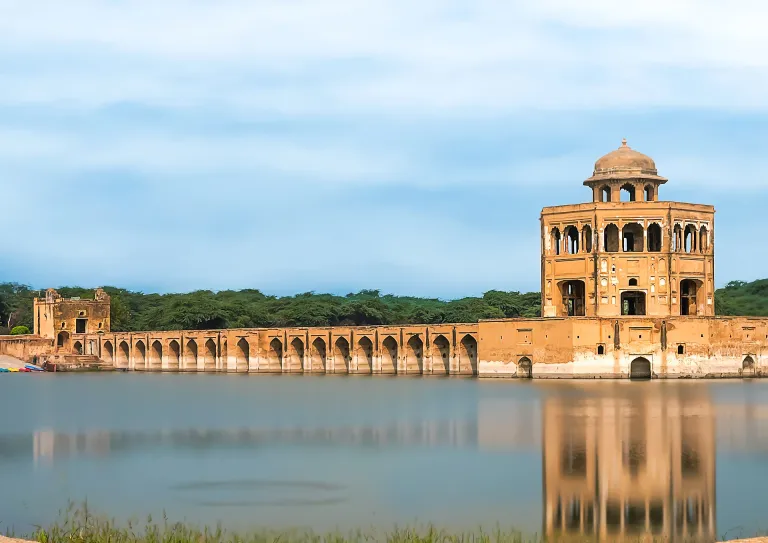 The minaretA tapering circular tower of lime-plastered brick, about 30 m tall. Access to the interior has been restricted at times.Octagonal pavilionA two-storey baradari in the water, linked by a causeway on pointed arches; the bridge has been closed at times.
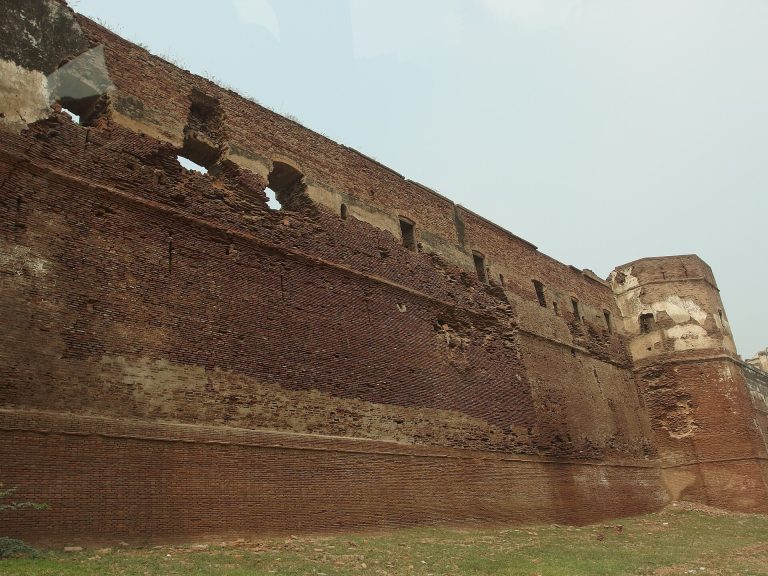 SheikhupuraThe city and its Mughal-era fort are a short drive away.
Plan Your Visit
Best Time to Visit
October to March
Pleasant weather for walking round the tank. Summer afternoons are hot.
How to Reach
M-2 Motorway
The site is about 40 km north-west of Lahore and is connected to the city by the M-2 Motorway; a Hiran Minar exit has been reported. Allow extra time for traffic.
Tickets and Hours
Confirm locally
Entry fees, boating charges and opening hours change. Confirm locally.
Where to Stay
Lahore
Stay in Lahore and visit as a half-day outing.
Food
On-site canteen
A canteen has been reported on site; carry water and snacks.
Condition
Variable
Reports mention graffiti, litter and restoration works. Expect a family picnic spot more than a polished museum.
Suggested Half-Day Plan
- 1
Drive from Lahore
Leave early to avoid the heat and traffic.
- 2
Walk the tank
Walk around the edge to see the minaret, causeway and pavilion from different angles.
- 3
Boating
If boats are running, take a short ride for views of the pavilion.
- 4
Picnic
Eat at the canteen or picnic areas, then explore the park.
- 5
Onward
Continue to Sheikhupura or return via Lahore's Mughal sites.
Visit Responsibly
- Do not climb on the pavilion, causeway or minaret when closed.
- Do not write or carve names on the walls; the site already suffers from graffiti.
- Take your litter away; reports describe murky water in the tank.
- Respect families visiting the park and ask before photographing people.
- Keep children away from the water's edge.

Hiran Minar, Sheikhupura Through Time
Every dated moment our guides record about Hiran Minar, Sheikhupura, from its own history and from national events that touched it. Each entry links to its source page.
- Early 17th century
Mughal hunting grounds
Jahangir builds the Hiran Minar at Sheikhupura, then a royal hunting reserve.
- 1607–1620
Hiran Minar
The deer tower, tank and pavilion are built.
- 1607
Jahangir's hunting ground
Jahangir records the minaret and grave of his deer Mansraj at what is now Hiran Minar, west of the area.
Do you remember Hiran Minar, Sheikhupura as it used to be? Share a memory or an old photo, our editors review every story before it appears.
Frequently Asked Questions
Why is it called Hiran Minar?
Hiran means deer. The tower is said to commemorate Jahangir's pet deer Mansraj.
How tall is Hiran Minar?
About 30 metres, roughly 100 feet.
Can I climb the minaret?
Published reports say the minaret has been closed to the public at times as unsafe. Ask locally.
How far is it from Lahore?
About 40 km north-west, near Sheikhupura, connected by the M-2 Motorway.
Is it a UNESCO site?
It has been on Pakistan's tentative list since 1993 but is not inscribed.
Keep Exploring
Related places and stories on DailyLife.pk
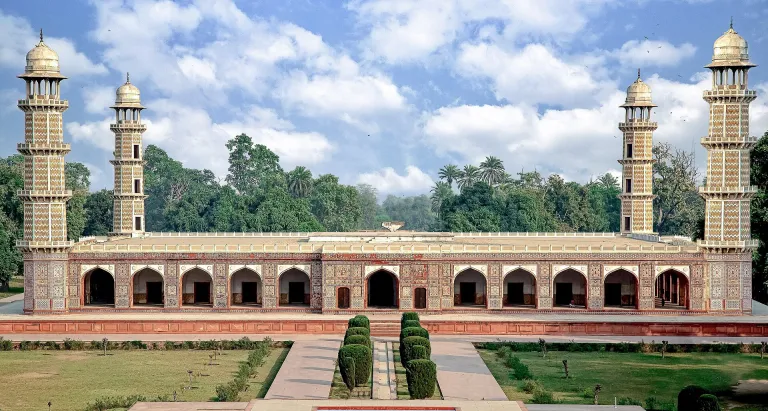 Tomb of Jahangir and Akbari Serai, ShahdaraVisit the Tomb of Jahangir in Shahdara, Lahore: Mughal char-bagh garden, Akbari Serai
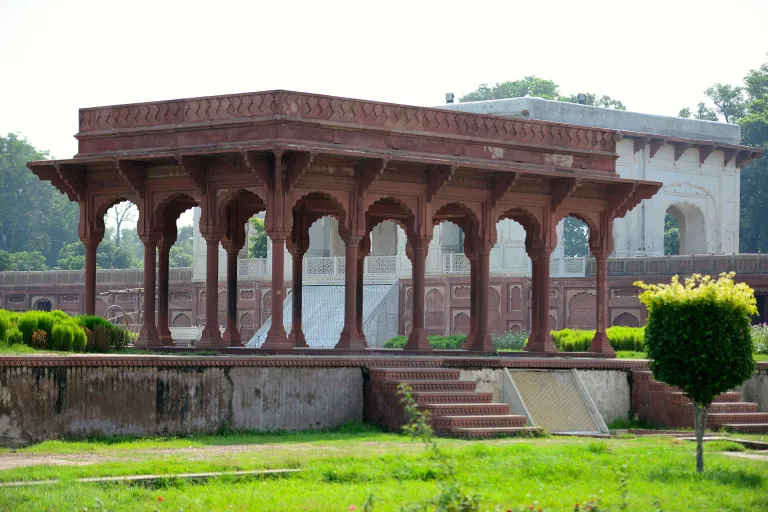 Shalimar Gardens, LahoreVisit the Shalimar Gardens in Lahore: Mughal terraces and cascades, UNESCO listing, history, Mela Chiraghan
 Lahore Fort and Badshahi MosqueLahore Fort and Badshahi Mosque guide: Sheesh Mahal, Picture Wall, Alamgiri GateSheikhupuraSheikhupura city guide: Hiran Minar and its water tank, Jahangir's fort, Nankana Sahib nearby, industry
 LahoreLahore travel guide: Badshahi Mosque, Lahore Fort, Shalimar Gardens, the Walled City, food streets, neighbourhoods, metro
 The Mughal EraThe Mughal Empire in Pakistan: Babur to Aurangzeb, Lahore Fort, Shalamar Gardens
How we know this
- Type Travel guide
- Sources 3
- Reviewed October 2026
- Disputed points None
Rules and fees change, confirm with the official links below before you act.
3 sources
- Hiran Minar, Wikipedia
- A timeless spectacle, The News on Sunday
- Hiran Minar and Tank (Tentative List), UNESCO tentative list via worldheritagesite.org
Photo credits (6)
- Octagonal Pavilion in Water Tank at Hiran Minar.jpg, Shaguftakarim, CC BY-SA 4.0, via Wikimedia Commons
- Tomb of Emperor Jahangir.jpg, Tahsin Shah, CC BY-SA 4.0, via Wikimedia Commons
- Qila Sheikhupura (Sheikhupura fort) @ Pakistan (15298805188).jpg, Guilhem Vellut from Annecy, France, CC BY 2.0, via Wikimedia Commons
- Wide angle view of Badshahi Mosque.jpg, Mishel Ijaz, CC BY-SA 4.0, via Wikimedia Commons
- Shalimar Gardens - Aunzee 48.jpg, Aun Muhammad, CC BY-SA 4.0, via Wikimedia Commons
- The Gurdwara Janam Asthan in Nankana Sahib, Pakistan. 01.jpg, Harvinder Chandigarh, CC BY 4.0, via Wikimedia Commons
