
Travel destination
Bhamala: A Cruciform Stupa above the Haro
A Gandharan stupa and monastery on a hill above the Haro River in Haripur District, noted for its cruciform plan and a monumental reclining Buddha of the Mahaparinirvana.
- Khanpur, Haripur District, Khyber Pakhtunkhwa
- UNESCO Tentative List (11 May 2026)
- 2nd to 5th century CE
Bhamala, Khanpur, Haripur District, Khyber Pakhtunkhwa
About Bhamala
Bhamala lies in Khanpur tehsil of Haripur District, near the Haro River and Khanpur Dam, at the foot of the Murree hills. UNESCO's Tentative List entry, submitted by Pakistan on 11 May 2026, describes a complex of the 2nd to 5th centuries CE that reflects Gandharan Buddhist architecture. Its main feature is a cruciform stupa raised on a tall square podium with steps on all four sides and surrounded by smaller votive stupas. The complex also includes a subsidiary stupa, chapels and a large monastery arranged around a courtyard.
The site is best known for a large sculpture of the Buddha's Mahaparinirvana, his passing into final nirvana, about 14 m long according to the Tentative List entry. News reports have described it as roughly 1,700 years old, and a Dawn feature from 2016 reported an age nearer 1,800 years from dating of associated finds, so treat any single age as approximate. The same feature noted that the chamber housing the figure had collapsed and that the statue had lost its head.
The British archaeologist Sir John Marshall documented the site in the late 1920s and early 1930s. Excavations were reported to have resumed in 2017, and the site is overseen by the Khyber Pakhtunkhwa Directorate of Archaeology and Museums. The cruciform plan is the aspect specialists emphasise: Bhamala is regarded as a later step in the evolution of Gandharan stupas, after designs seen at Dharmarajika and Jaulian.
What to see
 Haro River and Khanpur DamThe hilltop looks over the Haro River, with the hills of the Murree range behind.
 Taxila nearbyBhamala is often visited alongside the monasteries and museum of Taxila.
Plan your visit
Best time
October to April
Cooler months suit a hilltop visit. Rain can affect the approach road.
How to reach
By road via Haripur
Bhamala is reached by road from Haripur or from the Hasan Abdal and Taxila side. A 2016 Dawn report described a winding approach road that was sometimes broken, so ask locally about its current state.
Access and advisories
Confirm locally
Opening arrangements are not published on the sources consulted. Confirm access with the Khyber Pakhtunkhwa Directorate of Archaeology and Museums and check current advisories and local authority guidance.
Where to stay
Haripur, Taxila or Islamabad
Visitors usually base themselves in Islamabad or Haripur and treat Bhamala as a day trip.
Etiquette
Sacred and fragile
Dawn described the site as still sacred and little disturbed by visitors. Keep to paths and do not touch sculpture.
Footwear
Sturdy shoes
Expect uneven ground and steps on the hill.
A day idea
- Leave Islamabad early and head for Haripur and Khanpur, checking access first.
- Visit the stupa terrace, the monastery and the reclining Buddha chamber.
- Return via Hasan Abdal for Gurdwara Panja Sahib, or via Taxila for the museum.
Responsible travel
- The site is Buddhist heritage in an area with few visitor facilities. Take water and carry out your litter.
- Do not climb on stupa walls or handle sculpture.
- Never buy antiquities offered near the site.
- Respect any local restrictions and staff instructions, particularly around the statue chamber.
Frequently Asked Questions
Is Bhamala a UNESCO World Heritage Site?
Not yet. UNESCO lists the Bhamala Buddhist Complex on Pakistan's Tentative List, with a submission date of 11 May 2026.
How big is the reclining Buddha?
The Tentative List entry describes a sculpture of the Mahaparinirvana of roughly 14 metres.
Who excavated Bhamala?
Sir John Marshall documented and first excavated it around 1929 to 1931 according to different accounts, and work resumed in 2017.
Is the site open to visitors?
It is described as a tourist destination, but arrangements are not published in the sources consulted. Confirm access locally.
Keep Exploring
Related places and stories on DailyLife.pk
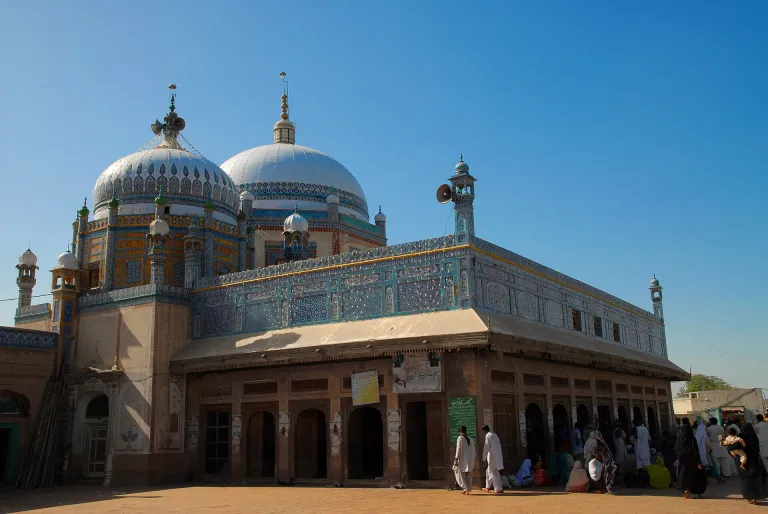
TaxilaVisit Taxila: Dharmarajika stupa, Jaulian monastery, Sirkap and Taxila Museum. Tarbela DamTarbela Dam guide: facts and figures from WAPDA, the reservoir, the displaced villages, the lake shoreHaripurHaripur city guide: Harkishangarh Fort, Tarbela Dam, Khanpur Lake, the Bhamala stupa, history since 1822, foodKhanpurKhanpur (Khanpur Katora) guide: the railway junction, Chachran Sharif and Khwaja Ghulam Farid
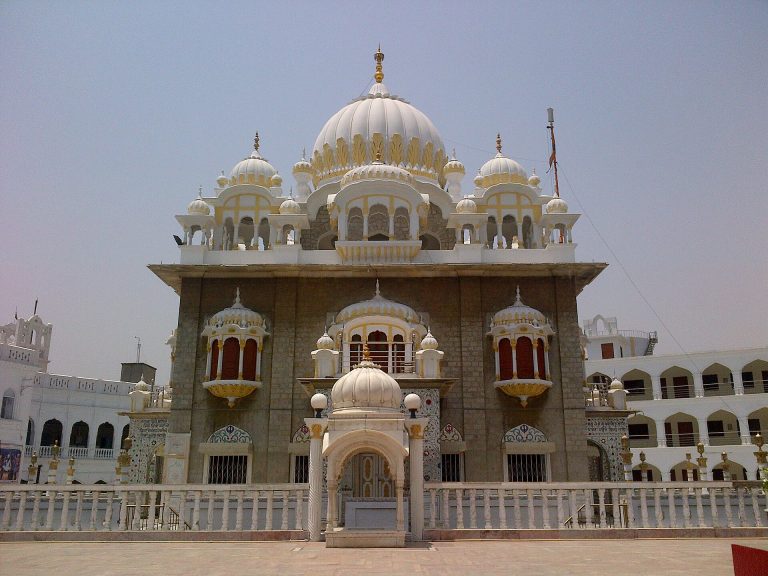 Hasan AbdalHasan Abdal guide: Gurdwara Panja Sahib, Wah Mughal Gardens, Lala Rukh's tomb, Cadet College, Taxila nearby
 GandharaGandhara in Pakistan: Taxila, Takht-i-Bahi, the Kushans, Greco-Buddhist art in schist and stucco, key museum pieces
How we know this
- Type Travel guide
- Sources 4 (1 official/academic)
- Reviewed October 2026
- Disputed points None
Rules and fees change, confirm with the official links below before you act.
4 sources
- Bhamala Buddhist Complex (Tentative List), UNESCO World Heritage Centre
- Bhamala: sleeping Buddha, Dawn
- Pakistan unveils 1700 year old reclining Buddha statue at Bhamala archaeological site, Buddhistdoor Global
- Bhamala Stupa (used to locate primary sources), Wikipedia
Photo credits (4)
- A picture of Shrine of Hazrat Khwaja Ghulam Farid by Usman Ghani.jpg, Usman.pg, CC BY-SA 3.0, via Wikimedia Commons
- Dharmarajika stupa,Taxila.jpg, Sasha Isachenko, CC BY-SA 3.0, via Wikimedia Commons
- Tarbela Dam USAID.jpg, United States government, Public domain, via Wikimedia Commons
- Takht-i-Bahi Buddhist Monastery.jpg, Muzamil Hassain Toori, CC BY-SA 4.0, via Wikimedia Commons
