
Ingredients & Spices · The complete guide
Neutral cooking oil
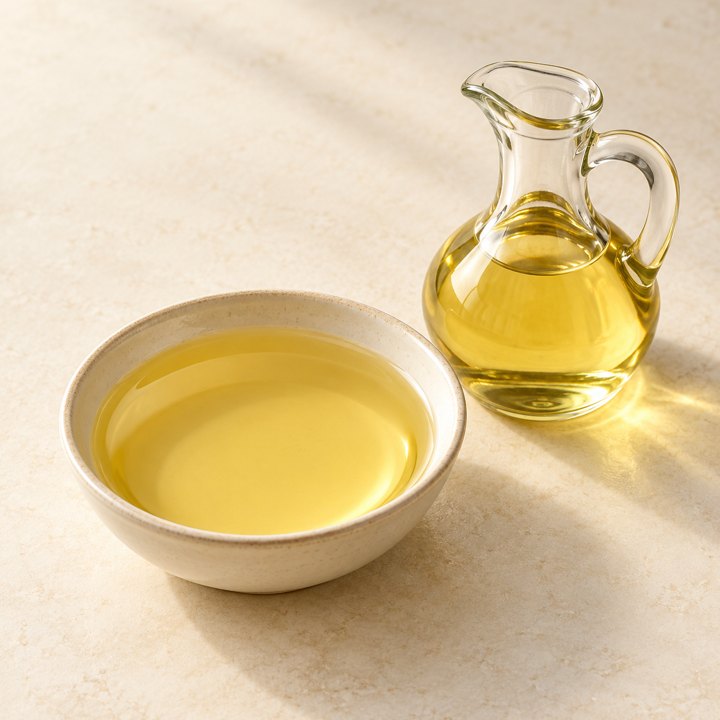
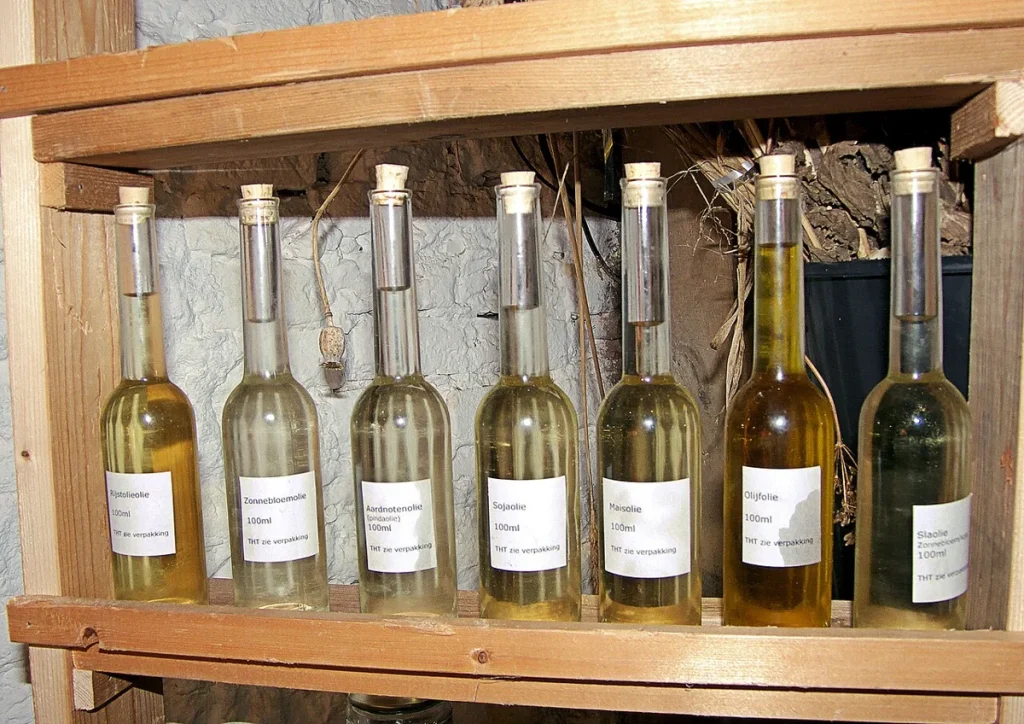
Neutral cooking oil describes a function, not a botanical species: a relatively mild oil used when spices should dominate. Sunflower, canola, soybean and suitable blends can all fill that role.
What it is and what to ask for
Neutral cooking oil describes a function, not a botanical species: a relatively mild oil used when spices should dominate. Sunflower, canola, soybean and suitable blends can all fill that role.
Read the named oils, refining status, pack integrity and use-by guidance. Neutral is a flavour description, not proof of a particular fat profile or allergen suitability.
History, production and the Pakistan context
Oilseed pressing is ancient, while refining and large-scale blending made mild, consistent oils widely available. A neutral oil therefore has several crop histories rather than one birthplace.
Pakistan produces and imports edible oils; Indonesia and Malaysia supply palm oil, while countries such as Brazil and Argentina participate in soybean oil production and trade. A blend may combine several origins.
How to use it successfully
Choose an oil intended for the method: shallow frying, deep frying or a gentle tadka. Heat gradually, avoid visible smoking and use enough pan space so food cooks rather than soaking in cooling oil.
For deep frying, allow food to drain before adding it and keep the pan stable with adequate headroom. After cooking, assess used oil for darkening, persistent foaming or off odours and follow safe local disposal guidance. Do not keep topping up indefinitely to disguise deteriorated oil; fresh oil cannot reverse damage in the old portion.
Nutrition, benefits and limits
All oils are energy dense. Unsaturated oils can help replace saturated fats in the diet, but large quantities remain large quantities of fat and repeated overheating damages cooking quality.
Choosing a replacement
Another mild cooking oil often works directly. Ghee brings dairy aroma and different solidification; toasted sesame or strongly flavoured mustard oil changes the dish noticeably.
When changing a cooking fat, compare flavour, water content, solidity and the method of heating. Preserve the recipe’s functional balance rather than only the apparent spoonful size. A substitute should meet the household’s actual dietary requirement, and its own food-grade and storage instructions remain relevant even when the quantity is small.
Safe handling and storage
Choose a sealed food-grade product and store it away from heat, light and damp according to the producer. Keep the bottle capped and use a clean dry measure. A small bottle is often more practical for a specialty finishing oil than a large cheap bottle that remains open long after its aroma has faded.
Refining, roasting and extraction influence flavour and heating suitability. Follow the actual product guidance instead of assigning one smoke point to every oil with the same plant name. Avoid visible smoking and do not regard a smoking step as a method to remove toxins or make a non-food oil edible. Oil used with wet ingredients also needs different preservation precautions from a plain dry bottled oil.
All cooking oils supply concentrated energy. Their fatty-acid profiles differ, but a switch from one oil to another should be considered within the whole diet and the quantity used. Extracted oil does not retain the fibre and protein of the original seed or nut. For allergy, check the source and processing; a culinary oil should not be assumed safe merely because it looks clear. Discard rancid oil rather than attempting to hide stale flavours with spices.
Planning, portions and serving
For vegetables that absorb oil readily, such as aubergine, measure the amount before cooking rather than repeatedly topping up whenever the pan looks dry. Use the recipe's method, batch size and heat control to manage absorption. For dough, the same oil acts as a tenderiser rather than a frying medium, so a generic deep-frying instruction is irrelevant. State the actual oil used when documenting an adaptation for people with dietary requirements.
Recipes and pantry links
Use neutral cooking oil according to the form specified in the linked recipe: raw versus cooked, bone-in versus boneless, sweetened versus plain, and the stated cut or processing style all affect the result. The ingredient discussion above explains which differences matter most here. Read the complete recipe before shopping, then measure the prepared usable quantity rather than assuming every package has the same yield.
- Aloo Paratha
- Tandoori Roti
- Lahori Fried Fish
- Chicken Karahi
- Chana Daal
- Chicken Boti
- Bharwan Baingan
- Dal Pakwan
- Chicken Chilli Dry
- Baingan Bharta
- Bharwan Bhindi
- Bharwan Karela
- Bhindi Masala
- Chana Puri
- Chicken Chapli Kebab
- Chicken Jalfrezi
- Chicken Shami Kebab
- Chicken Steam Roast
- Chicken Tikka Masala
- Chicken Seekh Kebab
- Kachori Nashta
- Kadhi Pakora
- Keema Paratha
- Lahori Chargha
- Lobia Curry
- Tikka Biryani
- Vegetable Kofta
- Charsi Karahi
- Chicken Manchurian
- Namkeen Karahi
- Shinwari Karahi
For related ingredient names, local terminology and flavour pairings, browse the Pakistani ingredients and spices pantry guide.
Names and forms used in our recipes
View the recipe names covered by this guide
- frying oil in pan
- neutral cooking oil
- neutral cooking oil or rendered sheep fat
- neutral cooking oil, total
- neutral frying oil
- neutral frying oil available in deep pan
- neutral frying oil available in pan
- neutral oil
- neutral oil available for shallow-frying
- neutral oil available in frying pan
- neutral oil available in shallow frying pan
- neutral oil for chicken
- neutral oil for deep-frying
- neutral oil for dough
- neutral oil for griddle
- neutral oil for keema
- neutral oil for pan-frying
- neutral oil for sauce
- neutral oil for shallow cooking
- neutral oil for shallow cooking, divided
- neutral oil for shallow frying
- neutral oil for shallow-browning
- neutral oil or rendered lamb fat
- neutral oil total
- neutral oil, divided
- neutral oil, divided for okra and masala
- neutral oil, total
- neutral or mustard oil for masala
- neutral stir-fry oil
- neutral vegetable oil
- oil
- oil for gravy
- oil for tempering
- oil to brush on eggplant
- rendered edible lamb fat or neutral cooking oil
- vegetable oil
Frequently Asked Questions
Is neutral oil one specific kind of oil?
No. It describes a mild flavour and culinary role. Canola, sunflower, soybean and suitable blends can qualify, but their fat profiles and heating specifications still differ.
What should I check before buying neutral cooking oil for these recipes?
Read the named oils, refining status, pack integrity and use-by guidance. Neutral is a flavour description, not proof of a particular fat profile or allergen suitability. Match the stated plain or flavoured form and read the storage directions before opening the pack.
What is a practical substitute for neutral cooking oil?
Another mild cooking oil often works directly. Ghee brings dairy aroma and different solidification; toasted sesame or strongly flavoured mustard oil changes the dish noticeably. Make a small test where binding, melting or a delicate final texture is central, and adjust the recipe rather than treating different ingredients as identical.
Keep Exploring
Related places and stories on DailyLife.pk

How we know this
- Type Explainer
- Sources 3 (2 official/academic)
- Reviewed November 2026
- Disputed points None
3 sources
Photo credits (1)
- Vegetable oils, plantaardige oliën.jpg, Rasbak, CC BY-SA 3.0, via Wikimedia Commons
