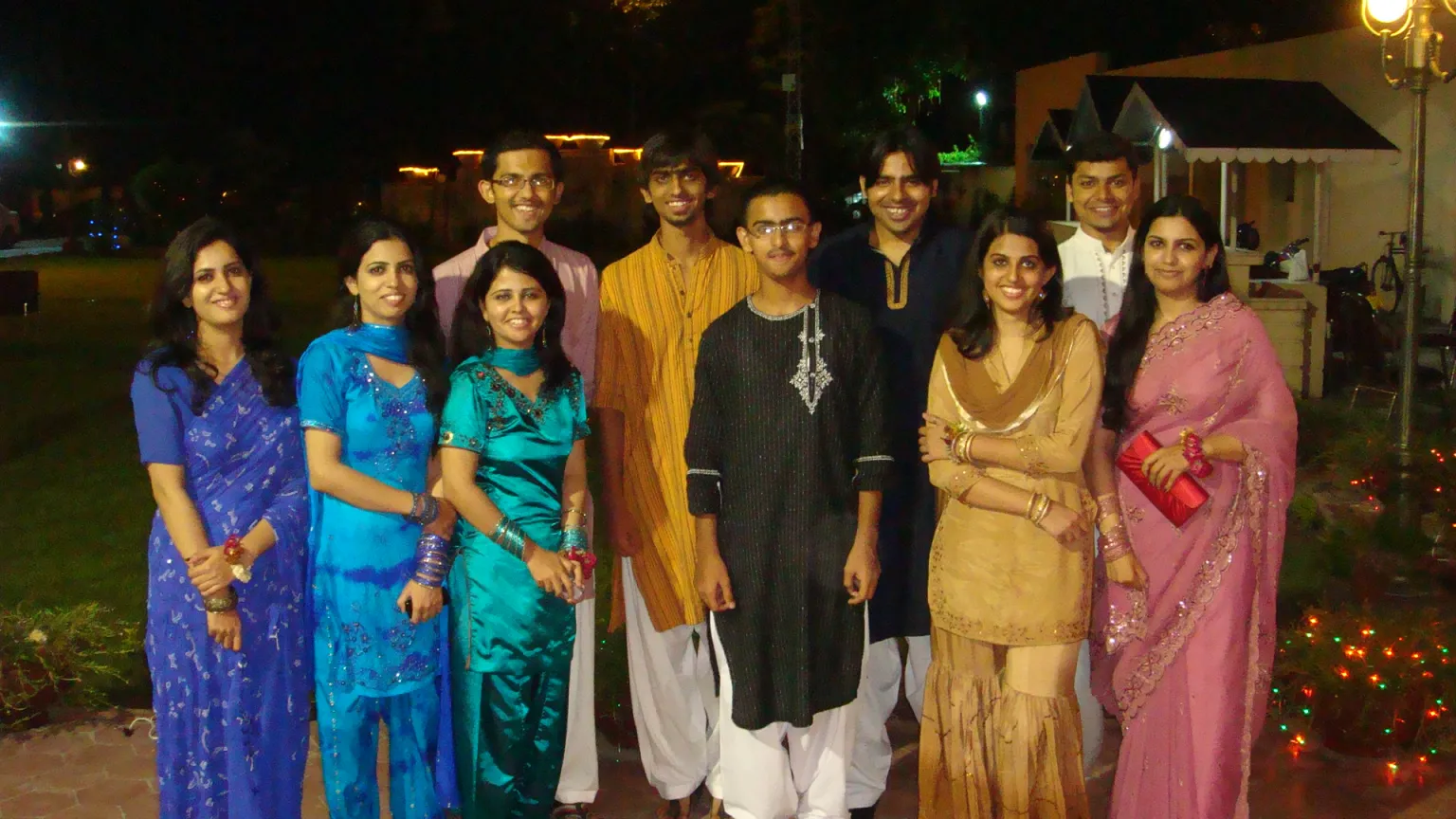
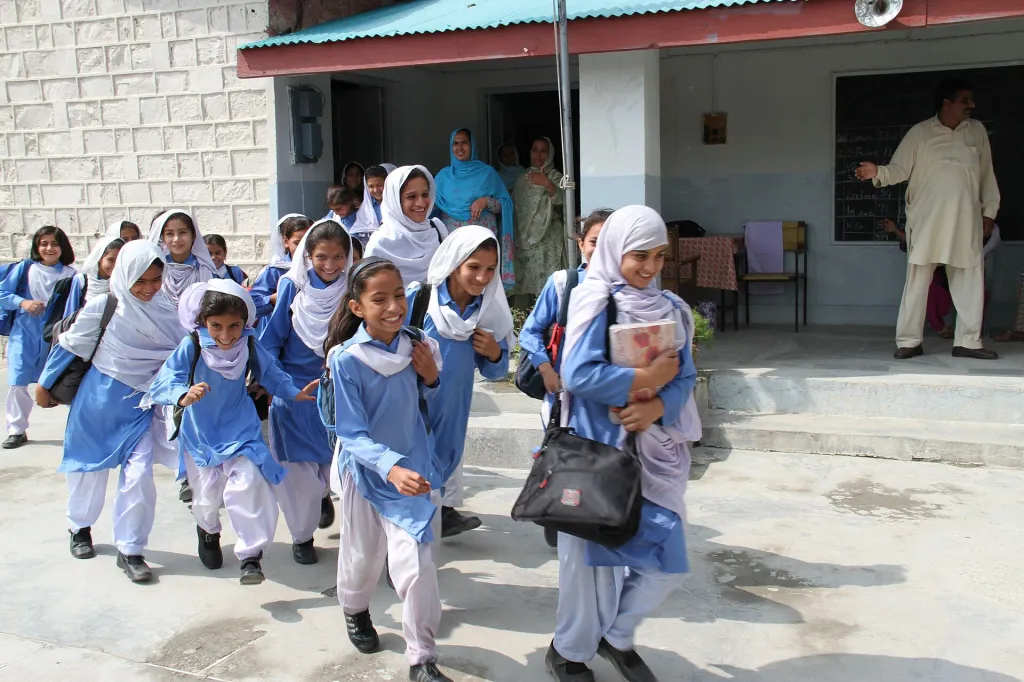
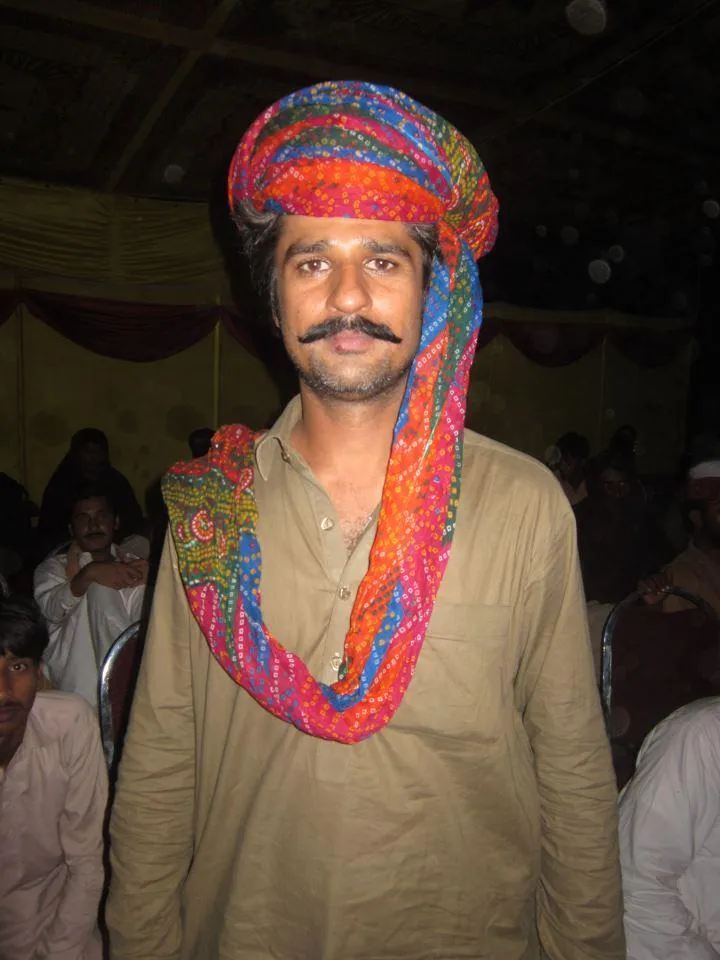
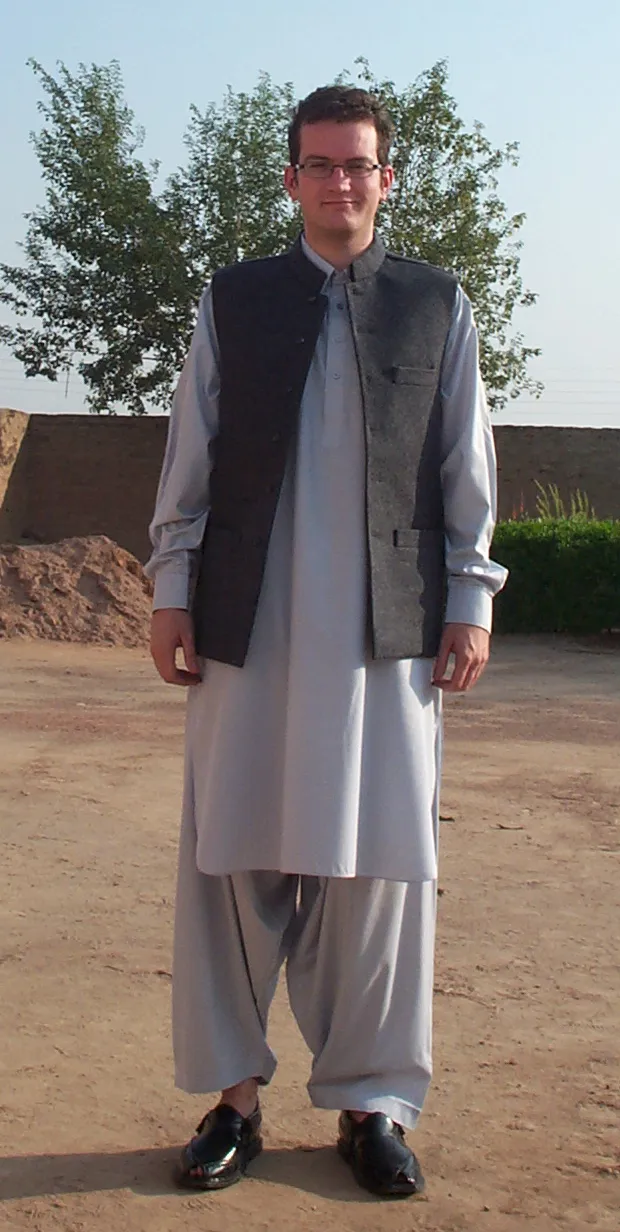
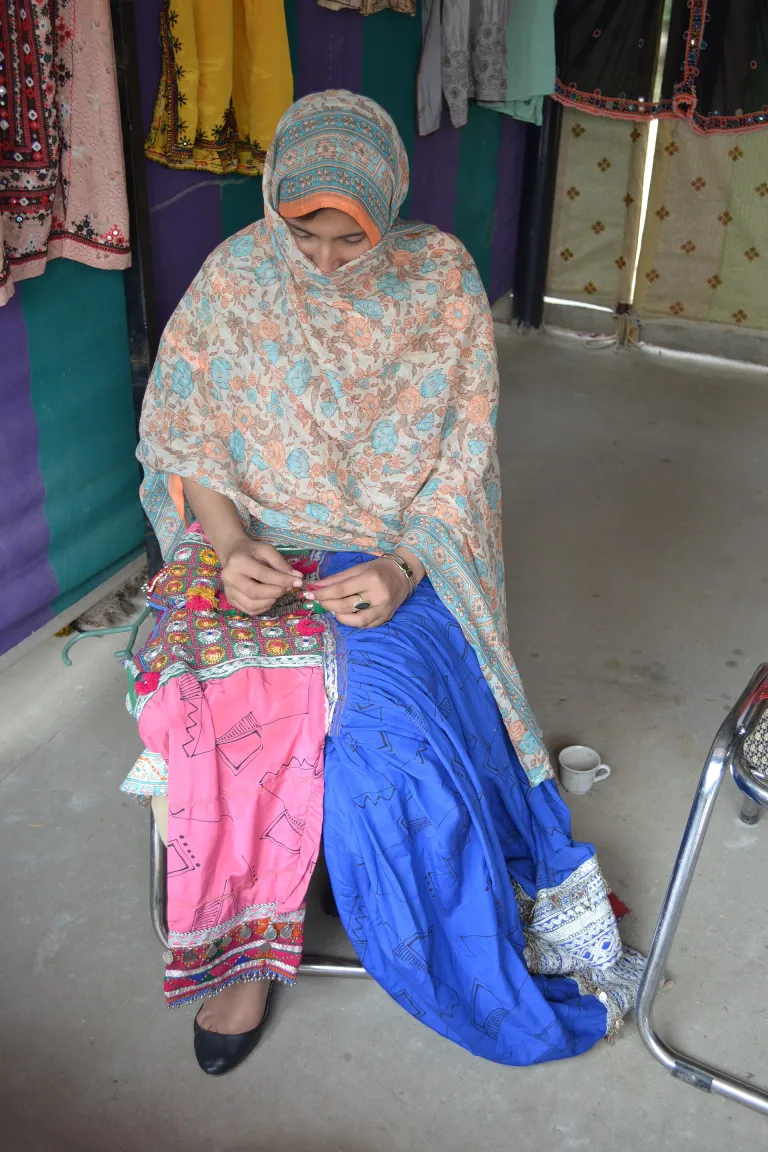
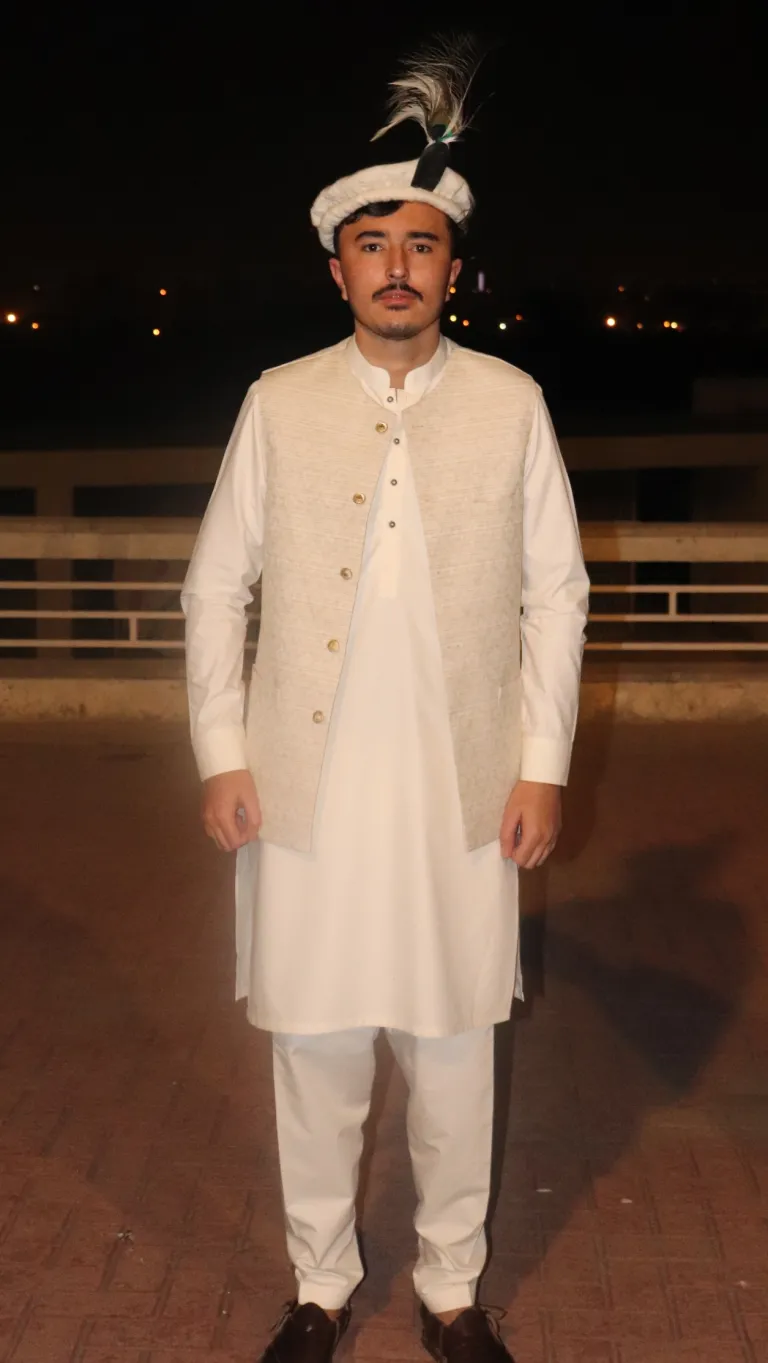
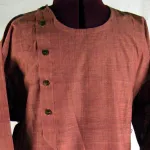
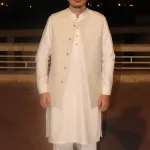
Walk through any Pakistani city and you will see one silhouette above all others: the shalwar kameez, a long tunic (kameez) over loose trousers gathered at the ankle (shalwar). It is the national dress, worn by men and women, rich and poor, in all four provinces and beyond. Men's versions are usually plain, in cotton for summer and wool blends for winter, often with a waistcoat; women's are cut in countless styles and fabrics and are completed by a dupatta, a long scarf worn over the shoulders or head.
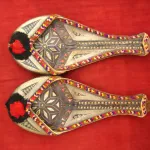
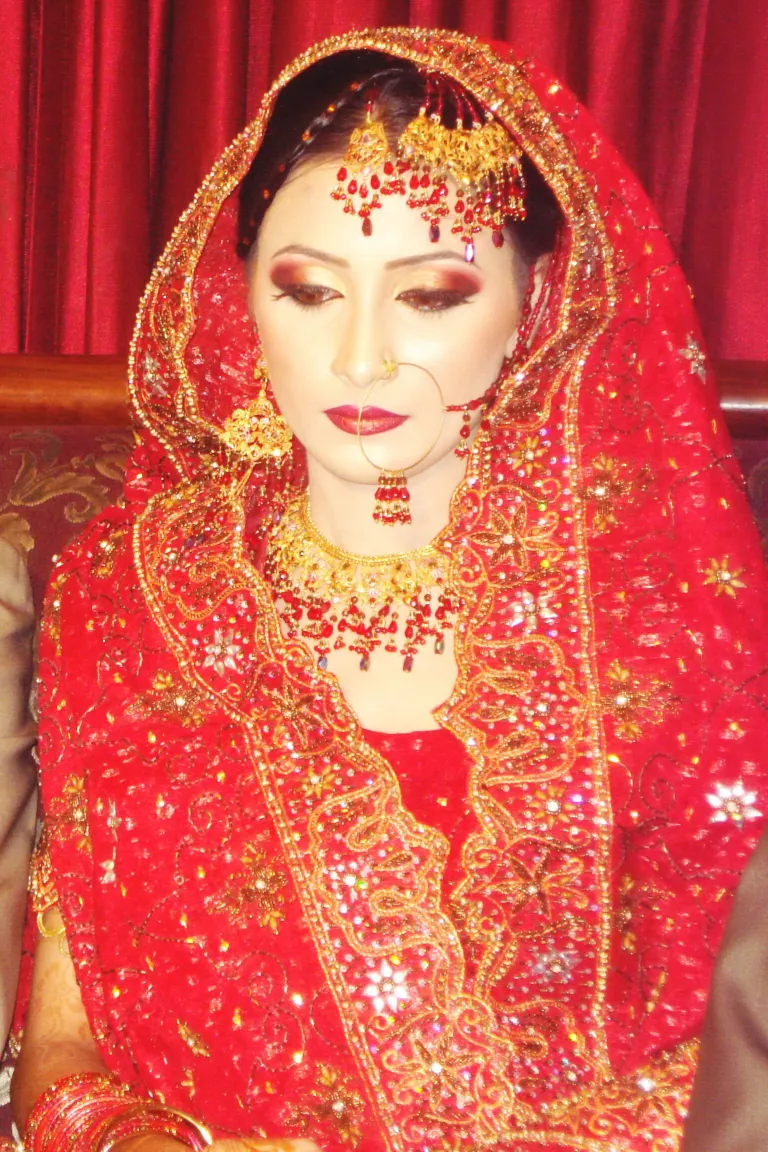
For formal occasions men wear the sherwani, a long coat buttoned to the neck, sometimes with the Jinnah cap made of karakul lambskin, associated with the country's founder. Weddings bring out the most elaborate clothing: brides often choose red or deep-coloured lehengas, ghararas or shararas heavy with gold embroidery, while grooms wear a sherwani, turban or kulla and embroidered khussa shoes.
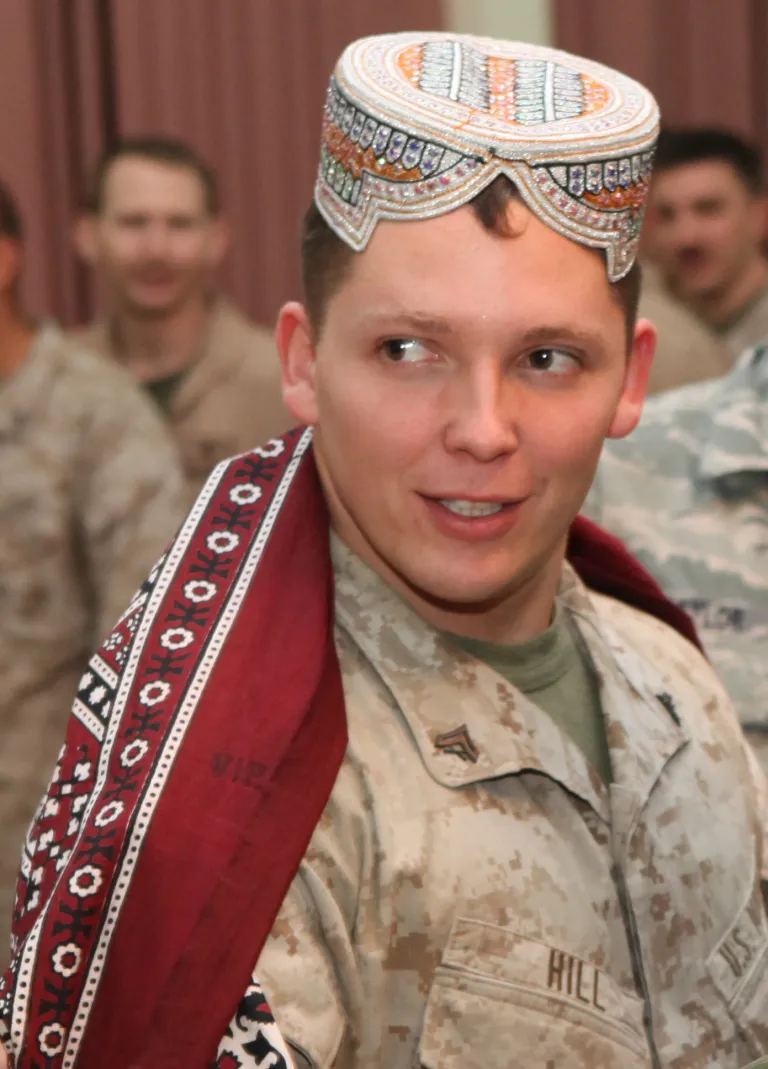
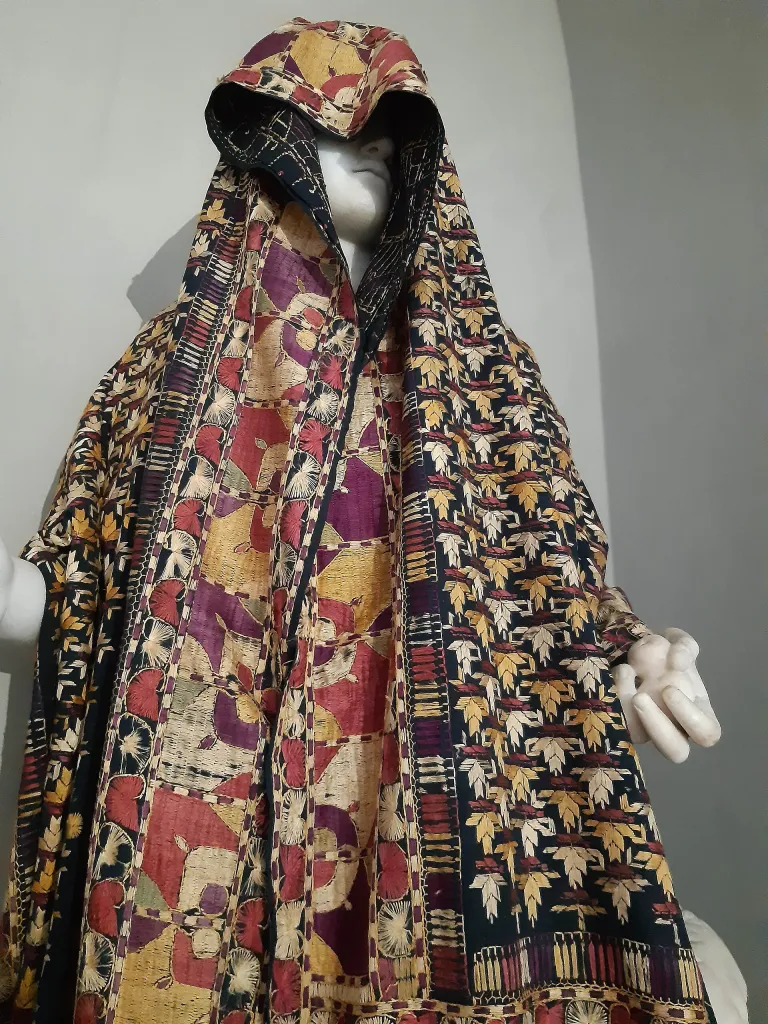
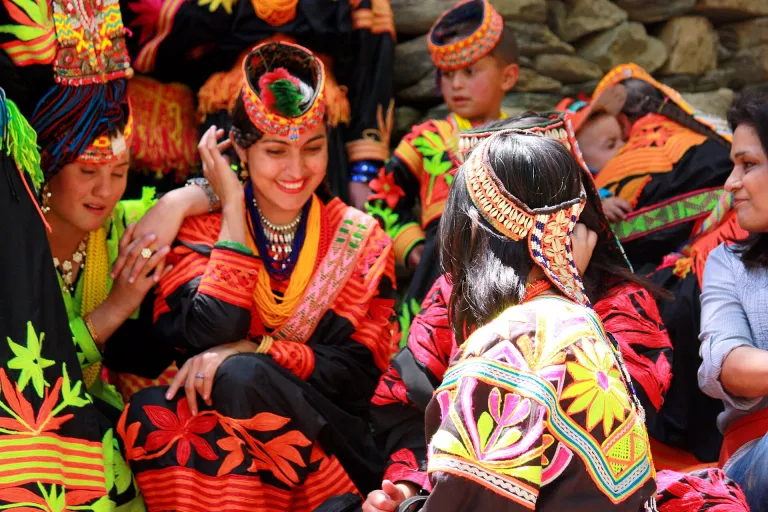
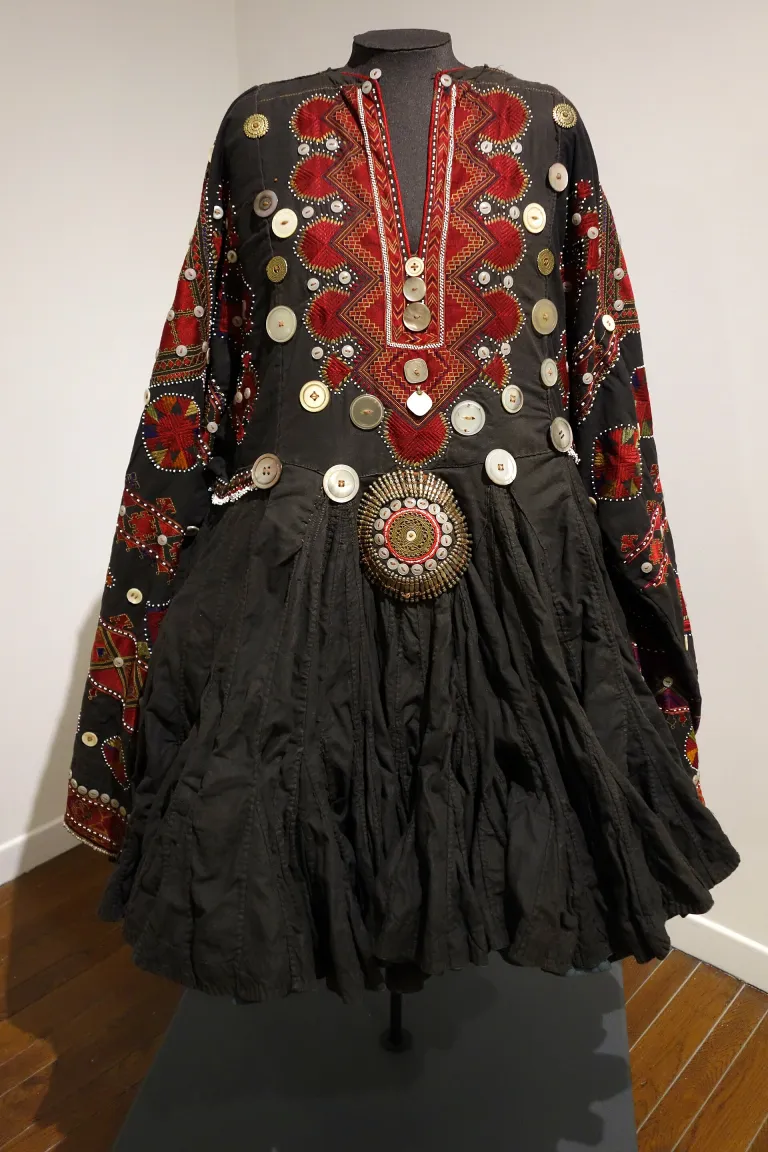
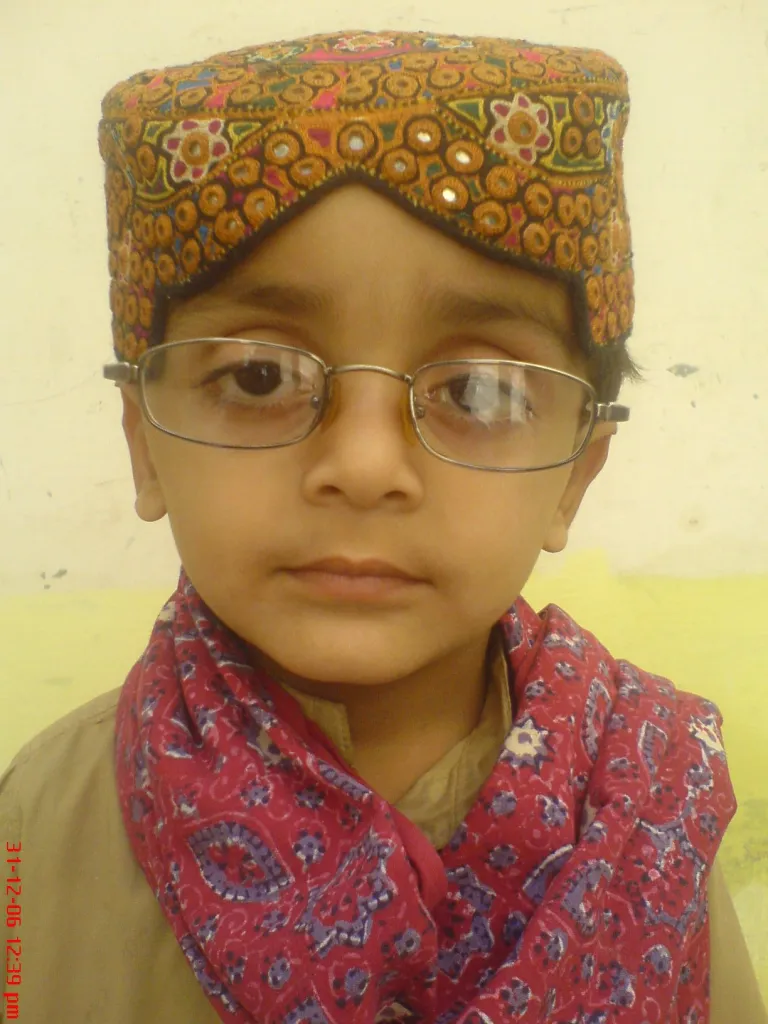
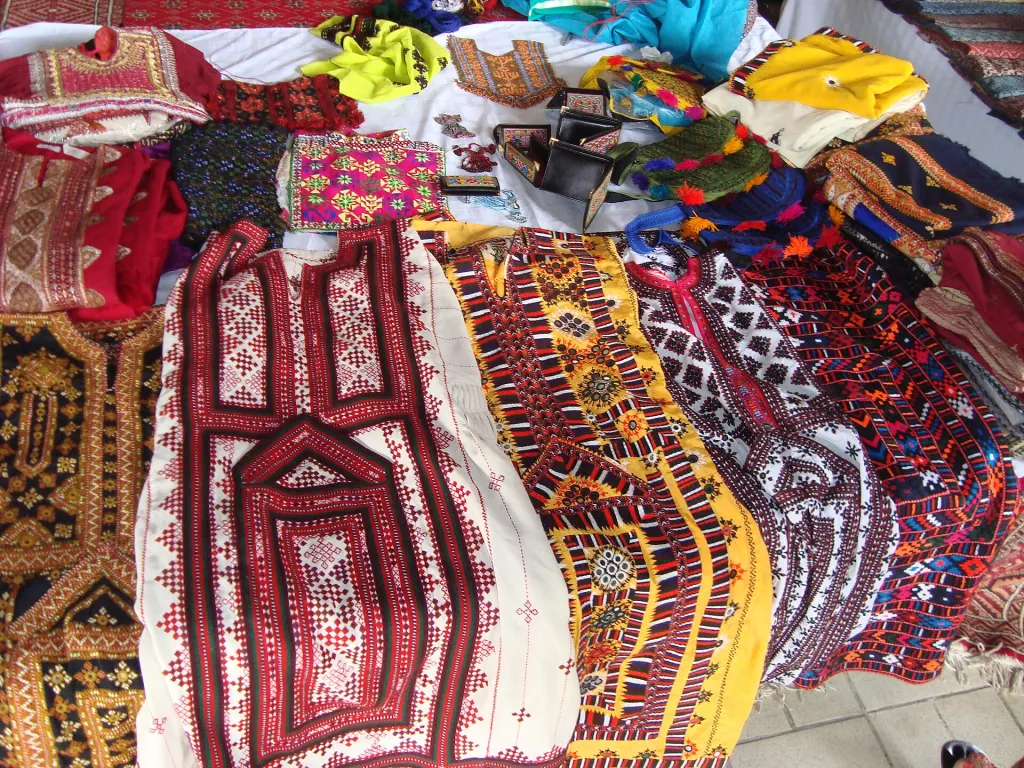
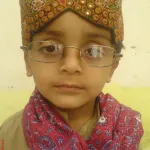
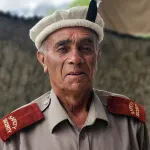
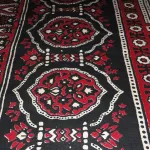
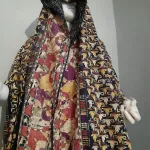
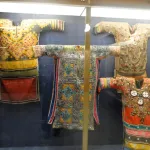
Beneath this shared wardrobe lies an extraordinary range of regional dress. Caps, turbans, shawls, embroidery, mirror-work and jewellery vary from valley to valley, and many people still use them to signal where they come from, especially at festivals, weddings and on cultural days.