
Flying with banned string
Reports give three to five years in prison and a fine of up to Rs2 million, with some offences non-bailable.
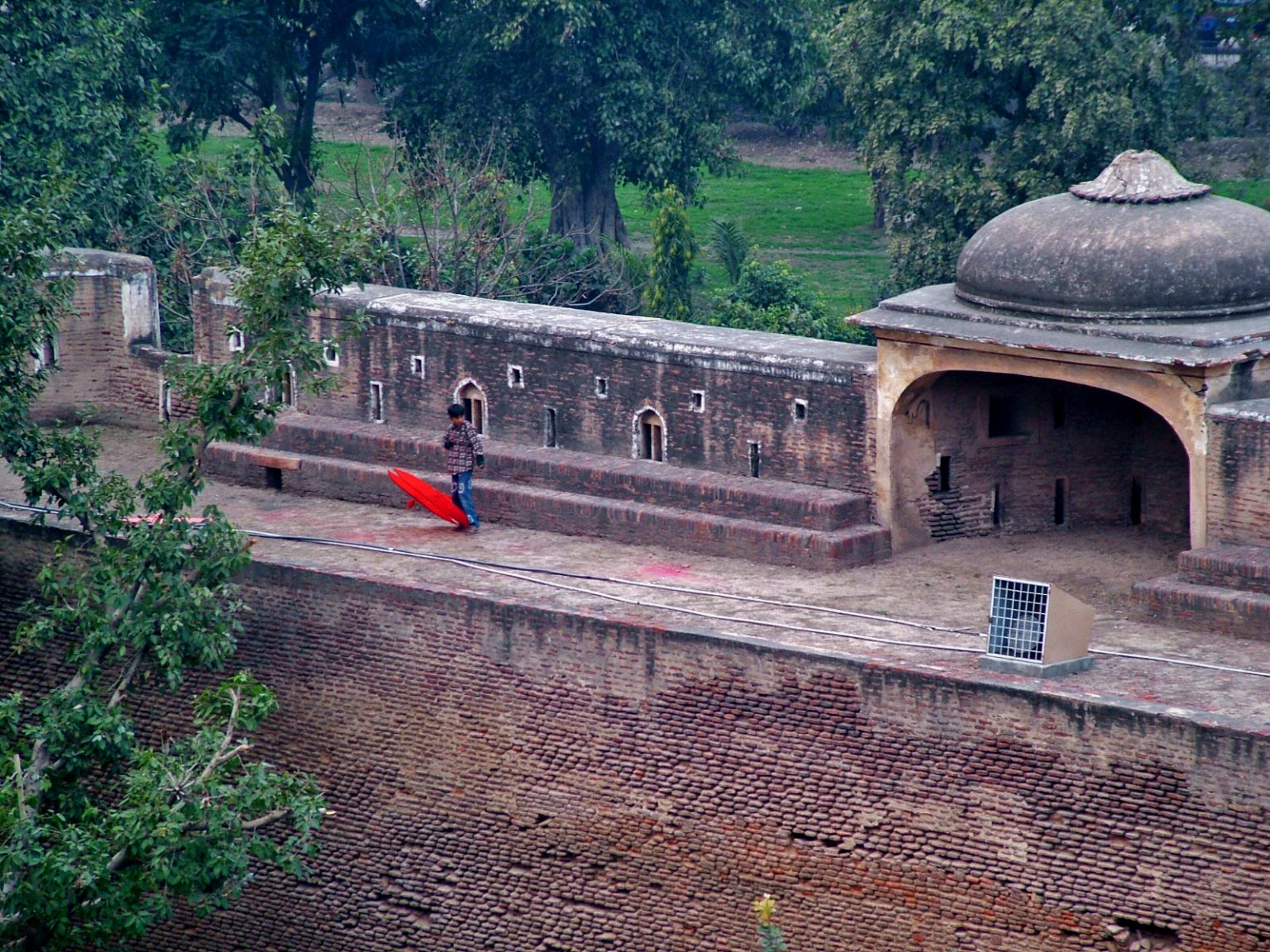
Culture & Festivals
How Lahore's spring kite festival began, why it was banned in 2007, and what changed when it returned in 2026.
Basant is a spring kite-flying festival of the Punjab, closely linked with Lahore. It was banned in Lahore in 2005 and across Punjab in 2007 after repeated deaths and injuries, mostly from sharp, glass-coated, metallic or chemical-coated string, and from falls, electrocution and celebratory gunfire. The ban lasted about 18 or 19 years, depending on how you count.
In December 2025 the Punjab government lifted it under new rules, and Basant returned to Lahore only on 6 to 8 February 2026. Kite flying is allowed only on notified days, using thread-based string approved under the law. Press reports say the plans for 2027 have changed twice: a ten-day festival from 29 January to 7 February 2027 was announced first, and on 20 October 2026 the Express Tribune reported that the Punjab cabinet had approved 12 to 14 March 2027 instead. Dates and rules can change again, so always confirm with the Punjab government before you travel or buy anything. See also festivals of Pakistan.
Basant, also called Jashn-e-Baharan, is a spring festival traditionally held on the fifth day of the month of Magh, usually late January or early February. It is centred on kite flying and welcomes the arrival of spring. In 2026 the traditional date fell on 23 January, while the official Punjab festival dates were 6 to 8 February.
Kite flying became part of springtime festivities under the Mughal emperors, with celebrations at Lahore Fort. In the early nineteenth century, Maharaja Ranjit Singh of the Sikh Empire patronised Basant. Court and military members wore yellow, he and his queen Moran flew kites, and he held a ten-day darbar in Lahore at Basant time. For the Sikh period, see the Sikh heritage trail of Pakistan.
By the middle of the twentieth century Basant in the larger cities had become a public festival with rooftop parties, music, food and competitive kite flying, and Lahore became its main centre. It remains a debated festival: critics have argued about its roots in a spring festival of the Hindu tradition, while supporters see it as a Punjabi cultural celebration rather than a religious one.
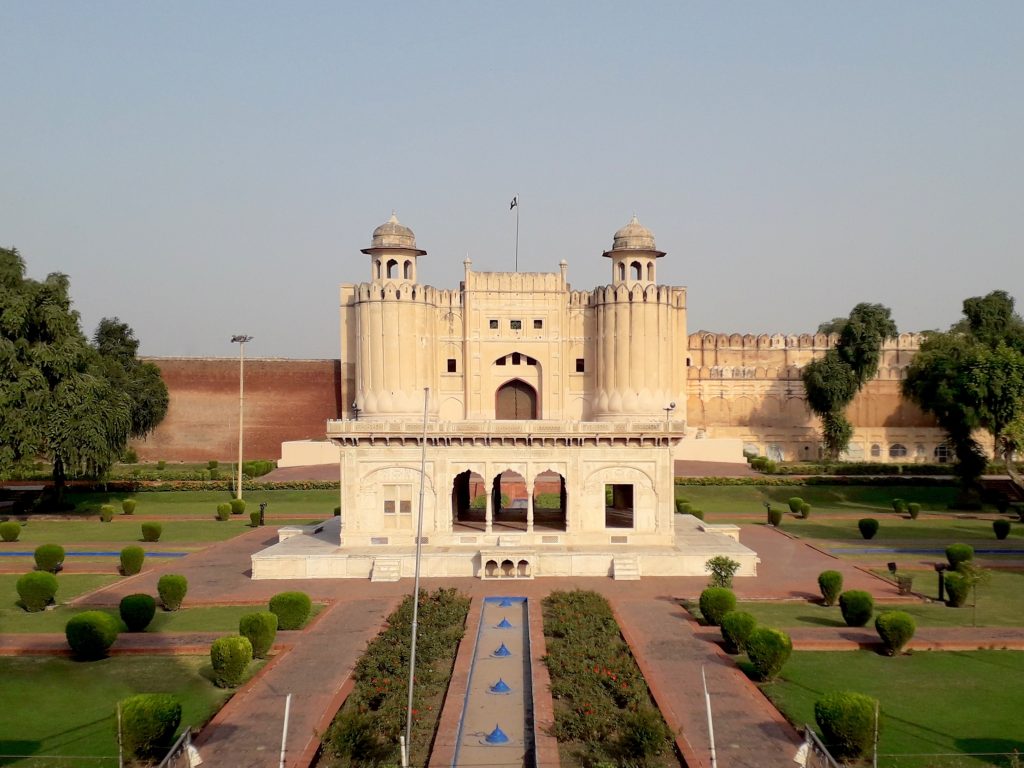
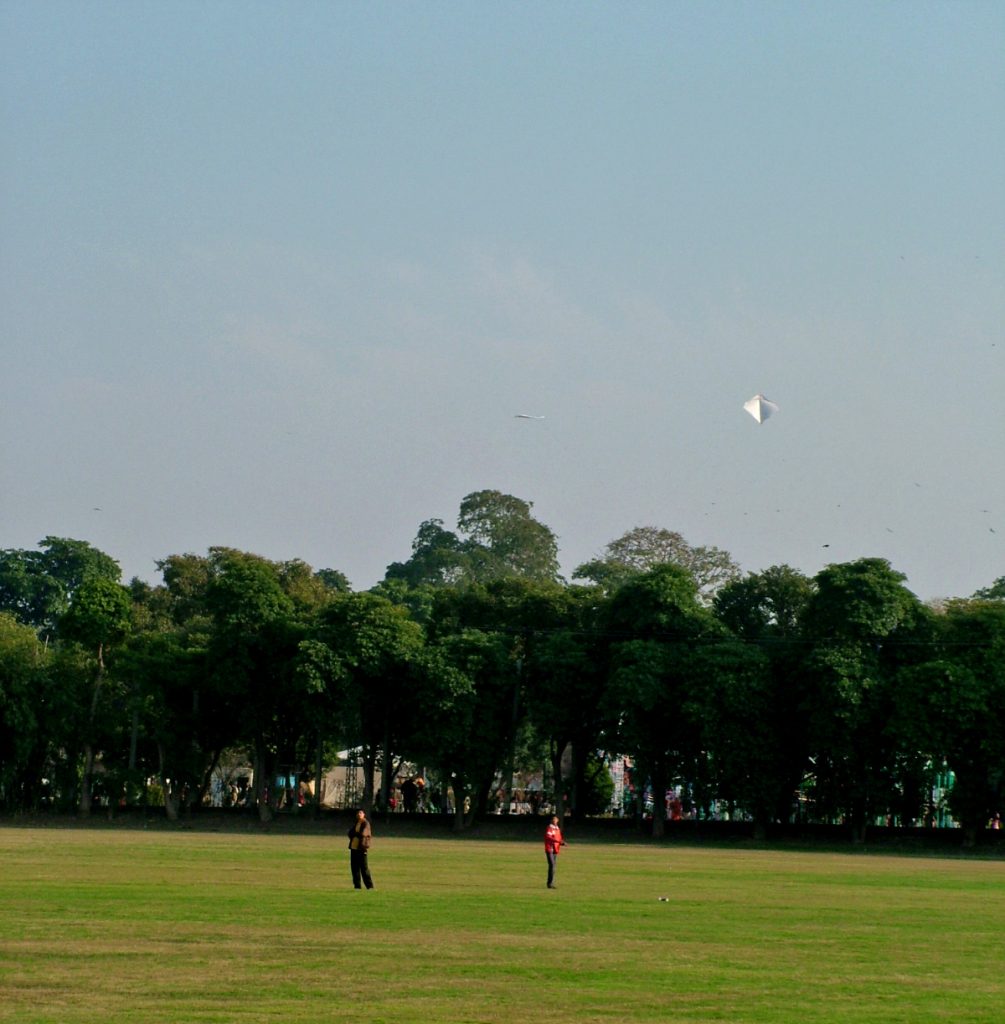
Competitive kite flying is called patang bazi. Two main types of kite are used, the patang and the gudda, and the line is called dor. In a contest, flyers try to cut each other's lines, and the winner celebrates by calling out that the rival kite is cut. People take to rooftops in groups, with loud music and food, and sell kites, string and sweets in shops around the old city. Sweet dishes are part of the day.
Much of the traditional skill lies in the string, which was once coated with ground glass so that it could cut other lines. That practice, and later the use of nylon, chemical and metal wire, is what made the festival dangerous. Under the current rules, the string must be cotton, and the law sets maximum sizes for the kites themselves. See the table below.
Basant sits alongside the other celebrations in our festivals of Pakistan and recurring festivals calendar, and it falls in the same season as spring travel in Pakistan. For what to wear and where to shop, see Pakistani clothing brands and where to shop.
These details come from news reports on the Punjab rules of 2025 and 2026. The legislation has been updated by ordinance and act, so check the current text.
| Item | Rule as reported |
|---|---|
| String | Only thread-based cotton string. Metallic wire, nylon, glass-coated and chemical or sharp string are banned |
| Kite designs | Plain kites only. Kites showing people, holy scripture, religious places, flags or party symbols were banned for 2026 |
| Kite sizes | Patang up to 35 inches wide and 30 inches long; gudda up to 40 inches wide and 34 inches long |
| String on spool | String wound on a charkhi is prohibited. Approved string is sold wound on a pinna with a QR code |
| Sellers | Manufacturers, traders, sellers and kite associations must register with the deputy commissioner |
| Age | People under 18 may not fly kites. Guardians are responsible |
| Dates | Kite flying is allowed only on notified days; elsewhere in Punjab it is banned |
The first ban came in 2005, when a lawyer challenged the festival in the Lahore High Court on religious grounds and cited deaths and damage to electrical equipment. In 2007 Punjab banned Basant province-wide, mainly because of deaths and injuries from celebratory firing, dangerous string, electrocution from metal wire and falls from rooftops. The Express Tribune reports that kite flying and manufacturing were banned in Punjab in 2005 after more than 25 deaths, and that, by 2024, more than 2,020 people had died in kite-related incidents, with over 90 per cent caused by chemical-coated string. Treat these totals as press figures, because the sources are not easy to verify independently.
In 2004, the daily Nawa-i-Waqt had argued against the festival on the basis of an old controversy about Haqiqat Rai. This religious argument was one strand of the debate, together with the public safety case.
In December 2025 Governor Sardar Saleem Haider signed an ordinance giving conditional permission for Basant, after the long-standing ban. Later reports refer to the law as the Punjab Regulation of Kite Flying Act 2025, with rules issued under it. Basant ran in Lahore on 6 to 8 February 2026, with Section 144 imposed for 30 days on the kite designs, and with safety measures that included metal rods on motorcycle handlebars, nets over some streets near power lines, rooftop monitoring by drones and CCTV, and a ban on larger kites.
Enforcement was strict. Punjab Police said it had adopted a zero-tolerance policy against metallic and chemical string, and reported that, in one 24-hour period reported on 3 February, 333 cases had been registered and 340 people arrested across the province. The Chief Minister praised the festival on 9 February, but the human toll was heavy. Official records submitted to the Lahore High Court listed 17 deaths in Lahore, of whom 12 fell from rooftops, three were electrocuted and two fell from trees, and the Home Department put injuries at about 160. The Express Tribune said sources put the death toll at 21. The Lahore High Court was examining how the law is applied when those figures were reported.
The revival was limited to Lahore. Wikipedia's account notes that people in Rawalpindi defied the ban, leading to arrests and seized kites, and that Quetta held a separate three-day event. It also records that 165 kite flyers and dealers were arrested in Lahore on 16 February, after the festival, which shows that enforcement continued beyond the three days. If you live elsewhere in Punjab, do not assume that Lahore's permission applies to your city.
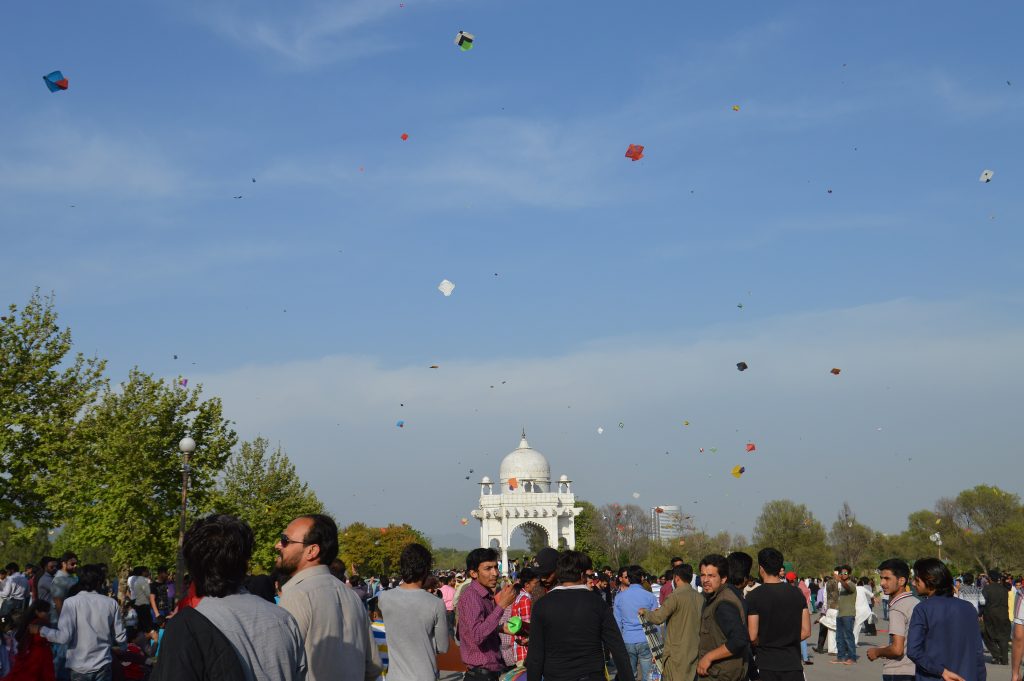
Plans have changed more than once, so treat every date as provisional. In August and early September 2026, reports said Basant would be held in Lahore on 12 to 14 March 2027. At the end of September a ten-day festival from 29 January to 7 February 2027 was announced, with a pause on 5 February for Kashmir Day. On 20 October 2026 the Express Tribune reported that the Punjab cabinet had reversed that and approved 12, 13 and 14 March 2027, following a summary from the Lahore deputy commissioner to the Home Department. The report says kite flying is allowed only on the notified festival dates, that metallic, chemical-coated and sharp string is prohibited, and that only approved kite sizes and cotton string may be used.
We have not seen a formal notification in the Gazette, so please check the Punjab government, the Home Department and the Lahore deputy commissioner for the final dates and rules before you travel or buy kites. Checked October 2026.
These are the penalties reported in the news for the 2025 and 2026 rules.
Reports give three to five years in prison and a fine of up to Rs2 million, with some offences non-bailable.
Five to seven years in prison and fines of up to Rs5 million are reported for unauthorised manufacture, transport, storage or sale.
Guardians face fines of Rs50,000 for a first violation and Rs100,000 for repeat violations. Children are dealt with under the Juvenile Justice System Act 2018.
Building owners and organisers can be held responsible for accidents, and unsafe buildings can be sealed.
If you are a visitor, enjoy Basant as a spectator from a safe, permitted location rather than from an unchecked rooftop, and expect road closures and heavy crowds. Plan your stay with our guides to a Lahore city break and the Walled City, and follow our travel safety guide. Never touch string that is lying on the road.
Getting around Lahore during the festival is easier with our Orange Line and Metro Bus guide; air quality is covered in the Lahore smog and air quality guide.The Punjab Home Department, the Lahore deputy commissioner and Punjab Police publish rules, kite and string registration notices and enforcement updates. Punjab Police says it is enforcing the Basant standard operating procedures, and the Lahore High Court is reviewing the law. If you see illegal sale of metallic or chemical string, report it through official channels. In a medical emergency, call the emergency services and take injured people to the nearest hospital, since a string cut to the neck can be fatal.
The sources listed under this article are press and background reports, not official notifications, so the final word on dates and rules is the Punjab government. Also read about Independence Day on 14 August. Checked October 2026.
Basant is a spring festival of the Punjab centred on kite flying. It is held around the fifth day of the month of Magh and is linked most strongly with Lahore.
It was banned in Lahore in 2005 and in Punjab in 2007 because of deaths and injuries caused by sharp or chemical string, electrocution, rooftop falls and celebratory firing.
Yes, but only under strict conditions and on notified days. Punjab lifted the ban by ordinance in December 2025, and the festival ran in Lahore on 6 to 8 February 2026.
No. Reports say flying outside the designated days can lead to up to five years in prison and a fine of Rs2 million.
Press reports say the Punjab cabinet approved 12 to 14 March 2027 for Lahore on 20 October 2026, replacing a ten-day plan for 29 January to 7 February 2027. Dates have changed twice, so check official Punjab government notices.
Only cotton, thread-based string approved under the rules. Metallic wire, nylon, glass-coated and chemical string are banned.
The Punjab home department told the Lahore High Court that 17 people died in Lahore. The Express Tribune said sources put the figure at 21.
No. People under 18 are barred from flying kites under the rules, and guardians can be fined.
From majestic mountains to vibrant cities, rich cuisine to timeless traditions — discover the real Pakistan with DailyLife.pk.
